Story
 October 28, 2025
‘Whoo Whoo, Our Elephant!’ United Methodists in Zimbabwe Unify Ahead of Historic Decision
Country:


Project
A Liberated Church Despite Loss
Africa is center stage for a landmark change in the United Methodist Church.
- The historically Nashville-based United Methodist Church is coming out of a costly splintering following disagreements that largely centered on LGBTQ+ rights.
- An ongoing worldwide vote among regional legislative assemblies are deciding whether to ratify a plan to restructure the UMC, known as regionalization. It's seen as a critical step for global unity.
- The Tennessean - USA Today Network dispatched a reporter and photojournalist to Zimbabwe to witness how regionalization is affecting the church and its ministries.
RUWA, ZIMBABWE — Before 637 delegates began a three-day legislative gathering to decide on critical legislation for the future of the United Methodist Church, they sat for fellowship under a large tent within a campground outside Harare to enjoy typical Zimbabwean cuisine.
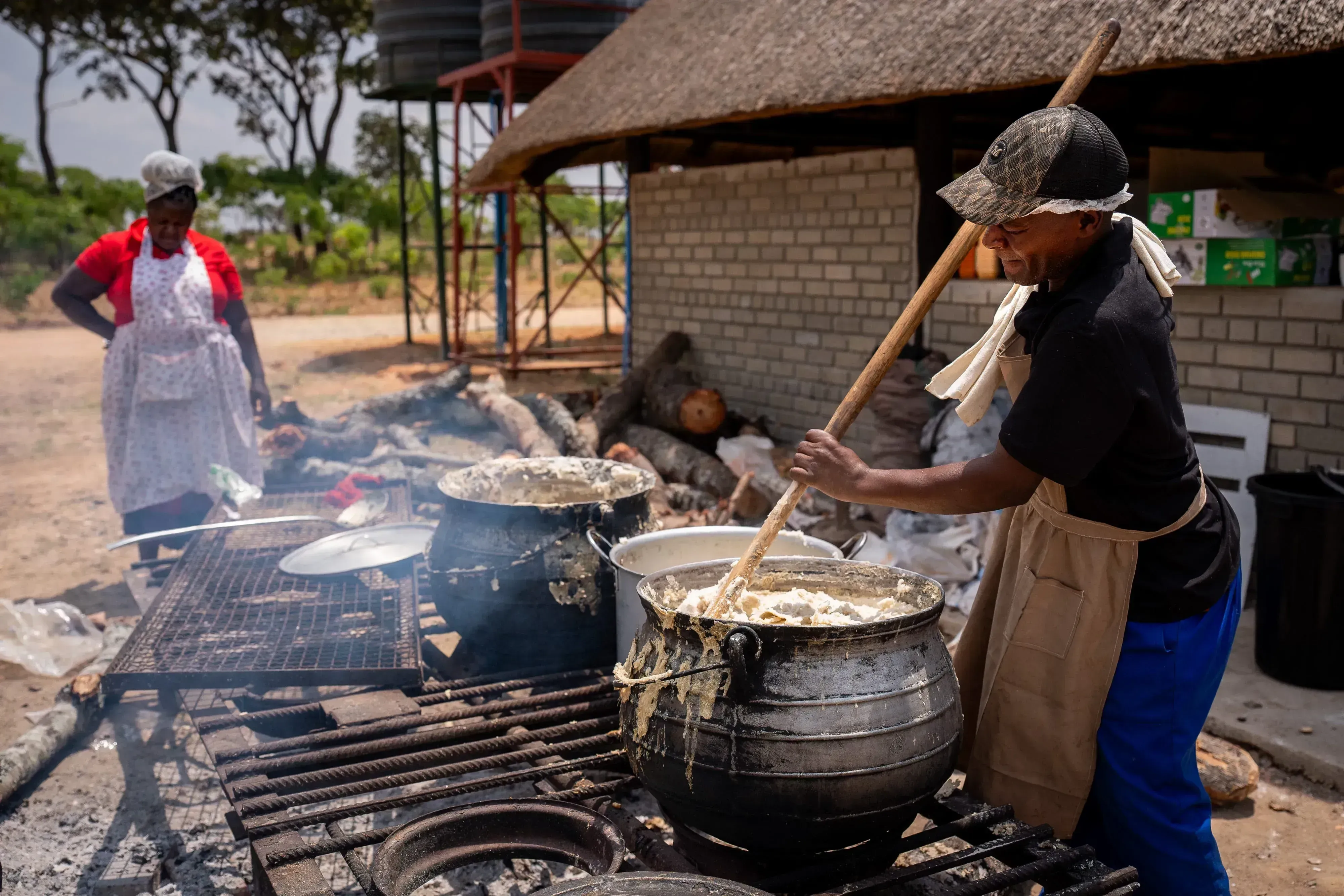
There was bone-in chicken and fish, sorghum and Sadza. Not far from the tent, chefs prepared the maize-based Sadza in giant cast-iron pots on a grill over burning logs. A man took a spatula that looked more like a canoe oar to mix the Sadza, bearing the consistency of porridge.

As a nonprofit journalism organization, we depend on your support to fund more than 170 reporting projects every year on critical global and local issues. Donate any amount today to become a Pulitzer Center Champion and receive exclusive benefits!
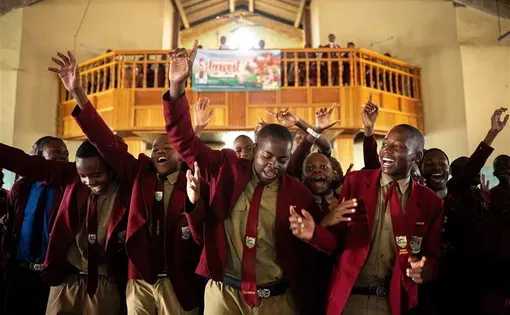
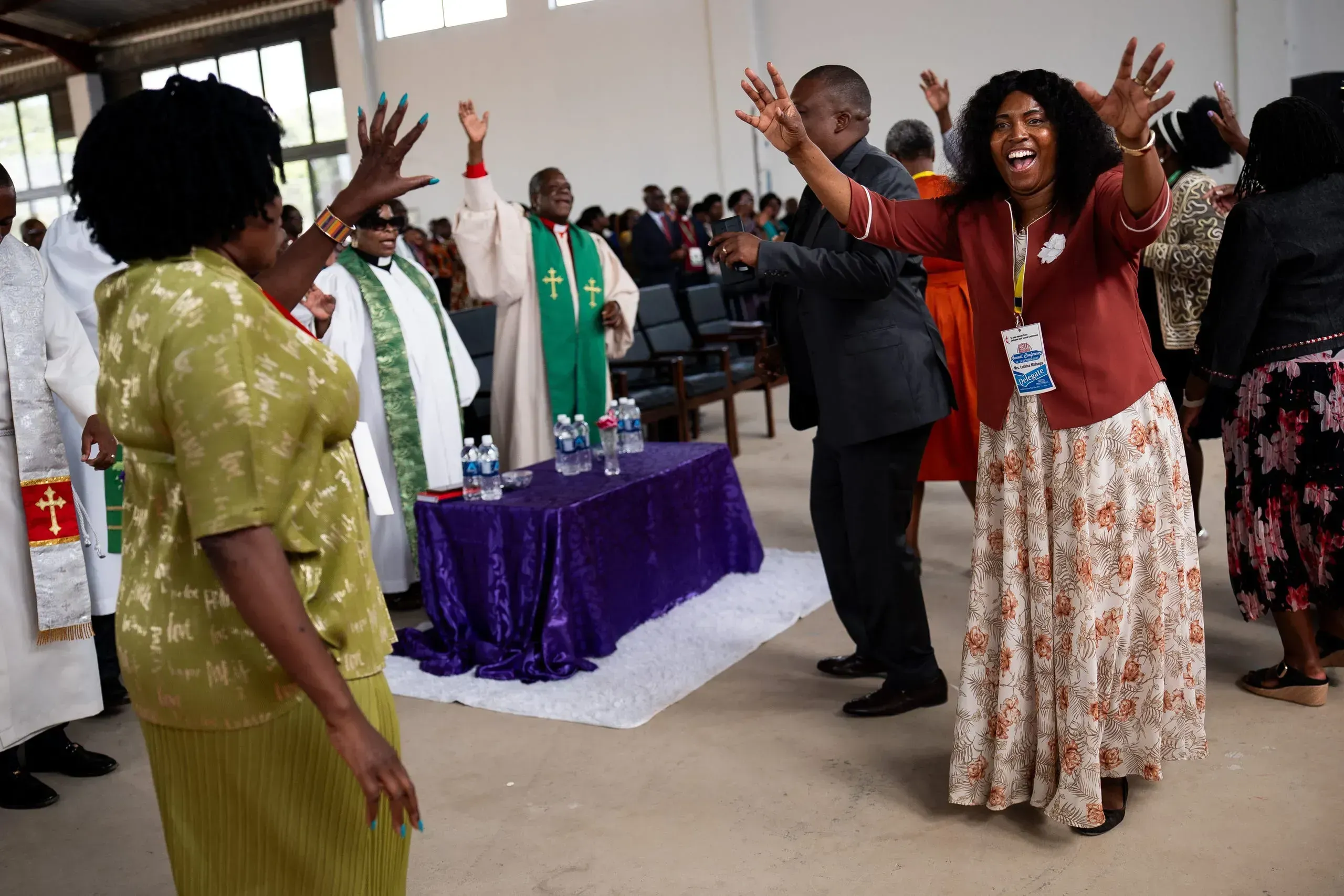
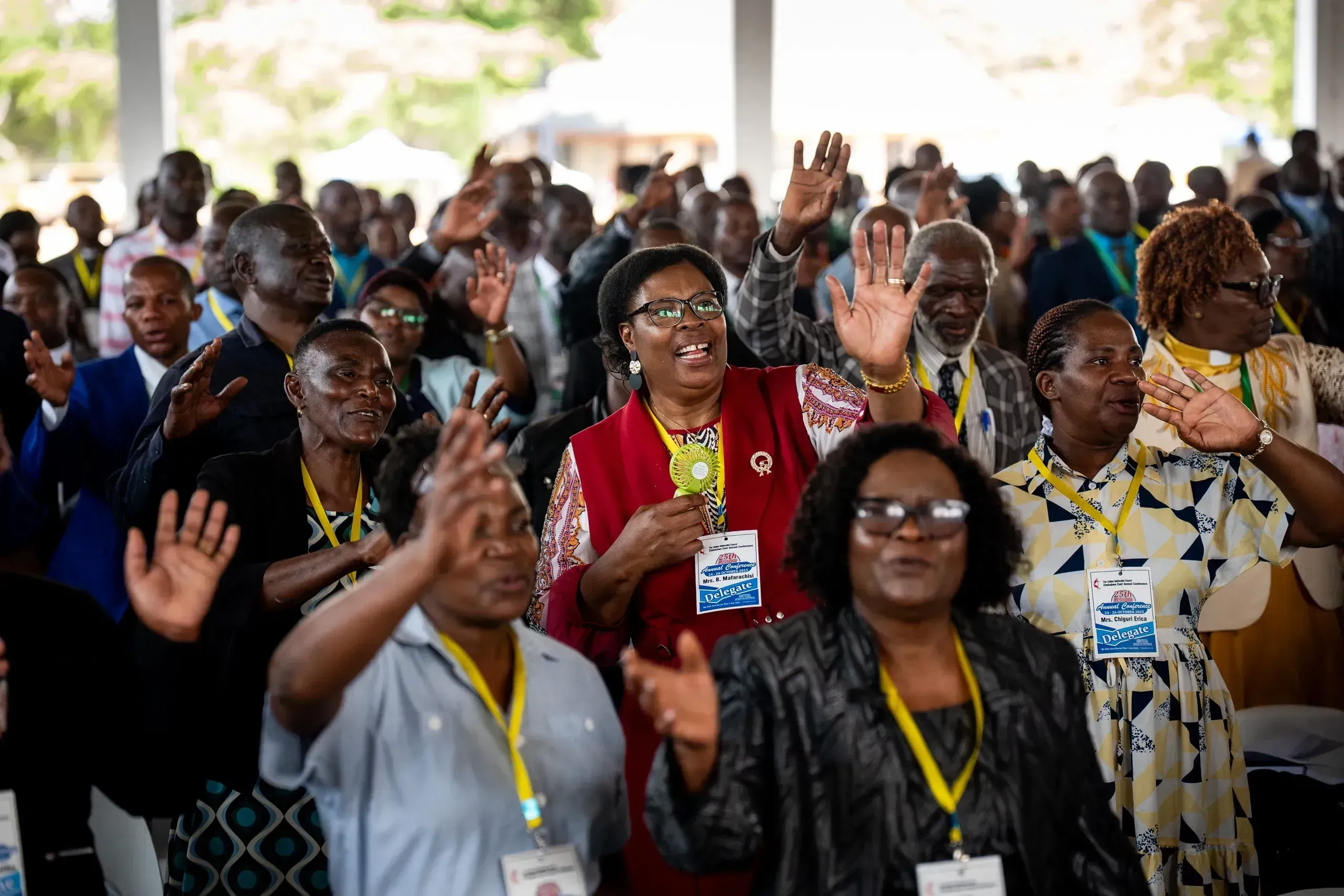
With their bellies full, the delegates for the UMC Zimbabwe East Annual Conference assembled under a barn-like structure. Soon, they broke into song and dance.
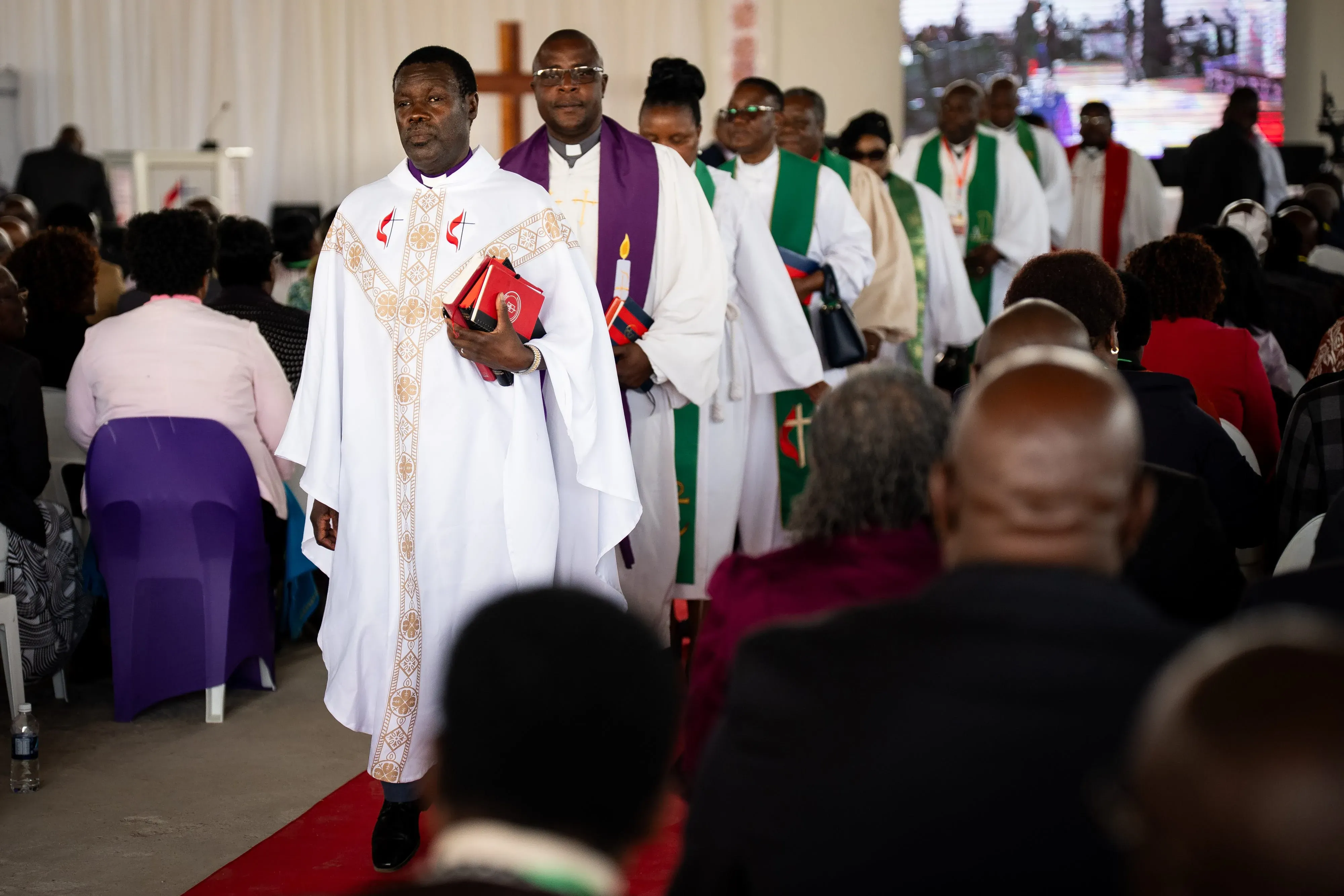
Then, Zimbabwe bishop Rev. Gift T. Machinga delivered a sermon opening the three-day legislative gathering. Machinga preached on an analogy of a man who hunted an elephant and attempted to bring it back with others.
"Whoo whoo, our elephant!" the men chanted as they carried it along, Machinga narrated. But eventually one of the men dissented and said, "Whoo whoo, my elephant." The group dropped the elephant and dispersed. Machinga broke into a sweat while he told this story, as if he was the hunter remembering that struggle to haul the elephant home.
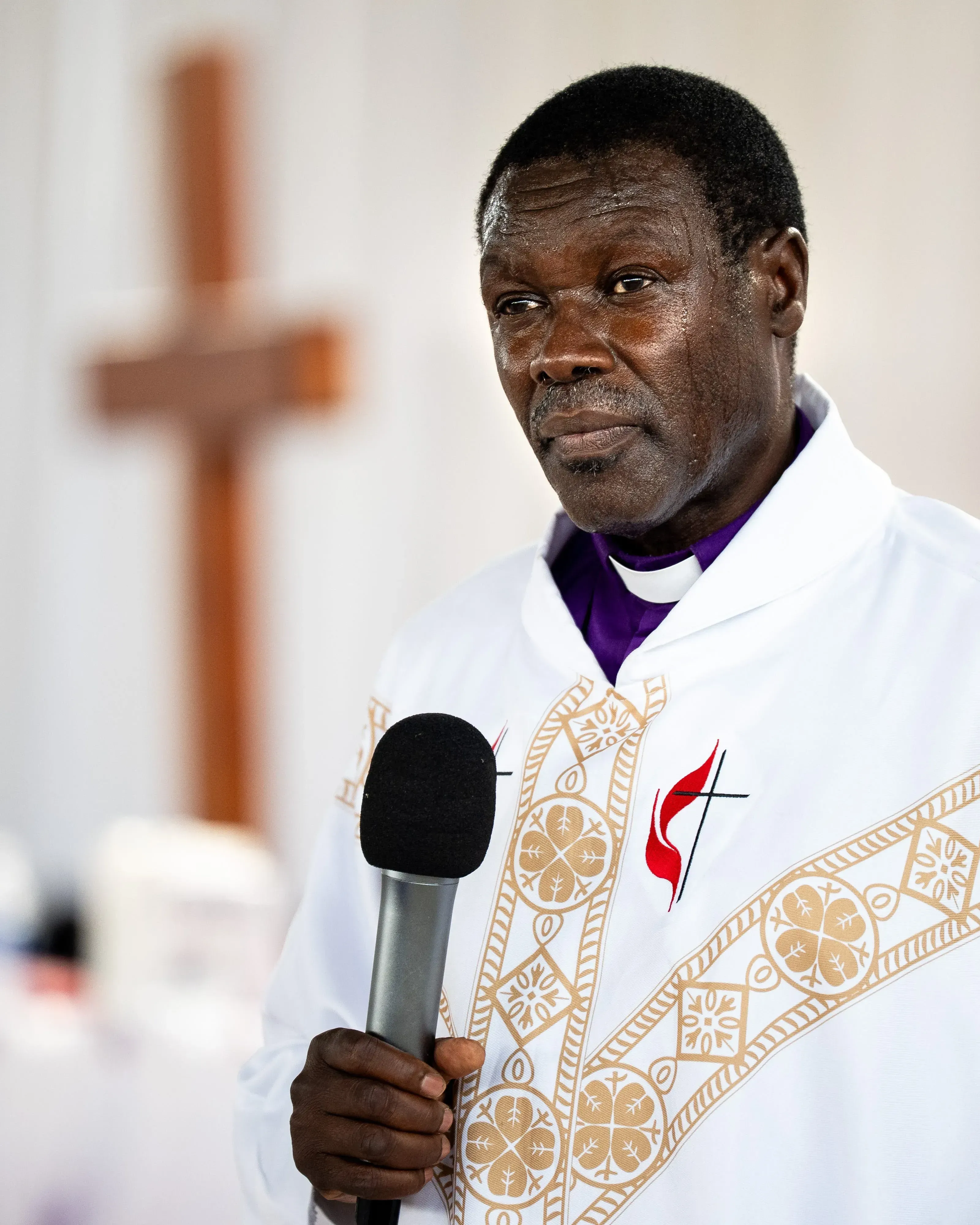
Machinga continued, saying the hunter returned to the village and asked the chief to enlist the help of others. This new group eventually triumphed.
Likening the hunter's trevails to that of the United Methodist Church, Machinga told the 637 delegates their conference is "whoo whoo, our elephant."
The UMC is on the verge of a potentially historic decision, and Africa is center stage for the drama surrounding this decision. The UMC Zimbabwe East Annual Conference is among the last regional legislative gatherings to vote on this decision, which is to restructure the denomination to allow greater regional autonomy.
The Tennessean has set out to witness how drama around this decision unfolds and whether it affects major United Methodist-backed civic institutions and social services.
A costly splintering in the historically Nashville-based UMC left the nation’s largest mainline Protestant denomination with 7,500-plus fewer U.S. churches. Many churches that left, or disaffiliated, between 2019-2023 joined a more conservative breakaway denomination called the Global Methodist Church.
The UMC gathered for its international legislative assembly in May 2024 and removed a series of restrictions for LGBTQ+ people in the church. Disagreements over LGBTQ+ rights has been a central issue to the splintering.
The UMC General Conference in May 2024 also gave preliminary approval to a plan to restructure the denomination, known as regionalization. Now, regional legislative assemblies worldwide have been voting on whether to ratify regionalization. Many in the UMC see the prospective passage of regionalization as a vital step toward maintaining the denomination’s global unity.
This ongoing vote on regionalization “really has created, in my opinion, a rallying of the church as we have gone through the season of those wanting to be apart from and others wanting a new vision for the United Methodist Church,” Rev. Aleze Fulbright, general secretary for the UMC General Conference, said in an interview. Fulbright’s office is managing operations for the vote to ratify regionalization and expects to soon present the results to the UMC Council of Bishops for a public announcement in early November.
“I believe that should regionalization move forward to full affirmation, it provides us with a means of structuring and living out the new vision,” Fulbright, also a clergy in Indianapolis, added.
Regionalization is designed to empower regional United Methodist leaders and delegates outside the U.S. to have greater say over church policies and promote customs that are truer and more relevant to local contexts.
Both division and growth with United Methodism in Africa
As the splintering among U.S. churches has petered out, the legislative changes in 2024 removing restrictions for LGBTQ+ people and the ongoing vote for regionalization has fueled intense conflict throughout Africa.
Global Methodist Church proponents have cited the recent changes in the UMC in as part of a campaign to spur an exodus of churches throughout Africa and the Philippines out of United Methodism — despite prohibitions on those congregations being able to leave and retain ownership of church properties.
As a result, there have been high-stakes court battles in Liberia and Nigeria over the UMC’s ownership rights to properties and other assets. The case in Liberia ended in August when a federal judge ruled in the UMC’s favor as the sole owner of all its properties.
Factionalism in Nigeria — between Global Methodist supporters who follow a former UMC bishop who resigned in protest versus a pro-United Methodist group led by recently appointed bishop Rev. Ande Emmanuel, who worked under that former UMC bishop —has been central to reports of harassment against Emmanuel and even a deadly clash in December 2024.
Amid this division, United Methodism in different parts of Africa is growing in membership and ministries, such as schools and health clinics. This year there was the addition of a new episcopal area for Burundi and Rwanda and the appointment of nine new bishops, a reversal of the trend among U.S. bishops. Some of those new bishops succeeded retiring ones but have championed the same pro-UMC loyalty as their predecessors.
The 14 total African bishops gathered in September and drafted a statement on core agreements. “We reaffirm our unwavering commitment to the unity of The United Methodist Church. We believe that regionalization is a faithful and strategic path forward - allowing each region to carry out ministry in ways that reflect its cultural, social, and theological context,” the statement said.
The bishops also sought to combat claims that Global Methodist proponents have promoted that accuse the UMC of being a “gay church,” an assertion that conflicts with laws and customs in some African countries. “The bishops reaffirmed that marriage on the African continent is a sacred covenant between one man and one woman,” the 14 United Methodist bishops said in the Sept. 4 statement.
Should regionalization pass, these distinctives outlined by the African bishops will be foundational to more formal policies and practices in the future. Regionalization creates the infrastructure for United Methodists worldwide to share a condensed and simplified UMC Book of Discipline, or its compendium of policies and doctrinal beliefs, while regional assemblies draft their own books of discipline that address the specifics of ministerial oversight.
“One thing I celebrate regarding the process of (voting on) regionalization is there are many groups intentional about educating the whole of the church about what it is and what it isn’t,” Fulbright said. “My hope is that with this type of intensity around educating and ensuring that everyone is informed, that we will continue that same spirit of connectionalism even after the vote.”