Story
 October 28, 2025
What a United Methodist Conference in Zimbabwe Says About Churches’ Desire To Stay in UMC
Country:

Project
A Liberated Church Despite Loss
Africa is center stage for a landmark change in the United Methodist Church.

Key Points
- The Tennessean - USA Today Network dispatched reporters to Zimbabwe as part of a reporting project on the United Methodist Church in advance of the results on a vote to restructure the denomination.
- UMC Zimbabwe East Annual Conference voted on a plan to restructure the denomination, known as regionalization, at an Oct. 25 gathering. They also celebrated the new bishop's proposed business development plans.
- Overall membership at UMC churches in Zimbabwe has declined in recent years, but the two UMC conferences are adding new churches annually.
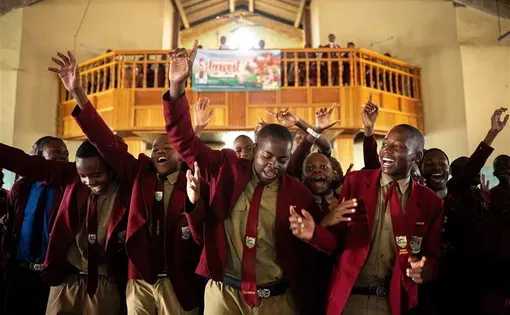
RUWA, Zimbabwe—United Methodist clergy and laity excitedly greeted Zimbabwe bishop Rev. Gift T. Machinga, welcoming him and his vision for the Southern African nation.
Machinga, elected in March, is expected to continue leading a unified Zimbabwe church. The same can’t be said for other African nations, where confusion and disagreement about legislative changes in the denomination have fractured large portions of congregants.
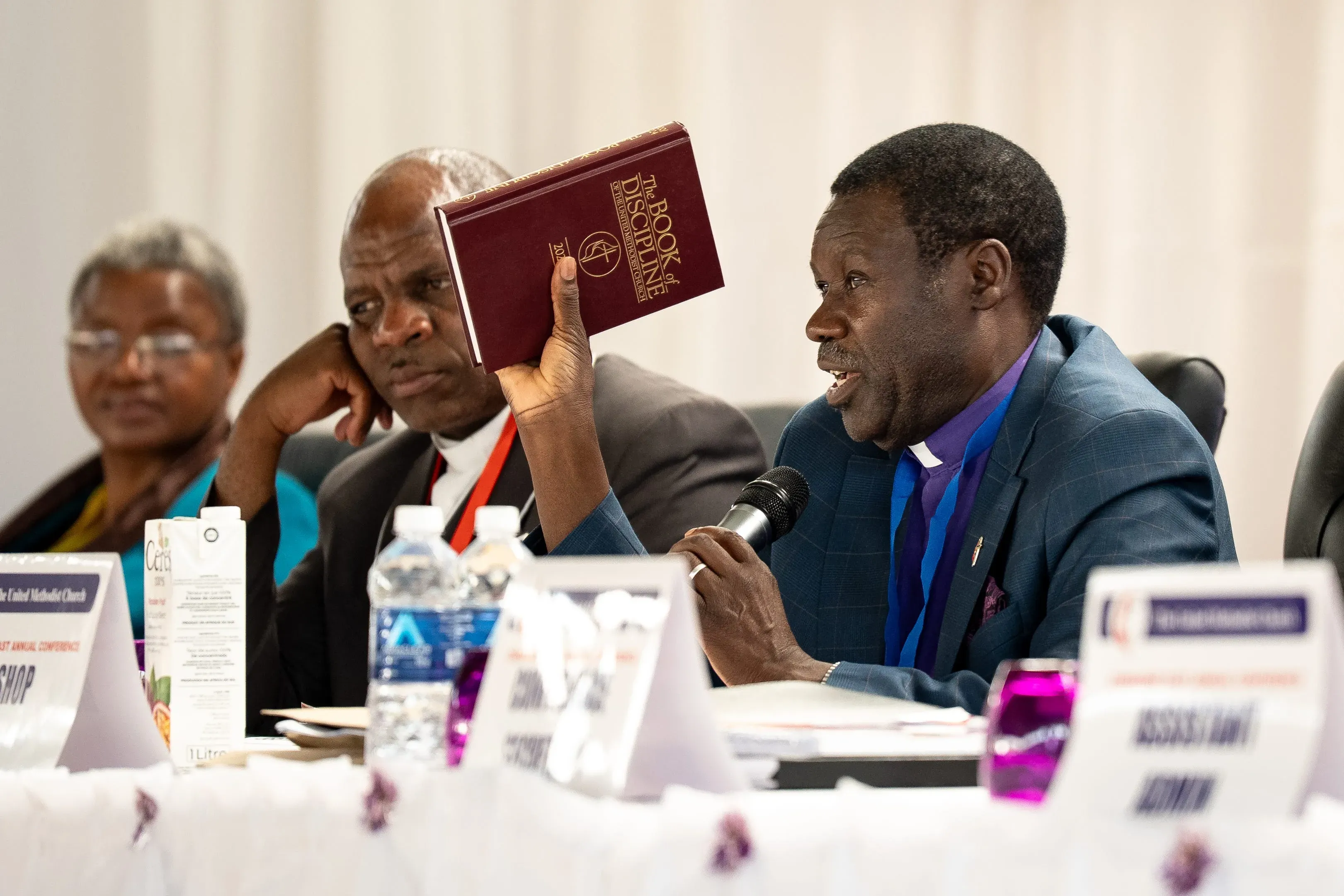
But Machinga and his predecessor, retired bishop Rev. Eben Nhiwatiwa, have undertaken tremendous education campaigns to ensure their peoples’ commitment to the United Methodist Church (UMC). A joyous celebration of Machinga at the UMC Zimbabwe East Annual Conference during an Oct. 25 gathering reflected that push for United Methodist fidelity had sunk in.

As a nonprofit journalism organization, we depend on your support to fund more than 170 reporting projects every year on critical global and local issues. Donate any amount today to become a Pulitzer Center Champion and receive exclusive benefits!
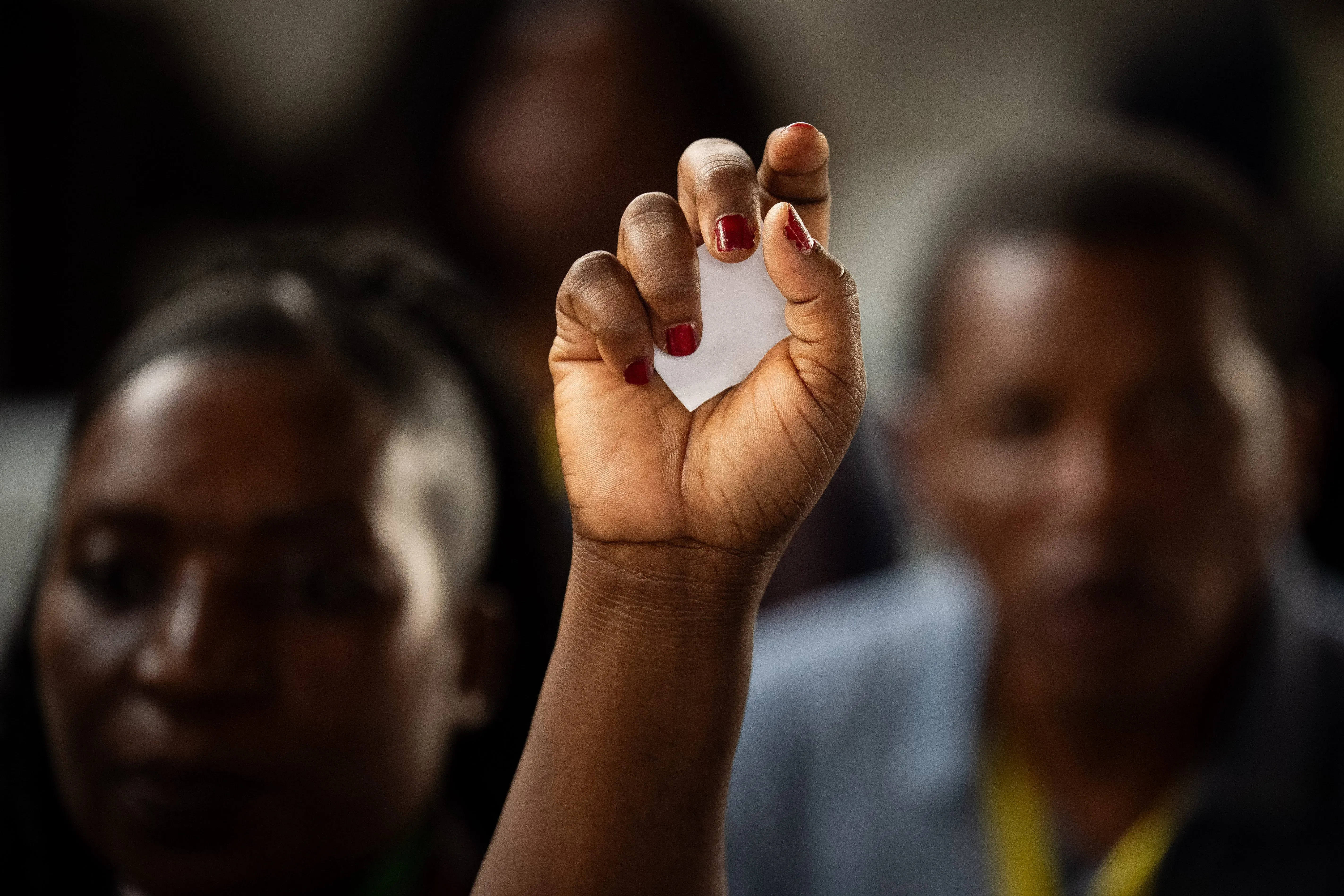
Shortly after, the 637 delegates voted on whether to ratify a plan to restructure the denomination. The results of this conference’s vote, for a plan known as regionalization, is unknown until all regional conferences in an ongoing worldwide vote are tallied by early November.
Regionalization’s prospective passage is seen as a critical step to maintaining the UMC’s global communion following a costly splintering — including over disagreements about LGBTQ+ rights. The plan to restructure the historically Nashville-based UMC will allow United Methodists across the globe to maintain policies and practices that align with local customs and laws.
Regionalization allows the UMC to remain “one big family but have different understandings based on different regions,” delegate Tazvionepi Nyarota said at the Zimbabwe East Annual Conference. Nyarota represents a special delegation of Zimbabweans living overseas who are still aligned with their UMC conference back home. She’s from Canada, but there are other Zimbabwe immigrant churches in the United Kingdom, United Arab Emirates and Australia.
Many Zimbabweans see regionalization as an opportunity to craft their own unique identity within the UMC. But it’s not the only reason United Methodism is appealing.
In an earlier presentation on Oct. 25, delegates heard plans for a newly formed business development arm of the bishop’s office. The new arm, an autonomous enterprise with its own board of directors and staff, will seek out alternative income sources beyond parishioners’ tithing. This includes renting out conference-owned property for office space or leasing other church-owned property for agriculture or mining. This additional cash flow will support other strategic initiatives, a plan for which conference leadership presented Oct. 25.
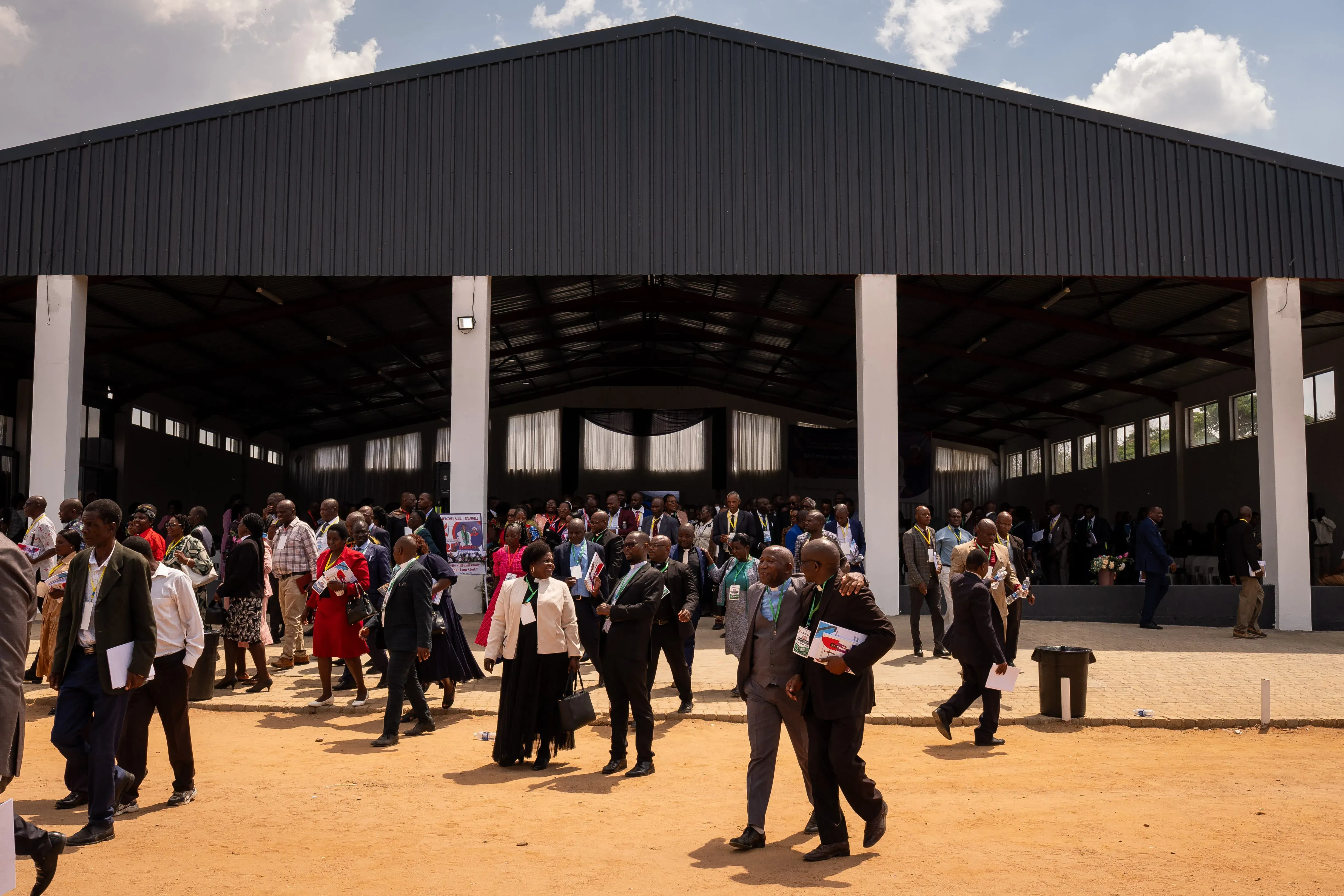
“We are now going to enjoy life, we have suffered enough,” a delegate sang in Shona, part of the Bantu family of languages spoken in most parts of Zimbabwe, following the business development presentation.
Overall membership in Zimbabwe churches has declined in recent years. The two Zimbabwean conferences recorded a total membership of 146,023 in 2025. But the conferences also add new churches annually, which they decided to do at the Oct. 25 gathering for the Zimbabwe East Annual Conference.
“Whereas they’re petitioning to close (UMC) churches elsewhere, we’re petitioning to open churches,” Machinga told the delegates.
Rev. Taurai Maforo, communications director for Machinga's office, provided translation services for The Tennessean from Shona to English.