Story
 July 23, 2026
What a Reporter Learned Covering the Impact of USAID Cuts on Aid Workers-Turned-Sex Workers in Nepal
Country:

Project
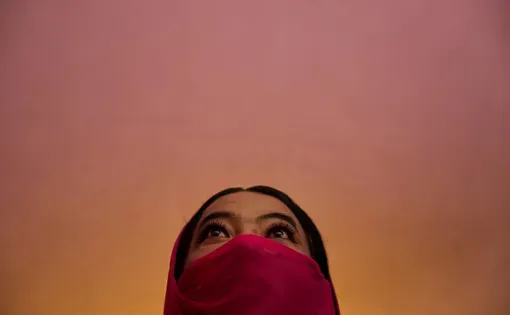
From Aid Work to Sex Work
Many aid workers are now working alongside the very people they once helped.

HETAUDA, Nepal — Associated Press reporter Kristen Gelineau, who has been covering the impact of U.S. foreign aid cuts, reported and wrote the story of how the cuts have prompted scores of unemployed aid workers in Nepal to turn to sex work to survive.
The workers are among 280,000 worldwide whose jobs were eliminated along with the U.S. Agency for International Development (USAID) last year, after U.S. President Donald Trump called the agency a waste of money and dissolved it. In a statement to The Associated Press, the U.S. State Department said the Trump administration had reinvigorated its assistance programs to focus on efficiency, effectiveness and partnership. The department also said the U.S. spends more on health and humanitarian assistance than any other country.
While much has been written about the devastating impacts of USAID’s dissolution on the millions of people the agency once helped, far less is known about the impacts on the helpers themselves.



As a nonprofit journalism organization, we depend on your support to fund more than 170 reporting projects every year on critical global and local issues. Donate any amount today to become a Pulitzer Center Champion and receive exclusive benefits!
This is an interview with Gelineau by Mary Rajkumar, who edited the story.
Why did you decide to focus on these aid workers?
There has been a significant amount of coverage of the devastating impacts of the U.S. foreign aid cuts, from children starving to death to shortages of lifesaving medicine. But there hasn’t been much written about the 280,000 people who lost their jobs as a result of USAID’s dissolution. The few stories that have been done have largely focused on American USAID staffers, even though they make up less than 10% of those left jobless by the cuts. Most of the workers who lost their jobs live overseas, often in conflict zones or impoverished countries where other job options are scarce to nonexistent. I wanted to know what had happened to those people, who are particularly vulnerable and face very different challenges to Americans.
While looking into the impacts of the USAID cuts across Asia, an HIV researcher in Nepal mentioned in passing something that I found startling: The leader of an NGO focused on HIV prevention had told him that many of their former workers who had once helped marginalized groups like sex workers had been forced to turn to sex work themselves to survive.
As I looked into it further, I realized this was not an isolated incident, and that LGBTQ+ aid workers across the country were in this situation. Health officials also began telling me they were concerned this would lead to an increase in HIV prevalence.
I thought it was a strong example of how the funding cuts have proven destructive not just for the people the funding once helped, but for the helpers themselves.
"I thought it was a strong example of how the funding cuts have proven destructive not just for the people the funding once helped, but for the helpers themselves."
Kristen Gelineau
How did you find the workers and get them to talk?
It took months to find and earn the trust of these workers, who are highly traumatized. This required working through layers of contacts within Nepal’s LGBTQ+ community, sharing examples of my previous work to demonstrate that I have a history of reporting ethically on marginalized communities, and then initially making contact over text messages before working our way up to in-person interviews.
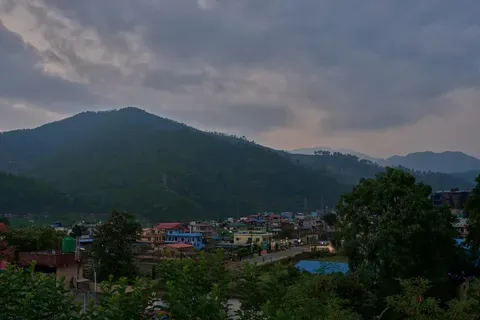
In Nepal, I was accompanied by my visual colleague Bram Janssen and our talented translator, Tulsi Rauniyar. The three of us spent time reporting in Kathmandu and a small city called Hetauda, where there were a large number of aid workers-turned-sex workers who were open to talking. As most of these workers are the victims of sexual violence, I wanted to ensure I obtained informed consent. So every interview began with discussions about whether they were comfortable going public, as well as reassurances that they could take breaks, stop the interview at any time, or decline to answer any questions that would be re-traumatizing. Overall, though, most of the workers were remarkably forthcoming.
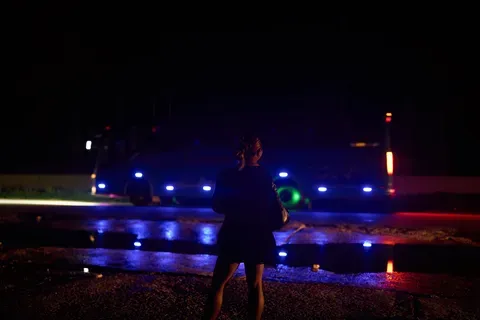
We spent several nights shadowing the women as they worked alongside the highway so that we could understand their process and the dangers they endure.



What struck you the most while reporting this story?
I was struck by how unbelievably vulnerable these women are. They had all told me about the violence they faced, but until I saw where they were working, I didn’t fully grasp just how dangerous their situation is. The highway where they operate is incredibly dark and chaotic, and the places where they service their clients offer zero protection because they are so isolated. Groups of men — many of them clearly under the influence of alcohol and/or drugs — would frequently surround a worker and begin aggressively bargaining with her, before taking her to a remote location in the nearby jungle, in an adjacent industrial area or back to their homes. Almost all of the women have been assaulted at some point.
The police would occasionally show up, but that only made the women feel more vulnerable, because many say they’ve been assaulted by police officers as well.
And for all of this risk, the amount they bring in per client is generally just $2 to $3. But as the workers told me over and over again, they have no choice: Because legal work for openly transgender people in Nepal is virtually nonexistent, it is quite literally sex work or starve.