Story
 July 29, 2026
Texas Senators Question Controversial Transmission Line Project After Marathon Hearing
Country:


Project
Texas Energy Crossroads
President Trump is throwing his weight behind an expanded campaign of oil and gas drilling.


AUSTIN — After months of controversy and pushback, Texas senators examined a major transmission line project and its impact on landowners Wednesday during a hearing that stretched more than 15 hours and ended shortly after midnight.
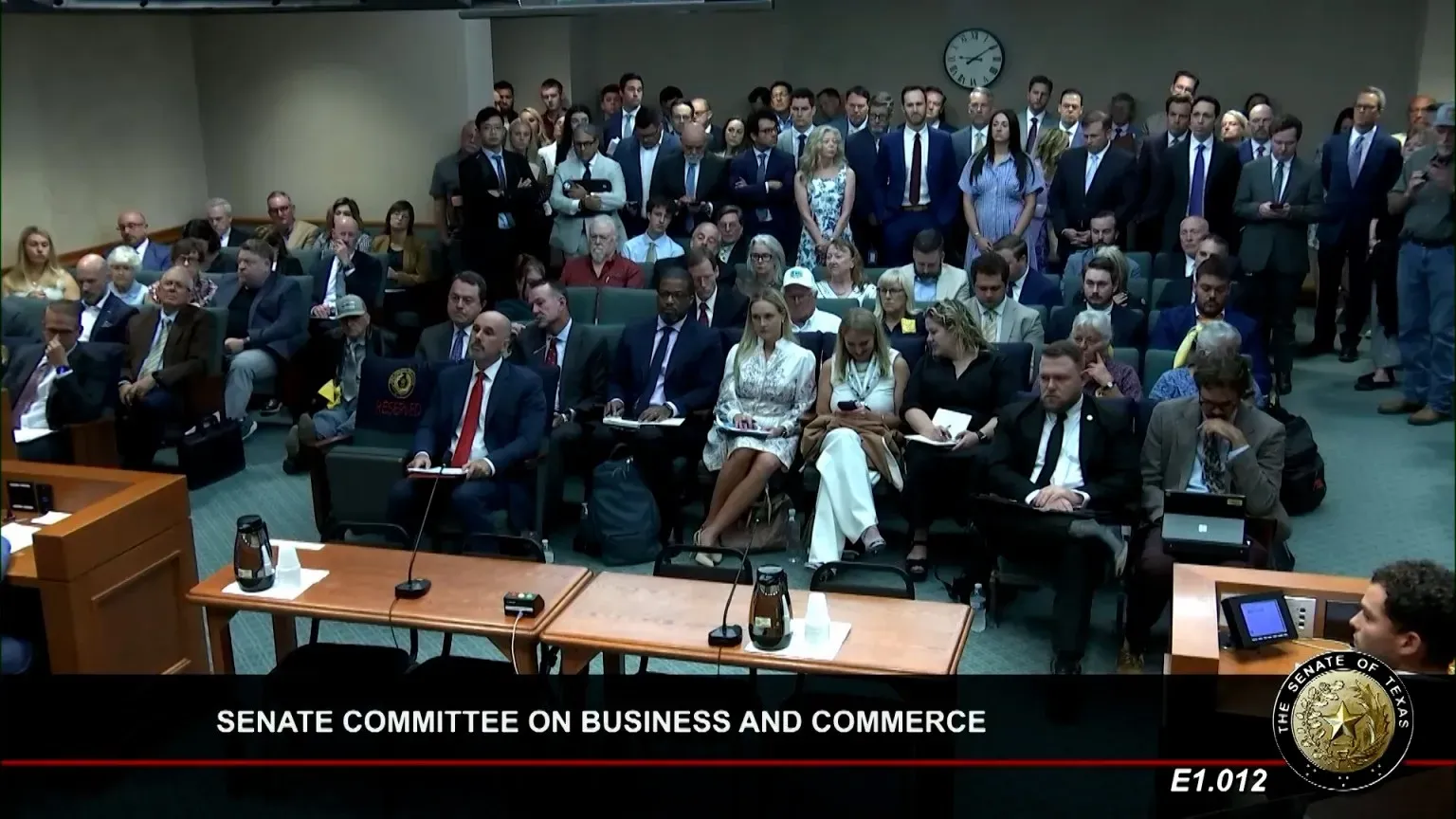
On July 29, the Senate Committee on Business and Commerce hosted a special hearing to discuss the state grid and discuss a proposed 765-kilovolt transmission line network tied to the Permian Basin Reliability Plan, designed to strengthen the state’s electric grid and accommodate growing demand.
“There are a lot of people that are really impacted by this,” said Mia Sarot, with the Hill Country Land and Legacy Alliance, one of the groups representing landowners in the path of the proposed lines.

As a nonprofit journalism organization, we depend on your support to fund more than 170 reporting projects every year on critical global and local issues. Donate any amount today to become a Pulitzer Center Champion and receive exclusive benefits!
Lawmakers said testimony from landowners would help inform potential changes to the transmission line approval process, including notification requirements and opportunities for public participation.

“There are three lines that run from Central Texas, a little bit north and a little bit south kind of San Antonio area, and also into the Permian Basin. So there are many, many counties involved and thousands of people,” Sarot said.
Senators weigh landowner concerns
The project has drawn significant opposition from landowners, who argue the nearly 200-foot-tall transmission line structures could impact homes, ranches and family properties.
As part of the hearing, senators heard from the Public Utility Commission of Texas, ERCOT, utility providers involved in the project and dozens of landowners, attorneys and advocates opposed to the proposed routes.
“From the concerns we’ve heard and will hear today, the testimony is essential on how we are informed to improve the process to ensure landowners are properly notified afforded due process and participate in decision-making,” said Senator Charles Schwertner, R-District 12.
Project
Drilled: Denial To Delay


The hearing began Wednesday morning and continued into the early hours of Thursday as lawmakers heard testimony on both the need for the transmission lines and concerns about the process used to approve them.
Growing backlash over proposed power lines
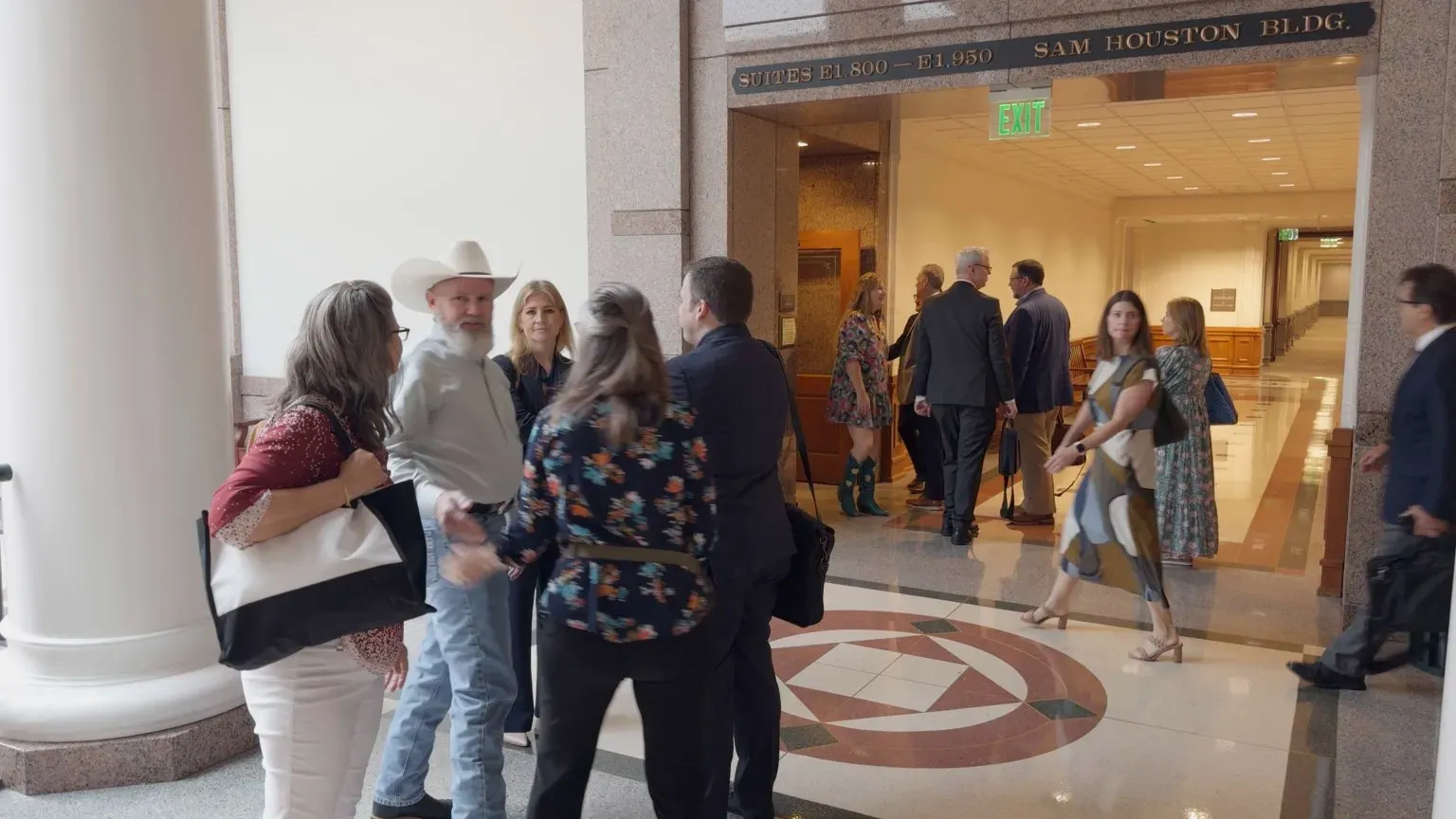
Dozens of landowners and advocates arrived to speak on the project, decked out in pins and yellow bandanas.

“I really never gave a lot of thought to our electrical grid. I turn the clock to hit the switch and the light would come on. So, you know, I’m kind of, fat and happy with respect to electricity, but now ... I understand the complexities of the grid,” said Kevin Kennedy, one of the landowners in the path of a proposed route through Burnet County.
Kennedy said he’s spent the last year educating himself on the process and pushing back against the proposed routes.
Critics call for reforms to Texas law
Landowners argue the process has been rushed.
Under state law, the Public Utility Commission has 180 days from the initial filing to complete the transmission line approval process.
According to Sarot, landowners have exactly 30 days to intervene, followed by a legal process with the State Office of Administrative Hearings, which takes about 2 months, and is followed by a roughly 90 day review period.
"Whether you bought your piece of property last year or it's been in your family for 100 years. it's important to you."
Landowner Kevin Kennedy
In the review period, the Administrative Law Judges overseeing the case will review the evidentiary record for roughly 60 days before presenting a Proposal for Decision. Finally, the PUC Commissioners will review the case for around another 35 days before issuing a final order.
By the end of the hearing, several senators appeared receptive to landowners’ concerns about the timeline. Sen. Phil King, R-Weatherford, said lawmakers should explore ways to slow the process down and provide more due process for affected property owners.
Landowners fight to protect family property
“Whether you bought your piece of property last year or it’s been in your family for 100 years, it’s important to you. And this, transmission line being constructed across it is like an attack. It’s like your home being invaded. And so some of the people are mad, and they want to fight,” Kennedy said.
Oncor and LCRA, another utility provider involved in the project, argue they studied dozens of route options to reduce impacts to homes, landowners and environmentally sensitive areas.
Kennedy thinks that the Texas code and statutes in place are for an antiquated system, one that needs to be updated for the modern era.
Transmission line decisions still ahead
“We all understand that we need a sound electrical grid. We understand that everything is going to be electrified in the coming future, but we have to do it right,” he said.
As the hearing stretched past midnight, some lawmakers also questioned whether the project is needed in its current form.
“From everything I heard earlier today, I’m not convinced,” Sen. Kevin Sparks, R-Midland, said.
Sarot said she hopes the hearing will lead to changes in how future transmission projects are handled.
“I’m really hopeful that the landowners can bring the information that the legislators need to actually change the system for everyone to more be able to more meaningfully participate going forward in these kinds of projects,” she said.