Story
 July 3, 2025
Pulitzer Center Grantee's Journey To Learn About Taiwan’s Hidden Migrant Workforce
Country:

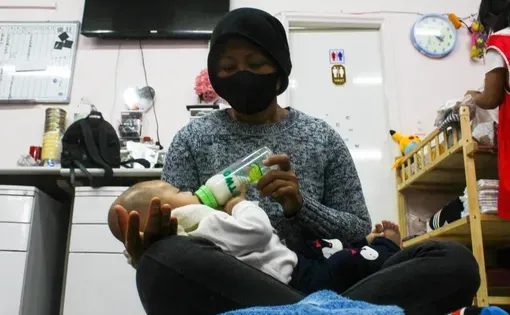
Taiwan’s undocumented Southeast Asian labor has been invisibly spiking.
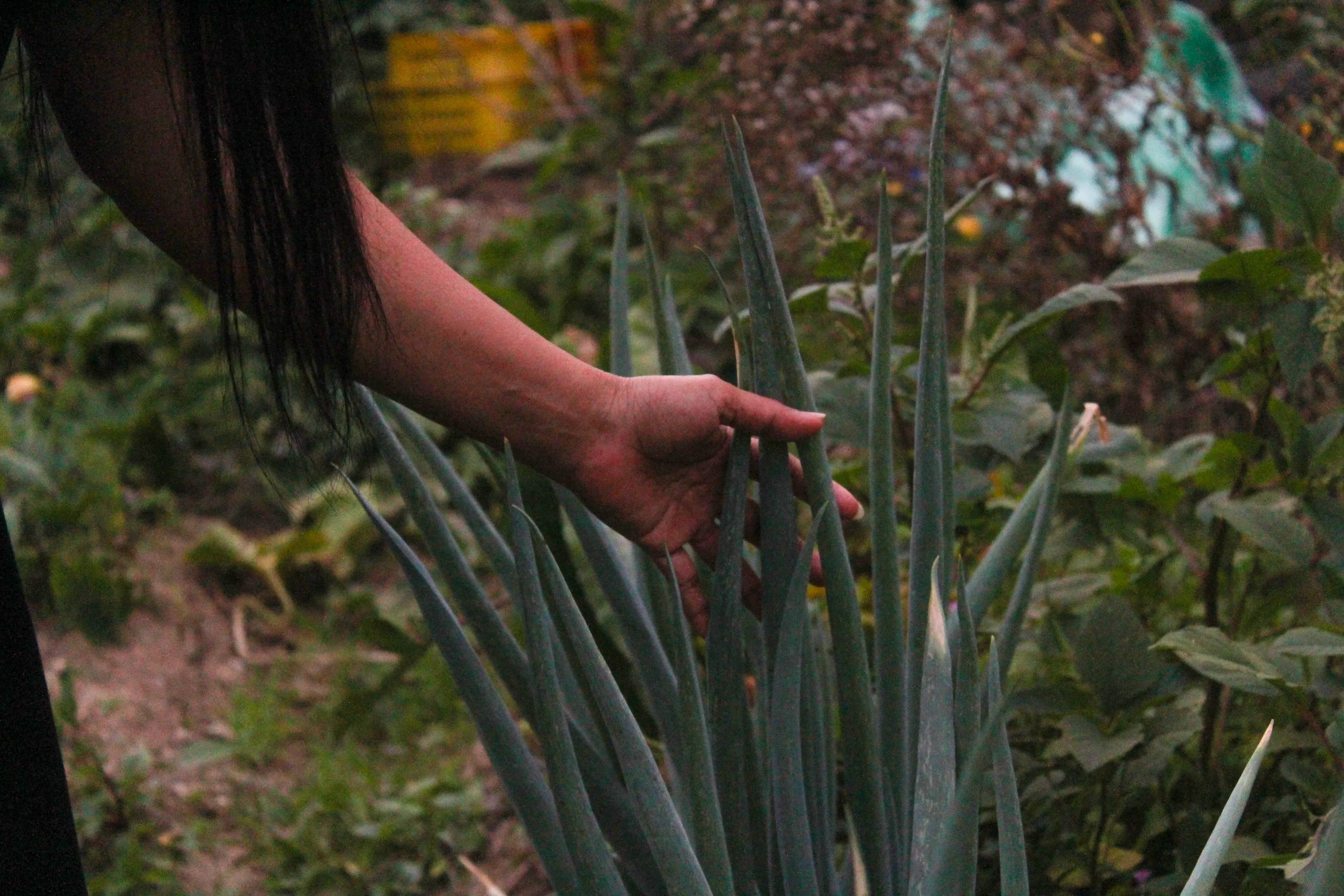
A Filipino journalist chronicles the challenging visa application process for Taiwan, a journey that underscores the even more formidable obstacles encountered by Southeast Asian migrant workers on the island. Entangled in relentless bureaucratic procedures to obtain legal status, many migrants are compelled to live undocumented and face harsh conditions. With lack of crucial protections in Taiwan, they are often overlooked despite their pivotal role as key contributors to the nation’s economic progress.
“Have you ever thought about killing yourself?”
The examiner asked me her first question without a change in expression. It seemed like she’d done this a hundred times a day. With eyes glued to a piece of paper on her desk, it became difficult to read her mind.
“No,” I replied. I wondered if any of the migrant worker hopefuls had ever answered yes.
“Have you ever thought about killing your boss?” she followed up.
I repeated my reply but now was certain that others who’d sat in my place must have toyed with saying yes.
I was sitting inside a clinic in Metro Manila where I was interrogated by a medical examiner, accredited by the Department of Migrant Workers. The interview was part of the compulsory medical examination assigned to obtain a working visa; one of the many steps into the tedious and complicated journey that will allow me a two month stay in Taiwan to work as a journalist.

As a nonprofit journalism organization, we depend on your support to fund more than 170 reporting projects every year on critical global and local issues. Donate any amount today to become a Pulitzer Center Champion and receive exclusive benefits!
The brief yet jarring psychological screening came after I’d finished a written multiple choice exam with 250 questions trying to ascertain how much self-harm I was capable of.
I was so engrossed in this process that I had failed to anticipate the long journey and procedures a Filipino takes to get to Taiwan.
Most foreign journalists who enter Taiwan are not required to provide visas and are able to go about their business as soon as they land. My case was different because I am from the Philippines. Alongside other Filipinos, we make up nearly a third of the migrant worker population in Taiwan.
I first experienced the hiccup in the application process early on when I applied for a working visa in August 2024. With several Western visas already attached on the pages of my passport alongside a copy of my employment contract with a reputable Taiwanese daily, among many other documents provided, I confidently submitted my visa application. However, the Taipei Economic and Cultural Office (TECO), the island’s de facto embassy in Manila, rejected it.
They said to enter Taiwan, I needed a work permit, which must be approved by Taiwan’s Ministry of Labor (MOL). To obtain it, I had to acquire copies of my university diploma and grades and get those authenticated by two local government agencies. Then I had to attach those documents to an employment plan, followed by a comprehensive list of all my past working experience. I had to have all these files translated into Mandarin, which will then be sent over to a colleague in Taiwan who will aid by filing and submitting the application to the MOL. It took me about six months between August 2024 until January 2025 to complete the paperwork, which was sent back and forth between government agencies across Manila and Taipei. Afterwards, I was instructed to obtain a law enforcement clearance, and then finally slated for a medical exam.
I paid around Php10,000 to complete my eye, dental, heart, chest and rectal exams, as well as a couple of measles vaccines and a de-worming treatment, which were specifically demanded for Taiwan-bound migrants. Only after enduring these processes would I be declared as “fit to work” (and worthy of a working permit). Finally, I arrived in Taiwan in February 2025 to begin working on my report.
The paperwork for visiting journalists has always been tedious, but still, it pales in comparison with the burdens shouldered by Filipinos who seek blue collar jobs in factories, fishing boats, or households.
Typically, the application process lasts months as prospective migrants must work with agencies working on behalf of Taiwanese employers. As most applicants hail from outside the capital city, they have to travel to Manila to kickstart the whole process. They must borrow money to pay the agency’s placement fees, endure layers of bureaucratic state approval, and patiently wait for their turn to board a flight to Taiwan—where a labor intensive job awaits.
Having a small taste of the tediousness of entry throughout the visa process, I can’t help but wonder: with all the obstacles one must overcome to leave their homeland to land a job in a foreign country, why should one choose to run away and live illegally?
Undocumented Lechon
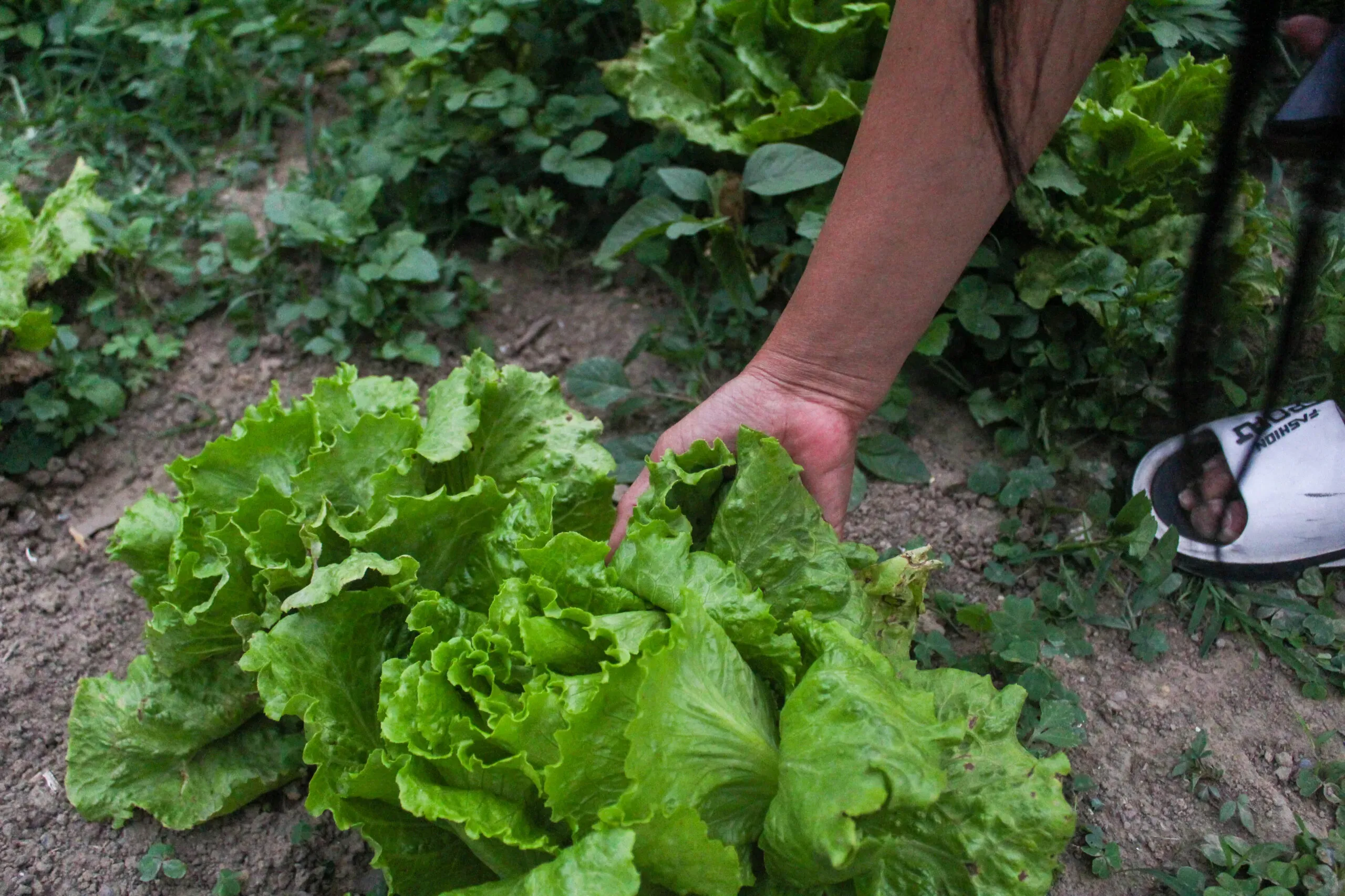
Filipino caretaker Mary Anne*, 63, has been living in Taiwan for a total of 21 years, where she received a legal permit for the first 7 years and remained undocumented for the next 14. After reaching out to her through personal contacts in the Filipino community, I got the chance to finally meet her in person last March at a bus stop on the edge of Taipei. In Tagalog, she asked me to refrain from using the words “undocumented” or “runaway” when we’re outside. Instead, she suggested a code: “lechon,” a word for the popular Filipino dish of roasted suckling pig.
“I became a lechon because my visa expired. But I still had to support my family.”
She lives with her employers, an elderly couple, in a modest apartment at a public housing complex for retired soldiers. As a caretaker, she doesn’t need to go out a lot. However, on days when she ventures out, she believes her appearance can pass for a Taiwanese although she remains alert: “You never know who might betray and report you.”
Mary Anne said she had been working various odd jobs across multiple places in Taiwan. At one point, she secretly worked as a dishwasher for a restaurant above the concourse of Taipei Main Station.
Mary Anne earns around NTD30,000 monthly, almost a double of the pay that legal caretakers receive in Taiwan. She is able to negotiate a wage to her employers without having to pay the required monthly service fees of registered migrants to an agent or a job broker. Despite these ‘benefits’, she– alongside the rest of Taiwan’s undocumented population– not only secluded from society but also excluded from welfare.
Undocumented migrants are not protected with health insurance, and hospitals are obliged to report any visits from individuals who are recognised as “illegal”. Although most doctors would ignore this rule and just charge the undocumented the full price of treatment, Mary Anne says a consultation price—a minimum of NTD1500—is too expensive to bear. She’d rather carry pain, despite her advancing age.
“I’ll just take paracetamol or sniff some vinegar to help with the cold,” she said.
Immigration officials can’t deport seriously ill or injured undocumented foreigners, but they won’t shoulder the costs of their treatment either. Many ill undocumented foreigners turn to NGOs like the Guan Xin Association (官心協會), which help raise funds for undocumented migrants needing serious medical attention.
Guan Xin’s shelter sits not far from Nantou City’s bus terminal, tucked in an alley between market stalls. The place is overseen by Juli Kuan, an Indonesian with a permanent residence permit in Taiwan.
At the time of my visit, the shelter was hosting eight boarders, all healing from various illnesses and injuries from work accidents. None of them could have survived without Guan Xin’s aid.
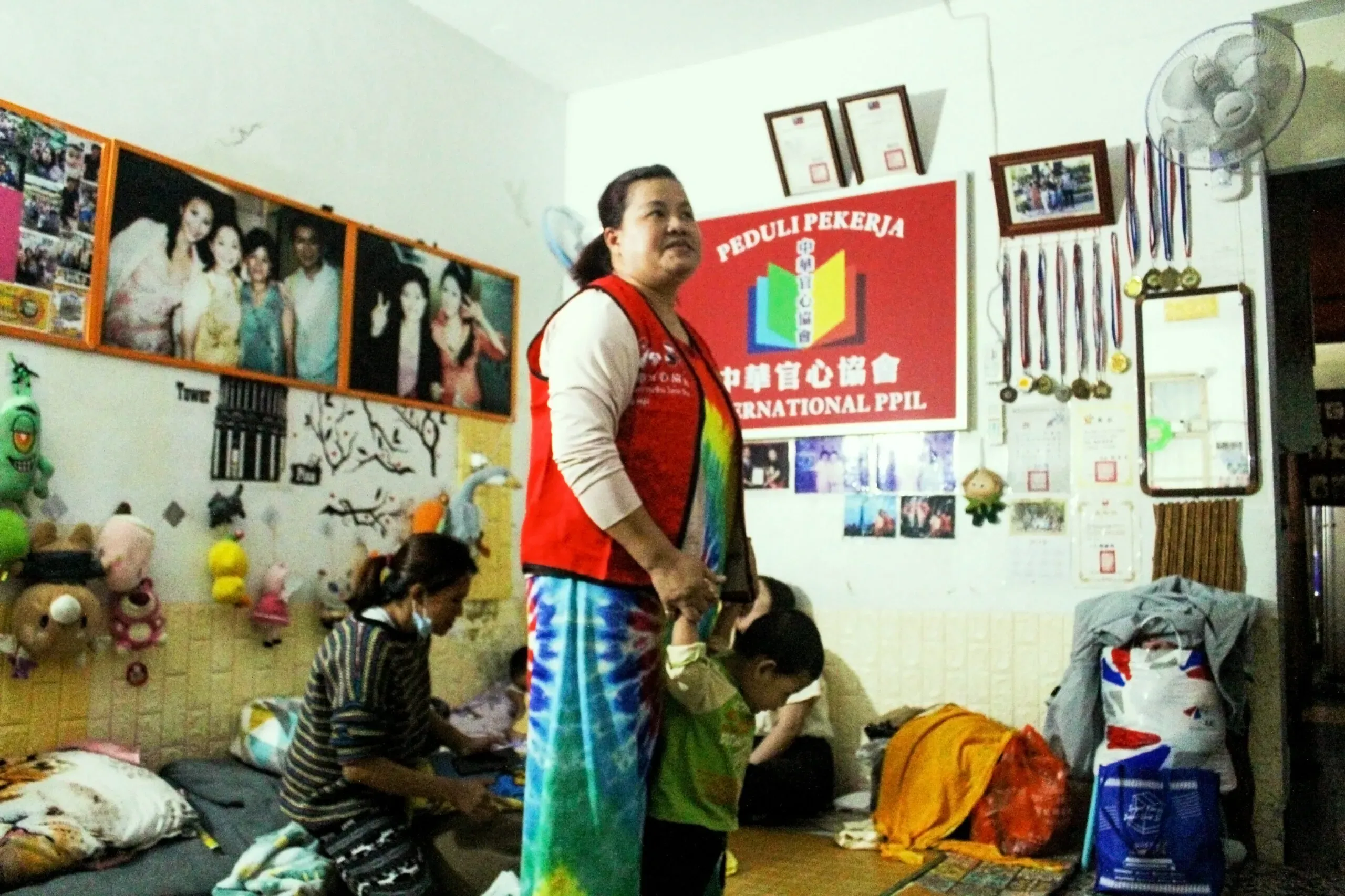
In an interview in April, Kuan said undocumented migrants are safe from persecution during recovery, but they are bound to make their own decision (to remain or return) once they heal.
“If they want to go home, they have to prepare the fee. We help them prepare the documents and send them to the airport to go home,” she said.
Kuan said most of the recovered patients at her shelter choose to resume work in Taiwan.
One of the boarders, a native Balinese named Ada*, 53, worked as an undocumented worker at several illegal farms in Taiwan. Since 2018, he’d picked bananas, harvested cabbages and milked cows across rural areas in the island.
He confirmed my observations amongst the people who reside in the mountains of Taichung: farm owners tolerate, even encourage, the labour of undocumented workers. Fellow residents and local authorities never bat an eye.
Many of Taiwan’s farming communities employ undocumented workers, and most of them are former fishermen. At farms, workers typically earn NTD1000 for a day’s work, double what they’d get out at sea.
However, Ada says he is always ridden with unease. He worries about eventually getting caught by authorities. On farms, bosses often cut wages without notice, threatening that anyone who complains will be reported to immigration. The workers had to farm almost everyday, with some having only three days off for every month.
To escape the anxiety, he’d work continuously to keep his body moving.
“I’m always anxious. I have to try to keep my mind strong,” said Ada.
In 2003 he survived a nearly fatal accident while working on a rice field: a tractor crashed into him, crunched his left leg and cracked his tailbone. His bosses took him to the hospital but they had left him, until Guan Xin came to his aid. Ada hasn’t been able to stand upright ever since.
Today, he leans on his cane and carries a colostomy bag. He has been planning to go home to Bali once he is able to get up and walk again. Before the accident, he was planning to continue working in Taiwan but with his current condition, Ada won’t be able to endure the grueling farm work.
Now, while waiting for his recovery, Ada sits at a desk every morning in the shelter for his part-time job: packing incense papers (金紙) for nearby temples.
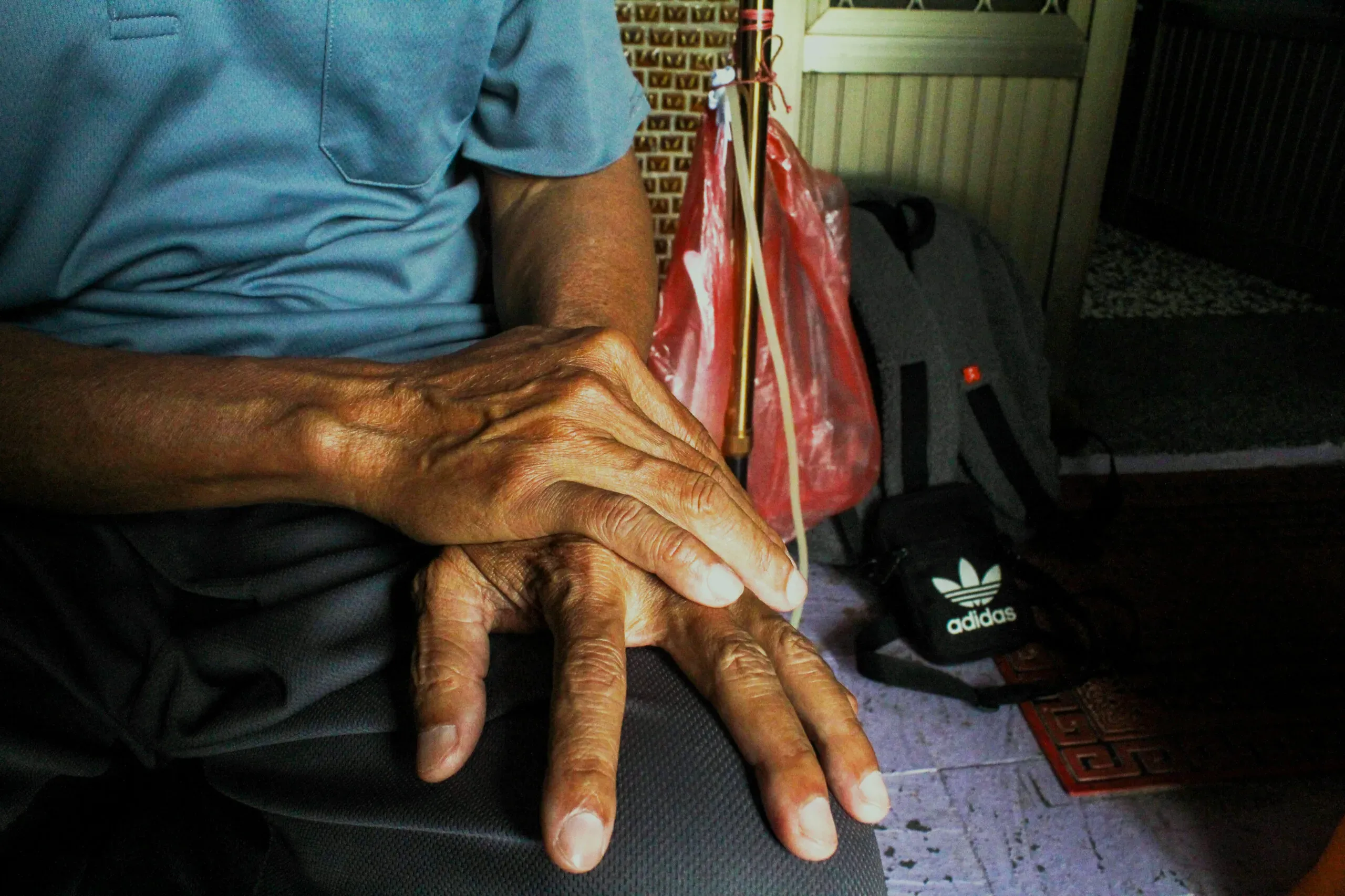
Guan Xin and many other NGOs are providing welfare support for undocumented migrants, taking on the government’s responsibility that remains neglected. The Taiwanese state is aware about the rising numbers of undocumented migrants whose labour are pivotal to their livelihood: they harvest their cabbages, build their bridges, and sweep their homes. However, their labour remains invisible and unrecognised. They continue living invisibly whilst facing the constant threat of sanction and deportation.
Kuan says the government could definitely be doing more.
“But for undocumented migrants, life is always difficult. They have no say in anything. They don’t have a voice to ask for help.”
Life on the Margins
At the end of 2023, Taiwan sounded the alarm on the growing undocumented population. MOL recorded that there was a record-breaking number of undocumented migrants at 90,000 in January. In 2022 approximately 41,000 workers went “missing” (read: the state deemed them as unaccountable). A year later, 31,000 more were recorded as “missing”, and in 2024, another batch of 25,000 migrants were also deemed as “missing”. The state determined that the build-up of these increasing numbers was due to “pandemic-related restrictions” that hindered deportations.
Indonesians, Vietnamese and Filipinos comprise the major demographic of the nearly 800,000 migrant workforce, with an expected influx in the next few years. When I interviewed Cesar Chavez of the Manila Economic and Cultural Office in Taipei last April, he said that The Philippines government has outlined plans for 200,000 new arrivals of Filipino migrants over the next two years.
In a March 2025 interview, Fajar Director of Serikat Buruh Industri Perawatan Taiwan (SBIPT, translated as the Union of Indonesian Caretakers in Taiwan) explained that many migrant workers enter and work in Taiwan legally but eventually decide to run away after struggling to cope with the rising costs and stagnant wages. “We’re paid below minimum wage. Plus, many are already burdened by loans just to enter Taiwan, while also having to face the standard of living that is (always) getting higher with inflation,” said Fajar.
In 2024, Taiwan raised the maximum penalty for overstaying migrants from NTD10,000 to NTD50,000, and a period of incarceration.
“[Punishment] does not help. In the past year, we’re still seeing an increase in the number of runaways,” said Fajar.
Meriam Hsu at the Taiwan International Workers Association (TIWA), noted in a February 2025 interview that migrant workers face wage disparities compared to their Taiwanese counterparts.
Unlike Taiwanese factory workers, migrants never receive a pay raise nor can they climb up a career ladder. Many also only receive a net monthly pay of NTD28,590 while local workers receive their bonuses on top of their basic salary.
“Technically, this practice does not violate any law. Because the employer is not paying less than the basic salary,” Hsu said.
Furthermore, successful applications for permanent residency or Taiwanese citizenship for Southeast Asians are rare—except through marriage. State policies only allow foreign workers a maximum of 12 years stay to deter long-term settlers. However, many have expressed their intention to remain and to work for a better pay.
According to Singaporean labour expert and columnist Roy Ngerng1, Taiwan’s minimum wage is only about two-thirds of the basic pay in countries with similar GDPs. Despite being ranked as the 13th biggest economy in the world, Ngerng says Taiwan’s basic pay lags behind many of its contemporaries.
Since 1992, the passing of the Employment Service Act2 has allowed the hiring of foreign blue collar workers, which has led to the sharp increase in Taiwan’s migrant workforce and ushered in a period of economic growth. With the country on track to have the third oldest population3 in the world whilst facing a labour shortage4 that is projected to worsen by 400,000 in 2030, Taiwan needs migrant workers– more than ever.
These encounters and experiences confirm my long-time belief that it was not solely the migrants who needed work from Taiwan. But, it is the state that has always depended on cheap migrant labour–especially from those who they’ve failed to recognise.
References
1Ngerng, Roy (2024 June 18) Taiwan Has Become the 13th Richest Country in the World, But Are Taiwan’s Workers Rich? The News Lens International: https://international.thenewslens.com/article/187037
2Employment Service Act (1992) https://law.moj.gov.tw/ENG/LawClass/LawAll.aspx?pcode=N0090001
3Hsueh, James CT (2023 March 4) Taiwan heading into its super-aged era. East Asia Forum: https://eastasiaforum.org/2023/03/04/taiwan-heading-into-its-super-aged-era/
4Wu, Elly and Lin, Sean (2025 March 20) Labor ministry mulls opening up six types of jobs to foreign students.Focus Taiwan: https://focustaiwan.tw/society/202503200026
Names with asterisks (*) are pseudonyms