Story
 July 24, 2026
Overdose Rates Soar After Incarceration. Can Jails Change That?
Country:

What the treatment looks like and how it is funded
Some Maine jails are bolstering their re-entry planning, connecting prisoners with resources to prevent them from overdosing or getting arrested again. But it’s an ongoing challenge.
The Pulitzer Center's support for this reporting was made possible through the Stavros Niarchos Foundation (SNF).
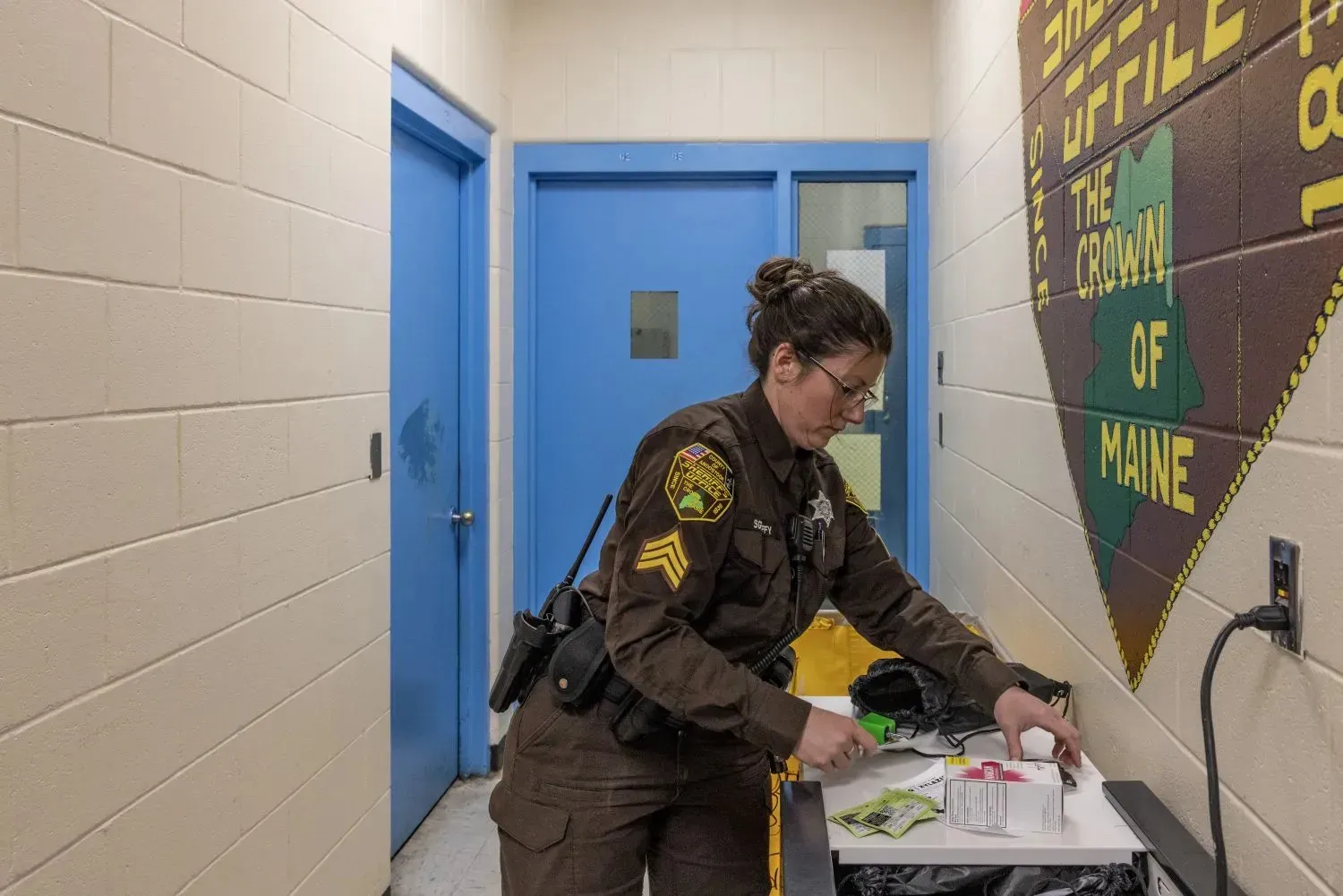
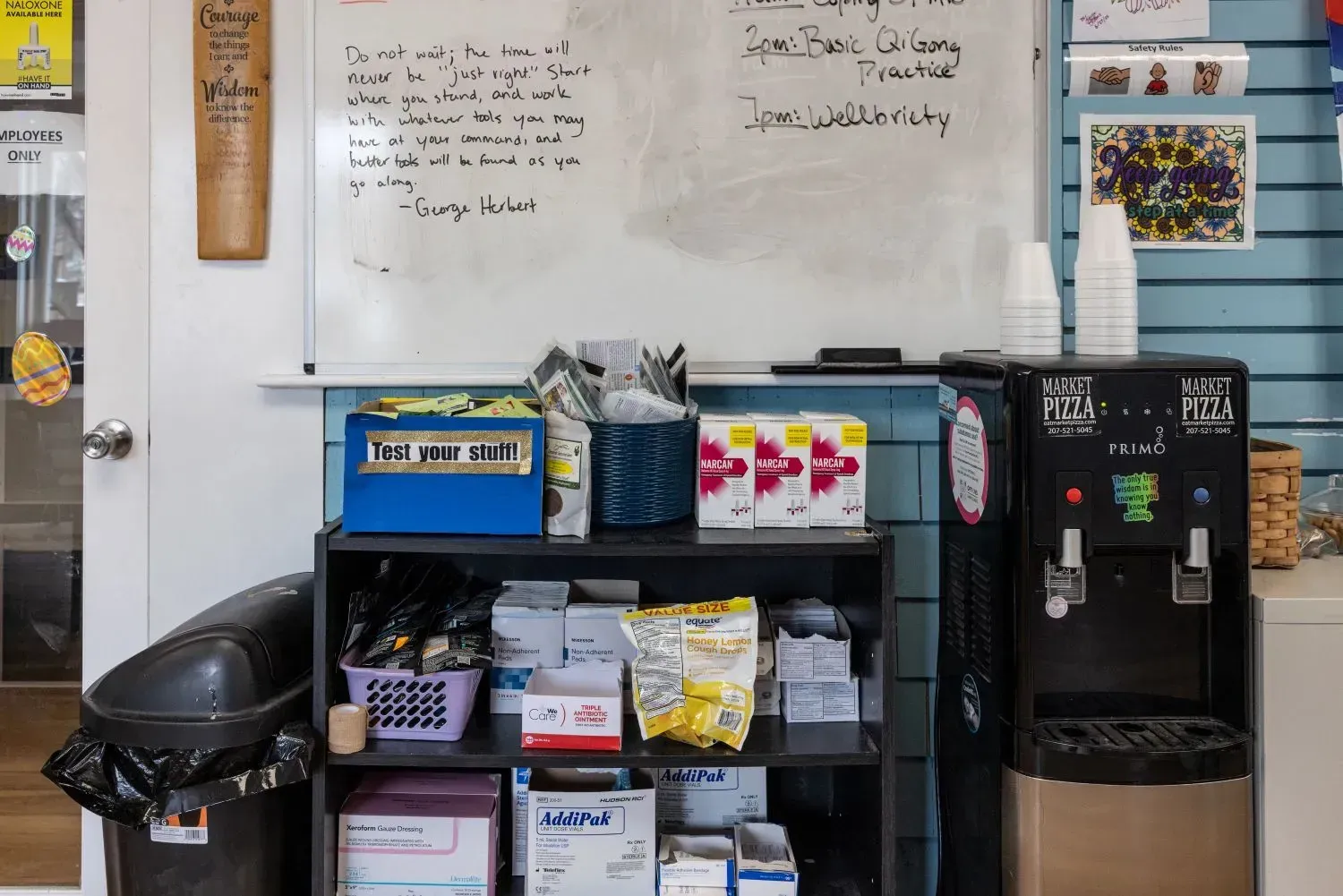
On their way out the door, corrections officers offer people getting released from the Aroostook County Jail in Houlton a bag with the opioid overdose reversal medication naloxone, drug test strips, a first-aid kit and a brochure for the Aroostook Recovery Center of Hope.
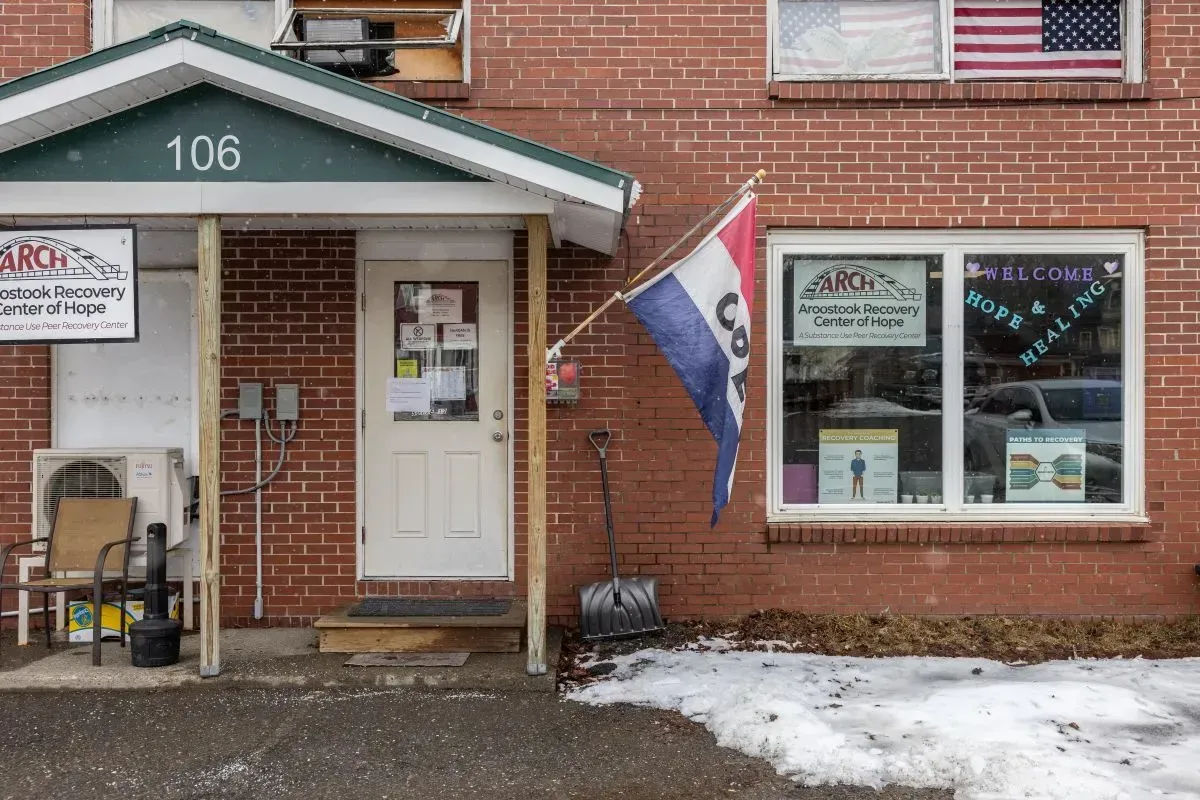
The recovery center, run by behavioral health provider Aroostook Mental Health Center, is a two-minute walk from the jail. With bright murals on its walls and shelves full of basic supplies, it offers group recovery meetings such as Alcoholics Anonymous, peer-to-peer recovery coaching, referrals to residential or outpatient treatment and other services, as well as the chance to connect with others going through similar struggles.
More than two-thirds of the jail’s prisoners have a substance use or mental health diagnosis, and many of them receive medication-assisted treatment while incarcerated. Yet just a fraction of the thousand or so people released from the jail last year made the less than half-mile journey to the recovery center, which opened in 2018.




As a nonprofit journalism organization, we depend on your support to fund more than 170 reporting projects every year on critical global and local issues. Donate any amount today to become a Pulitzer Center Champion and receive exclusive benefits!
That’s something jail officials, public health experts and advocates said they would like to see change. Providing addiction treatment within jails is one thing. Helping people stay sober after they leave is a whole other challenge –– but overcoming it could prevent people from overdosing or getting arrested again.
People with a criminal record — oftentimes one closely tied to their addiction — find it more difficult to find stable housing, a job, a doctor and reliable transportation. Research has shown that if people leaving jail are able to meet these needs they are less likely to return to custody. Navigating this transition requires not just the funding and staffing needed for a treatment program in the jail but robust re-entry planning and connections to a support network on the outside.
A growing number of recovery centers, including the one in Houlton, are looking for ways to help with this re-entry work. But coordination between jails and recovery centers varies across the state.
“If you’re able to start services before someone leaves and really build that bridge back to the community, then there’s potential to generate significantly improved public safety and health outcomes, including reducing rates of death from opioid overdose,” said Vikki Wachino, the executive director of the Health and Reentry Project.
Bridging care
Nationwide, opioid-related overdose is the leading cause of death among people recently released from jail or prison. Overdose rates among this group are also significantly higher compared with the general population.
But in Maine and elsewhere, people leaving jails have historically been left to navigate the transition back to their communities on their own, said Wachino, whose organization works to help improve access to health care for people leaving incarceration.
And jails, she said, are tough places to do re-entry planning. Unlike in prisons, where everyone in custody is sentenced, it is hard to predict who is coming into a jail and who is leaving on any given day.
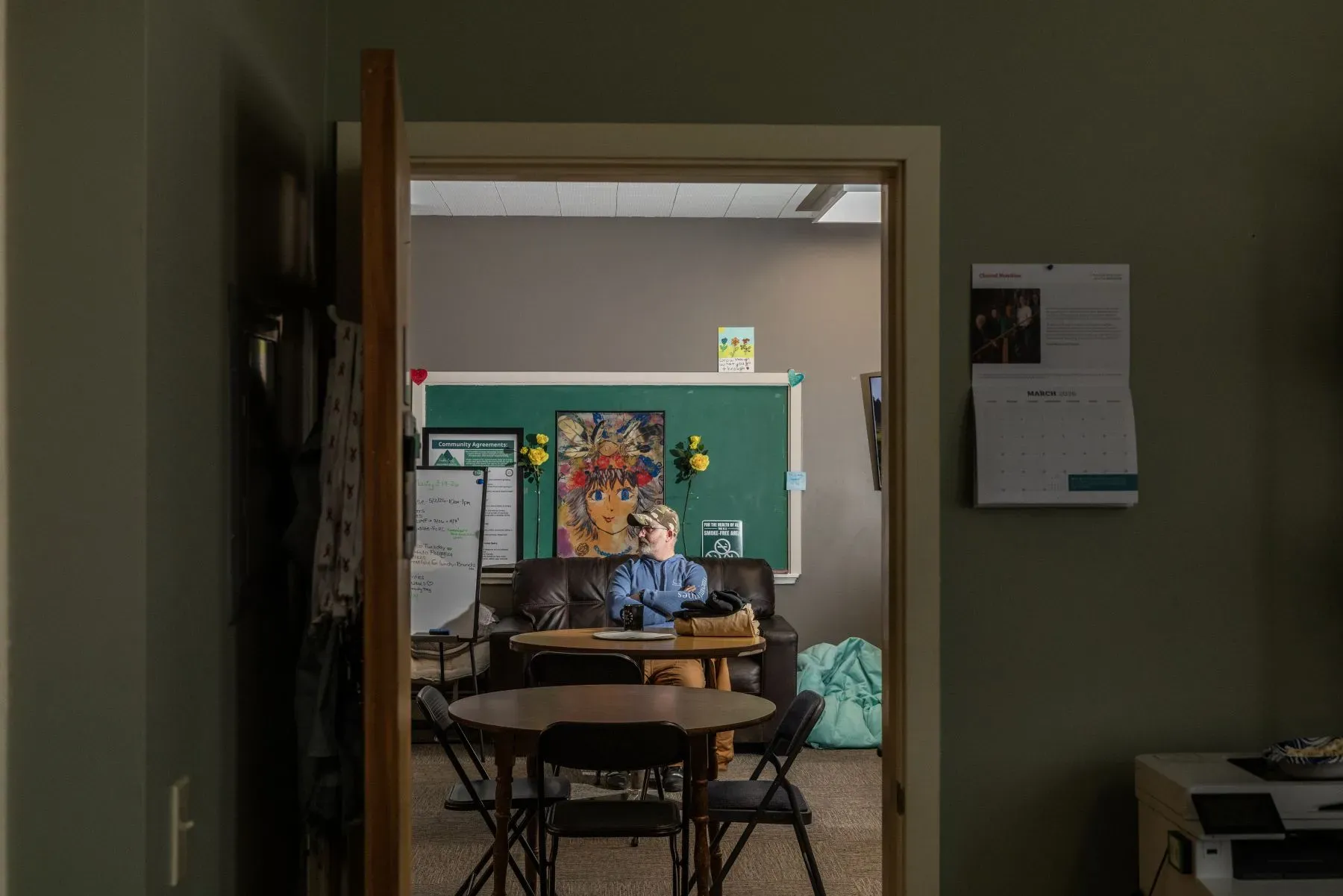
Most Maine jails piece together re-entry services from various sources. Every county has at least one liaison through the state-run Overdose Prevention Through Intensive Outreach, Naloxone, and Safety (OPTIONS) program, who sometimes meets with individuals directly in the jail. The Maine Department of Health and Human Services provides intensive case management services in the jails. These case managers assist prisoners in finding post-release health care, housing and other services. Other jails help set up referrals to a medication-assisted treatment provider and do other re-entry planning through their contracted medical provider.
Even still, jails can sometimes be a “black hole,” especially if prisoners have to make written requests to meet with case managers or to get services, for which there are sometimes long wait times, said Brandon Irwin, Cumberland County’s behavioral public health manager.
Whether local jails are successful in bridging a person’s care from custody to the community depends on the time and resources jail staff have available to them and can be “hit or miss,” said Dr. Lindsey Smith, the director of the Substance Use Research and Evaluation unit at University of Southern Maine’s Catherine Cutler Institute.
It’s often harder in Maine’s more rural areas. While telehealth options have grown in recent years following pandemic-era regulation changes, making access to treatment and counseling easier for people living in rural areas, not everyone leaving jails has a phone or computer, Smith said.
Even still, jails can sometimes be a “black hole,” especially if prisoners have to make written requests to meet with case managers or to get services, for which there are sometimes long wait times, said Brandon Irwin, Cumberland County’s behavioral public health manager.
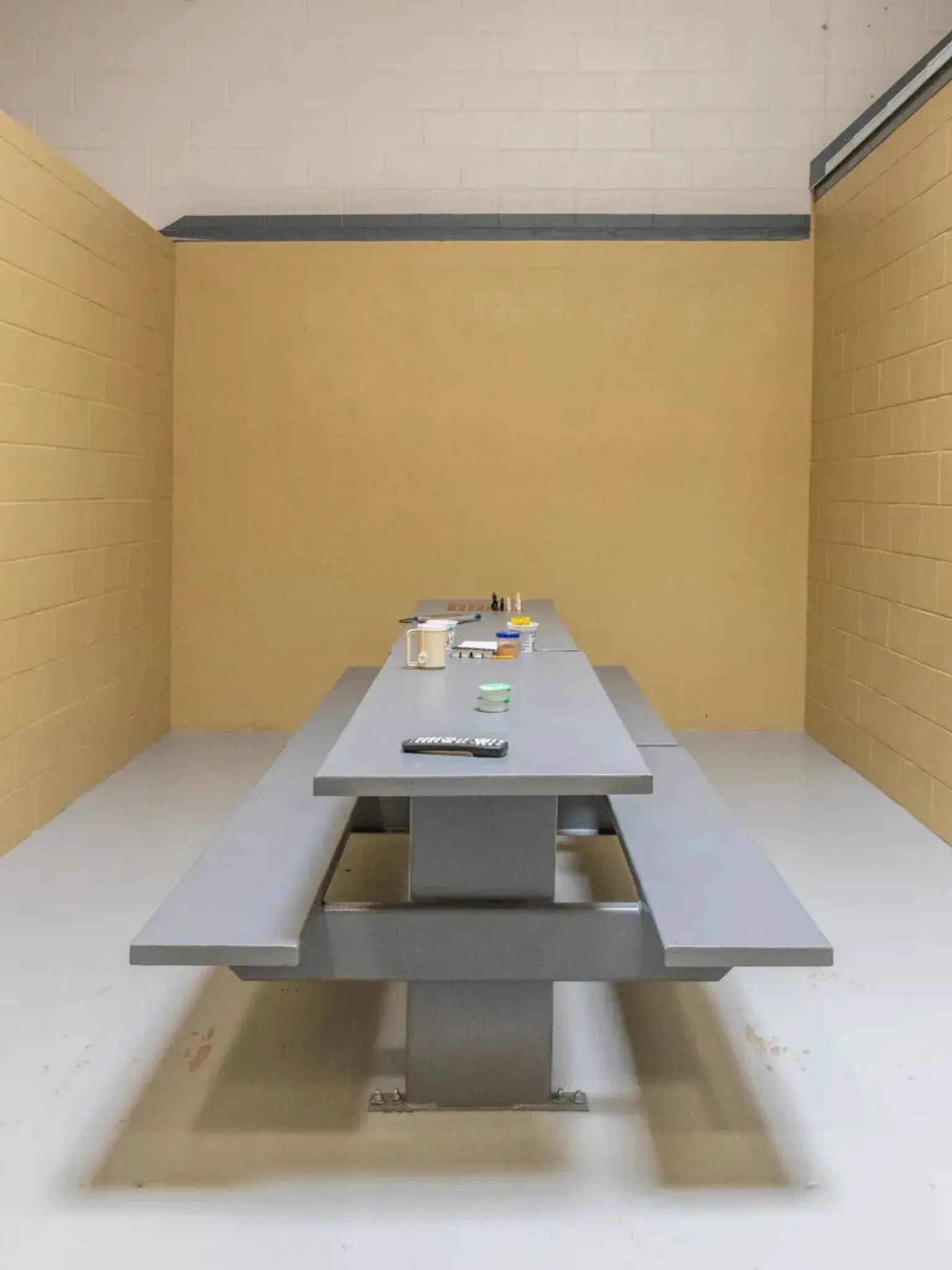
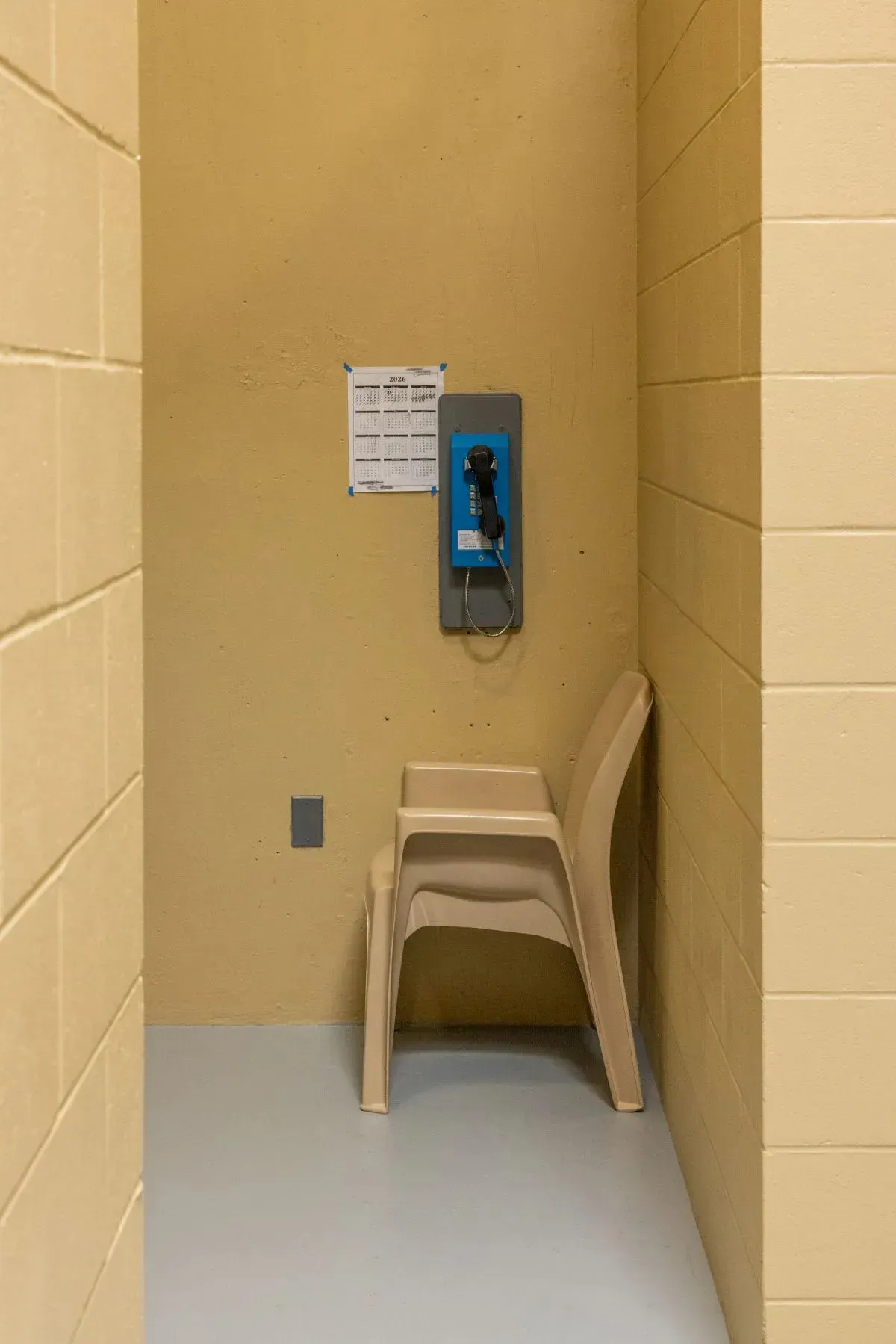
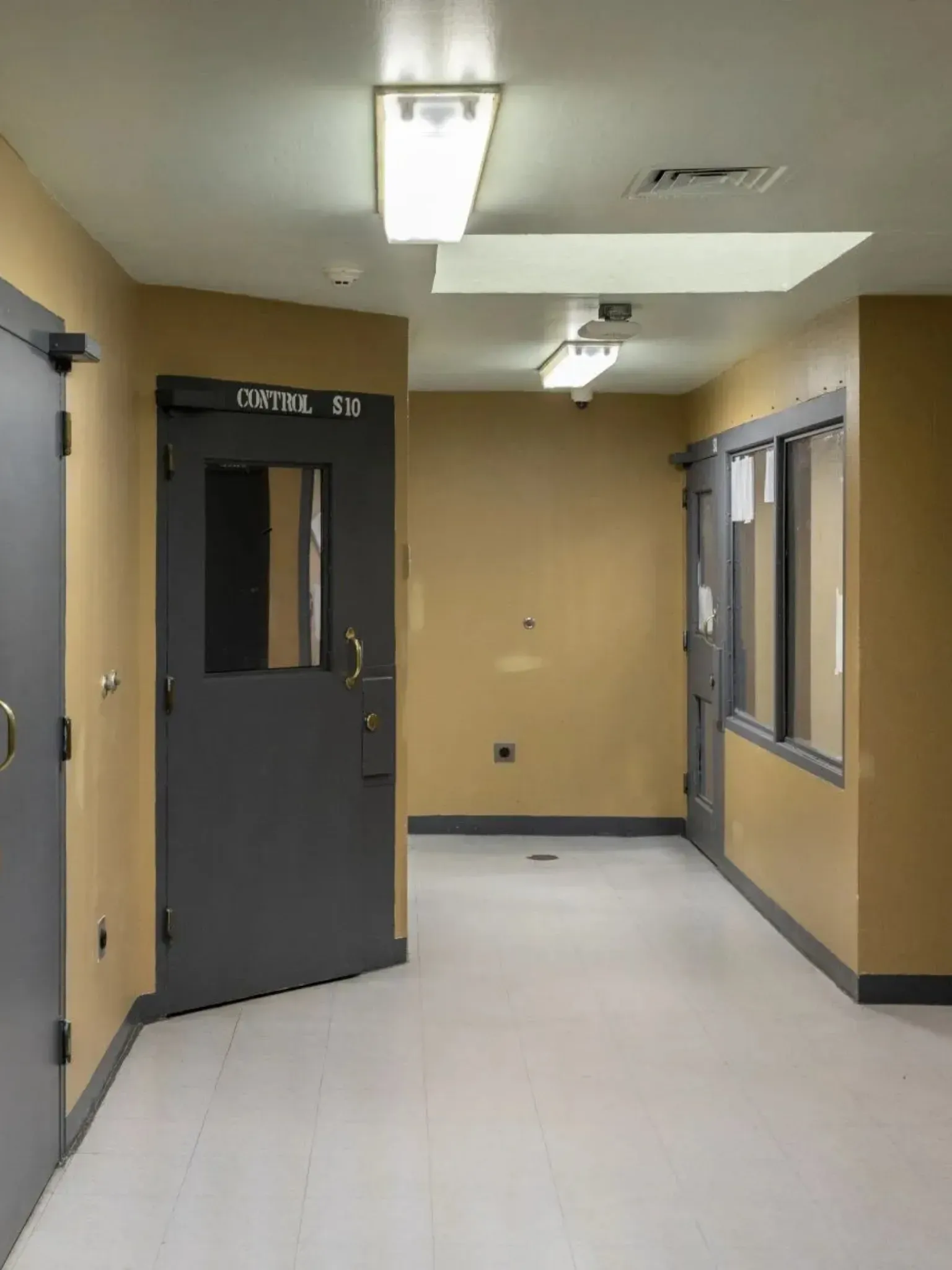
Interrupting cycles of addiction and incarceration takes more than just a prescription, said Ryan Paige, a Biddeford native in long-term recovery who co-founded AccessDirect Recovery Network to help connect people to treatment and recovery services.
Are there enough job opportunities, particularly for people with criminal records? Are there open beds at a recovery home, or affordable housing options? Are there buses or other ways to get around if people don’t have cars or can’t drive? Are there community centers where people can meet and build relationships?
Meeting people where they’re at
Many of these challenges are visible in Aroostook County. As of June, the only inpatient detox facility in the county had no physician to staff it. There are just three recovery homes. The only warming shelter is in Presque Isle, about an hour drive from the jail.
Without much of a social safety net, people often return to the same circles they ran with before they went to jail because “that’s what they’re used to,” jail nurse Lea Riley said.
Prisoners, once they get past withdrawal, “almost, like, blossom,” she said. “And when they get out they wilt. But you can just see the potential that some of them have. It’s sad.”
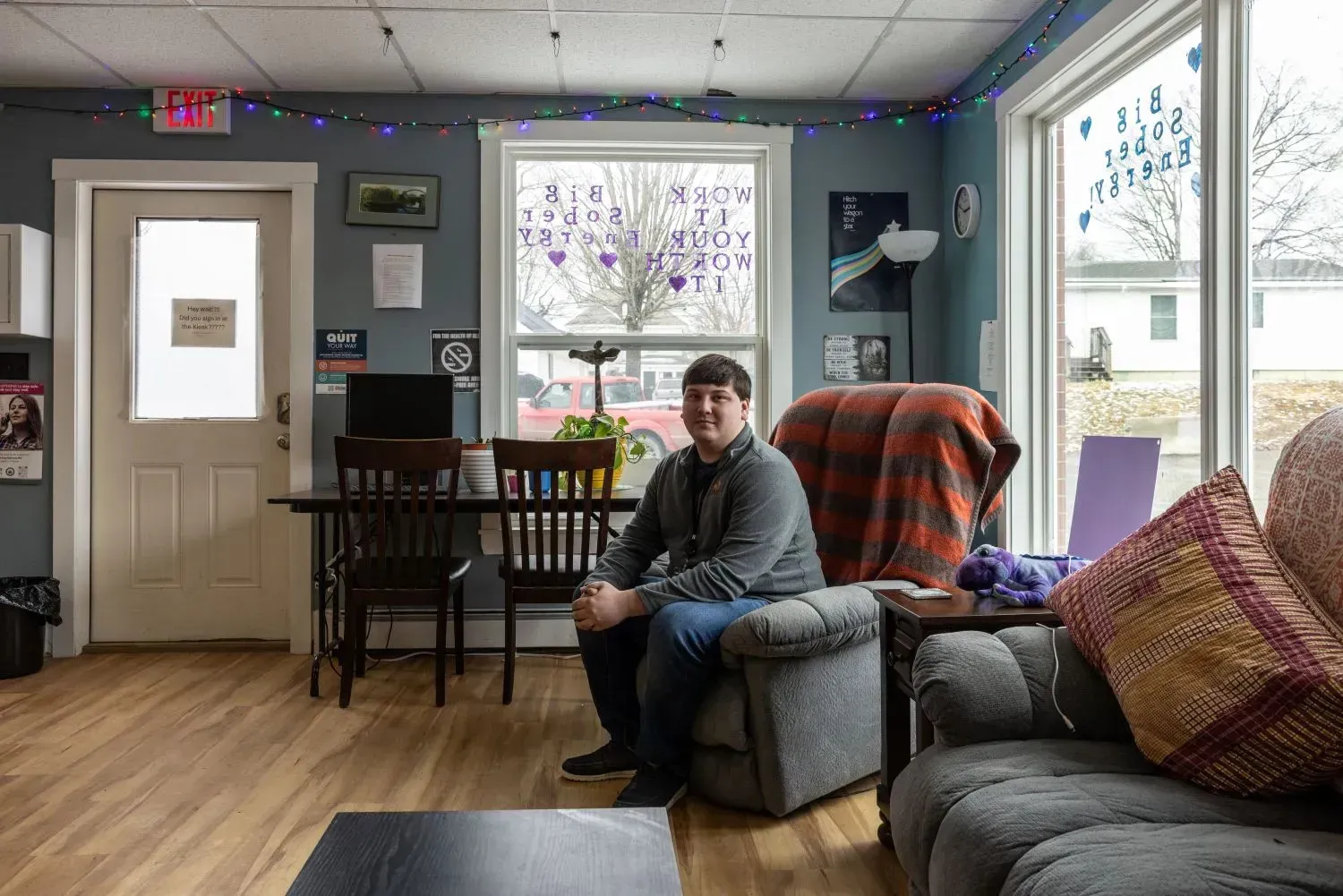
There’s a certain lack of hope that things can be different. “A lot of them come in, and they have the mindset, ‘I’m going to get out, and I’m going to use again,’” Riley added.
Tessa O’Donnell, a peer recovery coach at the Aroostook Recovery Center of Hope, has seen that play out. People typically walk into the center in the “contemplation phase” of their sobriety. But building a rapport with people who have struggled with addiction for a long time and often feel uncomfortable around professionals, even those like O’Donnell who herself is in long-term recovery, is a challenge, she said.
“I think there’s a lot of stigma in Houlton, and it keeps people from feeling comfortable to get into recovery,” she said. “And if they don’t have to, they’re not going to.”
When people finally step into the recovery center for the first time it is often because they’ve run out of other options. The center does its best to “meet people where they’re at,” O’Donnell said.
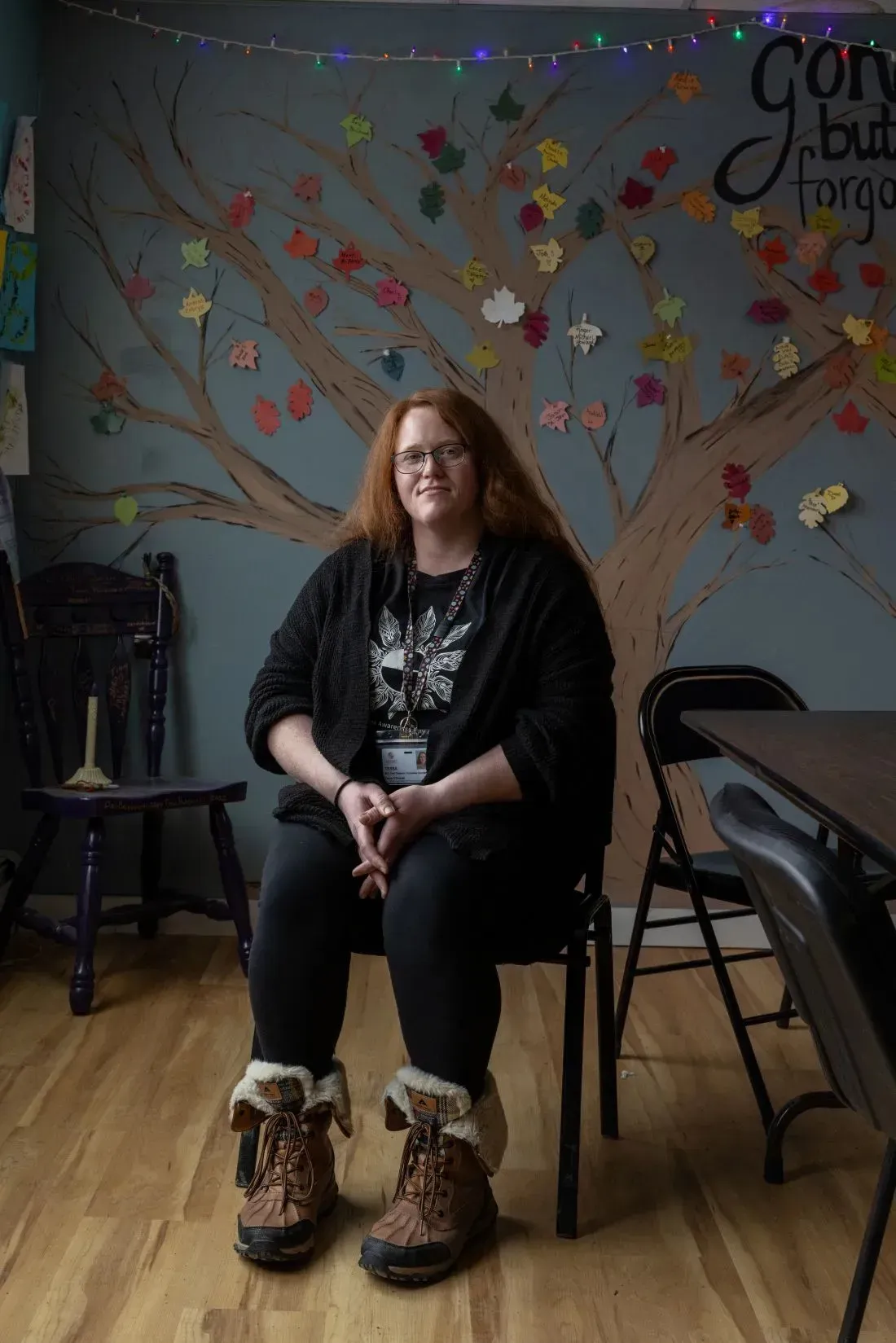
Center staff tries to connect people to inpatient detox programs and sober living options, but they must be open to that help. Plus, getting people to where they need to go can be complicated.
Most of the people who come through the center are on MaineCare, and the residential treatment beds it pays for are at a premium across the state as facilities see high demand and staffing shortages. If there isn’t a bed available immediately, staff will encourage people to call back every day until one opens up, or will make the calls themselves.
Many resources are not local. O’Donnell said the center can get bus vouchers to go an hour north to Presque Isle, where the county’s only warming shelter is located, and can sometimes get vouchers for people heading south. Other than that, staff work with OPTIONS and AccessDirect to find rides, though there isn’t always one immediately available.
Sometimes, O’Donnell said, the difference between getting someone to the services they need and never seeing them again comes down to whether they come in on a Monday morning or a Friday afternoon.
‘I did not know recovery existed’
In Piscataquis County, one recovery center hopes to show people that lasting recovery is possible. But it is still working to get people leaving the nearby jail in Dover-Foxcroft to come in.
The Recovery Wellness Community Center opened in a former Catholic church in Sangerville in October 2024 with funding from the Maine Recovery Council’s share of opioid settlement money. Prior to its opening, Piscataquis was the only county in the state without a recovery center.
Its program director Alan Burgess has volunteered at the jail since December, providing peer recovery support to about half a dozen people so far. But no one released from the jail has come through the center’s doors yet. He cautioned that it’s still early days: It takes a long time to build those relationships, he said, explaining that he knows how tough it is to get and stay sober living in close-knit Piscataquis County.
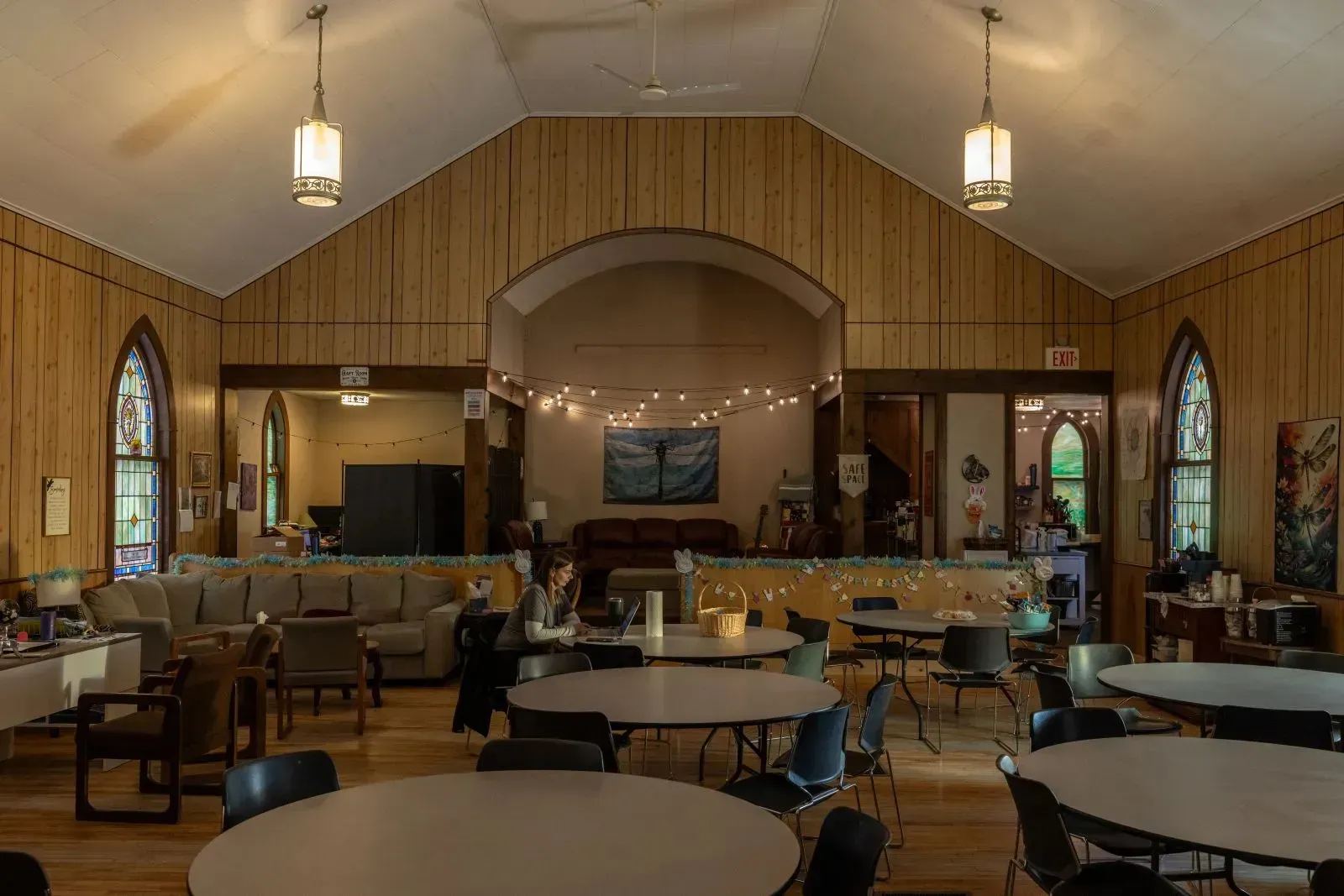
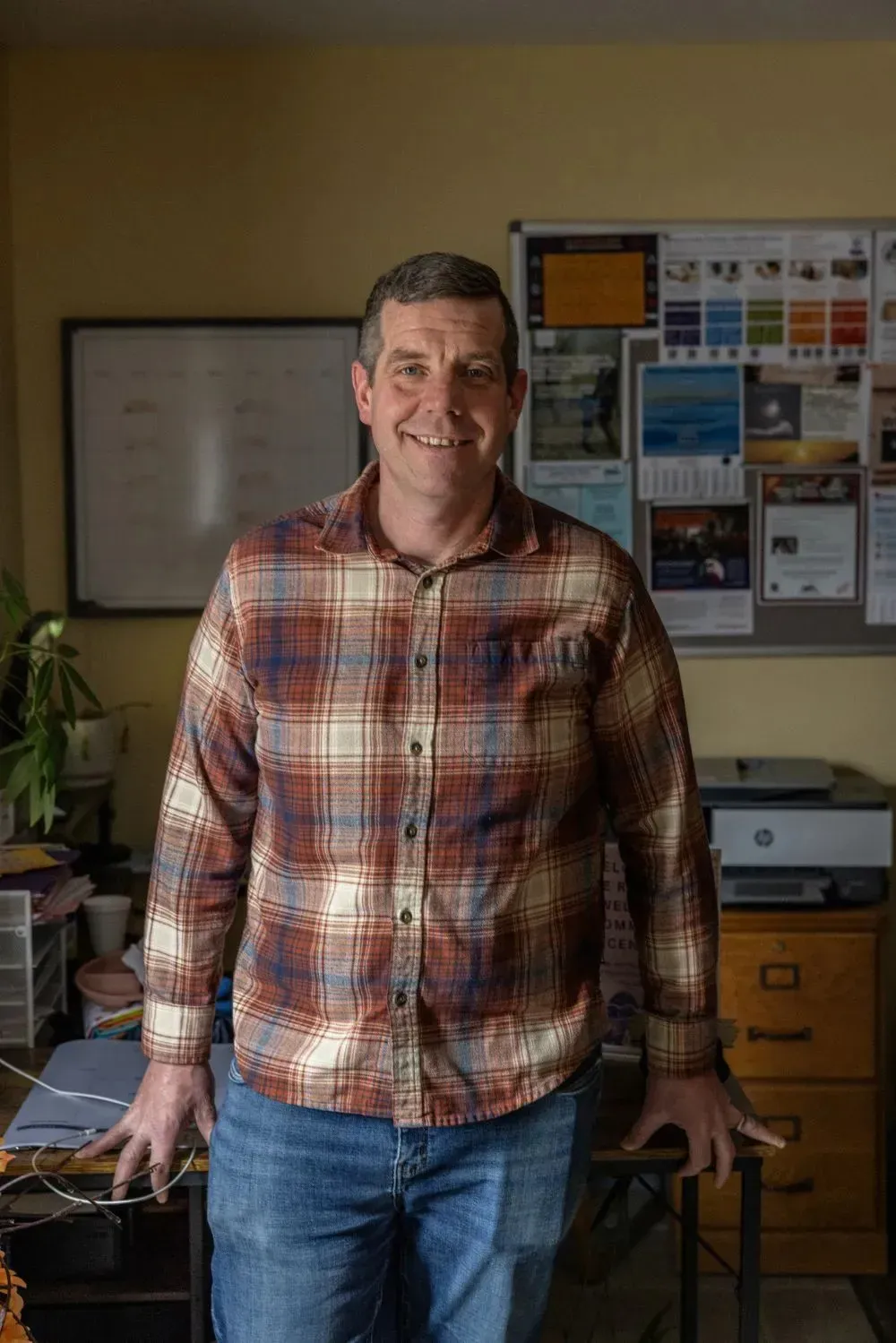
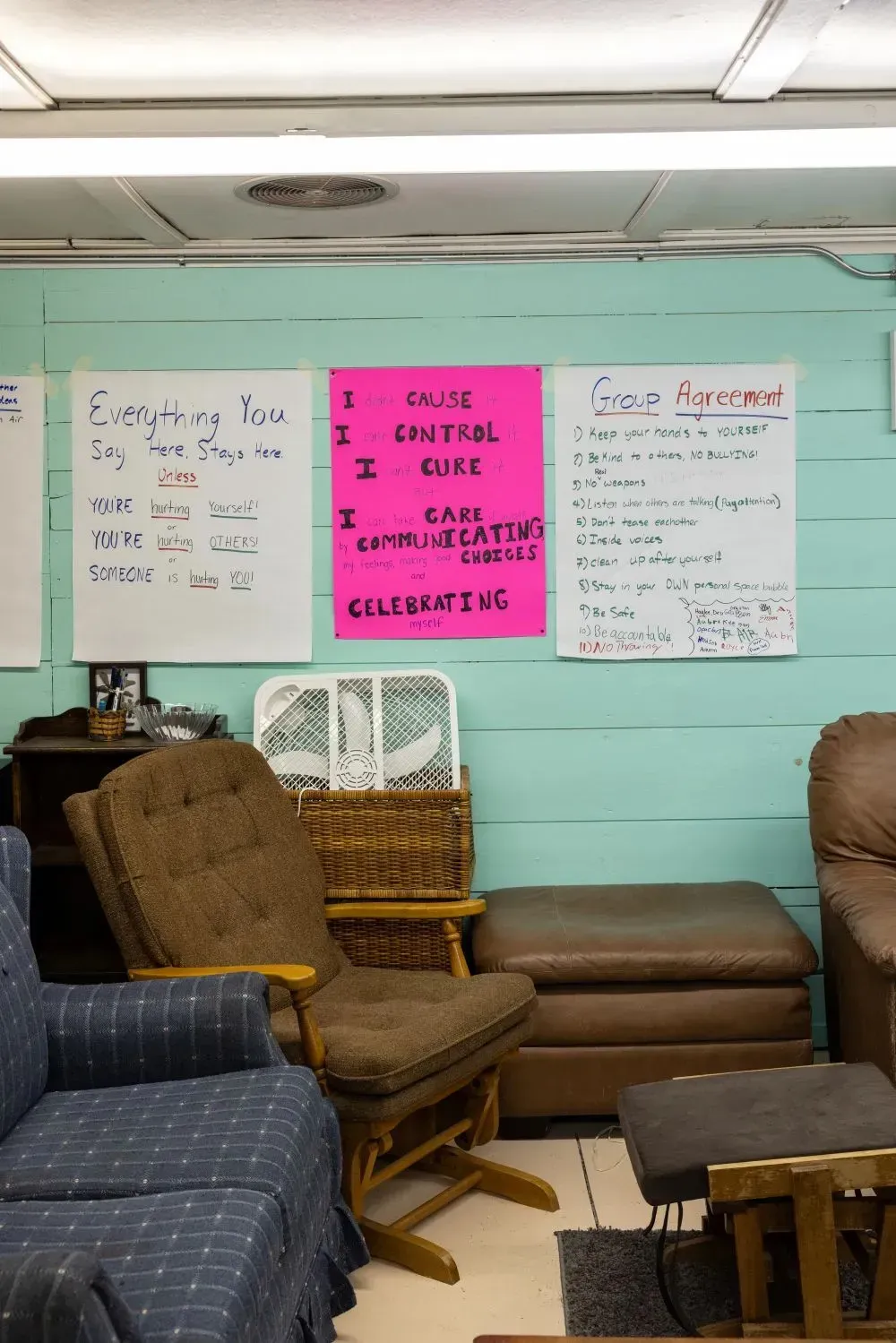

Burgess grew up in nearby Guilford at a time when prescription painkillers were everywhere, he said. He described himself as a “partier” in high school who smoked a lot of weed and sometimes took pills. As he got older, his prescription opioid use worsened. When the state and federal governments started cracking down on overprescribing in 2016 and 2017, heroin replaced prescription opioids “practically overnight,” he said.
Burgess kept his drug use a secret but “it just absolutely took over my life,” he said. He eventually realized he had to tell his wife and get help. He got into a detox facility and later found a 12-step program. In June, he celebrated seven years in recovery.
“I only knew people that were either addicted to drugs or never had been. I did not know recovery existed,” Burgess said. “And in that world, what I always heard is, ‘You don’t get off this. Nobody gets off of this.’”
The fact that he did not end up in handcuffs is an anomaly, he said, adding that ensuring prisoners in county jails have access to re-entry and recovery resources is a “no-brainer.”
Burgess is trying to build connections within the Dover-Foxcroft jail so that people know exactly where they can go when they get out: the Sangerville recovery center.
“It’s very lonely to be in addiction and want to stop,” he said.
Beyond medication
In Franklin County, the jail has tried to take a more active role in helping prisoners transition back into the community.
With a $1 million grant from the U.S. Department of Justice’s Comprehensive Opioid, Stimulant, and Substance Use Program, the jail was able to bolster its medication-assisted treatment program and hire a full-time re-entry coordinator and two dedicated corrections officers.
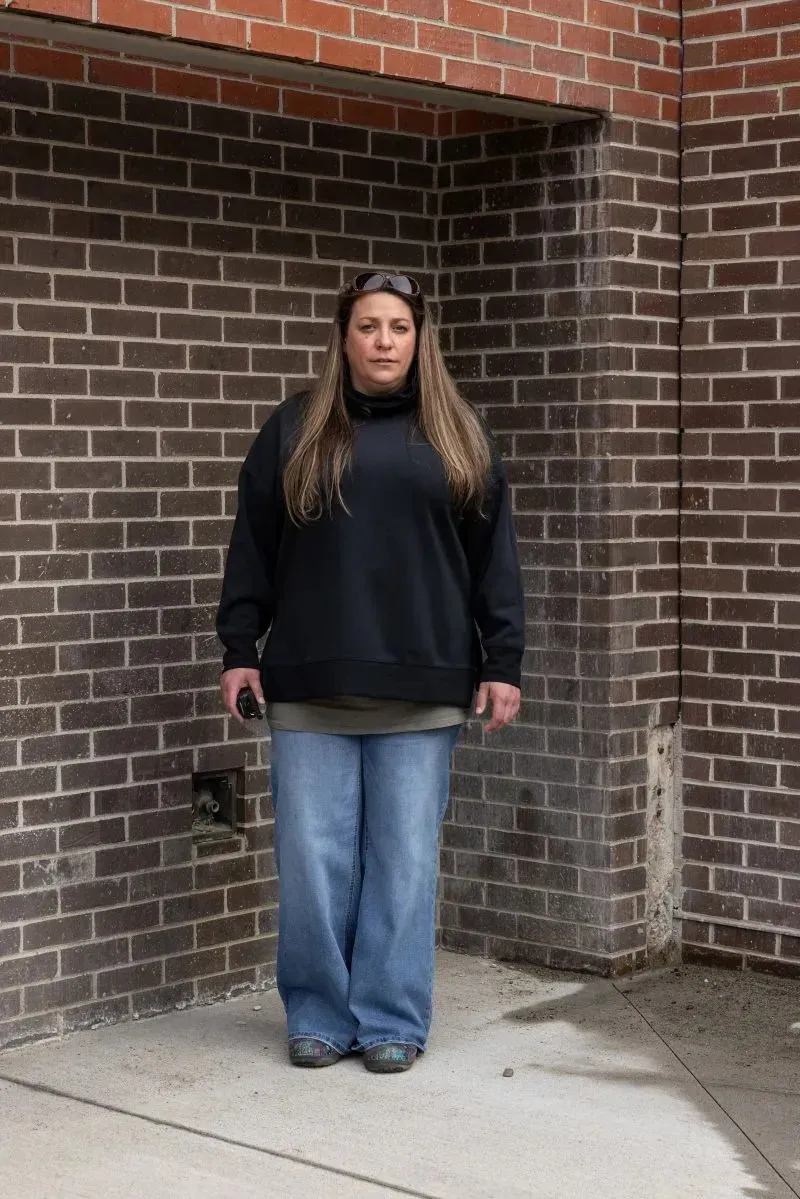
“The medication by itself is not going to work,” said LeeAnna Lavoie, who leads MaineHealth’s community health program in Farmington and helped the jail get the grant. The jail needed to bolster its in-house programming beyond only Alcoholics Anonymous meetings, she said, and it had to provide staff training and education that encouraged a restorative culture over a punitive one while also implementing new data-collection practices.
When the re-entry coordinator, Alison Prior, started last August, the jail didn’t have enough space for her to meet privately with prisoners. The jail ended up knocking out a wall in a closet to make her an office. The county also used pandemic relief funds to build a new medical wing, which opened in late June.
Prior’s goal is to “meet as many needs as possible.” She tries to find bed-to-bed transfers –– where prisoners are released on personal recognizance to finish the remainder of their sentence at a recovery home or treatment facility –– or a referral to a rehab program.
Cheryl Rackliff, the DHHS intensive case manager assigned to the jail, makes sure prisoners are enrolled in MaineCare upon their release. Prior gives everyone leaving the jail, regardless of whether they’re getting transferred to a prison or released back to the community, her cell phone number.
Getting anyone willing and qualified into recovery housing is “ideal,” Prior said. She works with Kennebec Behavioral Health and the Franklin Community Action Program to find beds at recovery homes.
Prior, who was previously a community health worker with Healthy Community Coalition of Greater Franklin County, said Farmington has a lot of recovery resources. Franklin Memorial Hospital is 10 minutes away from the jail. The Franklin County Recovery Center shares a building downtown with the OPTIONS program, as well as the Literacy Volunteers of Franklin and Somerset, which provides free tutoring.
Since opening in April 2023, the recovery center has had a return rate of 85 percent, program management specialist Kristen Webster said.
“Some are coming because they need a very specific resource and then they’re moving on,” she said. “But many are coming back.”
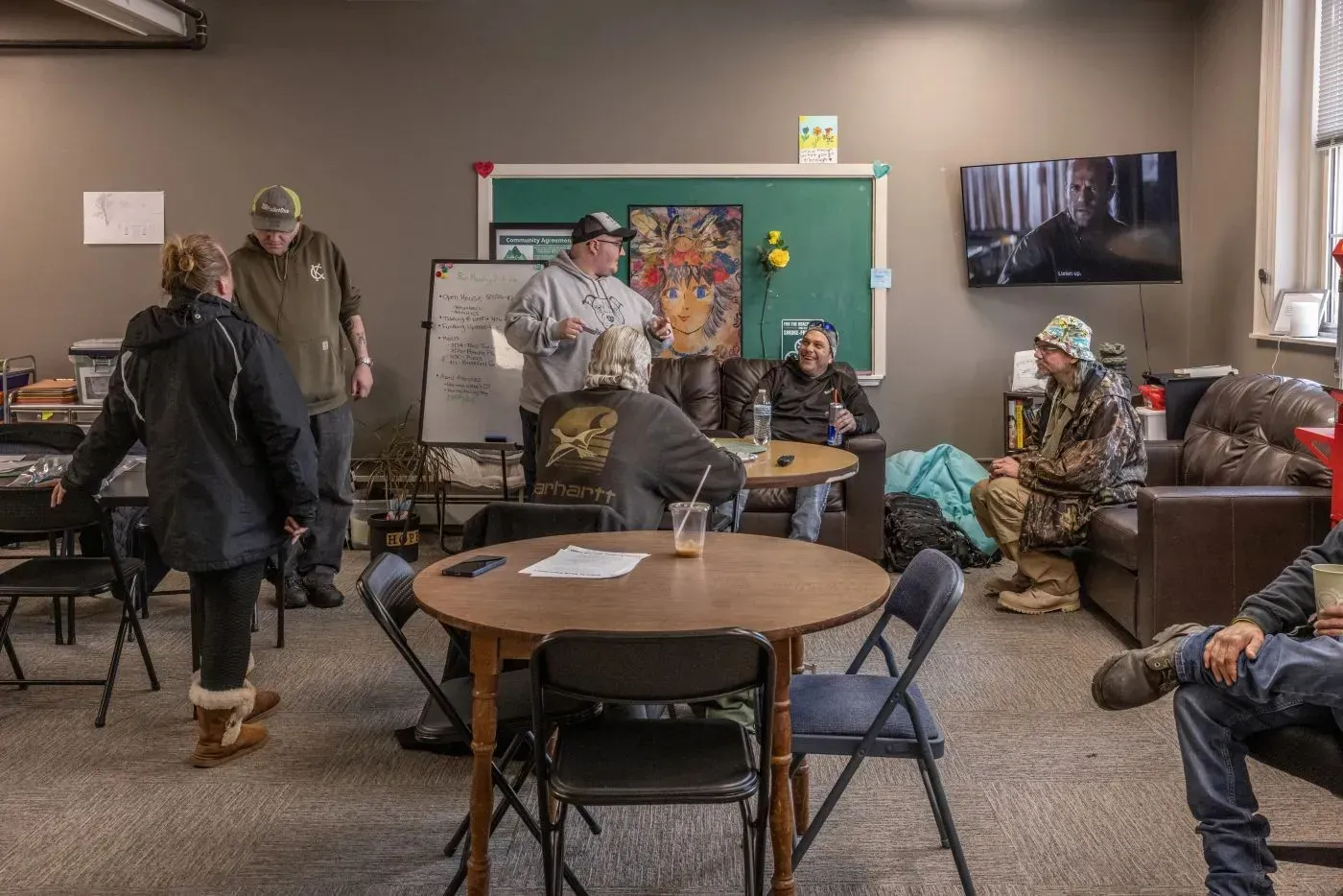
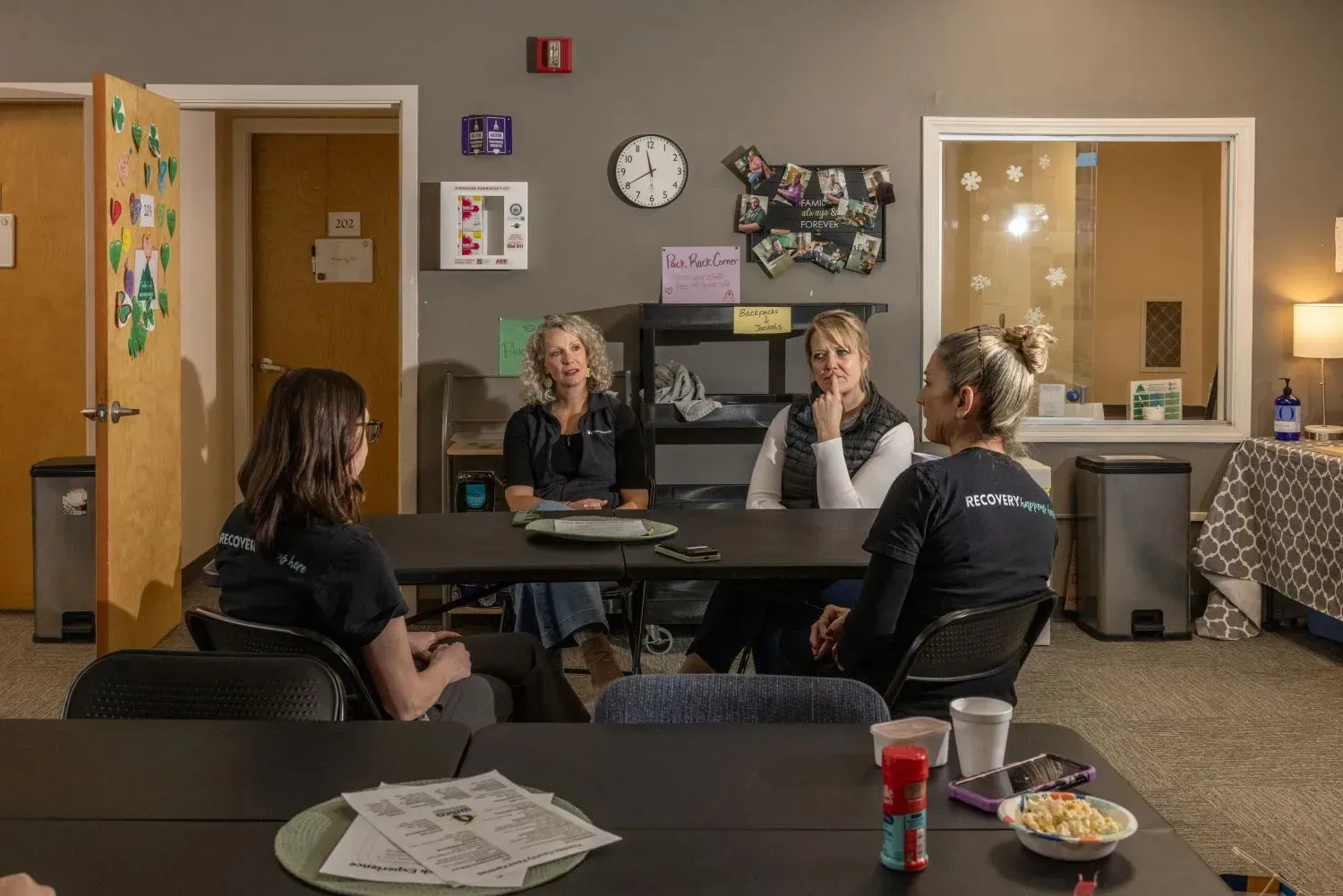
In addition to on-site recovery support and coaching, the center has partnerships with several community organizations that provide housing navigation, career development, food assistance and more.
“Unfortunately, many of our population have been unhoused –– and this is theirs,” Webster said, gesturing behind her to the warmly decorated space filled with couches and tables and chairs. “This is their home. This is their safe space.”
Outside of Farmington, however, finding support can be more of a challenge.
Franklin County’s only recovery home, Summit House, closed in February after three years in operation. There’s one warming shelter in the county and it opens infrequently. Prior can often find beds at recovery residences outside of Franklin County, but transportation is tough.
The jail can purchase bus passes, but it also relies on a network of case managers, OPTIONS liaisons and others to help people get from point A to point B. Oftentimes, Prior is driving people herself.
Manny Reis, the county’s OPTIONS recovery coach, said he “can’t even count” how many people he’s picked up from the jail. He calls himself a “sober taxi,” making that last-mile connection for people leaving the jail so they don’t immediately return to old habits.
“If I can make it where you’re not walking down the street and you’re going to walk to your dealer’s house, and I can drive you home and I know you’re safe,” he said, “I’ll do it all day.”