Story
 June 26, 2026
'The Heart of Sheffield Is You': Building Refugee Sanctuaries Across the U.K.
Country:

What a sanctuary city looks like and what it asks of neighbors, communities, and politicians
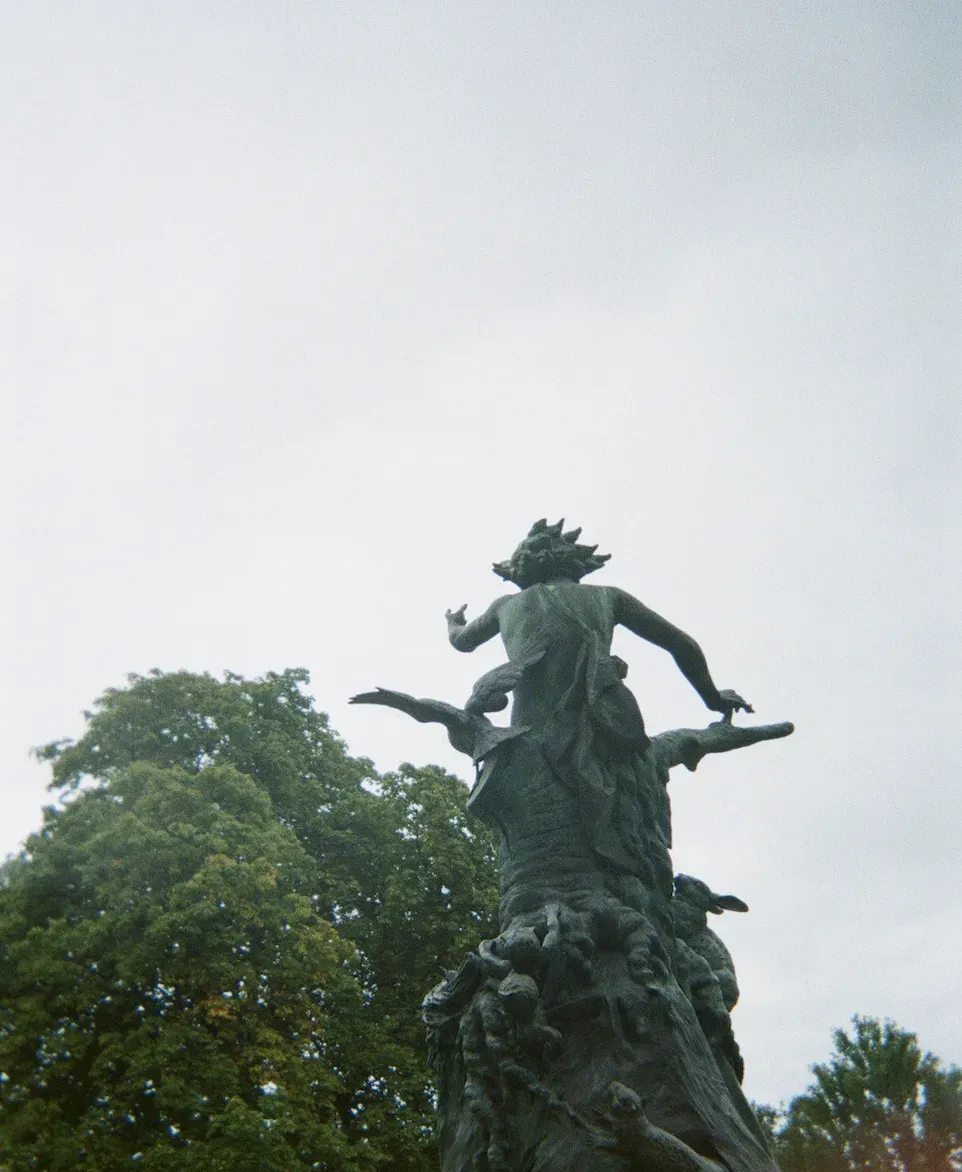
Solange hadn’t seen Rwanda’s landscape in years, but when she encountered Sheffield’s Peak District, with its rough boulders, birch trees, scrubby vegetation, and abundant heather, it felt like home.
Solange (whose name, like several others in this story, has been changed to protect privacy) traveled to South Sheffield with a group of young asylum seekers and refugees taking part in a photography course run by Clare Risbeth, a professor from the University of Sheffield’s School of Architecture and Landscape. Participants from Rwanda, Liberia, and Afghanistan visited parks across Sheffield and learned photography skills from a community media group. Risbeth’s goal was to offer “a sense of fun through doing something completely different from living quite isolated lives … learning a new skill, and [giving] a sense of dignity and a sense of release from all the pressure and worry.”
Risbeth shared with pride that Sheffield is known as having a “very strong collective ethos” and a community network ready to fight back. It’s a city aware that “a workforce isn’t built on commerce and trade; it’s built on labor and rights.” As Risbeth explained, the north of England has always felt somewhat isolated from London and the U.K.’s corridors of power. Whether this is due to an innate sense of independence or the neglect experienced after industrial decline, she can’t say.

As a nonprofit journalism organization, we depend on your support to fund more than 170 reporting projects every year on critical global and local issues. Donate any amount today to become a Pulitzer Center Champion and receive exclusive benefits!
Risbeth was quick to offer me a warm cup of tea, and we chatted as she fixed it for me in a quiet spot on the top floor of the University of Sheffield’s Arts Building—a 20-floor behemoth in a neighborhood of single-story buildings. Risbeth talked to me about the twists and turns her career has taken, and her relationship to Sheffield. Trained as a landscape architect, she moved into academia after years in practice. Her research focus has been on how diverse communities relate to space, and how urban spaces can respond to community needs.
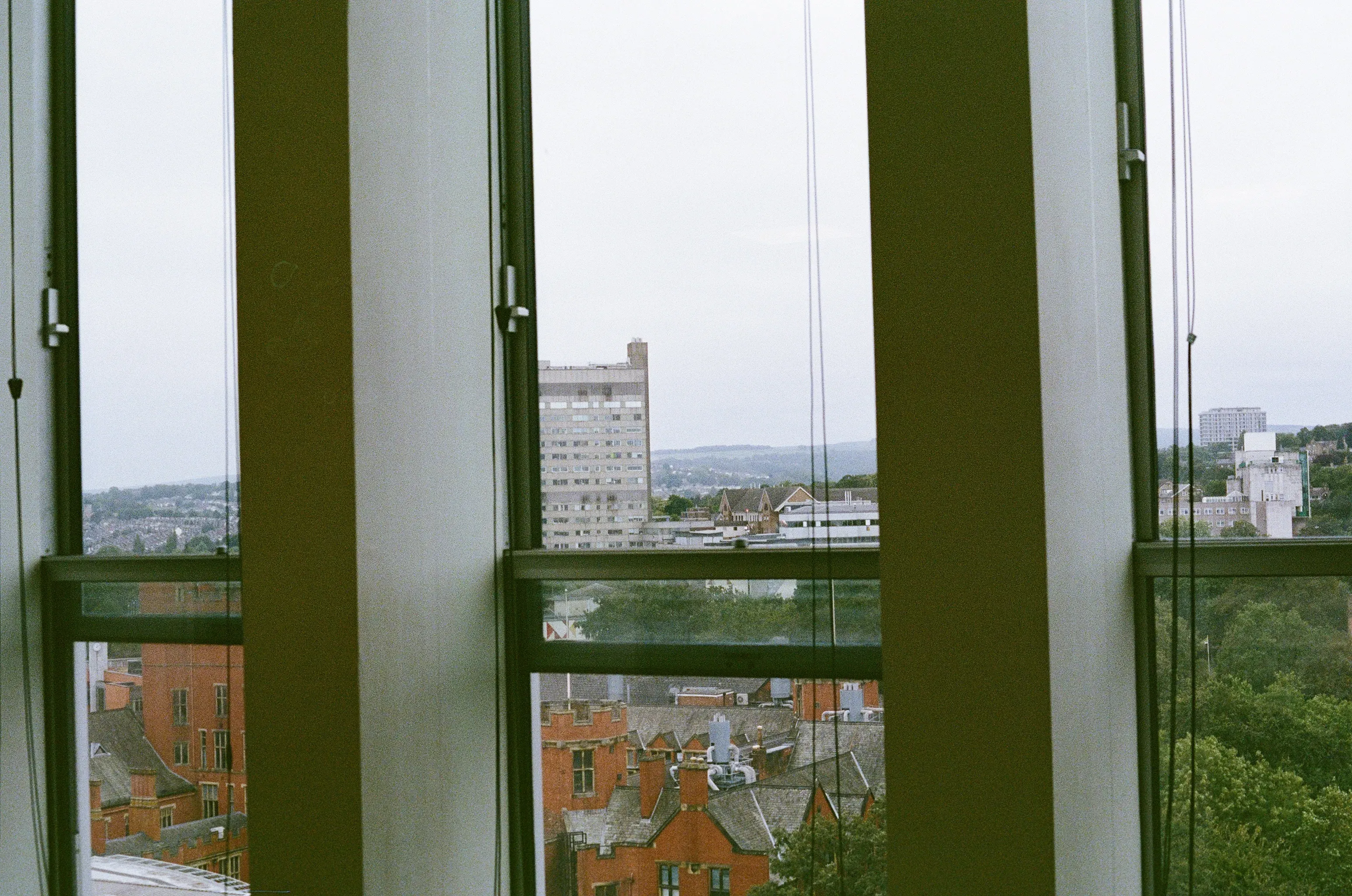
We walked around the 10th floor, and through its wall-to-wall windows I witnessed the entirety of the city’s sprawl. Risbeth pointed out the city’s geography, and in doing so its history: to the north, the Peak District—the U.K.’s first protected parkland; east, the epicenter of Sheffield’s steel industry; west, factory warehouses; and neighborhoods like Kelham Island, once a migrant hub, now gentrified. The River Don flowed through the city, a constant thread in Sheffield’s story.
Back in her office, backdropped by a pinboard cluttered with student projects, excerpted articles, and notes jotted on Post-It, Risbeth explained her interest in how people develop attachment and belonging through time in a space. But she recognized that a temporal focus sometimes limits openness to new engagements or quick attachments. She was fascinated by how connection to place can develop for newcomers, particularly refugees, regardless of time spent there.
The photography course was among her first research efforts. She was inspired by how participants like Solange connected their new environments with their roots, using nature as a bridge between novelty and nostalgia.
Some participants remained fearful throughout the course. They expressed anxiety about going somewhere they weren’t allowed, and facing deportation, or other kinds of trouble. Some of Risbeth’s students found comfort not in parks but in other sorts of green spaces, including cemeteries. Others were unfamiliar with the idea of outdoor leisure spaces. Safety perceptions around parks varied widely. Understanding the experiences and associations that new arrivals brought to Sheffield’s green spaces must inform their design. In cultivating a sanctuary, it is critical to take into account the many meanings the term can take on.
As the Syrian War drove thousands to Europe, the City of Sanctuary movement gained momentum. Risbeth began “Refugees Welcome in Parks,” aiming to apply her bench study’s insights to broader inclusion in green spaces. She sought to hold benches up as a symbol of access and welcome, and an important tool in and of themselves.
Amid concerns across the U.K. about “antisocial behavior,” measures like noise devices targeting teenagers and hostile architecture like spiked benches, or removal of seating had become common in public spaces. She was infuriated by these measures, which were hypocritically antisocial in and of themselves. She saw benches as symbols of inclusion and dignity—public resources like the National Health Service (NHS), which ought to be available to whoever needed them.
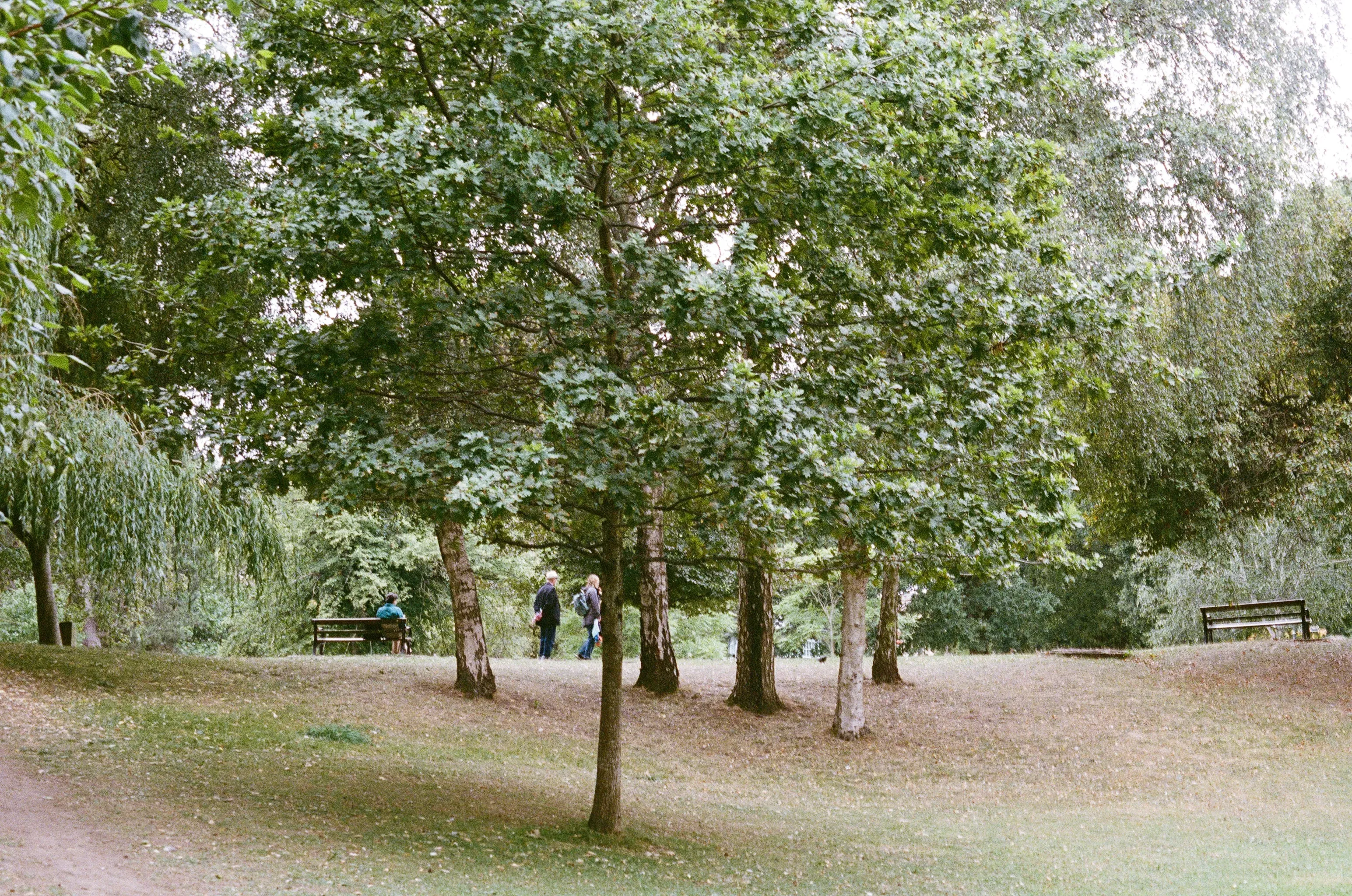
The park bench study spanned Sheffield, East London, and Berlin—contrasting Germany’s welcoming policies under former Chancellor Angela Merkel with the U.K.’s Conservative government’s perceived hostile environment. Risbeth’s team worked with both refugee support and green-space management sectors, noting differing priorities and a lack of awareness about latent barriers to park access. Park managers often assumed their spaces were inclusive, while refugee services neglected green space in their efforts to focus on essentials like housing and legal aid.
Risbeth’s team’s goals were to create resources promoting green space inclusivity and encourage change in park and refugee sectors. They organized Conversation Clubs and language resources to help newcomers build networks and feel ownership of space. They also arranged rural retreats and community gardens, hoping to create opportunities for connection, optimism, and grounding.
Risbeth was reminded in this project that green space does not always mean sanctuary. There are inherent risks involved in any public activities. Many of the people she worked with experienced trauma related to the outdoors. She had to contend with racist hecklers at some of the outdoor activities she organized. Sometimes, she admitted, indoors is easiest. While nature benefits mental health, the idea that “going for a walk will make you feel better” can be culturally loaded and even alienating. Yet her findings were clear: Access to welcoming outdoor spaces improved well-being.
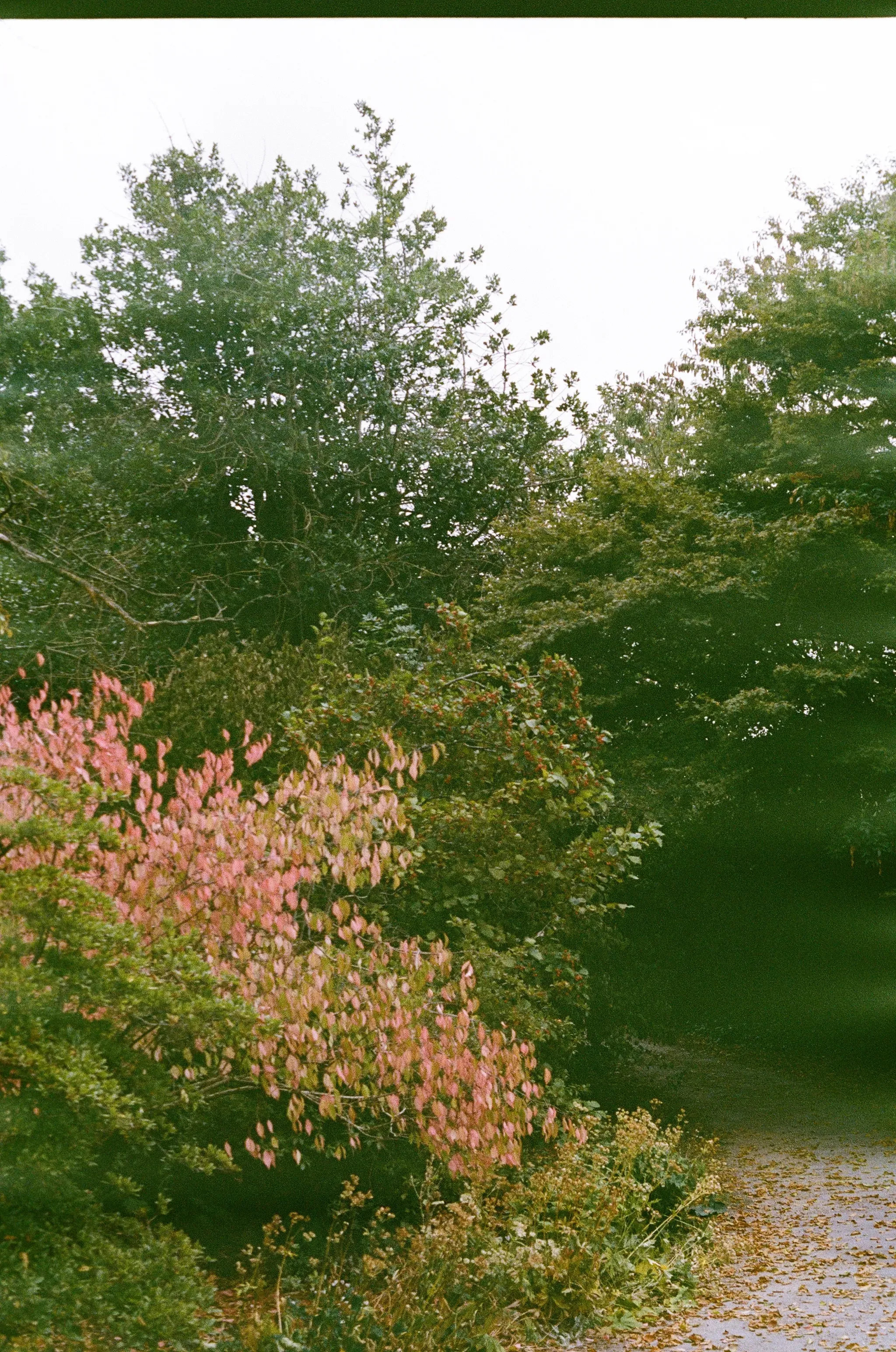
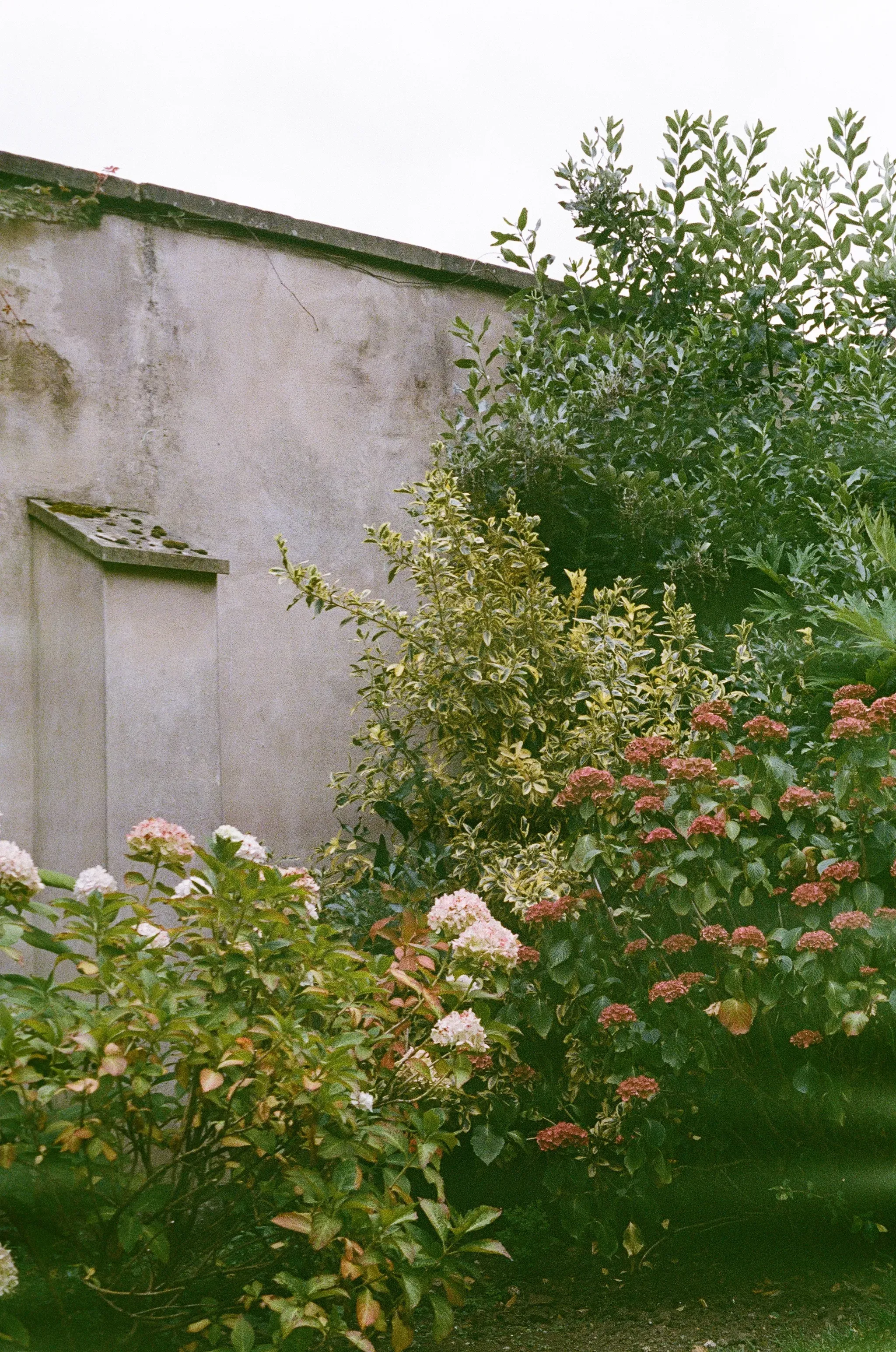
“You can’t expect people to feel better in parks if they have no one to chat with,” she added, noting that welcoming efforts must accompany expanding access to parks.
In response to her green space advocacy, refugees often asked Risbeth: “Why would I feel better? Who would I go with? What would I do there?” She supported initiatives like mapmaking and mental health programs that help newcomers engage with green spaces meaningfully.
Her work focused on opening doors and making resources clearly available to new arrivals, supporting collective efforts to help people connect to new places and communities.Risbeth acknowledged that safety and legal rights remain primary concerns for support groups like City of Sanctuary, but she also emphasized quality of life and daily manageability. Green spaces are essential to a holistic sense of sanctuary.
Unlike more top-down Sanctuary City efforts abroad, the U.K.’s movement offers a “sense of collective recuperation” and intersectionality. Risbeth hopes to integrate Refugees Welcome in Parks work with formal integration programs City of Sanctuary and others provide.
Similar initiatives are underway in Elmbridge, a quiet borough in Surrey where a group of volunteers formed Elmbridge CAN in response to the U.K.’s 2015 Syrian resettlement scheme. What began as an effort to support a handful of families has grown into a community-based organization offering dispersed support for asylum seekers across the region. The group runs English classes, drop-in hubs, one-to-one mentoring, and practical aid like small grants and donated furniture.
But more than services, what they provide is solidarity—something rooted in trust and proximity.
“Some people we’re in touch with every day,” said Jeannie Tweedie, the co-director of Elmbridge CAN, a community-based charity in Surrey that supports refugees and asylum seekers. “There’s no end to the need—but you do what you can.”
As in my conversations with Risbeth, questions about what sanctuary means, how such a network of support can be cultivated and sustained, and how to pair an ethical ideology with productive political action, remained at the surface.
Tweedie described a deep tension between urgent, ground-level support and broader advocacy.
“We know it matters to tell a bigger story, to change minds,” Tweedie said, “but when someone’s standing right in front of you in crisis, you deal with that first.”
Still, the politics of belonging are always present. She recalled the backlash when asylum seekers were first housed in local hotels. “People were posting online: ‘Send them back,’ ‘We don’t want them here,’” she said. “And I just thought—really? You’re sitting in a warm house, maybe just retired, and you’re furious about a 16-year-old kid from Sudan who’s been through war?”
Tweedie described “courageous conversations”—those difficult, honest dialogues about fear, identity, and belonging—as central to her approach.
“It’s hard to be the only voice saying, ‘Actually, come on,’” Tweedie said. “But once you find other people who feel the same way, that’s where things start.”
Tweedie echoed Risbeth's conviction that real change grows not only from formal policies or well-intentioned programs but through daily acts of recognition. I recalled Risbeth' s description of the Conversation Clubs and shared gardening projects that helped newcomers and locals build connections. Through these efforts, presumptions were sublimated into the understanding and connection that is only borne from taking the time to sit beside someone, to share and to listen. In these small, brave conversations, sanctuary is made tangible.
Alexi and Sue are two trustees from Refugees Welcome in Richmond (RWinR), a volunteer-led charity in one of London’s leafier, affluent boroughs. Like their counterparts elsewhere, they described the work as both essential and overwhelming.
“There’s no end to the need,” they agreed. “But you do what you can.”
The group emerged in 2015, also in response to the war in Syria, and became a charity in 2025. As part of the City of Sanctuary movement, they collaborate with local organisations running English classes, distributing donated items, and responding to all kinds of ad-hoc crises—housing issues, isolation, gaps in statutory support. But sustaining that response, they explained, requires more than goodwill.
“We try to help our volunteers feel satisfied with the way they support,” said Sue. “People often prefer to work in a regular, sustaining way, where they can see the impact of their help, but this is not always possible.”
Alexi described constantly weighing emotional urgency against limited time and capacity.
“There’s so much else to be done. And when you feel like you’re already racing against time… it can be quite challenging.”
They spoke with care about the emotional toll of the work—how witnessing ongoing suffering, especially when paired with slow-moving or inadequate institutional responses, can leave one feeling helpless.
“Sometimes I do feel impotent,” Alexi said. “Like—we just can’t help.”
But Sue expressed caution about turning that pain into outrage. “Anger tends to make you fixate on small issues,” she said. “It narrows your vision.”
Strategic calm, not moral fury, was what helped them build relationships with the local council and press for long-term solutions, particularly when it comes to expanding housing opportunities for asylum seekers.
“Our only hope to get a solution is to have the council on board,” said Tweedie. "If we come in angry, we become part of the problem.”
The two shared a perspective grounded in persistence and realism—not a denial of emotion, but a choice to focus on what might actually work. They expressed a clear hope that conversations like these—among neighbors, between sectors, across levels of power—might lead somewhere better.
“What we want to do is change lives,” they told me. “But that only happens when people feel seen—and supported—where they are. And we most certainly need the resources and humane policies in place to be able to make a positive difference.”
I spent the afternoon after my visit with Risbeth wandering through Sheffield’s Botanical Gardens, stopping every so often to take a photograph, call a friend, or read some essays from a book I’d picked up in town—a Sheffield-based short story collection. The space itself issued a call to connection, and contemplation. As I passed friends picnicking on a lookout, a pair photographing trees, a man alone and contemplative on a bench, Risbeth’s words echoed in my mind—“We all have our own idea about what a park is.” A unified definition is of little import. What matters is that we hold the significance of parks foremost, that we defend their existence and ensure equitable access.
Reflecting after the course, Solange told Risbeth that if she had someone in Sheffield and wanted to show them what Rwanda looked like, she would bring them to the Peak District.
As Risbeth describes it, “People are quite imaginative, and they find ways of making sense of where they are.” Somewhere within rough boulders, birch trees, scrubby vegetation, abundant heather, Solange had found sanctuary.