
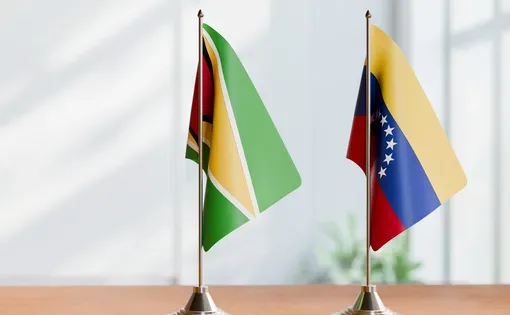
The effects of a centuries-old border dispute between Guyana and Venezuela
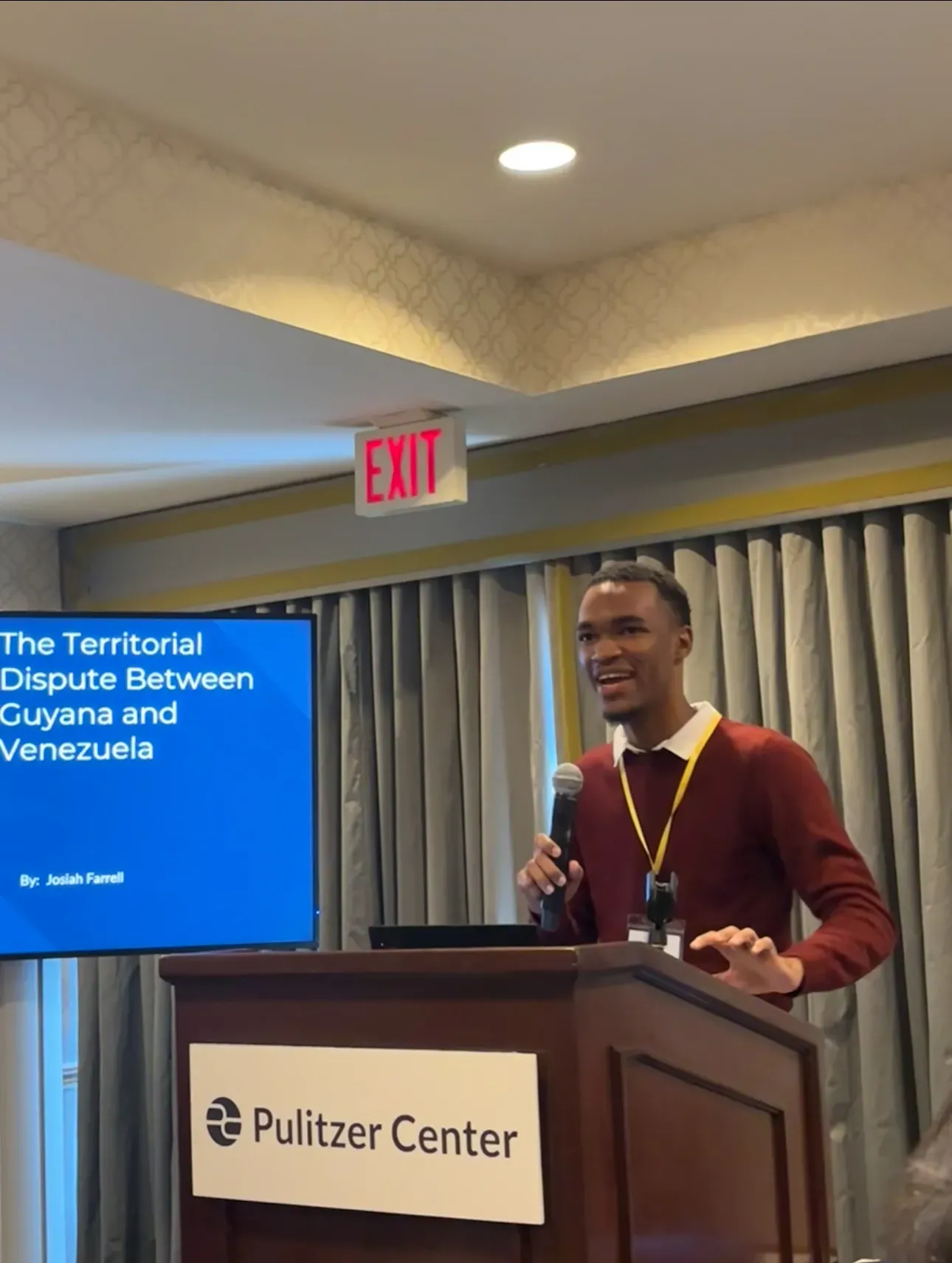
From an aerial view of Guyana, all you see is "golden waters" threading through vast, forested landscapes. As I landed, the atmosphere shifted. Portraits of bold, historic leaders greeted me—each one having contributed to the shaping of this nation.
Observing rapid infrastructural development—evident in the numerous construction sites—I asked my driver what was happening. With a knowing smile, he replied: “Oil money bai.”
For many, the discovery of oil is a burning flame of hope.
Guyana is more than the hustle and bustle of Georgetown, the capital. It’s the roadside coconut vendors and the fierce national pride of movements like “Essequibo Is We Own,” born in response to neighboring Venezuela’s claim on Guyana’s territory.

As a nonprofit journalism organization, we depend on your support to fund more than 170 reporting projects every year on critical global and local issues. Donate any amount today to become a Pulitzer Center Champion and receive exclusive benefits!
This emerging oil giant is also home to brilliant minds. Scholars such as former Ambassador Ronald Austin and Professor Coreen Chester-Jacobs generously shared an "oil wealth" of knowledge, shedding light on the migration crisis and the critical role of investigative journalism.
When I ended up on a speedboat traveling up the Pomeroon River, I had an epiphany: Journalism thrives at the intersection of stories, especially among vulnerable communities.
I arrived in Guyana unsure of what to expect—but left with a heart full of experiences and stories I now feel compelled to share.
Guyana, thank you for teaching me the courage it takes to stand up to geopolitical giants.