Journalist Resource November 11, 2025
How Community Collaboration Strengthened Reporting on a Crypto Farm in Paraguay
Country:

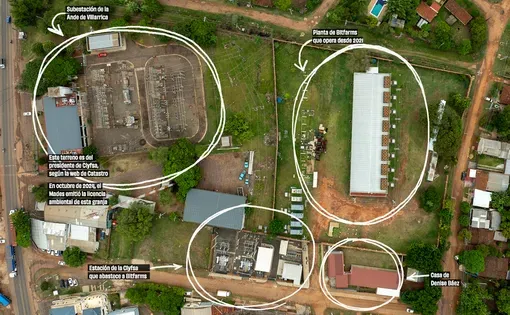
Paraguay is attracting investors from cryptocurrency mining.

At the end of 2024, El Surtidor’s WhatsApp account received a message from a young resident of Villarrica, a city three hours from Paraguay’s capital, complaining about a constant noise coming from a cryptocurrency mining operation that had been set up in her neighborhood. Several months later, as a result of reporting work and civic action by neighbors affected by the crypto farm, a judge ruled that the case would go to public trial due to its environmental and social significance.
How was this achieved? Below are some details about the reporting and its impact.

As a nonprofit journalism organization, we depend on your support to fund more than 170 reporting projects every year on critical global and local issues. Donate any amount today to become a Pulitzer Center Champion and receive exclusive benefits!
Document analysis and verification
I found an organized community that had already begun filing complaints against the crypto mining company with the Villarrica municipality and the police. As part of these actions, residents had gathered key records that served as evidence not only for their complaints but also for the journalistic investigation. For example, with their cell phones, several neighbors recorded the noise from the mining machines, noting data such as geolocation, date, and time. They also pointed to possible cases of corruption in the crypto farm’s installation—leads that helped guide my investigation.
In reviewing the complaint process, which included a detailed analysis of official documents, I discovered in an administrative summary that the local juzgado de faltas (municipal court) had ruled in favor of Bitfarms, the Canadian company that owned the crypto farm. I also obtained the court decision with the judge’s reasoning in favor of the company.
With these documents, plus the residents’ records of the crypto farm’s activity, I created timelines to organize information, narrate events, and identify possible inconsistencies. This method helped prepare us for a field visit and later reconstruct the story and write the report.
In February 2025, our team traveled to Villarrica to conduct interviews with residents, authorities, and representatives of the accused company. A key factor during this phase was the collaboration of a local journalist, whose knowledge of the area made it easier to contact all essential sources.
Once in the city, I accessed additional documents, such as the complete administrative case file from the municipality’s proceedings against Bitfarms. This file contained all decibel measurements, municipal reports, and environmental ministry assessments that the judge had used to rule in the company’s favor.
To verify documents provided by neighbors and confidential sources, I made public information requests for the most relevant records, such as noise measurements. These official documents helped corroborate other materials obtained through leaks.
I also analyzed Bitfarms’ financial statements to determine whether the company had mentioned the case in its reports to shareholders and discovered it had not. This analysis revealed that the company did not consider noise pollution as a socio-environmental risk. The reports also helped identify Bitfarms’ investment in Paraguay and the number of operating machines producing the noise disturbing the neighborhood.
In-depth interviews and scientific validation
Affected residents reported symptoms of stress and extreme fatigue, aggravated by difficulty sleeping for at least six months. I consulted specialists who recommended scientific papers explaining the relationship between noise exposure and mental health. By reviewing several published meta-analyses, I systematized this information to prepare interviews with residents. Psychologists were also consulted about how to conduct interviews safely and sensitively.
We prioritized protecting the well-being of the affected individuals, from the phrasing of questions to microphone setup and non-invasive camera work.
After processing the interviews, I spoke with a research psychologist and an otolaryngologist specializing in occupational safety. The psychologist examined the symptoms and experiences described by residents, while the otolaryngologist focused on the physical effects of noise on the human body. Their conclusions validated the residents’ testimonies and provided a scientific foundation for their accounts. I understood that those accounts were not mere subjective expressions. Continued exposure to certain decibel levels indeed caused stress, anxiety and could even cause PTSD symptoms.
How we designed engagement for impact
Signs of impact began even before the story was published. Shortly after interviews with local authorities who had dismissed the complaints, Villarrica’s mayor reversed his decision and ordered a new investigation. Moreover, after we contacted company representatives with specific questions, Bitfarms included noise pollution as a risk in its annual reports.
After publication, the story went viral. Through our social media channels, we received reports of similar cases from other parts of Paraguay—even from a source working inside a crypto mining facility. Collaboration with El País – América Futura from Spain further amplified our reach. Local and international outlets echoed our findings and published follow-up stories. The case was framed as an emblematic example of how tech-financial investments from the Global North affect vulnerable communities in the Global South.
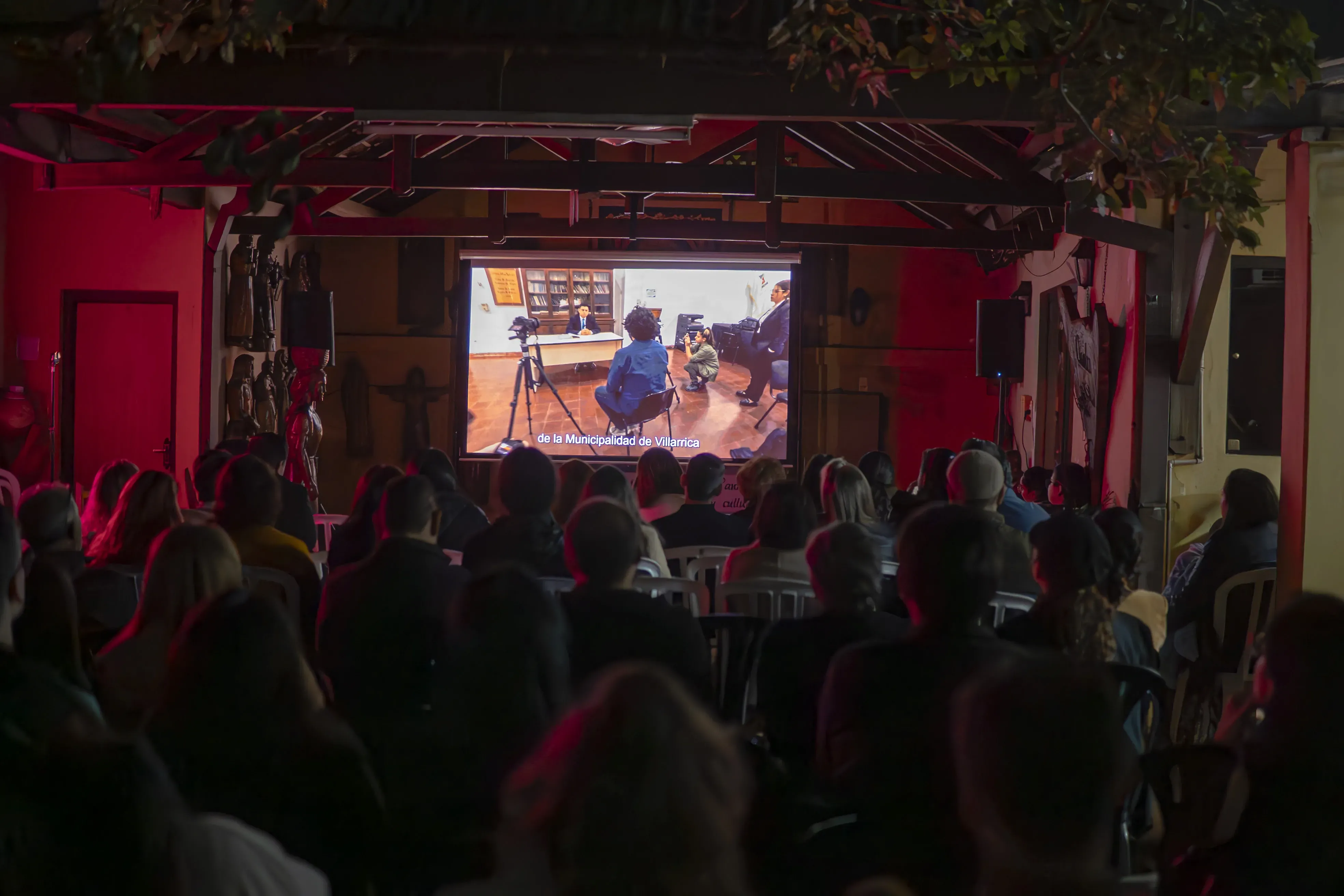
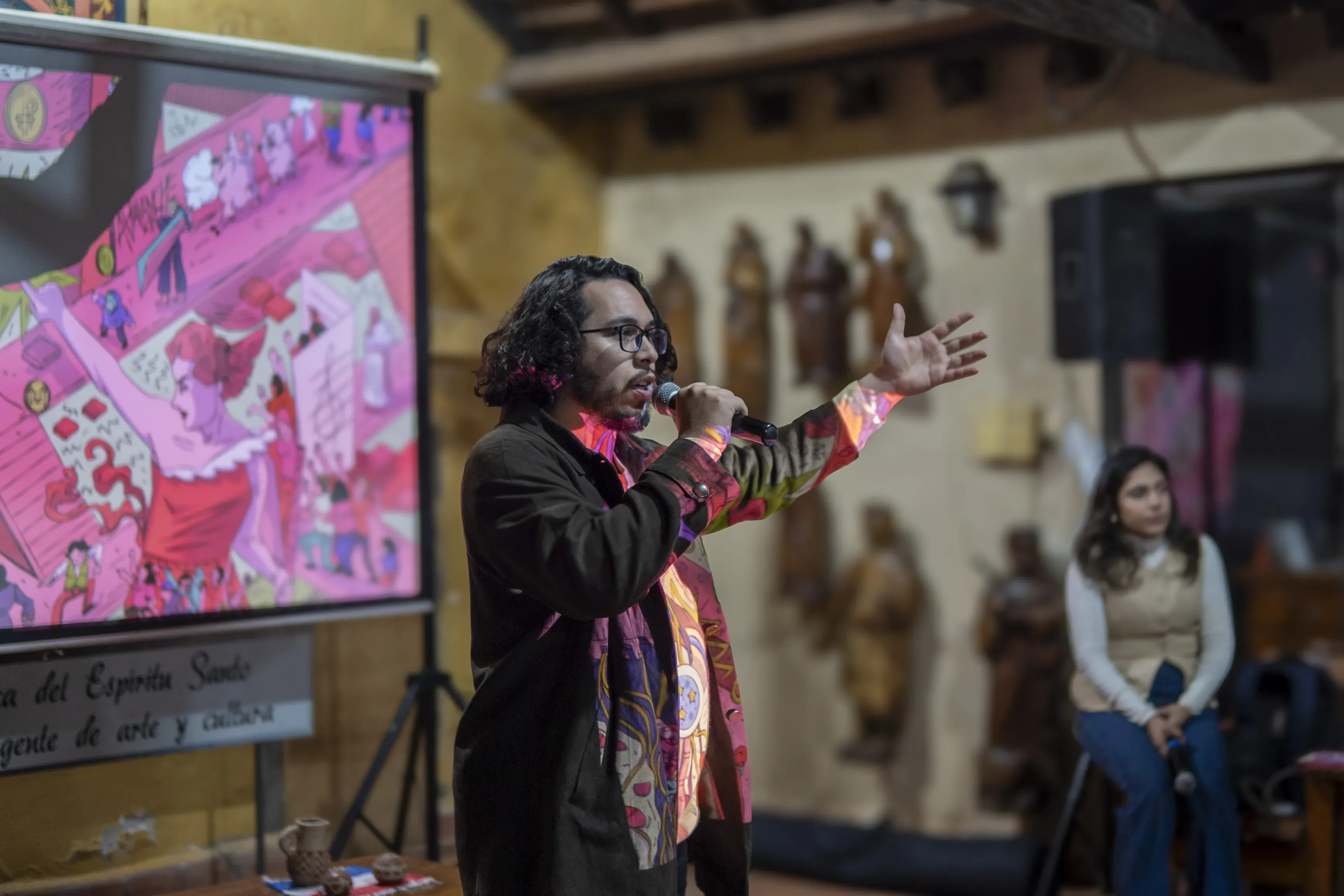
As part of our strategy to involve communities in our stories, El Surtidor organized two community assemblies: one in our newsroom and another in a cultural center in Villarrica. These gatherings brought together story protagonists, community leaders, and members of our audience. These gatherings were important to bring together the stakeholders of the story, clarify our findings, nurture trust through proximity, spark a dialogue and inspire action. In Villarrica, one family’s help in promoting the event was crucial to the turnout.
The team screened a documentary about the story, presented findings, and explained the investigation process. At the end, we facilitated a discussion with attendees. The affected neighbors shared their testimonies and expressed deep gratitude and relief for finally having a space where they could be heard.
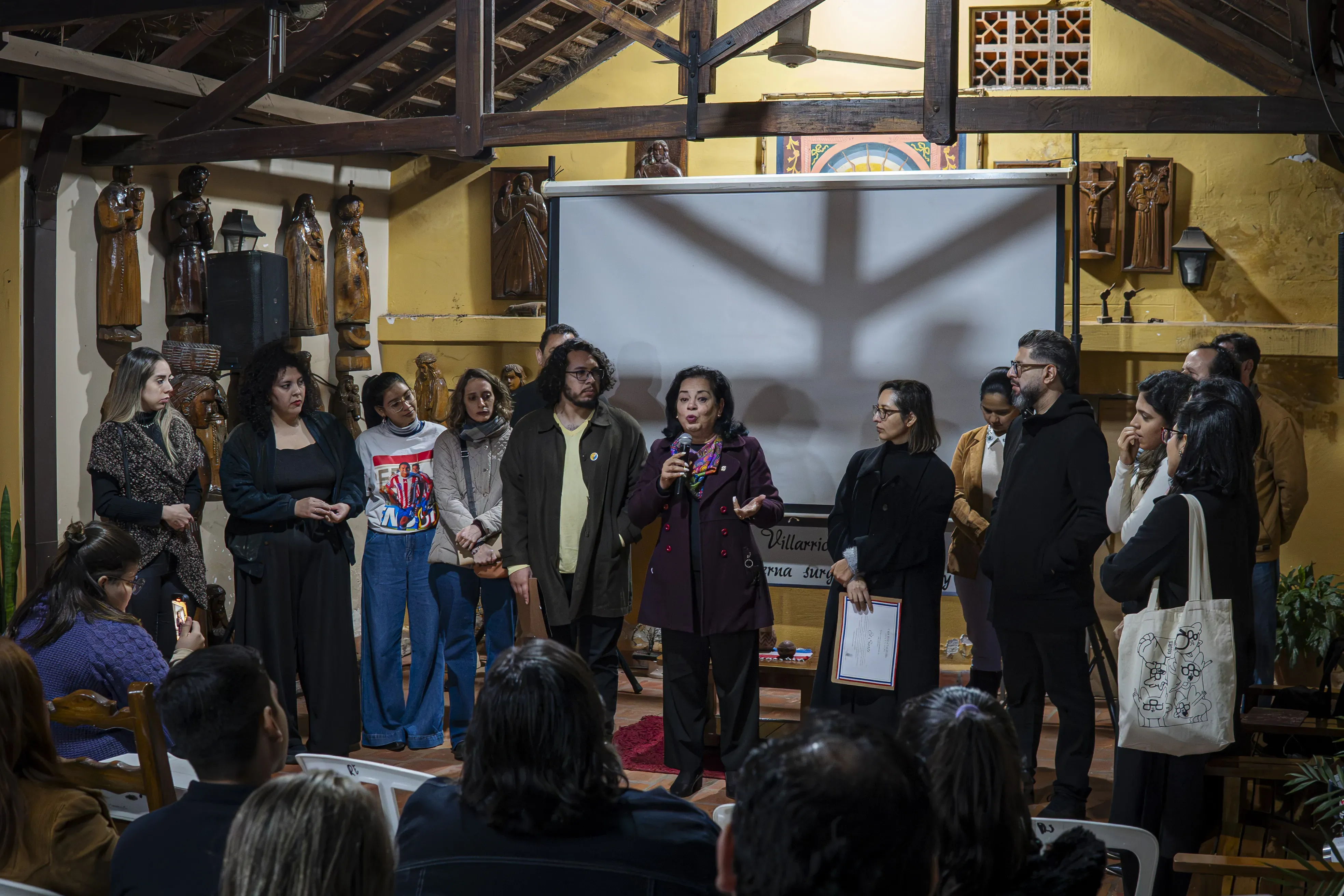
One neighbor said (translated from Spanish):
“I celebrate the free press that sheds light on darkness. I celebrate these journalists who immerse themselves in communities […] Thanks to you, this story was told, is being told, and will continue to be told so that it never happens again.”
Other residents called for building a civic platform to fight against crypto mining in the city.
A key factor in the story’s reach was the active collaboration of the affected residents in spreading it organically. They confirmed that they had sent the findings to the prosecutor handling the case. A month and a half after publication, that same prosecutor rejected the company’s attempt to settle the case extrajudicially, arguing that the compensation offered was insufficient compared to the harm caused. A judge agreed, ruling that the case would proceed to a public trial, to be broadcast on court channels due to its significance.
It will be the first trial in Paraguay against a cryptocurrency farm for noise pollution. The residents are now preparing to tell their stories in court.
Tips for those covering the expansion of crypto farms and data centers
- Stories about crypto farms or data centers often involve some form of corruption or irregularity, especially in countries of the Global South. Therefore, much of the work in such investigations tends to focus on analyzing environmental regulations, official local documents, and corporate financial reports. In these cases, creating timelines helps organize events and compare them with what regulations require, revealing potential inconsistencies or negligence by state or corporate actors.
- Experience shows that crypto farms and data centers are usually located outside major urban centers, but not far from populated areas that must live with their presence. In such cases—when stories unfold outside mainstream media territories—collaboration with hyperlocal journalists is essential.
- For these topics, involving communities near crypto farms or data centers during reporting can exponentially enrich the work. This involvement can occur through crowdsourcing information. For example, in Villarrica, residents recorded the noise on different days and times, adding a crucial layer of credibility to the report that would have been difficult to achieve with a single recording.