Skip to main content
Main Menu Navigation
View Primary Menu
Search
ABOUT
Our Mission and Model
Staff
Board of Directors
Impact
Awards
Annual Reports
Donors
Ethics and Standards
Diversity, Equity, and Inclusion
Employment
UPDATES
EVENTS
Upcoming Events
Conferences
WEBINARS ON-DEMAND
COMMUNITY
IMPACT
DONATE
JOURNALISM
PULITZER CENTER JOURNALISM
STORIES
Stories by Pulitzer Center Grantees
Stories by Student Reporting Fellows
PROJECTS
FIELD NOTES
APPLY FOR JOURNALISM GRANTS
FOCUS AREAS
Climate and Environment
Global Health
Peace and Conflict
Human Rights
Information and Artificial Intelligence
INITIATIVES
AI Accountability Network
AI Spotlight Series
South to South AI Accountability CoLab
StoryReach U.S.
U.S. Local News Reporting
Ocean Reporting Network
Rainforest Investigations Network
Rainforest Reporting
Transparency and Governance
Our Work/Environment
NEWSLETTER ARCHIVE
EDUCATION
CAMPUS CONSORTIUM PROGRAM & PARTNERS
Campus Consortium Program
Campus Consortium News
Campus Consortium Partners
Reporting Fellowships
Reporting Fellow Bios
Stories by Reporting Fellows
Resources for Reporting Fellows
Campus Consortium Advisory Council
Join the Campus Consortium Network
INTERNATIONAL EDUCATION AND OUTREACH
K-12 PROGRAMS AND RESOURCES
Programs for Teachers and Students
Lesson Plans
Journalist Visits to Classrooms
The 1619 Project Education Portal
Student Contests
Professional Development for Educators
Journalism Skillbuilder Lesson Series
K-12 Education News
GRANTS & FELLOWSHIPS
GRANTS & FELLOWSHIPS
Tips for a Successful Grant Application
Pulitzer Center Crediting Requirements
OPPORTUNITIES FOR JOURNALISTS
Global Reporting Grants
AI Reporting Grants
Global Health Inequities, Risks and Solutions
Transparency & Governance Reporting Grants
Rainforest Reporting Grants
Conflict Reporting
Ocean and Fisheries Reporting Grants
Climate and Labor Reporting Grants
Africa Reporting Grants
U.S. Local Reporting Grants
Machine Learning Reporting Grants
OPPORTUNITIES FOR EDUCATORS & STUDENTS
Pulitzer Center Teacher Fellowship
Campus Consortium Reporting Fellowships
Post-Grad Reporting Fellowships
The 1619 Project Education Impact Grants
Impact Seed Funding
OPPORTUNITIES FOR CIVIL SOCIETY MEMBERS
U.S. Civil Society Microgrants
Global South Civil Society Microgrants
IMPACT
RESOURCES
COMMUNITY
EVENTS
WEBINARS ON-DEMAND
ABOUT
Our Mission and Model
Staff
Board of Directors
Impact
Awards
Annual Reports
Donors
Ethics and Standards
Diversity, Equity, and Inclusion
Employment
UPDATES
EVENTS
Upcoming Events
Conferences
WEBINARS ON-DEMAND
COMMUNITY
IMPACT
DONATE
The Washington Post | In Sight
×
English
PART OF:
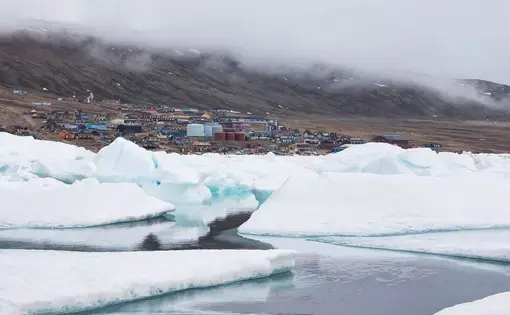
The Effects of Melting Permafrost in Greenland
What Life’s Like in The World’s Northernmost Naturally Inhabited Town
Anna Filipova
Grantee
June 5, 2019