
Tech companies have long collected deeply personal information—from location and browsing history to contacts, heart rate, and even DNA.
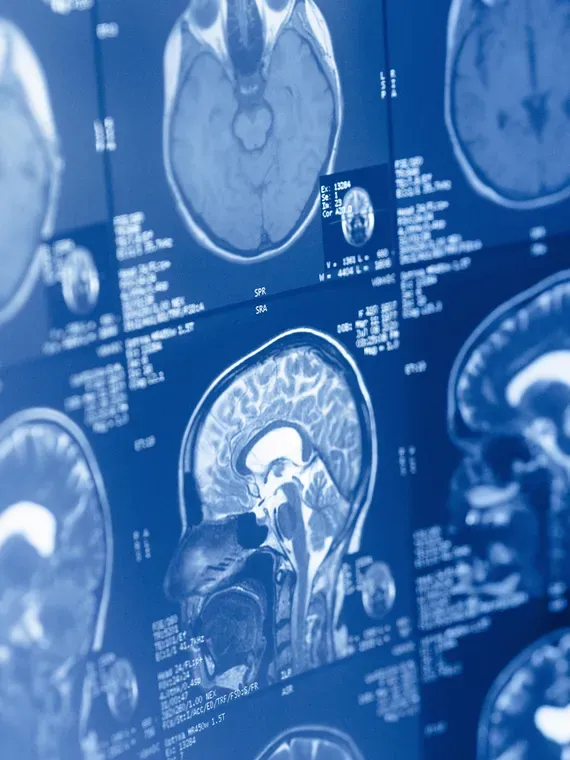
Now, a growing wave of AI-driven neurotechnology firms are going a step further by harvesting perhaps the most private data yet: brain activity—the patterns that underlie our thoughts, feelings, and sensations. Marketed as harmless wellness gadgets or productivity aids, these tools promise to improve sleep, boost focus, support meditation, or even help treat depression.
But the infrastructure being built today could be used tomorrow to profile how people think and feel—in workplaces, classrooms, healthcare, or even law enforcement.
Drawing on data subject access requests, a review of more than 150 AI neurotech company privacy policies, and on-the-ground reporting, this reporting project examines how weak regulation leaves brain data largely unprotected and how this data is already being stored, shared with third parties, and—in some cases—potentially sold to outside entities.