
Latino voters make up about one-quarter of Arizona’s eligible electorate, according to the UCLA Latino Policy & Politics Institute. They are younger than eligible voters overall. Nearly half are bilingual, and another 13% speak only Spanish. Becoming a U.S. citizen gives an immigrant the right to vote, but it does not guarantee a ballot will be cast.
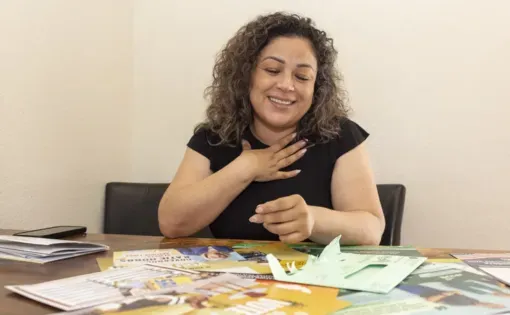
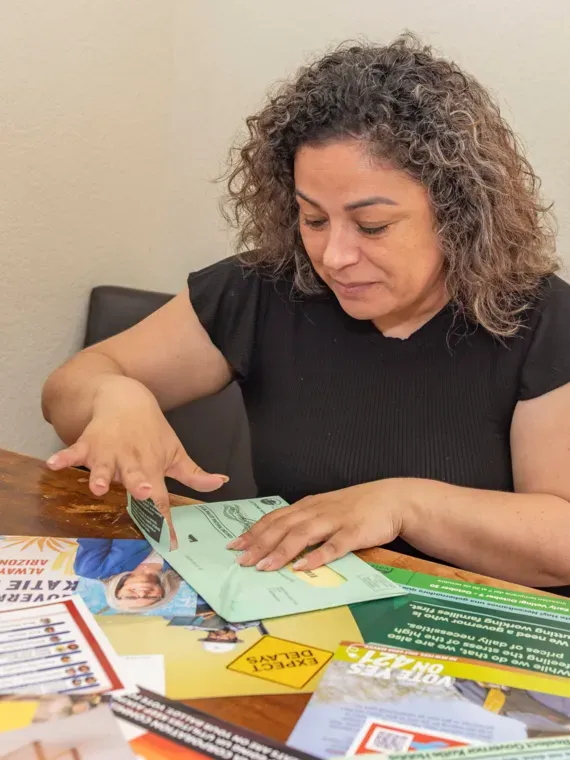
After the Oath follows three Latino residents of Tucson and Pima County who recently became citizens as Arizona heads to its Nov. 3, 2026, general election. The reporting tracks whether they register to vote, learn who is on the ballot and cast a ballot, and what shapes those choices. It does not assume new citizens are disengaged. It examines language, unfamiliarity with the U.S. election system, gaps in outreach, and financial strain, including the 42% of Latino renters in Arizona who face housing cost burdens. It also asks what motivates new citizens who do vote.
Arizona Luminaria, a bilingual nonprofit newsroom in Tucson, will publish the project as a written article and a social media video in English and Spanish. Freelance reporter Liliana López, founder of Somos Tucson, leads the reporting with Arizona Luminaria staff reporter Carolina Cuellar.