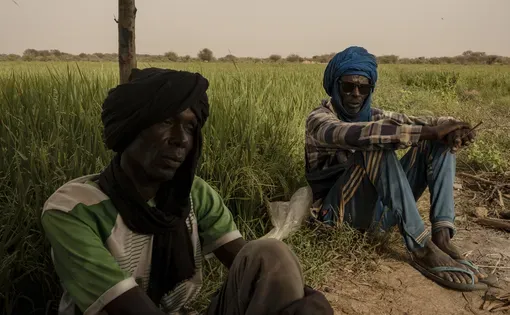


Africa, warming faster than the global average, is also heavily dependent on outdoor workers. Around 50% of the workforce labors in agriculture, according to data from the International Labour Organization.
In Senegal, if nothing is done, mortality related to heatwaves would triple by 2080, and regions like the northeast could experience 336 very hot days a year.
Heatwaves affect human health, causing health issues, an increase of some diseases, and in some cases, death. These temperature peaks also have economical impacts, putting field workers at risk and affecting their crops and livelihoods.
Facing this threat, Senegal and research organizations launched a Heat Action Plan at the beginning of 2026. They aim to improve the health system and the prevention mechanisms to face heatwaves.
Reporting across Senegal’s geography—from its hottest region near Matam to Thiès to Dakar—, this project shows the consequences of heatwaves and the ways in which Senegalese field workers adapt and organize.