Project November 17, 2026
USAID Cuts Push Bangladesh Toward Contraceptive Crisis
Country:

The U.S. Agency for International Development (USAID) has been part of a legacy in Bangladesh's family planning and reproductive health programs since the country’s independence in 1971. Recent funding withdrawals have disrupted a critical supply chain: approximately $2.3 million in reproductive health commodities—including $2.28 million worth of injectables and over $54,000 in implants—are no longer reaching the country. test
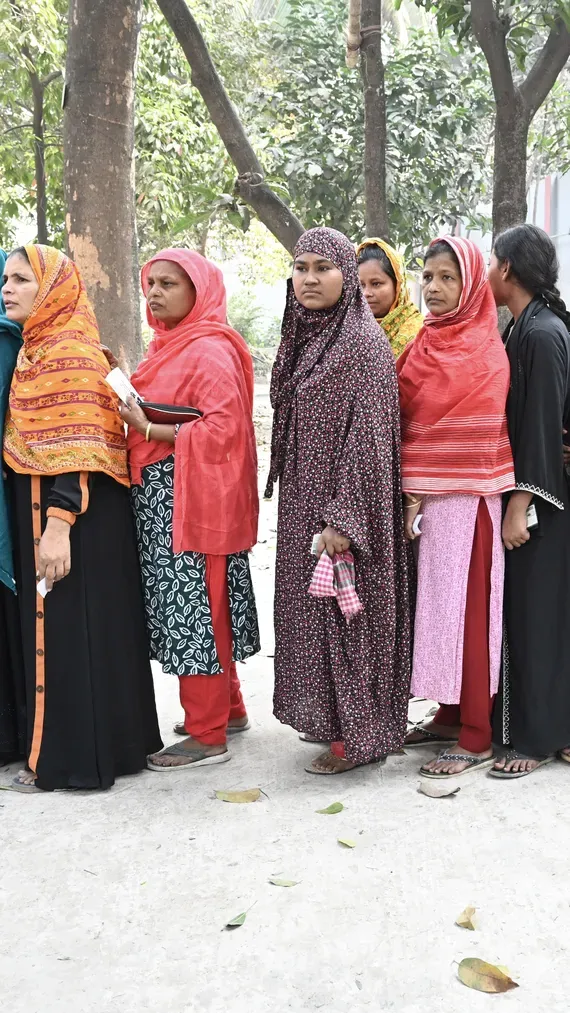
This is particularly alarming because more than 90% of Bangladesh’s long-acting contraceptive methods—such as implants, IUDs, and vaginal rings—are donor-dependent, with USAID as the leading contributor. Clinics, especially in rural areas, are already reporting shortages.
The cuts are threatening to unwind a decades-long effort to improve maternal care. Journalist Najifa Farhat reports from Bangladesh on how the crisis is affecting access to family planning and maternal health services.