Story
 November 18, 2026
Minnesota’s Climate Solution: Whitefish Roe Satisfies Fishy Demand Abroad
Country:


Project
Three Tribes, Three Forests
Three Indigenous communities from rainy forests battle climate change.
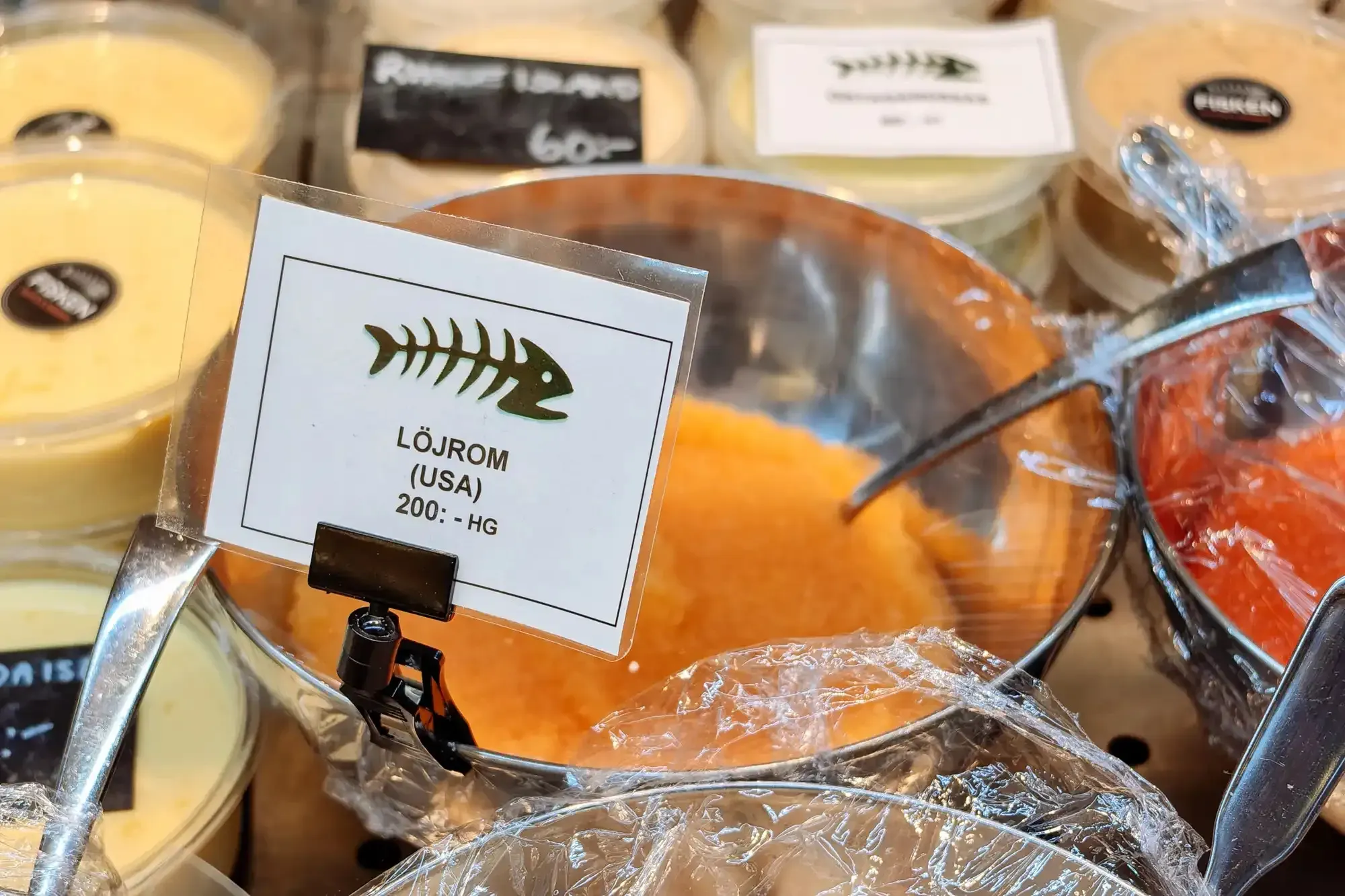
Have you ever had the taste for caviar but lacked the budget? Roe from Minnesota could be for you, along with offering a solution to a predicament caused by climate change.
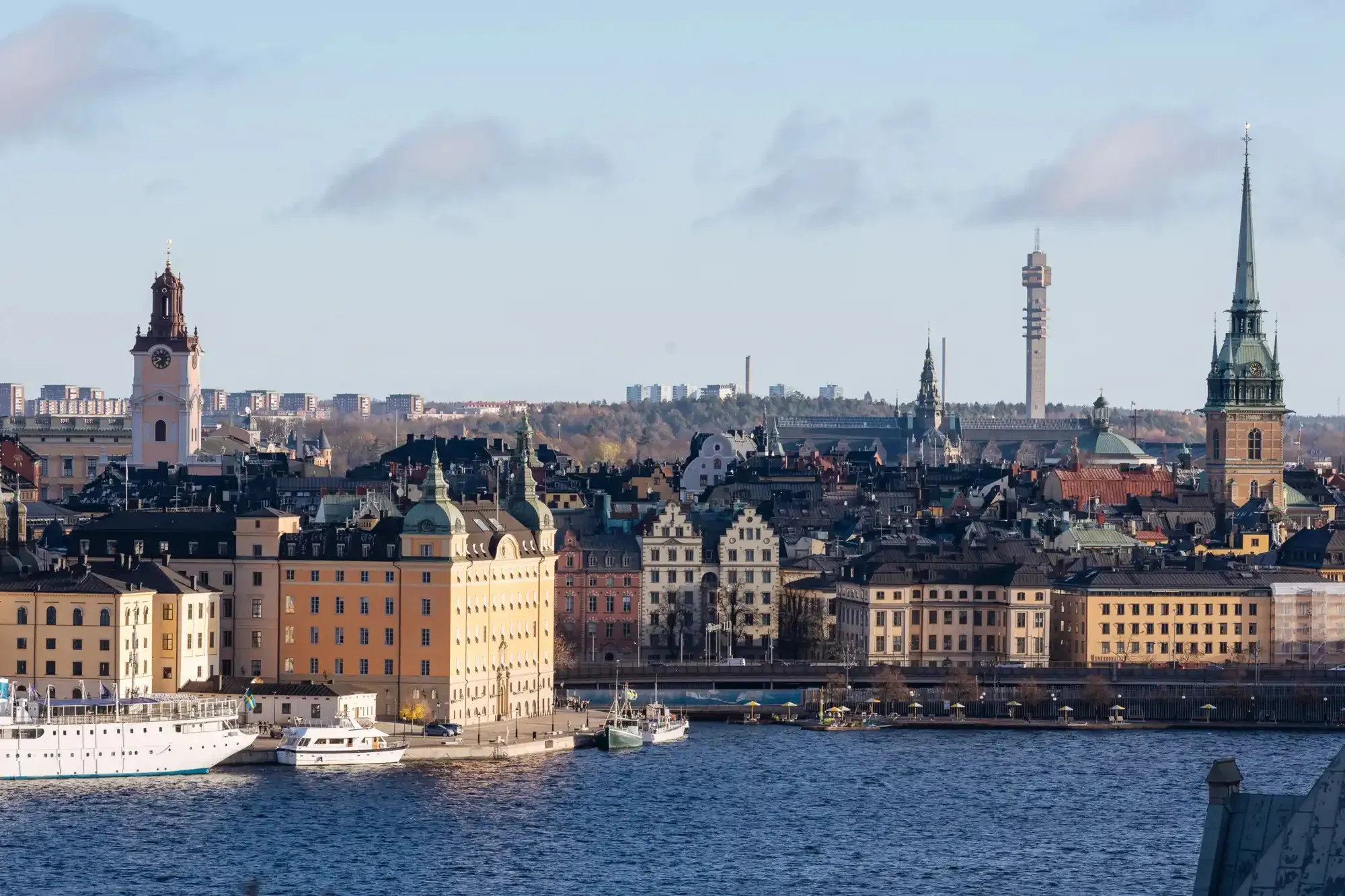
As part of our Pulitzer Center-backed series on climate change and fisheries, we visited Stockholm, Sweden. Eggs from Minnesota whitefish — like cisco, also known as lake herring — are shipped to Sweden, where they’re consumed on toast, baked potatoes and even chicken eggs.

As a nonprofit journalism organization, we depend on your support to fund more than 170 reporting projects every year on critical global and local issues. Donate any amount today to become a Pulitzer Center Champion and receive exclusive benefits!
Setting the hook
This week 14 years ago, Duluth-based MPR News correspondent Dan Kraker filed this story about lake herring supplementing Sweden’s deep demand for fish eggs.
Despite millions of dollars in revenue coming into Grand Marais’ docks from fish roe each year, almost none of the product actually stays in Minnesota. Those golden fish eggs almost exclusively end up on refrigerated shelves in Finland, Sweden, perhaps even Latvia or Estonia. In the past, those countries were big direct producers of similar roe. There are a lot of different fish that make a similar product, but climate is impacting almost all of them.
We traveled to Scandinavia for Climate Cast to trace the roots of lutefisk, but we also netted this story.


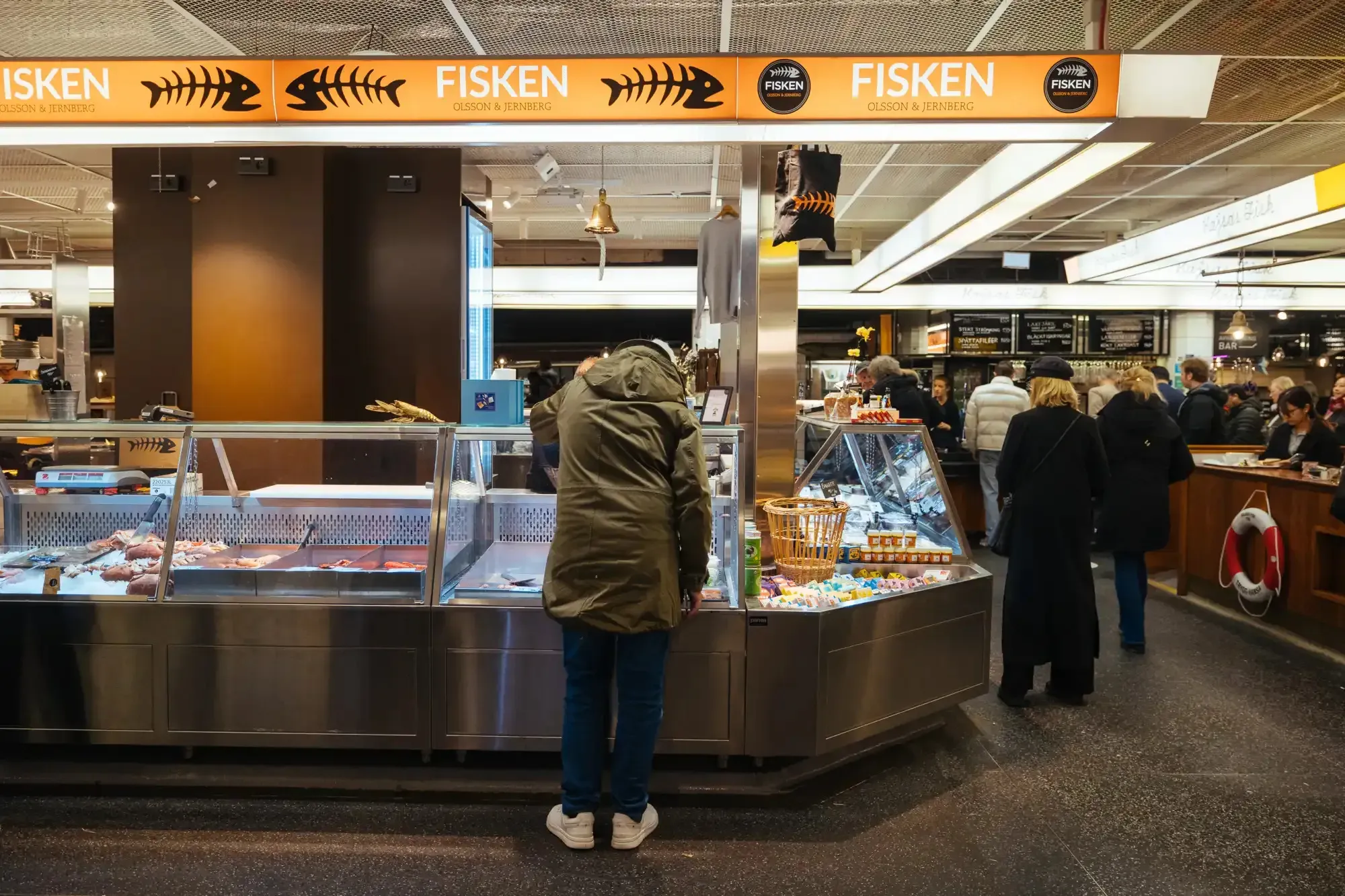
Where did all the fish go?
Scientists from Germany, Switzerland, Sweden, France and the U.S. all got together a few years ago to try and answer the question. That paper largely explains why tiny fish eggs from Lake Superior end up nearly 4,000 miles away in Swedish supermarkets. Sweden used to have a dominant lake whitefish industry; however, in the last few decades, numbers have plummeted.

“We can see that there's been a complete crash — or a strong crash — of the vendace in the late ‘80s, early ‘90s,” Björn Rogell said. “I would like to have a good answer to why they collapsed. These stocks have yet not recovered, so we still have lower numbers.”
We met Rogell on some lake docks in Drottningholm, near Stockholm. He works at the Freshwater Institute studying lake fisheries and their changing numbers.
Those numbers are not unique to Europe. Of the lakes the international team studied, 44 percent of those have undergone a massive drop in catch rates. While that catch rate is different than pure fish populations, it’s a catastrophic sign in many parts of the world, including the eastern Great Lakes. One reason is decreasing lake ice coverage.
“The last couple of years, we have ice, but you can't walk on it,” said Alfred Sandstrom, another biologist at the Freshwater Institute in Drottningholm.
“[The ice] is really thin and watery and everything. Of course, that sort of fishing will be harder,” Sandstrom added. ”And certain algae, they thrive with the changing climate, and they clog the nets and the the different traps and stuff that the fishers are using, especially in in late autumn. So it makes it almost impossible to fish.”
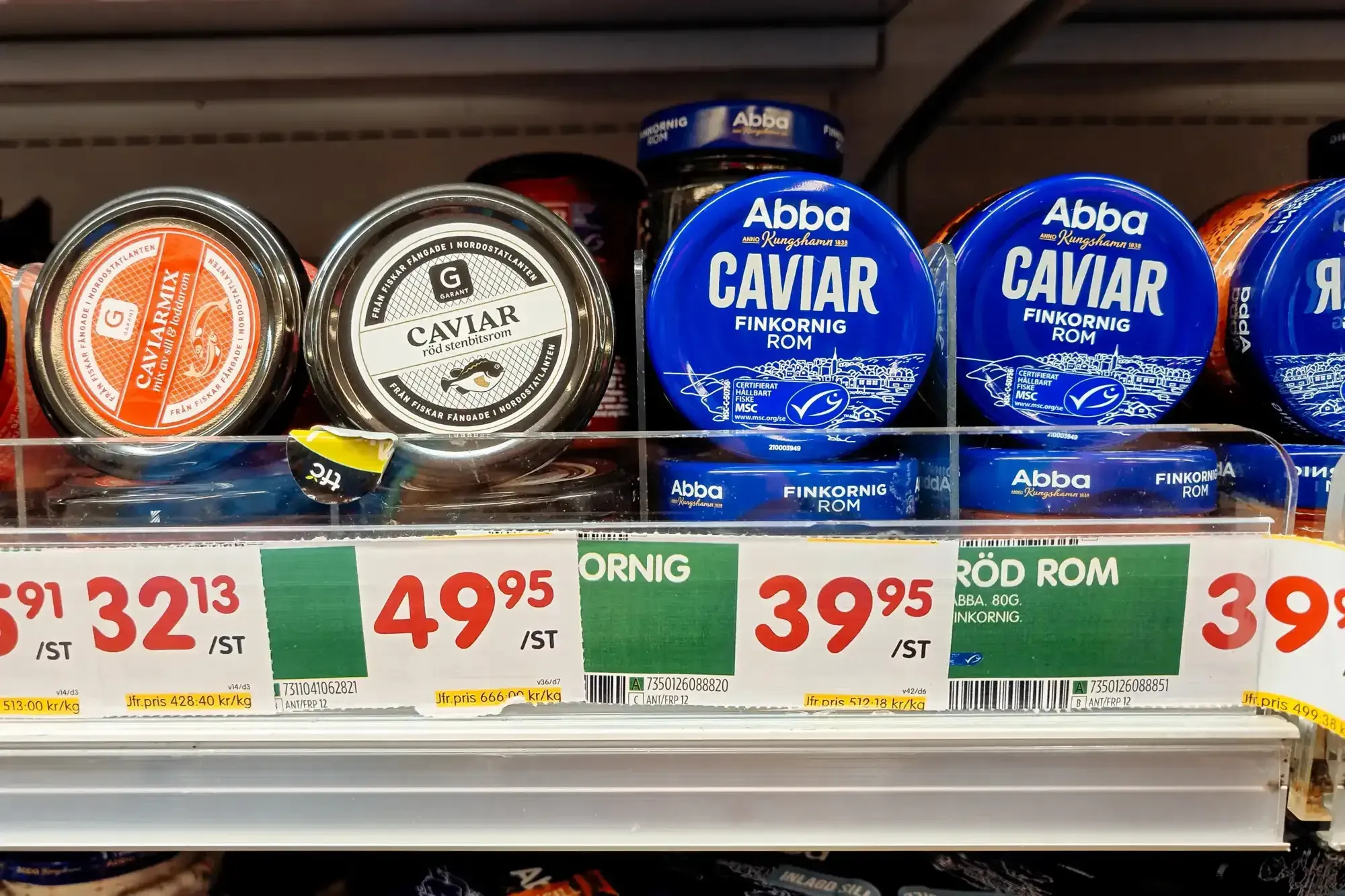
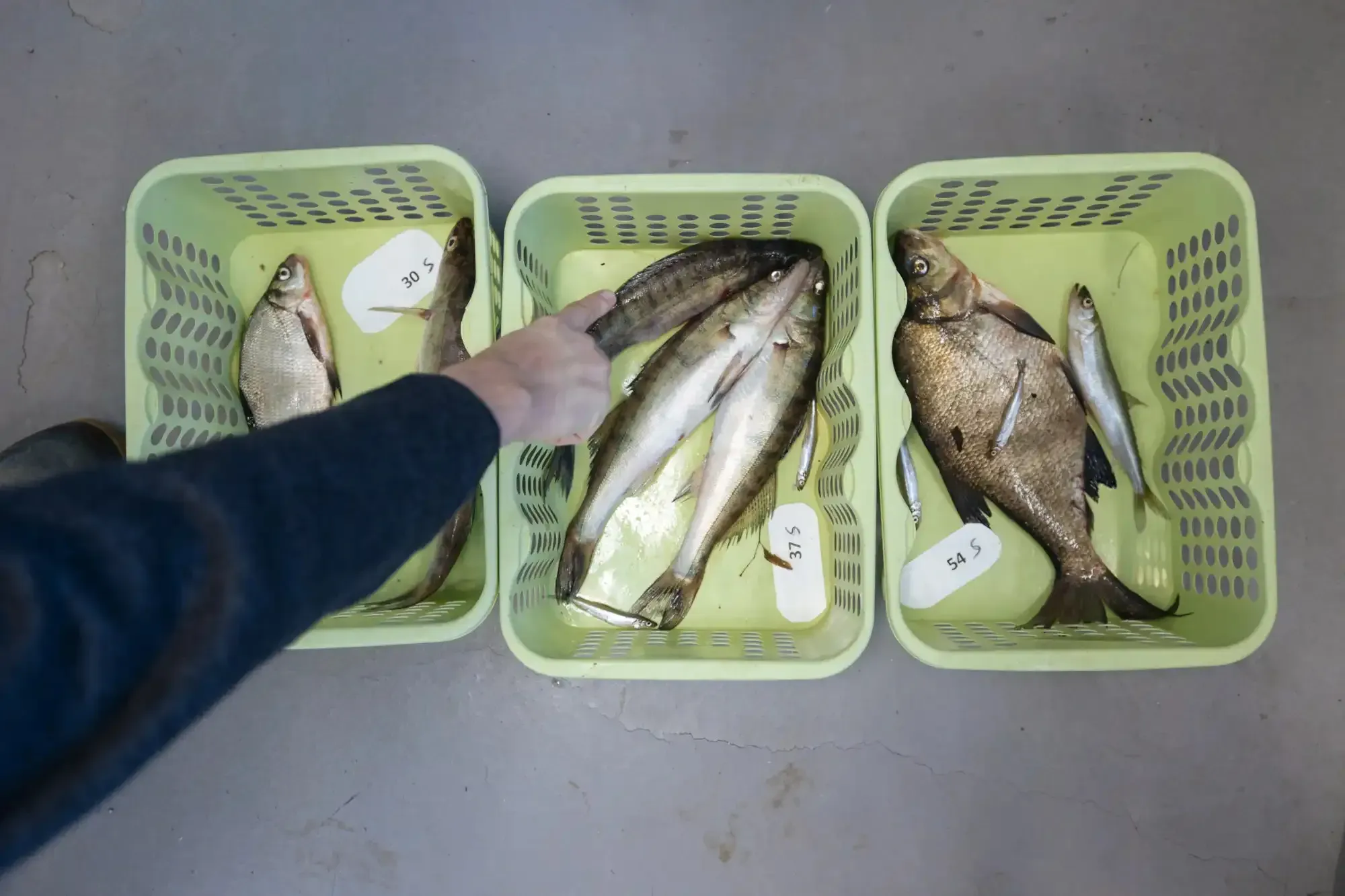
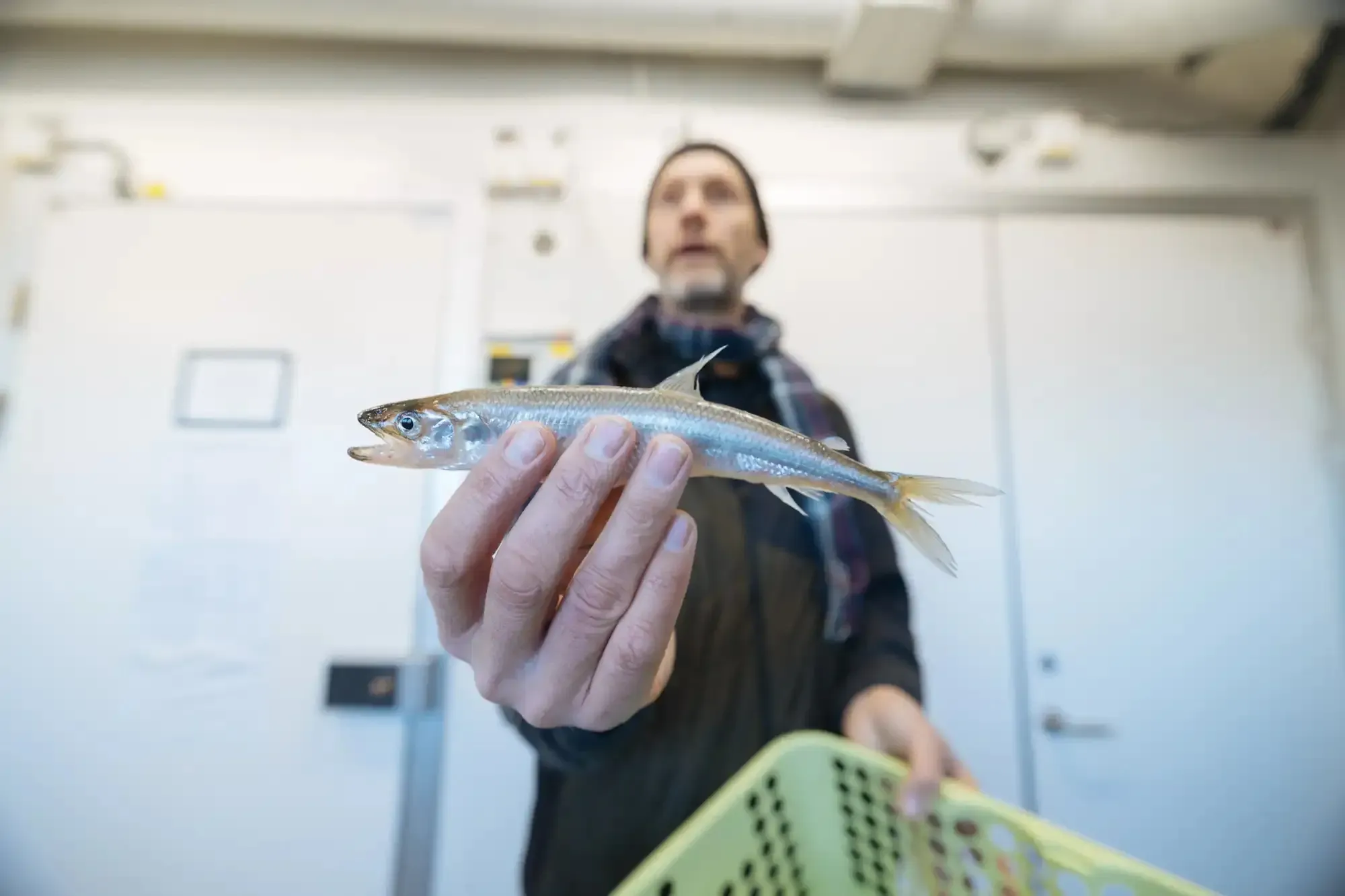
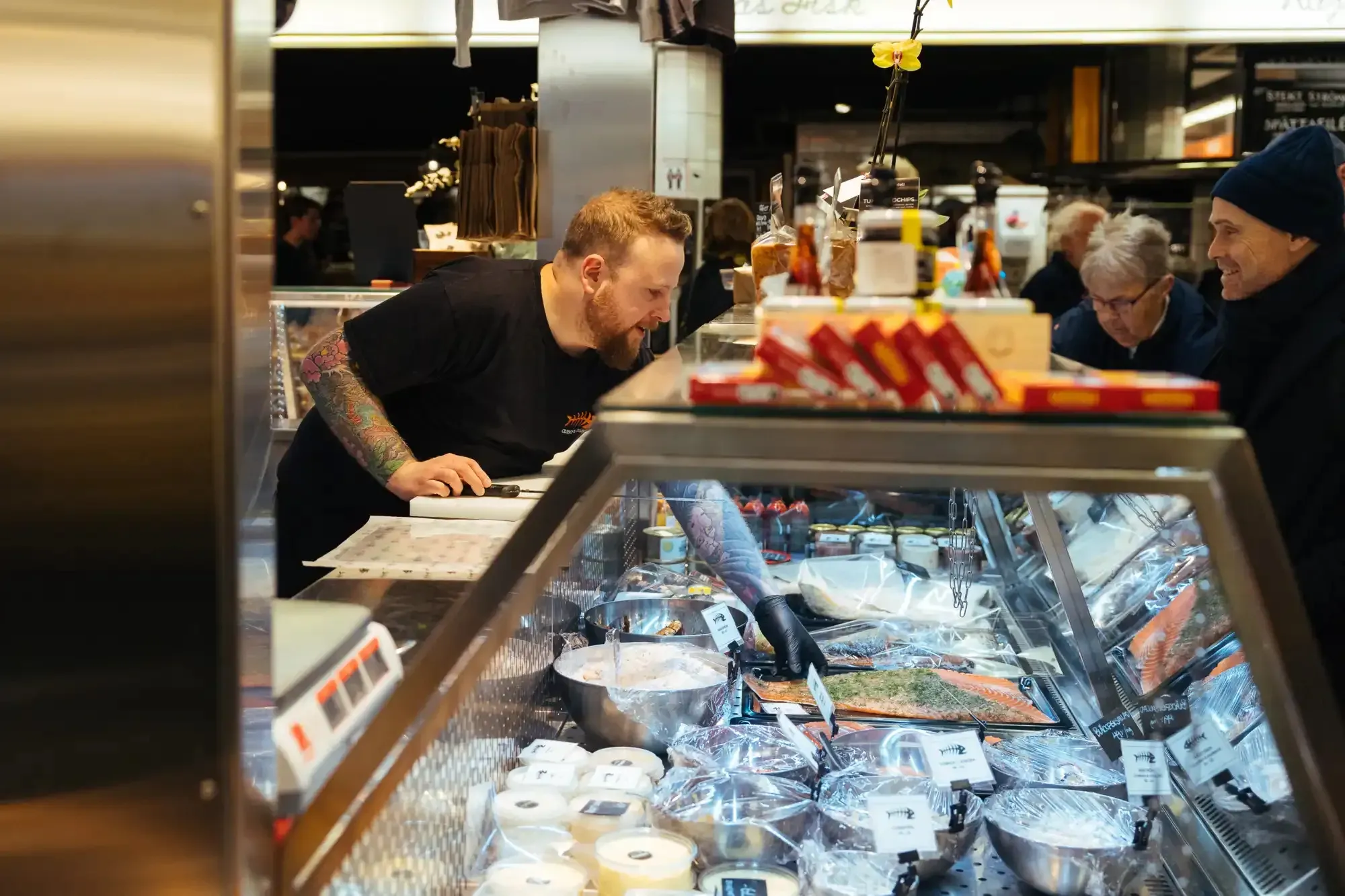
While we met in early November as the weather was turning colder in both Minnesota and Scandinavia, Rogell and Sandstrom were still thinking of summer heat and its big impact on lake fish.
"If you have a heat wave, for example, you can't leave your trap very long in the water because the fish will go really bad,” Sandstrom said. “So, you have to go in and out much more often to do that sort of thing … Climate change has practical influences directly on the fishing, not just the fish … maybe people don't really think about that.”
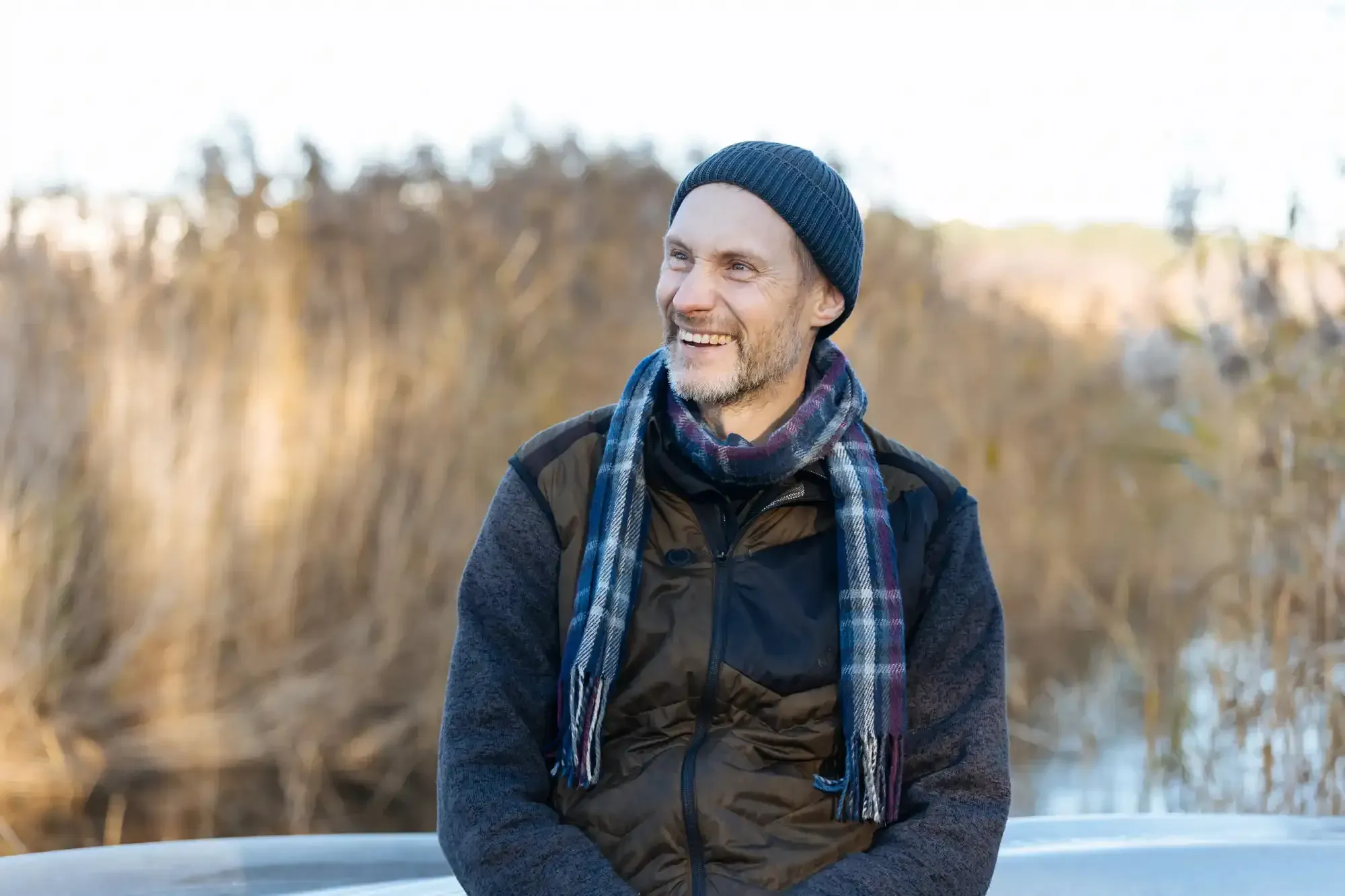
What about Lake Superior?
Lake Superior has not seen huge population declines like some of the other Laurentian Great Lakes, nor the alpine lakes of Switzerland and Bavaria. No one is exactly sure what we’re doing right locally, but the fish can still be caught sustainably off the North Shore for now.
People in Sweden are still happy to eat the roe.