Story
 October 28, 2024
In Rewilding, We All Have a Role to Play
Country:

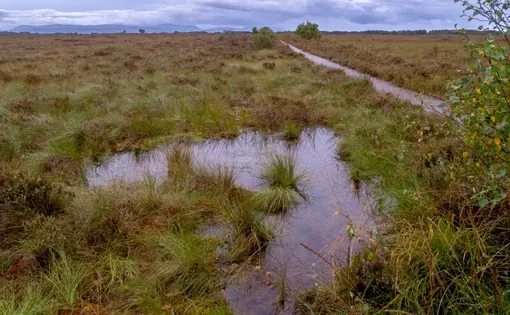
Rewilding leaves sheep farmers nervous about their future.
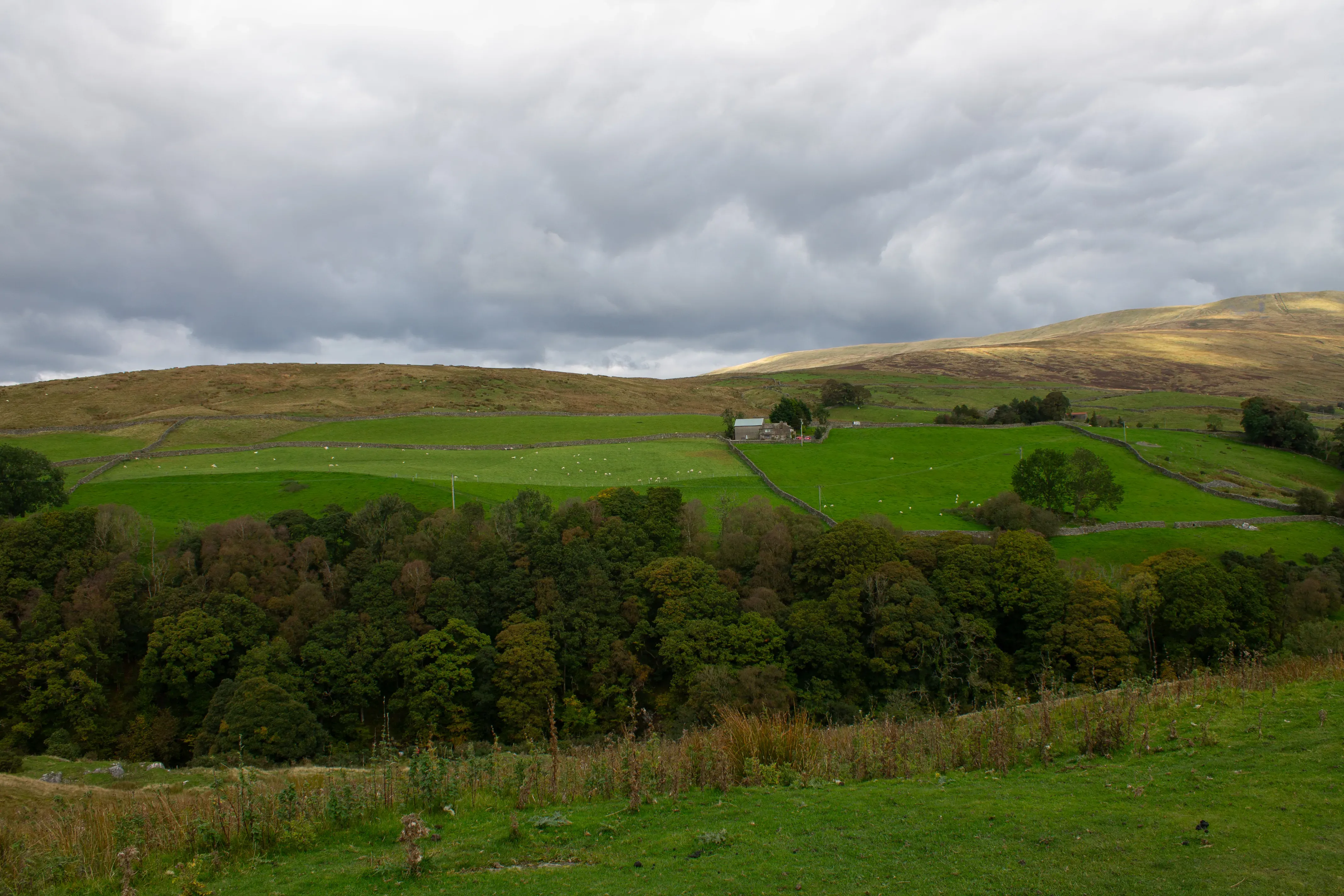
Reporting on a story about the conservation method, I found my place in the chain.
A little more than a year ago, I traveled to rural England to report on a very interesting trend in conservation—rewilding.
I saw rewilding—a movement to restore the natural processes within an ecosystem—play out when I first traveled to the upland peat bogs in the early months of 2024.
I visited large estates, the likes of which you think of when you read Pride and Prejudice and Wuthering Heights—huge mansions, sprawling fields dotted with sheep and rolling hills, the tops of which were moorlands—wetland ecosystems characterized by huge expanses of mossy peat. While I was there, I met a wealthy man who, when he inherited his family’s estate, wanted to do something different with his domain.
As a nonprofit journalism organization, we depend on your support to fund more than 170 reporting projects every year on critical global and local issues. Donate any amount today to become a Pulitzer Center Champion and receive exclusive benefits!
North Yorkshire is well known in the country as a traditional sheep farming region. It’s hard and often thankless work. It’s expensive and the landscape is rough—especially up in the bogs where many of these farmers lived—and sheep aren’t well suited to it.
Beside sheep and peat, grouse live in these ecosystems. They feed on heather, which are small woody shrubs that poke up in drier areas of peat. Grouse shooting is a wildly popular sport among rich Englishmen. They gather in humble shooting houses in their smart expensive outfits for drunken boys weekends, and shoot at grouse for fun.
Before World War II, farmers managed relatively small herds. Grazing’s not good on the moors, and the land couldn’t sustain too many animals. But, after the war, to boost the economy, the government unveiled schemes to reward farmers for increasing their herds. The only way to do that was to look up in the bogs. Farmers dug ditches into the peatlands, draining them to make it easier for more and more sheep to graze.
Over time, this scheme created runaway erosion in the peatlands, unsustainably massive herds of sheep, and dire ecological conditions in the region. So much of this change was taking place on private estates like the ones in our favorite classic novels.
By the year 2000, people were starting to reckon with the exploitation of the English landscape. Amateur conservationists took on a new project on an estate in Sussex called Knepp. They started to “rewild” it, attempting to put nature, rather than humans, back in the driver’s seat.
They’ve enjoyed incredible success at Knepp, publishing a book and inspiring others to follow suit.
I visited two separate estates that are in the process of rewilding. They’re planting ecologically relevant tree species, reintroducing beavers and wild ponies, and completely reimagining what these lands can look like and how they’re operating.
Broughton Estate—now Broughton Sanctuary—and Denton Reserve are a luxury ecotourism mindfulness retreat. Broughton has a healthy cafe, yoga classes, biophilic pools, pagodas, and more. Denton “reimagines rural luxury,” offering a stunning wedding venue that operates in harmony with nature.
Rewilding is a highly controversial concept in England. Critics are worried that predators—wolves and bears—will run loose and cause mayhem. Rich Englishmen are worried about their beloved grouse-shooting weekends, convinced they’ll disappear with all the rewilding taking place.
But, still, the rewilding movement is succeeding in this land and is taking hold elsewhere.
In Illinois, legislators just passed a bill legalizing rewilding. It allows practitioners at the Illinois Department of Natural Resources to use rewilding techniques when they restore, manage, or conserve ecosystems. It’s not a particularly hard-hitting law—no one will be forced to rewild—but it’s an interesting step in acknowledging the significance of this conservation technique. Some critics of the Illinois bill—like those in England—are worried about predators ending up in their backyards. Experts say that is extremely unlikely.
And I’ve seen examples of rewilding play out in Illinois before the bill ever passed. My favorite example is at Nachusa Grasslands in Franklin Grove. It’s a 4,000 acre remnant prairie owned and managed by The Nature Conservancy. It’s one of the only places left in the Midwest where you can stand in the middle of it and see prairie in every direction—in this region, you can only ever see rows upon rows of corn and soybeans.
If you’re lucky, and you’re looking out—perhaps under a rare stand of trees—you might find a couple dozen bison hanging out. Bison are essential to a healthy, biodiverse prairie, and they were reintroduced 10 years ago. Their waste fertilizes the soil, and when they roll on the ground to scratch their backs, the bare soil left behind is perfect for bees to make their winter nests.
I find examples like these really heartening. It’s hard to be completely hopeless when I imagine bison in the prairies, and beavers in the rivers, and wolves in Yellowstone, and sphagnum moss in the peat bogs. Keystone species like these alter the landscapes they’re in.
It reminds me that humans—no matter how much we want to be—will never be truly and completely in control. There are forces much, much bigger than us that have been playing out this whole time, and will continue to. When I feel hopeless, or like I’m not doing enough, I tend to remind myself that we all have our roles in the revolution. I get to be a storyteller, which means I can’t necessarily have a different role. We all have our roles to play, and so do these landscape-altering species.
I hope for more examples like these—more pollinator gardens, more artists, more library cards, more potlucks—because we all have a role to play. We can’t do more than we can do, but we can do enough.