Story
 August 7, 2023
Visibility and Anonymity: Journalist Treads Thin Line While Making Documentary
Country:

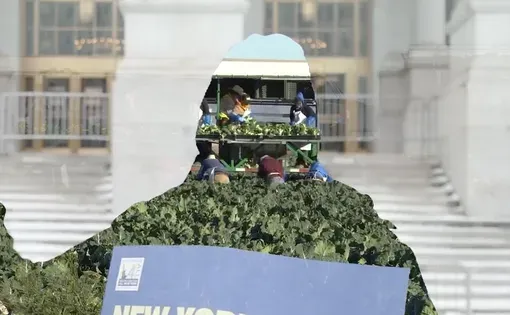
A young journalist investigates issues that impact aging undocumented workers.
Aesthetic choices in documentary filmmaking can support agency while protecting sources.
It is common for documentaries to undergo significant narrative shifts during production. However, the shifts and storytelling challenges I encountered in the production of the documentary We Are Not Made of Stone: The Healthcare Injustices of Undocumented Workers have led me to struggle with the very limits and possibilities of the documentary format as an awareness-raising tool.
At one point during the production of the documentary, reports emerged of ICE agents using face-detection software to surveil and persecute immigrants. This prompted an overhaul of the documentary edit because there were several sequences that prominently featured undocumented health advocates who spoke at a rally. The footage had been acquired sometime before the heightened persecution of immigrants brought on by the current administration. Their stories were powerful, but the inclusion of that footage presented an emergent risk for those advocates.
Throughout the production of the documentary, I had to constantly rethink whether the documentary was necessary—documentary is powerful in its ability to provide a sense of presence and of aliveness. This presence is important to stories about healthcare injustices, especially since the discourse around public health policy is fraught with political rationalizations and financial abstractions. But those powerful personal anecdotes, which allow for large structural issues to become legible, tangible human stories, often come from securing a certain kind of access and visibility with the documentary subject.
As a nonprofit journalism organization, we depend on your support to fund more than 170 reporting projects every year on critical global and local issues. Donate any amount today to become a Pulitzer Center Champion and receive exclusive benefits!
This story could not be told without the direct and urgent experiences of those currently excluded from accessing healthcare. Yet the visibility of the documentary format problematizes the inclusion of people for whom visibility could be a death sentence.
A conventional journalistic documentary workaround calls for a silhouetted interview, usually backlit, and a distorted voice. However, this convention of protecting informant identity is not a neutral aesthetic. Silhouetted, backlit interviews are also an aesthetic strongly attributed to criminality. Aesthetic decisions can unwittingly reinforce unintended ideas.
This documentary is not about criminals. It is about healthcare, about broken human bodies denied the ability to repair. It is about people whose very position in society renders them and their suffering invisible or abstract.
The task of making this unique public health crisis visible and palatable required an unconventional way of thinking about employing the physical presence of those directly impacted into the documentary format. Undocumented workers are intimately embedded into the fabric of our daily lives. The very nature of the labor for which we deem them indispensable to our economy is the very labor that breaks their bodies. They hold an unreconciled contradictory position as essential workers in the country. They are essential yet invisible.
The process of negotiating visibility in a way that protects the identity of undocumented individuals central to this story continues to feel irresolute. However, the masking techniques I employed in the interviews seem to ultimately reflect, I think, the unreconciled contradictory position of undocumented workers in the country. In that sense, the aesthetic choices reflect the appropriate effect of interviewing people with an incomplete presence.