


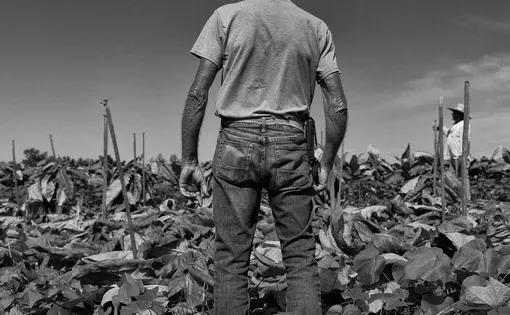
How national policy decisions are reshaping everyday life


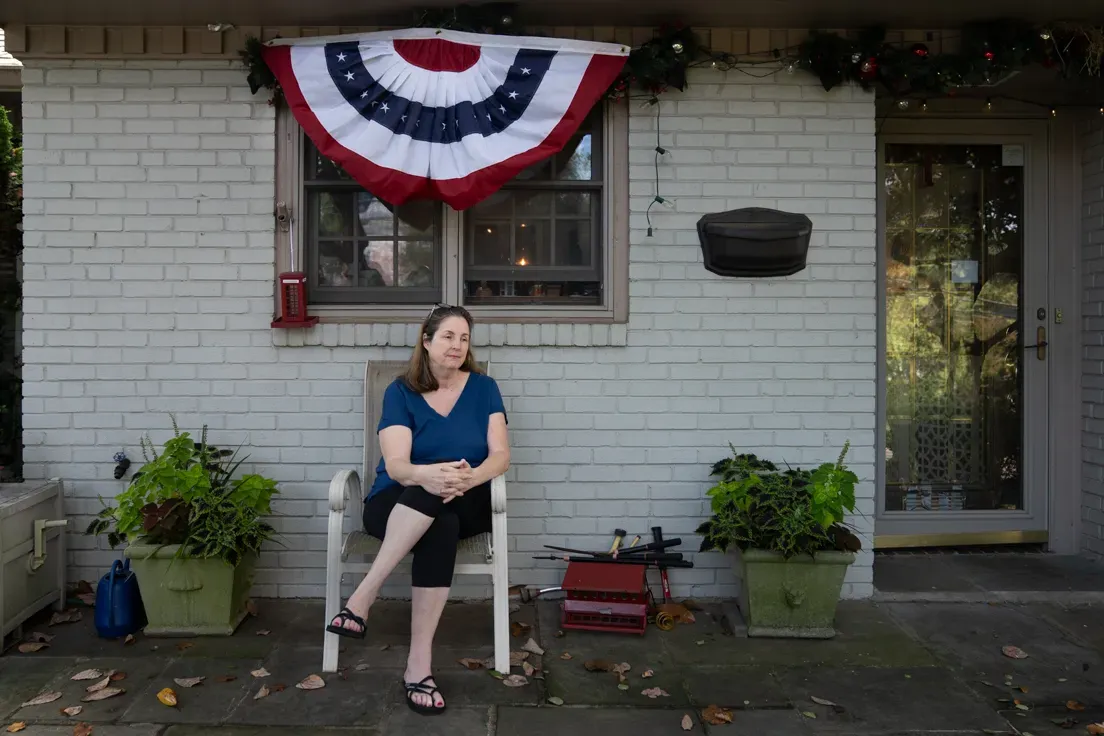
Tanna Price helped governments around the world build their economies and root out corruption. News of USAID cuts reached her in Sri Lanka. Almost a year later, Price and thousands of other professionals like her look toward an uncertain future.
For more than 25 years, Tanna Price traveled the globe advising foreign governments as a subcontractor for USAID. In January, Price, a 57-year-old economic advisor, was helping a new Sri Lankan government draft anti-corruption measures when she learned that the Trump administration was slashing USAID funding.
Some of her colleagues didn’t think this would end their careers in international development, Price said. “But I was pretty cynical immediately,” she said. “I remember we were talking about, well, maybe we should just stay in Sri Lanka because we won't have an income, and it's so much cheaper to live here.”
On January 29, she received an email informing her that her services would “pause” — effectively ending her job.



As a nonprofit journalism organization, we depend on your support to fund more than 170 reporting projects every year on critical global and local issues. Donate any amount today to become a Pulitzer Center Champion and receive exclusive benefits!
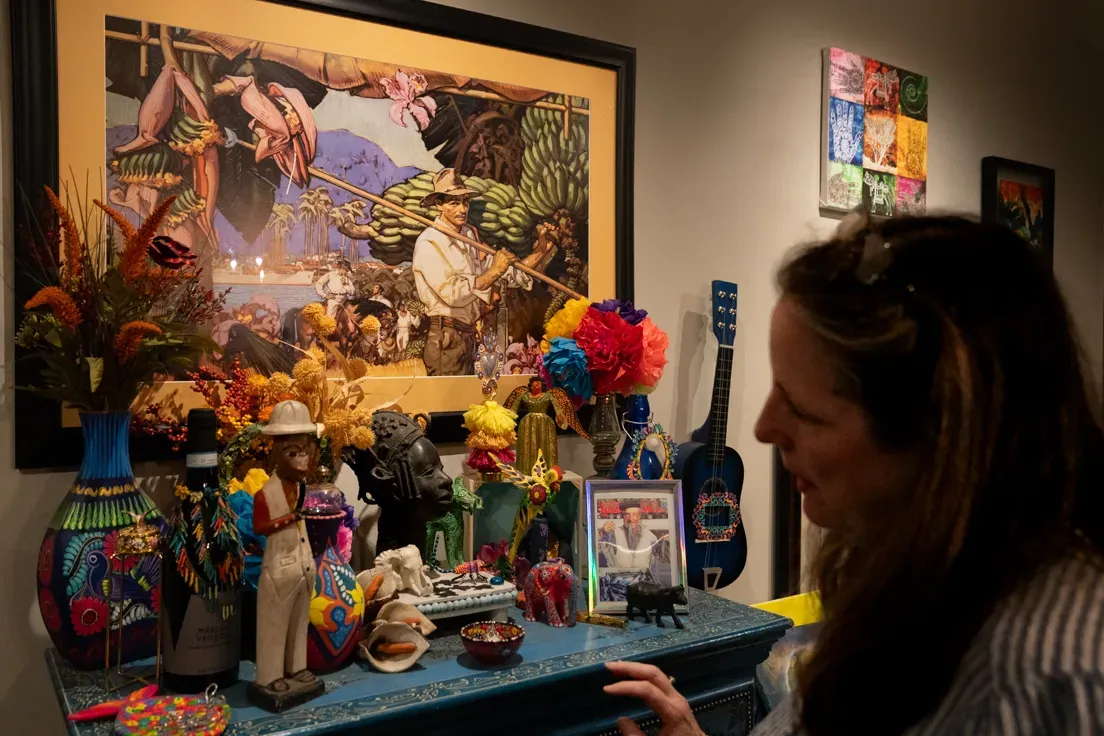
USAID Stopwork, a website tracking the economic impact of the USAID funding cuts, estimated that 20,490 American jobs have been lost as of September. This number does not include consultants like Price.
An analysis in The Lancet estimated that USAID assistance—aimed at combating diseases such as HIV, tuberculosis, malaria, and polio, reducing maternal and child deaths, and fighting malnutrition — saved 92 million lives over two decades.
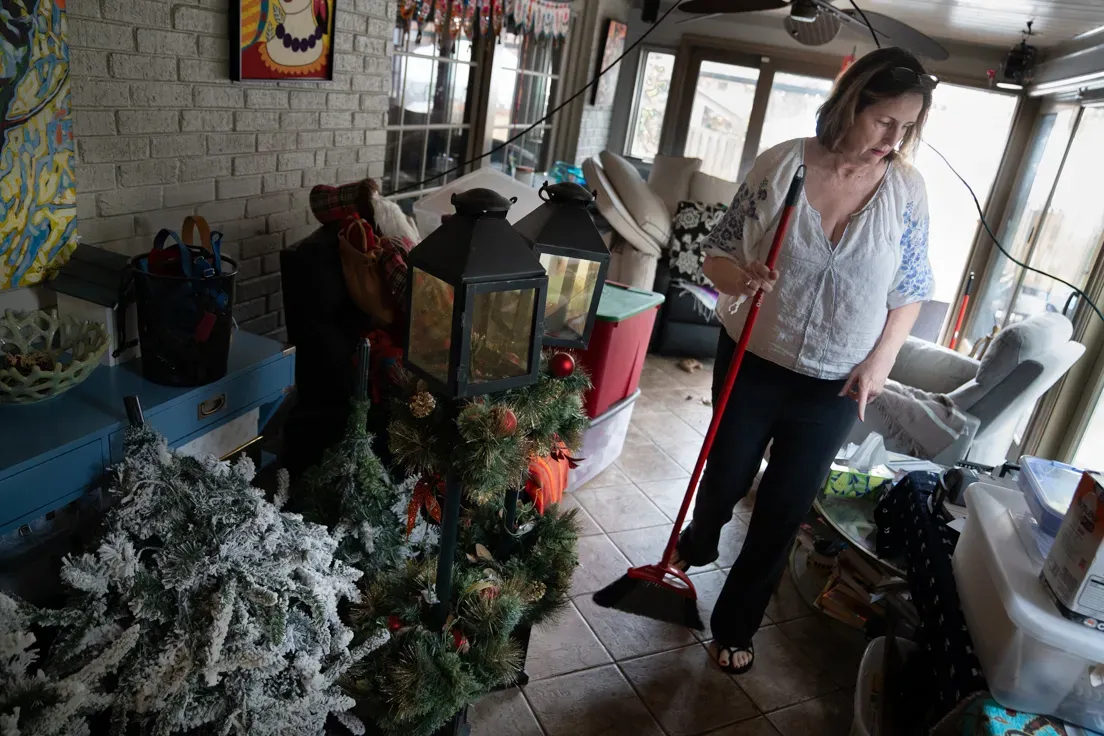
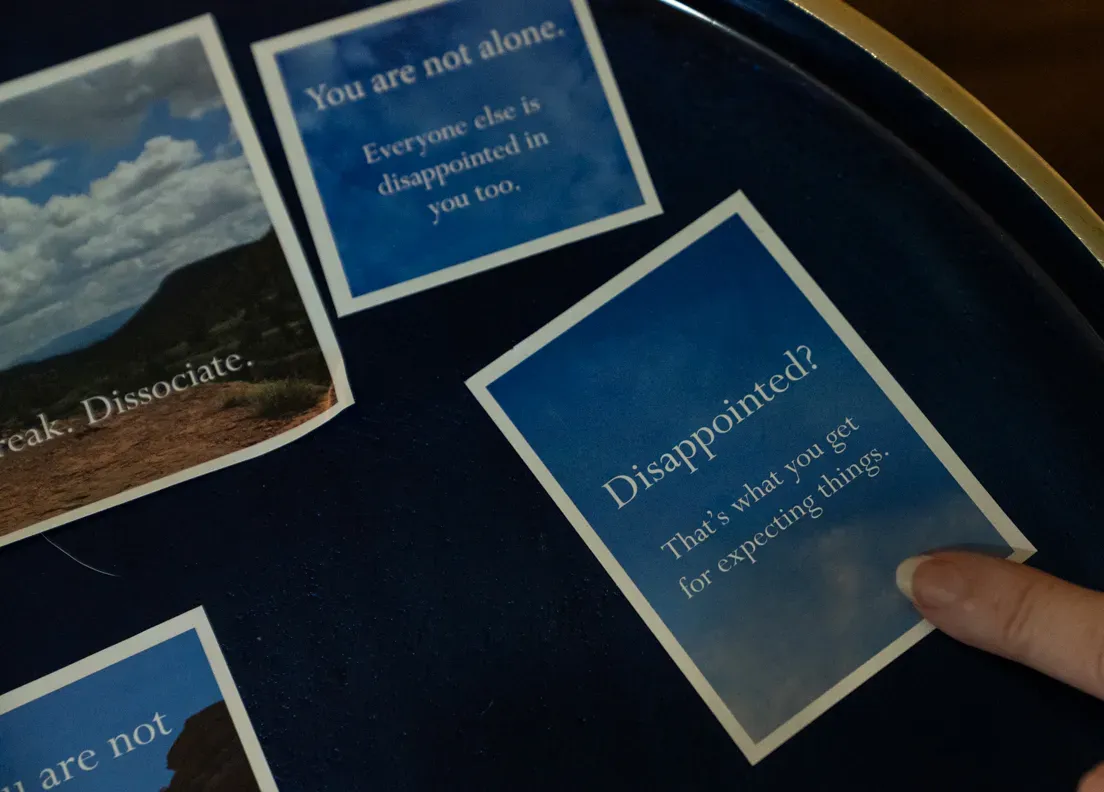
Price grew up in a working-class Texas family, but earned degrees from the University of Texas and Johns Hopkins. An occasional "y’all" still slips out in conversation. She spent decades climbing the ranks of USAID contracting firms.
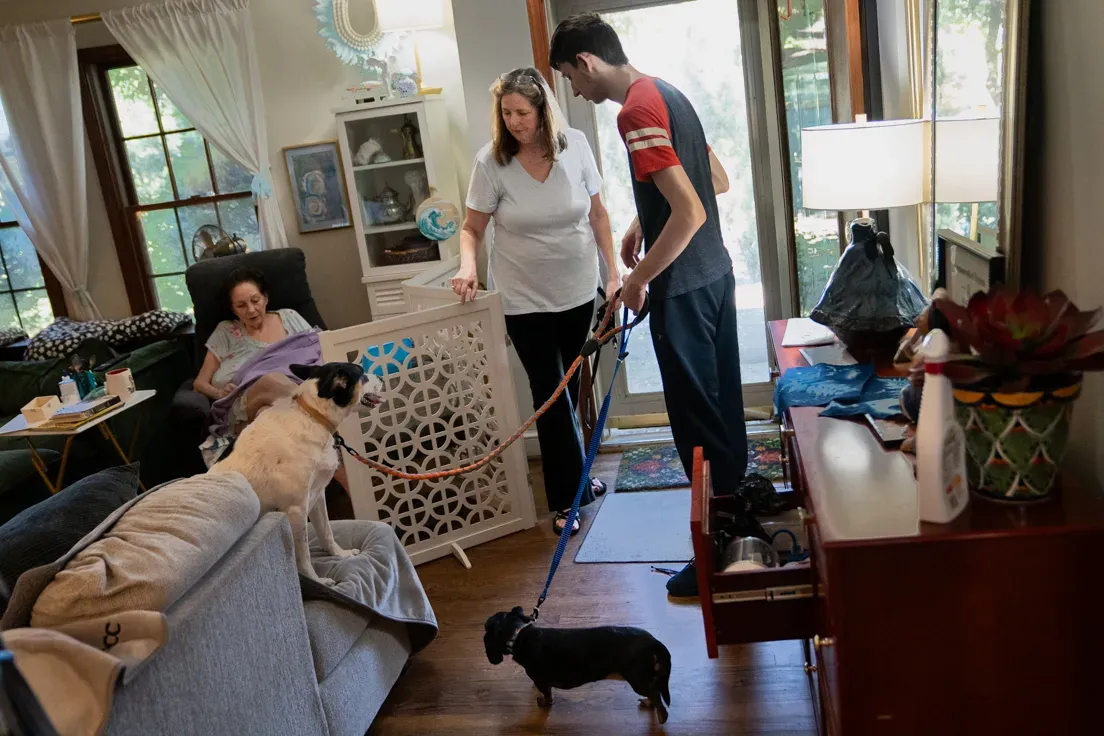
Being fired — or “DOGE’d” — upended the already precarious stability of Price’s family. Price, a divorced mother of two teenagers, shares her home in Northern Virginia with her sister, Terrelita, and her mother, Sherrye.
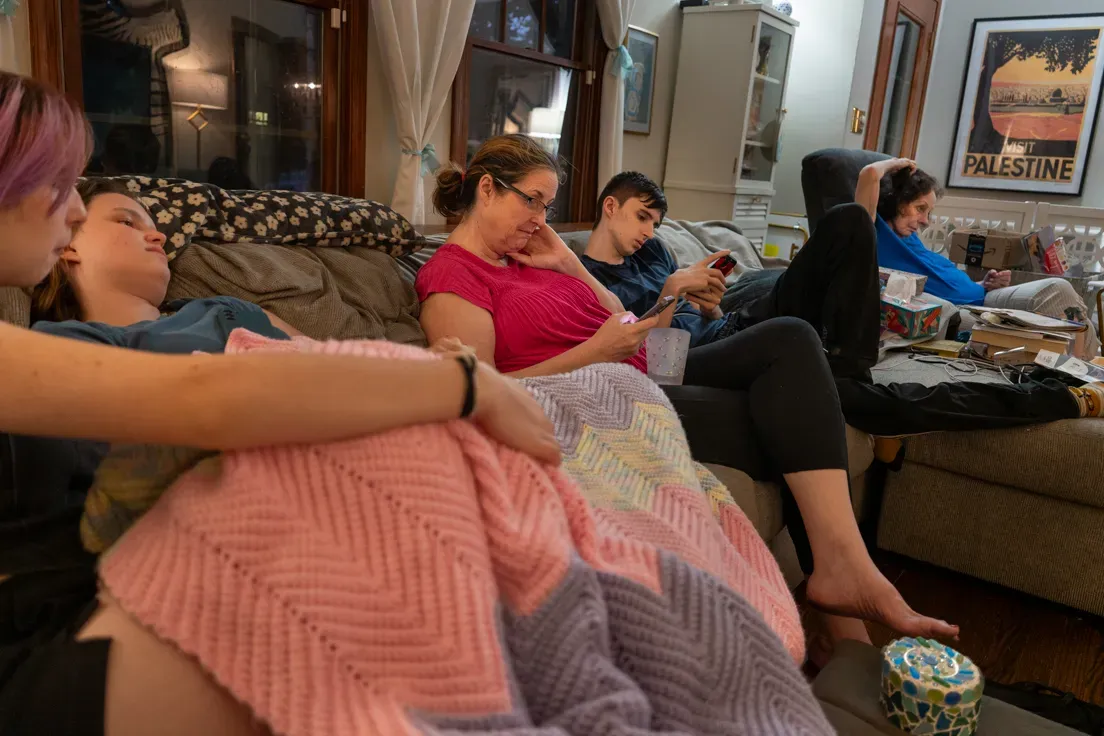
Price applied for jobs and found herself competing with thousands of other newly unemployed government workers. “Work is impossible to come by, ” she said.
She drained her savings. In April, her bank account got down to $3,000 —nowhere near enough to cover rent, much less the $1,500 copay on a surgery that ultimately cost her another $7,500.
This summer, she broke down and filed for unemployment benefits: $388 a week.


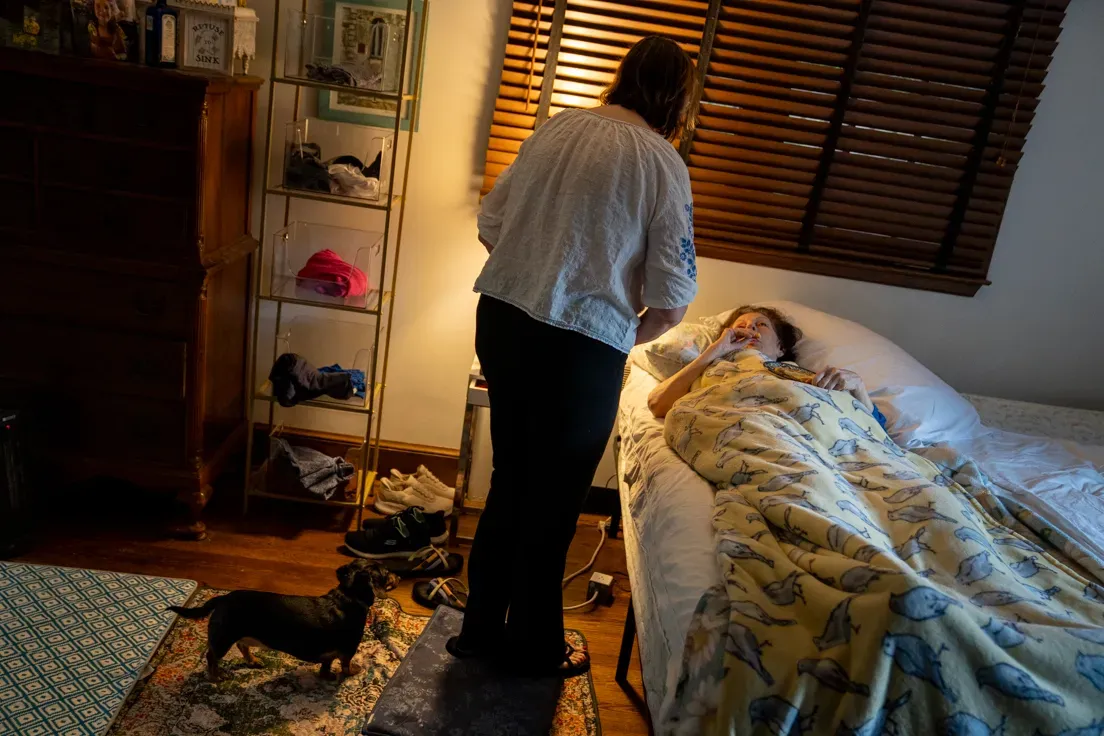
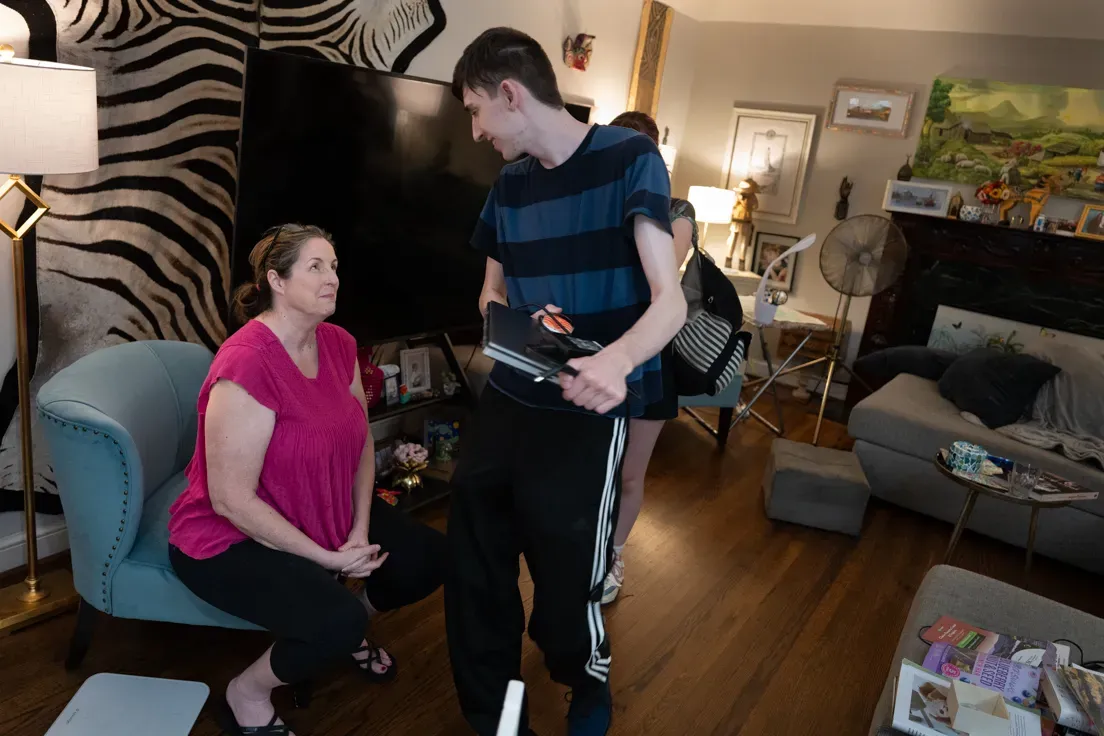
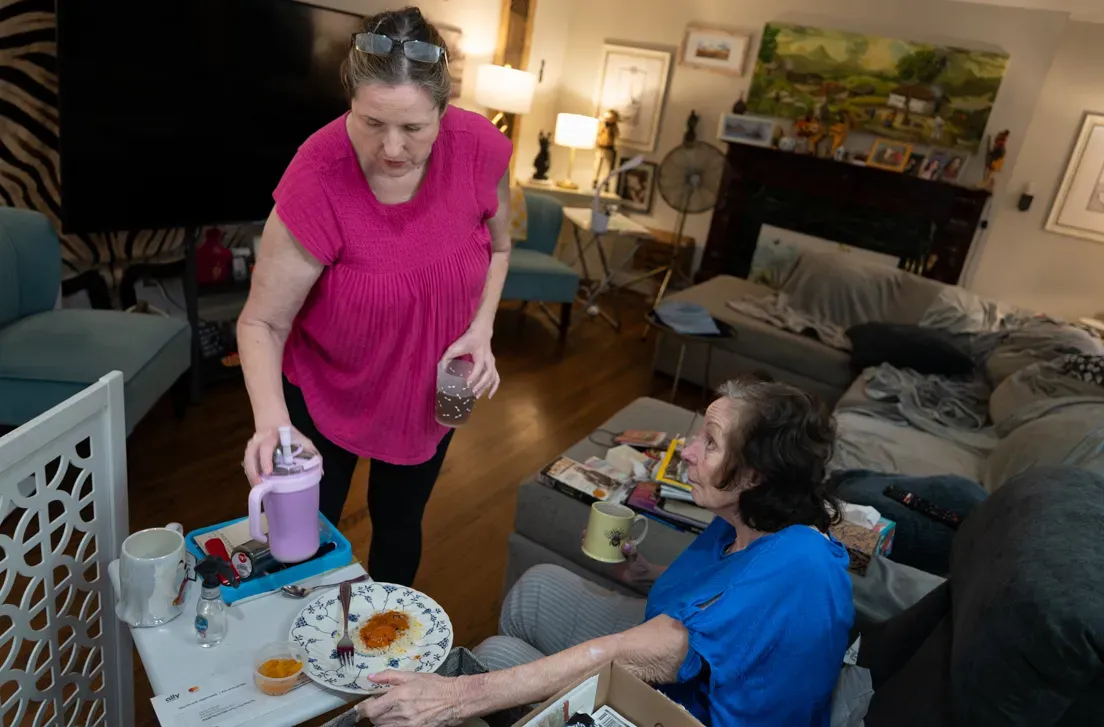
Price and her family have also struggled with health problems.
Her 19-year-old son, Alistair, was diagnosed with autism in March. “I've been trying to figure out the support services that he needs in order to be successful,” she said.
Price’s 80-year-old mother, Sherrye, has dementia and needs constant care. A few years ago, Price moved her mother from Texas to an assisted living facility a few miles away. In June, Price moved Sherrye to her home, saving money and providing family care.
Finding a job in the DMV (District of Columbia, Maryland, and Virginia) is tough these days. Virginia’s unemployment rate is at 3.9%, but is rising fastest in Northern Virginia, where federal jobs have been concentrated. Unemployment is projected to rise to 5.0% with virtually no job growth expected in 2026 and very little in 2027, according to an economic forecast from the Weldon Cooper Center for Public Service at the University of Virginia.
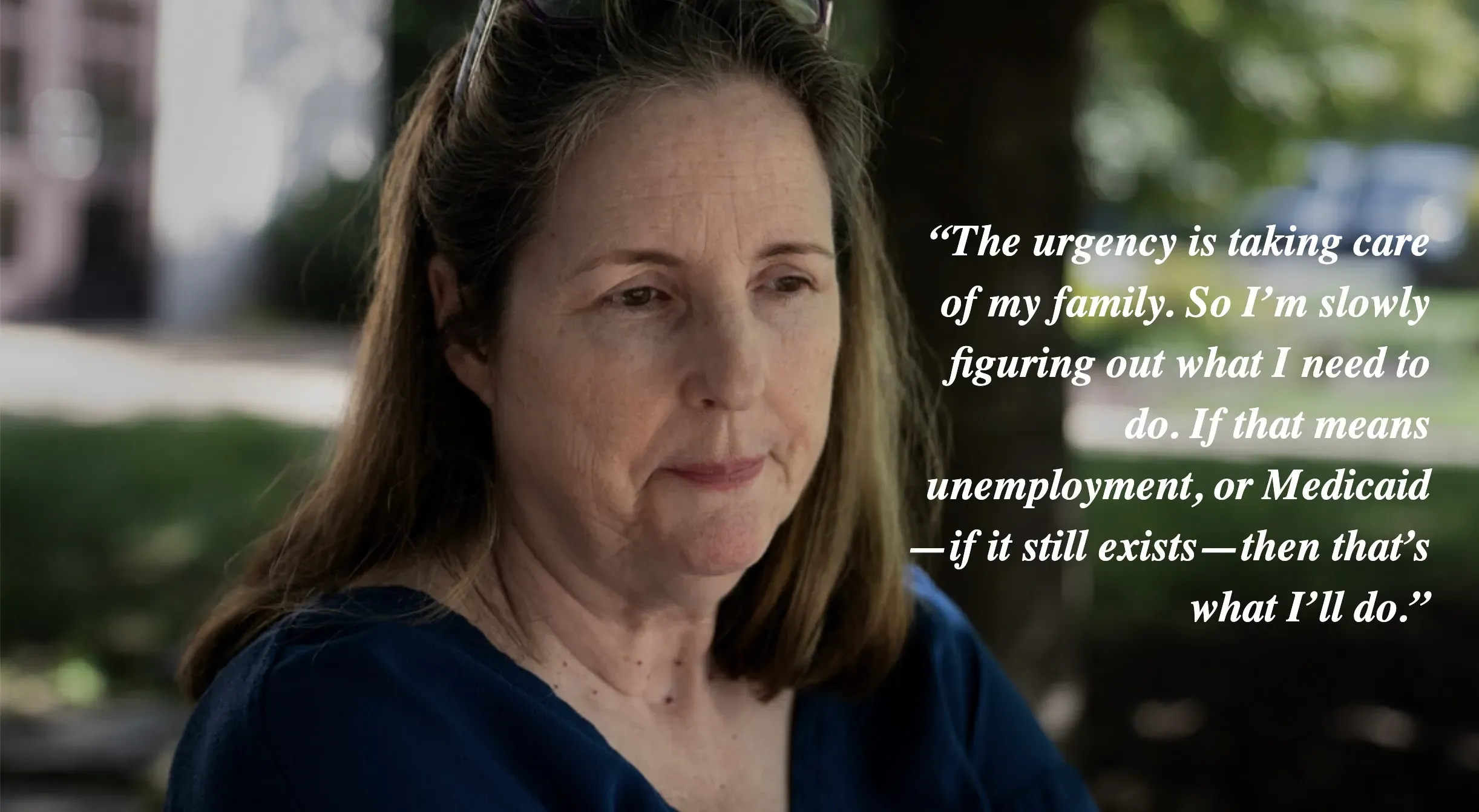
Some former colleagues are now on SNAP. Price smiled and said, “I’m not going to be a bag lady.”
But the fear behind the joke is real.
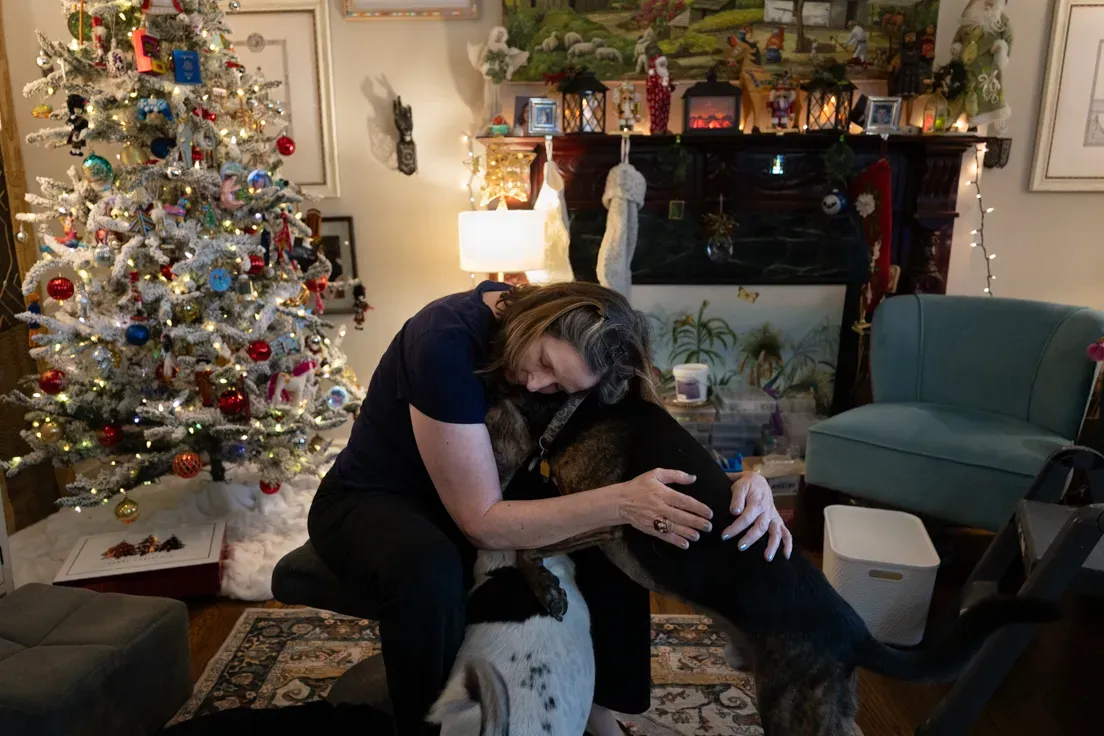
Despite the upheaval, Price refuses to let despair dominate her home. This Christmas, she insists, will still feel like Christmas. She’s baking cookies. There will be presents.
“The despair comes from making sure my family is okay,” she said. “And they are … yeah, they’re thriving.”
What comes next professionally is unclear.
“I miss the excitement of going to another country, getting to work with other cultures, helping people achieve their goals,” she said. “There’s a part of me that’s like, 'Wow. I can’t believe that career is over.'”