Pulitzer Center Update September 21, 2026
Behind the Story: Indigenous Women Teach Lessons in Climate Resilience
Country:

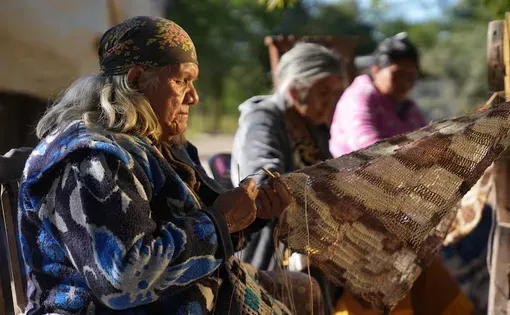
How climate change is reshaping the lives of rural and Indigenous women


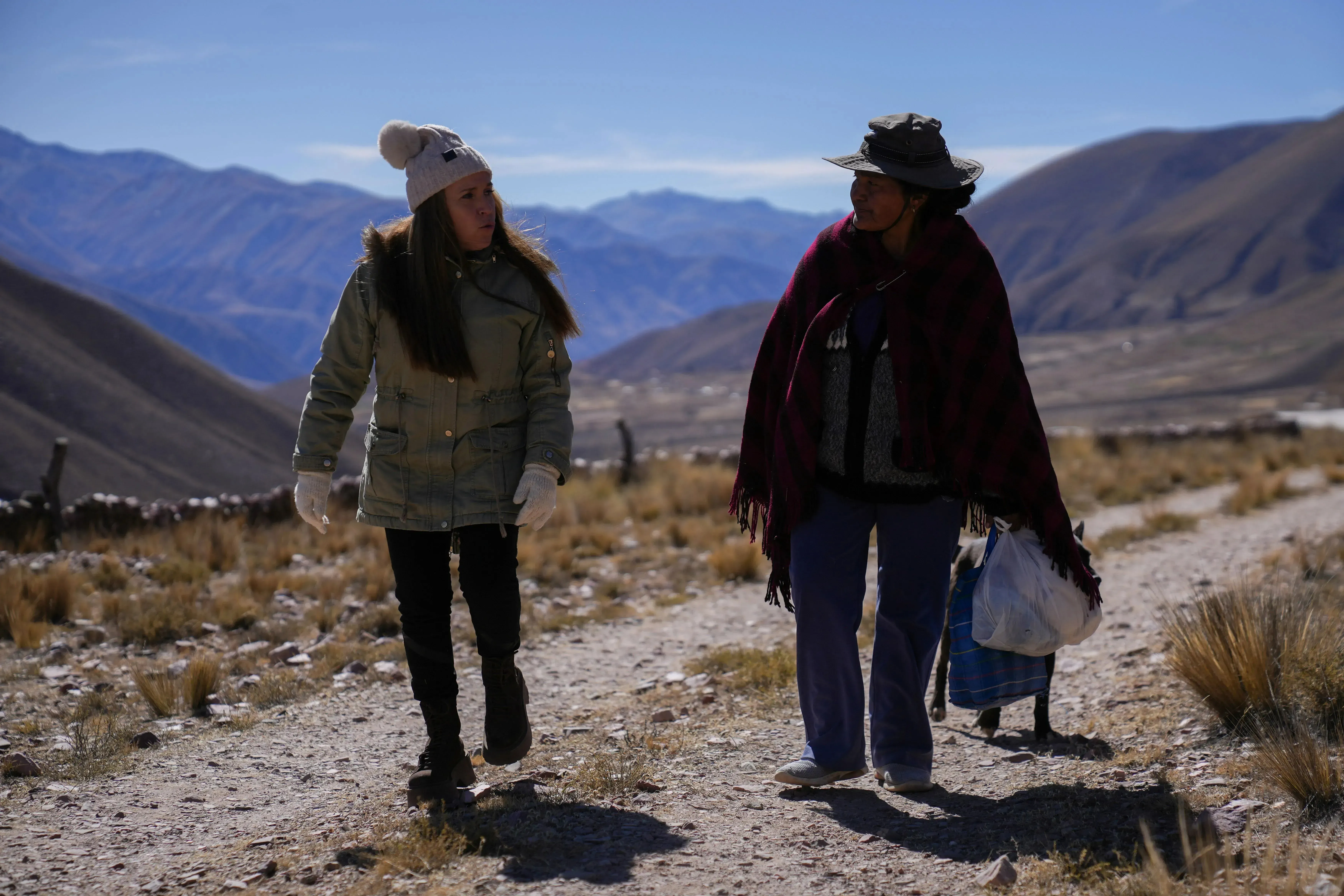
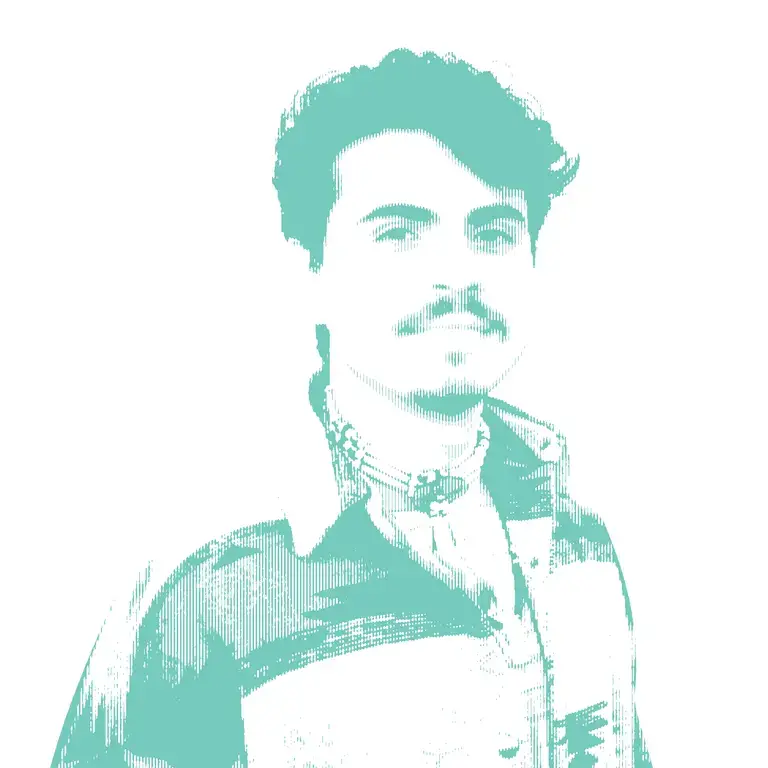
“Indigenous communities have so much to share with us—so much for us to learn from them,” said Daniela Blanco, a Pulitzer Center grantee and editorial director of Infobae, an Argentine online newspaper.
Blanco traveled to the Gran Chaco Americano region in South America to report on Indigenous women who are adapting their traditional local economies to the changing climate.
The Gran Chaco is the second-largest forested region in Latin America, after the Amazon, and is a vital carbon sink. In recent years the region has faced dramatic climate events: violent winds, taxing droughts, and flooding that has disrupted the lives of the people living there.
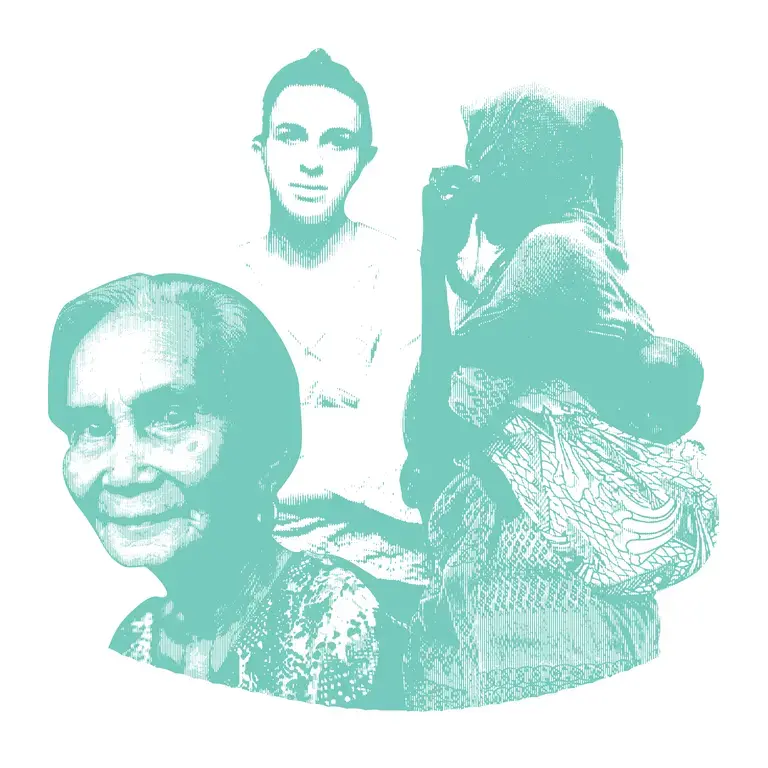
Blanco spoke with four groups of Indigenous women who are leading their communities in adapting to their changing homes.
“For these Indigenous communities, it means there’s no more water, there’s more wind, the rains are sporadic—sometimes there are floods, sometimes there’s drought. And they have to live with that and figure out how to carry on,” Blanco said. “In a small community where people still have to work with their own hands just to survive and eat, climate change has a dramatic impact.”
Pulitzer Center Publishing Assistant Ella Beiser spoke with Blanco about how these women are leading their communities to create resilient production systems while preserving their traditions and culture.
The following interview has been edited for length and clarity.
Ella Beiser: Introduce yourself and briefly explain your project.
Daniela Blanco: I’ve been with Infobae—the world’s most-read Spanish-language digital newspaper—for 20 years now. I’m currently the editorial director at Infobae.
The truth is that this project (supported by the Pulitzer Center) involved a thematic trilogy that really challenged me.
What is this trilogy? It involves seeking out women—in this case, we’ve added women from Indigenous communities—who, through their resilience and their transformation in productive activities, can highlight climate change in their communities.
There were three interconnected themes: women, climate change, and resilience in production systems. I found that trilogy fascinating.
First, it was essential to go to the field, and then to focus on the context of Indigenous communities. That’s what made it appealing and gave it a dimension—and speaking as the project’s creator, I can tell you it was fascinating and resulted in some really beautiful films.
And then I added an idea of my own that I proposed to (the Pulitzer Center), and they took it with an open mind and let me do what I liked—not just go out and find stories, listen to them, write them up, and include two or three nice photos—but I wanted to make little films of whatever we were going to find.
There ended up being four pieces in total, plus a photo gallery that was released on three consecutive Mondays. And a really beautiful photo gallery. It turned out to be a kind of transmedia (multiplatform) content that’s very much in the Infobae style.
I have to say that if I hadn’t had the support of the company I work for, it wouldn’t have been possible. First, because I took time off from my job. Second, because I had full support to take a camera with me on the trip. And that’s how we were able to do this project and publish it.
Sometimes this kind of story reaches only a specialized audience. And what’s interesting here is that it reached the general public.
There were many narrative challenges there. First, I’m going to say something that we journalists will understand. Indigenous communities have so much to share with us—so much for us to learn from them—and honestly, those of us living in big cities and urban areas would be much better off if we took that to heart.
At the same time, they are communities of few words. So there was a very interesting challenge there: to build a narrative around something that required listening—and to get them to share their stories with us—because only by being with those sources on the ground could I craft my stories. I had to listen to them. So for each film, I spent several days with them, and that was wonderful.
Beiser: What kind of climate impact did you see in the communities you went to?
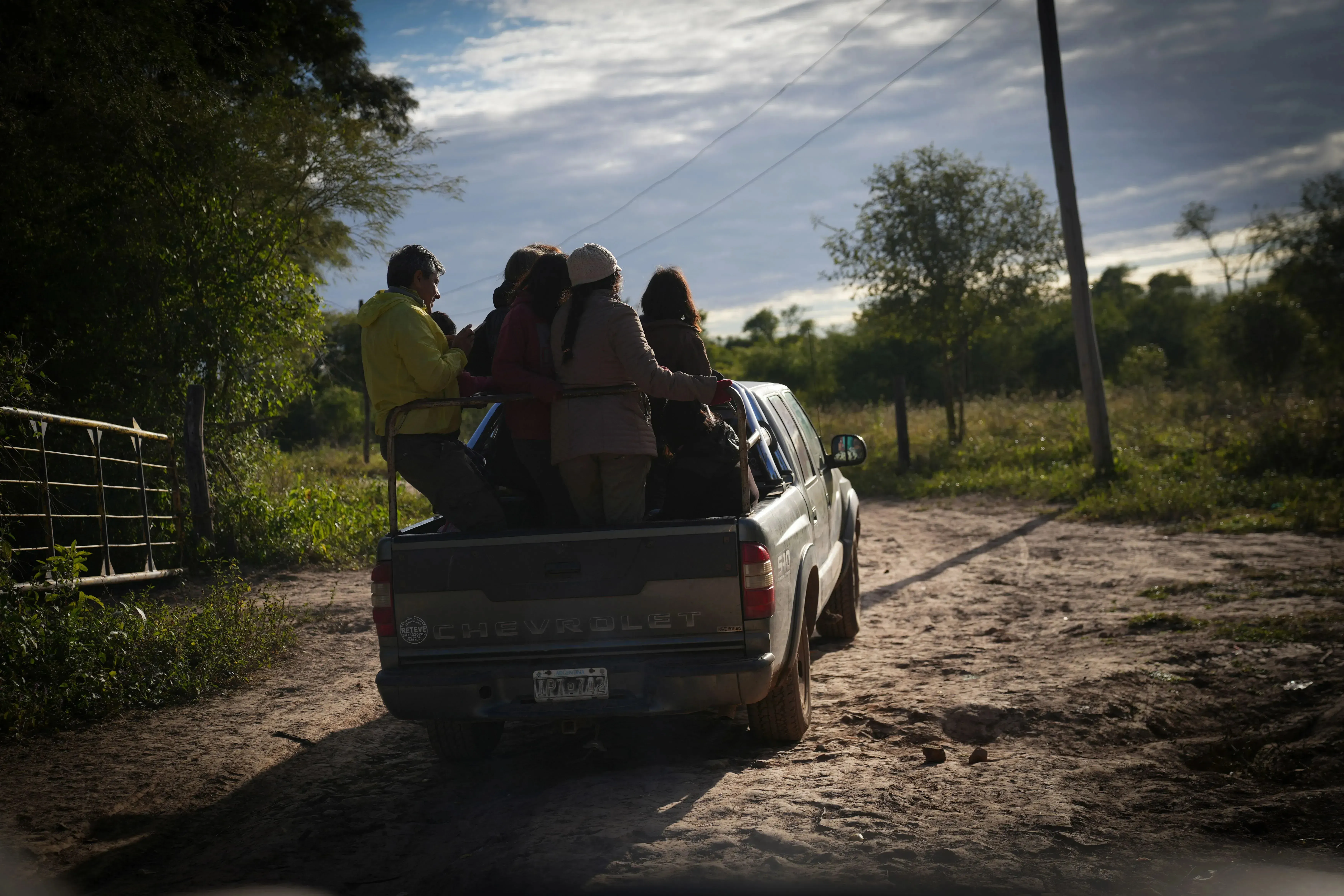
Blanco: I visited the Wichí communities in Salta, the Guaraní community also in Salta, and the Kolla community in Jujuy, right on the Jujuy-Salta border—depending on which side you’re standing on, it’s almost in both provinces—and a very local Jujuy community in Vinalito, a town founded by what are called Creole Indigenous communities—people born and raised in that area of Jujuy.
The challenge was to spend time with them and get to know them. That’s what gives a documentary meaning, which I think is the most important thing these documentaries leave us with. Even the term “climate change”—which I love and which is so powerful in this 21st century—sometimes feels empty of meaning to me.
What is climate change? Well, for these Indigenous communities, it means there’s no more water, there’s more wind, the rains are sporadic—sometimes there are floods, sometimes there’s drought. And they have to live with that and figure out how to carry on, because it’s not the same as in big cities—even though climate change affects us all. But in a small community where people still have to work with their own hands just to survive and eat, climate change has a dramatic impact.
I learned a lot from the Indigenous communities. The Kollas in the Colanzulí Valley, at an altitude of more than 4,000 meters, taught me that whether there’s a drought or flooding, they still have to walk six hours to find their food. It was important to later recount and narrate all of that in three languages: photographic, textual, and audiovisual.
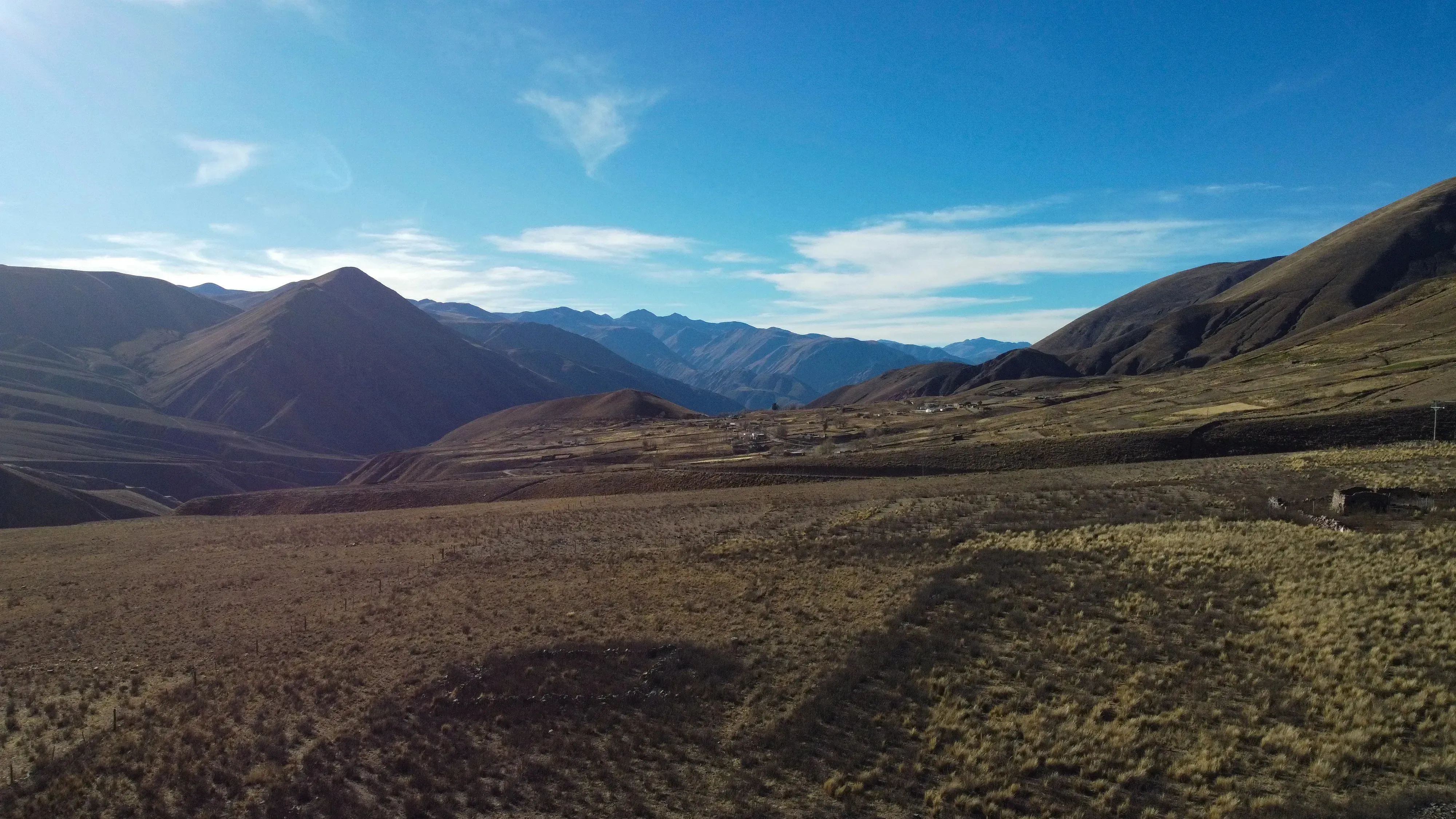
Beiser: Describe the Gran Chaco Americano for someone who knows nothing about the region.
The Gran Chaco itself comprises 15 Argentine provinces. All of these provinces in central, northwestern, and northeastern Argentina make up the Gran Chaco Americano.
The region has enormous territorial diversity. It is considered, after the Amazon, the second “lung” of Latin America because of its forests, its rich flora and fauna, and its territorial diversity. That said, it has been severely ravaged by climate change.
All of this is happening simultaneously right now in the Gran Chaco Americano. There are droughts, there are floods, and the forests have been ravaged by industrial projects, agriculture, and cattle ranchers. So this is a very rich area—and I repeat, it is Latin America’s second “lung” after the Amazon—that has been cut down and ravaged. The Great American Chaco is beginning to suffer the same consequences as the Amazon if we don’t wake up.
Who is addressing this issue that is causing almost inexorable climate change? Because global warming follows, doesn’t it? Indigenous communities are doing what I would call a very primitive yet wonderful job of reforestation. They are seeking alternatives to floods and alternatives to droughts so they can continue harvesting organic crops directly from the land.
We all talk a lot about blue zones—areas where people walk, areas where crops are grown naturally without pesticides or agrochemicals. This is what Indigenous communities are doing, and it’s not something they read about in books. It’s in their very being, in their ancestral heritage. Their ancestral heritage compels them to care for the land.
It strikes me as a perfect synthesis: They’re reforesting, they’re harvesting without pesticides. But they can’t keep the profits from what they harvest because, of course, they grow potatoes and vegetables without toxins, and then big companies come along, take that original product, and sell it in major urban centers. That profit doesn’t reach those communities. The communities remain poor. We have to tell the whole story.
They have a spirit of understanding the impact of climate change and figuring out how to address it—something the world’s big companies lack.
Beiser: There are very few men featured in the project. Are the women at the head of these innovations?
Blanco: Yes, the women are leading this change.
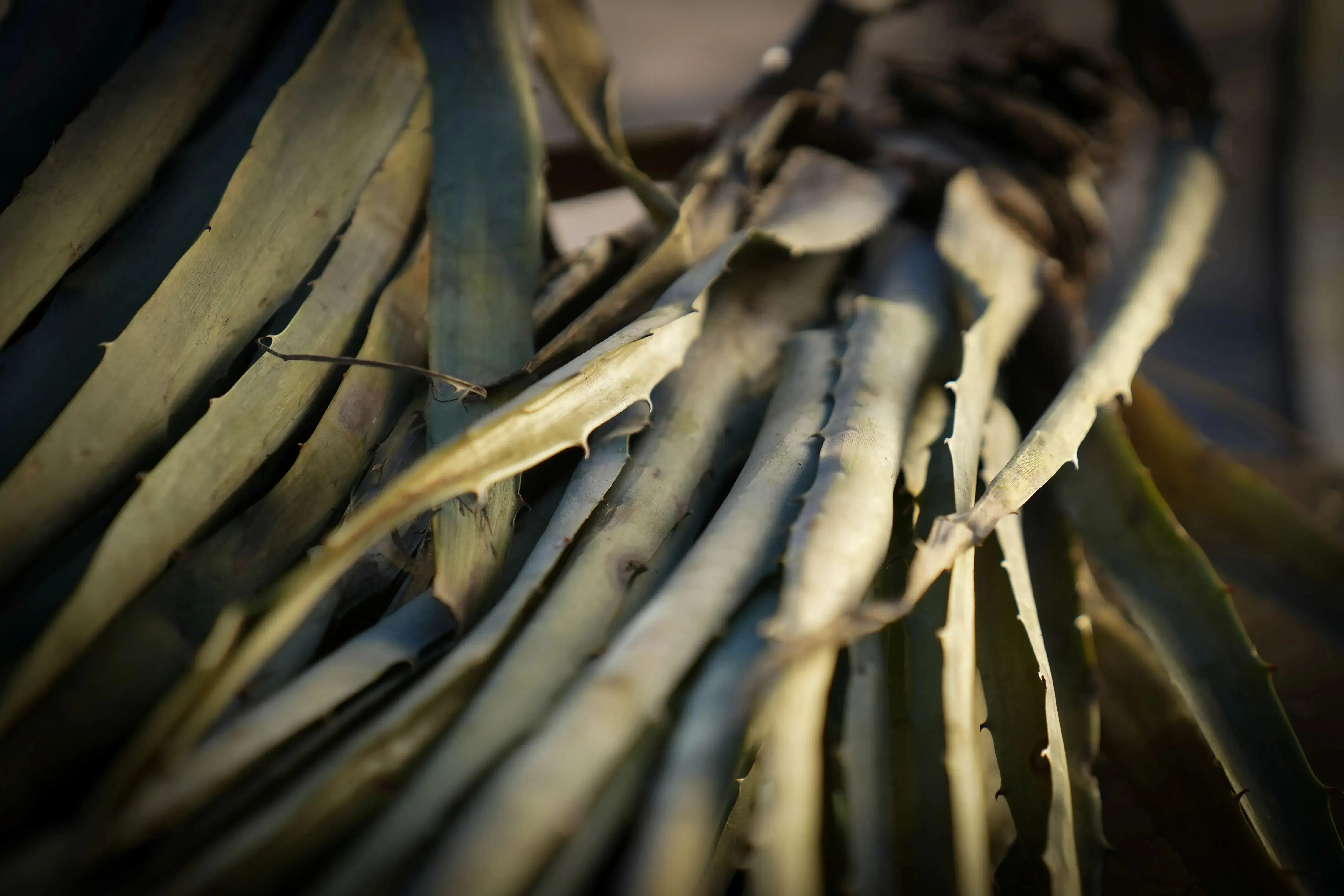
The Wichís have a very traditional, chieftain-led system where men are in charge. But men don’t go into the forest to cut the chaguar. The women do. In the case of the Wichís, they make their living from handicrafts made from a plant called “chaguar.” You have to walk for many hours to get deep into the forest, cut your fingers, and harvest the chaguar—which these communities have been harvesting for years. Once you’ve harvested it, you have to boil it and turn it into fiber. That fiber is turned into handicrafts, and that’s how the community makes its living.
The chief sits and waits for the Wichí woman to feed him and bring him chaguar, but he doesn’t go into the forest to look for it; he just takes care of his women.
So what happens to the Wichí woman today? Are they going into the forest? Since the forest has been deforested, there’s almost no chaguar left. They have to spend more hours looking for it, so they have less time for handicrafts.
The women are working on a solution together with Argentine biologists and scientists to see if, instead of planting chaguar in the forest, a woman can grow it at home, in her backyard. This is an unexpected and wonderful development. The women are leading the effort.
The Kollas walk, climb, and descend as if they were Russian athletes. They have to climb down with the llamas and cows to get milk, and they plant crops.
The ones driving change and transformation are women. The Kolla men wait at home.
Climate change and resilience in production systems are interconnected concepts, and this is happening today in the Great American Chaco.
In other words, the Kollas, the Guaranís, the Criollos, and the Wichís are experiencing the impact of climate change in their daily lives and are making changes to the land, their production systems, and their way of life—rather than sitting idly by.
This is something that is happening, and they have brought it about through ancestral wisdom, a connection to the land, and production models that—I dare say—we will likely have to replicate soon in large urban centers, because certain aspects of climate change are inevitable. In other words, they are going to happen.
Then there’s women’s leadership—there’s something there about the strength of humanity and the connection to the future. In other words, to survive—to transcend something very present in these communities—not in the sense of going to heaven, but in terms of living long lives and enduring over time—we must connect with these phenomena that the Earth offers and transform them.
So, leadership is, quite frankly, feminine.
And then I have questions about the new generations who, in a way, are looking up to these women between the ages of 40 and 60—the ones who are leading the change—and who, it seems to me, want to stay in those communities and transform and improve things.
So it seems to me that there is a connection there—a transgenerational aspect—that I find very powerful, very active, and one that points to the future. These communities have a future.
And lastly, I think the connection with social organizations is important. These are young biologists, sociologists, political scientists, and chemists who understand the problems of the Earth, the land, water, and astronomy, and who work alongside Indigenous communities.
From this partnership—science and Indigenous communities—only good things will come.
Beiser: Did you learn anything unexpected in your reporting?
Blanco: I didn’t expect Indigenous communities to be so well-informed and aware—I insist—because of their ancestral heritage and their connection to the land regarding climate change.
I thought they’d know the basics of climate change and how to address the problems. But they have a wealth of information. If we listened to them and got closer to them, we’d know what to do about the floods, what to do about the mountains, the elevation, and the water shortage.
I tried to raise the problem, the conflict, and the solution in each of the transmedia episodes. But they have a lot of solutions that we should listen to more and implement more. Sometimes the very province that is home to the Kollas, the Guaraní, or the Wichís doesn’t listen to them when it comes to addressing problems with drought or flooding. They’re right there—they’re right nearby—and yet they don’t do it.