Project August 26, 2026
Gabon Moves To Reclaim Iboga As the Global Ibogaine Boom Accelerates
Country:

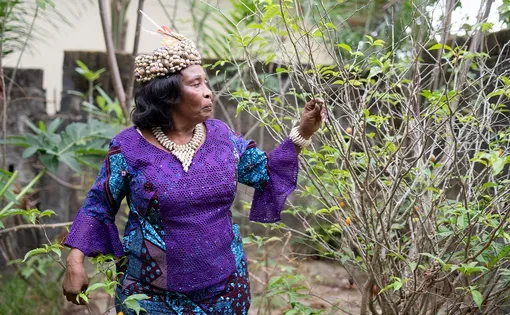
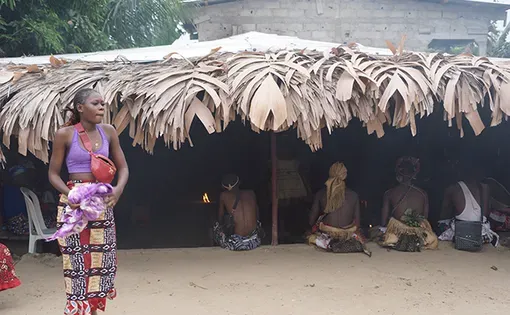
In Gabon, Central Africa, iboga's traditional use began as forest knowledge, credited by oral tradition to the Babongo and other forest communities, and later carried and adapted by the Bwiti and Bwete traditions. What those communities built now underpins a rapidly growing international ibogaine industry expanding far from Gabon, largely beyond the authority of the communities closest to it.
On May 22, 2026, President Brice Clotaire Oligui Nguema signed Decree No. 0239/PR/MJSRCAVA, establishing a national framework to govern access to iboga, its derivatives, and associated traditional knowledge. Journalist, ethnobotanist, and ecopsychologist Molly Helfend reported from Libreville and surrounding communities in July 2026, as Gabonese practitioners and associations pressed for real authority over what comes next.
For Mongabay, Helfend asks whether exports promoted as legal and equitable delivered lasting benefits to the communities involved, and whether cultivation and traceability can ease illegal harvesting of wild plants. She also examines how the decree extends Gabon's earlier Nagoya stance beyond trade to the intellectual property built on iboga, including patents on ibogaine's derivatives and metabolites. In The Guardian, she follows traditional Bwiti and Bwete associations organizing nationally while resisting the claim that any single branch speaks for all. Her piece for Gabon Review, in French, turns to ancestral identity and Christian families slowly making room for relatives who practice Bwiti.
Reported through interviews, site visits, and Helfend's own photography, the project asks whether Gabon's move to reclaim iboga will place authority with the original communities whose knowledge the industry was built on.