Story
 August 10, 2026
Alabama's Death Penalty: Inside the System That Changed Capital Punishment in America
Country:

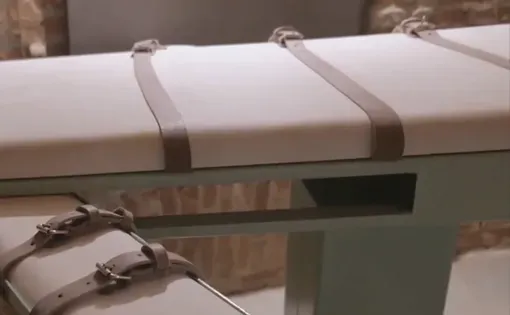
Alabama remains one of the nation’s most active death penalty states, yet many residents know little...
For decades, Alabama has remained one of the nation's most active death penalty states. Today, it also stands at the center of a national conversation after becoming the first state in U.S. history to carry out an execution using nitrogen gas—a method that had never before been used anywhere in the world.

As a nonprofit journalism organization, we depend on your support to fund more than 170 reporting projects every year on critical global and local issues. Donate any amount today to become a Pulitzer Center Champion and receive exclusive benefits!
The decision has drawn international attention, praise from supporters who believe it provides justice for victims and their families, and criticism from opponents who question its legality, ethics, and humanity.
But beyond the headlines, many Alabamians know little about how the state's death penalty system actually works—from the sentencing process and years of appeals to the final hours before an execution.
That is the focus of ABC 33/40's four-part investigative series, where we take viewers inside every stage of Alabama's capital punishment system.
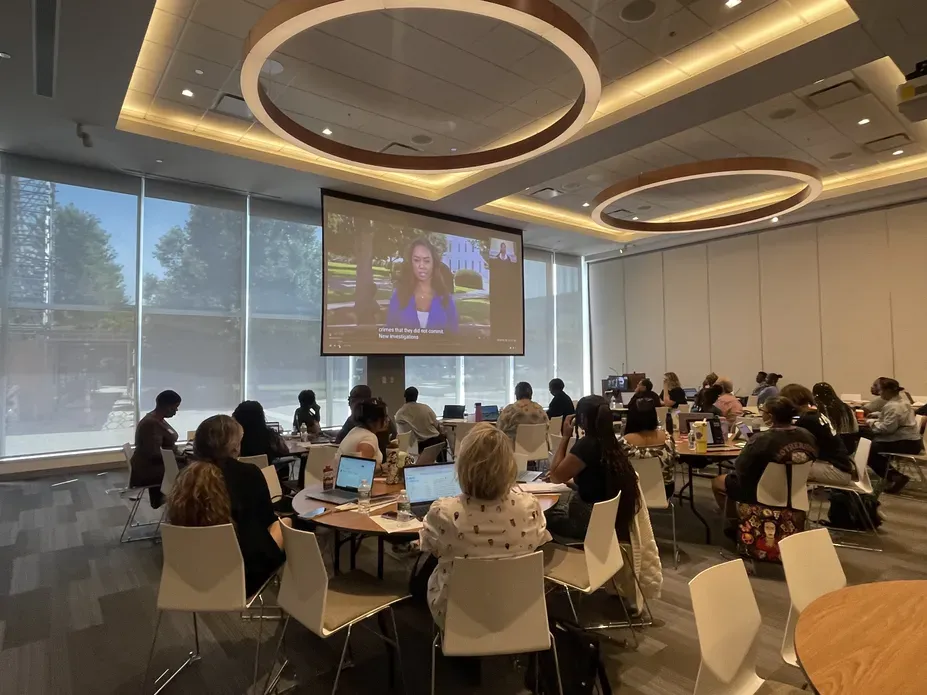

Over the coming weeks, I will speak with prosecutors, defense attorneys, lawmakers, faith leaders, victims' advocates, and people who have witnessed executions firsthand. Together, their perspectives will help explain not only how Alabama arrived at this historic moment but what it may mean for the future of capital punishment across America.
Rather than approaching the issue through politics alone, this series examines the people whose lives have been shaped by the death penalty—those seeking justice, those challenging the system, and those responsible for carrying out one of the government's most consequential powers.
Part One: The Process
The opening installment explores how Alabama became the nation's testing ground for nitrogen hypoxia executions.
We'll trace the legal battles, policy decisions, and scientific questions that led to the state's adoption of the new execution method while examining the broader evolution of capital punishment in Alabama. Viewers will gain a clearer understanding of how a death sentence moves through the courts, why executions can take decades to occur, and why Alabama has become one of the most closely watched states in the national death penalty debate.
The goal is not to persuade viewers toward one side of the issue. Instead, this project seeks to provide context, answer difficult questions, and offer a fact-based examination of a system that continues to shape lives, public policy, and the criminal justice system.
As Alabama continues to influence the national conversation surrounding capital punishment, this series will follow where that conversation leads.
Coming Next
In Part Two, we go inside Holman Correctional Facility through the eyes of a pastor who has spent years ministering to condemned inmates during their final hours. He shares what happens behind prison walls before an execution—offering prayer, comfort, and one last conversation with those preparing to die.
Join me, Ashonti Ford, as we explore how Alabama changed the landscape of the death penalty in America—and the questions that continue to define one of the nation's most debated criminal justice issues.