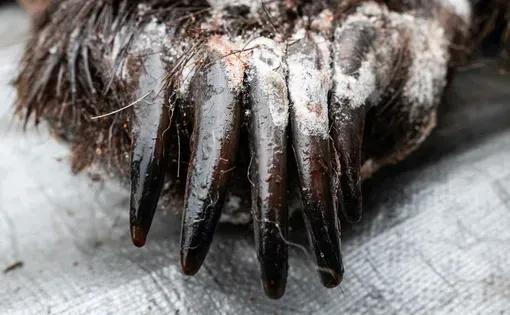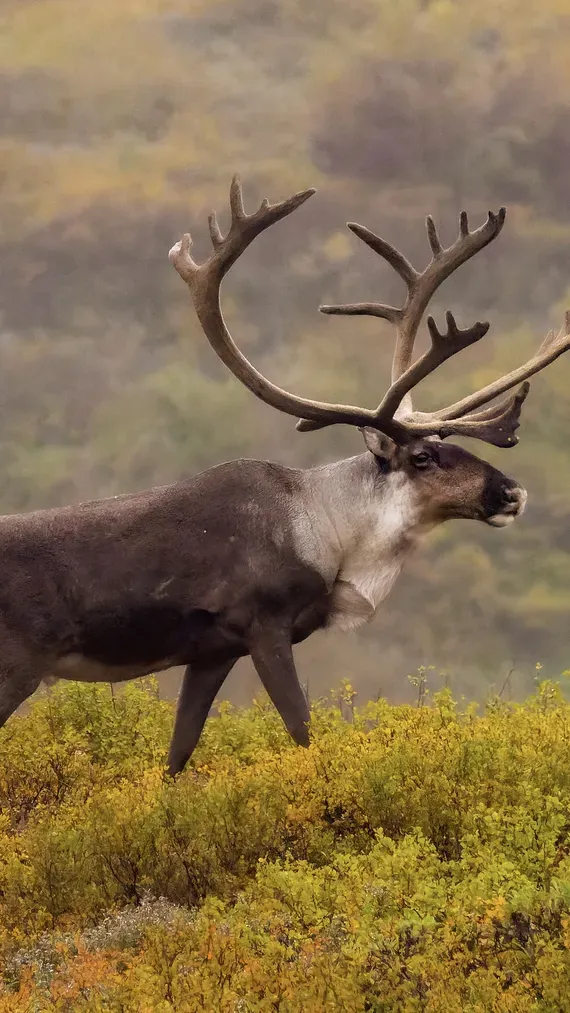


The state of Alaska is engaged in an unprecedented effort to revive a caribou herd by shooting hundreds of brown bears from aircraft. In four years, despite multiple court challenges, it killed 254, including cubs and sows. Wildlife officials are now pointing to a modest rebound in the Mulchatna caribou herd as evidence the program is succeeding, suggesting it may be a template for expanding such efforts into more parts of Alaska where hunters are struggling to harvest wild animals they have long depended on for food.
Critics, from scientists to hunting guides, say the project is reckless, risking the bear population for a caribou rebound that is not likely to endure. Though predator control as a wildlife management strategy is not new, the scale and intensity of Alaska’s efforts against bears is exceptional, and highly controversial.
The Anchorage Daily News investigated the science behind Alaska’s consequential predator control program, with its implications for an iconic species. The paper combed through court filings, scientific management reports, and testimony from years of public meetings. Additionally, journalists Zachariah Hughes and Marc Lester traveled to meet the rural Bristol Bay region bear guides, tribal leaders, subsistence hunters, fishermen, and a range of others living close to the issue with a mix of attitudes toward predator control policies.