Story
 June 26, 2026
Kenya’s Gen Z Protests Push for Large-Scale Voter Registration in Bid To End Corruption
Country:

Students report on various issues around the world.


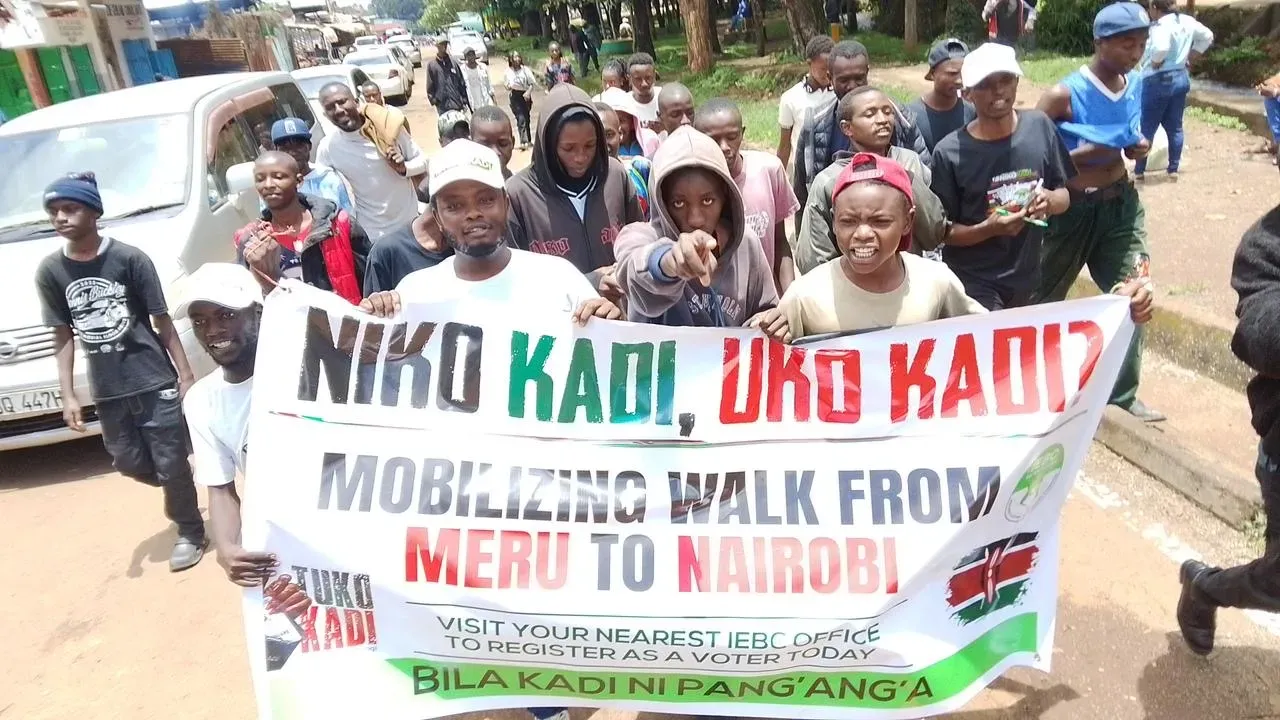
Youth are expected to be the largest voting bloc in the 2027 Kenyan general elections.
NAIROBI, Kenya—After the bloody countrywide Kenyan protests of 2024 and their resurgence in 2025, some are looking to hone that energy toward the voting booth. A movement for large-scale voter registration has emerged as the youth vote is slated to be the largest voting bloc in Kenya come 2027.
Protests around the world said to be a part of a wider youth awakening ended in the overthrow of governments. But the Kenyan movement didn’t. The plea to fagia wote, or “sweep them all” in Swahili, instead asks for the removal of corrupt politicians from Parliament on election day.
Ademba Allans, a 26-year-old journalist whose eyewitness coverage of protesters killed by state police during the 2024 protests put him in the public eye, has become a vocal advocate for voter registration. Allans founded the Niko Kadi movement, or “I have my card” in Swahili.

As a nonprofit journalism organization, we depend on your support to fund more than 170 reporting projects every year on critical global and local issues. Donate any amount today to become a Pulitzer Center Champion and receive exclusive benefits!
“What happened then is what’s fueling me today,” Allans said. According to Amnesty International, at least 65 people were killed over the wider course of the unrest in 2024.
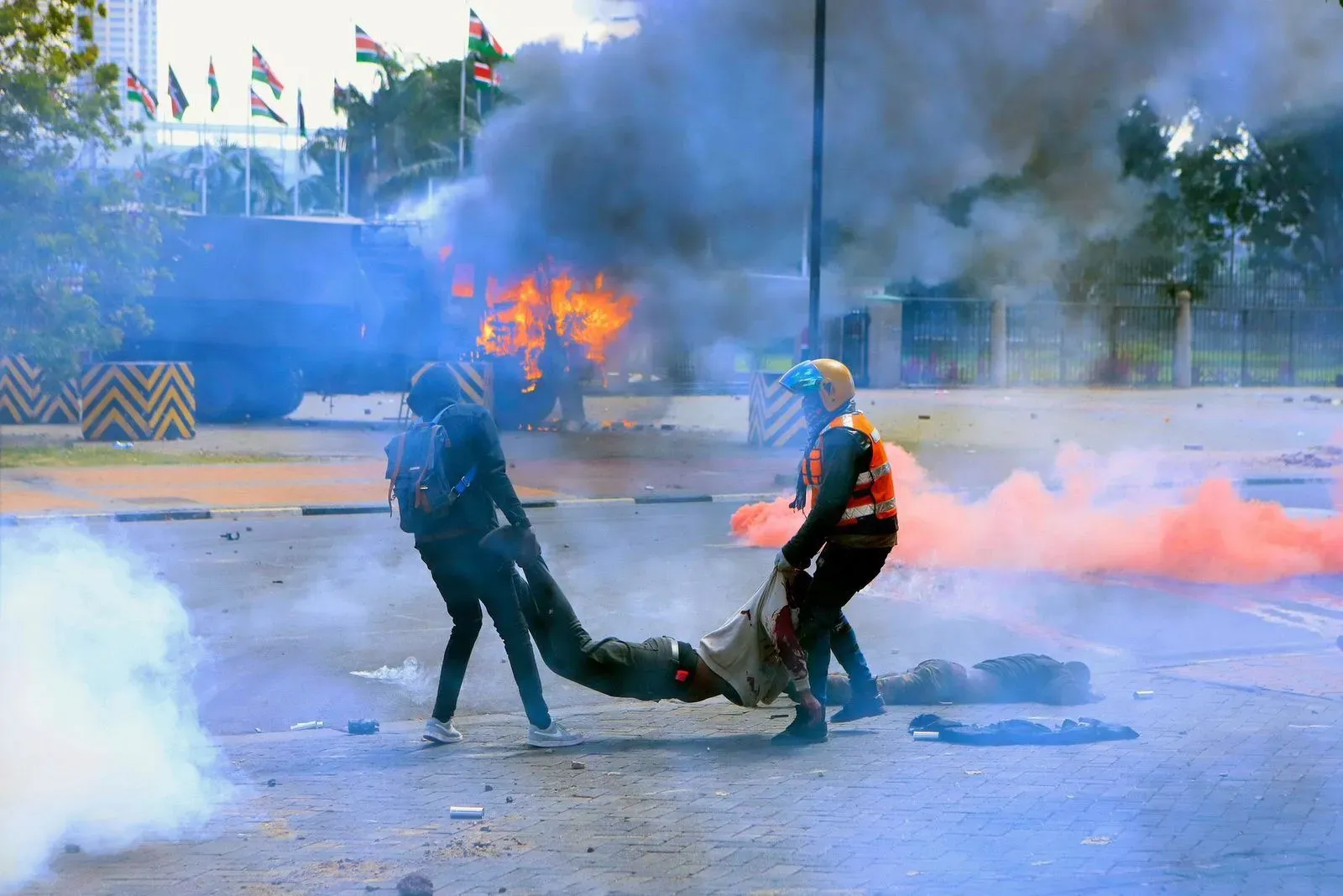
The finance bill that sparked the 2024 outrage proposed to raise taxes for a public already facing soaring unemployment, high costs of living, and the threat of extrajudicial killing. Protesters rallied and breached the Parliament building, even setting it on fire. The bill was eventually withdrawn.
Allans, already a staunch advocate for the vote, started the movement from a post to social media, offering to help people get to the registration booth. He, and partnering community based-organizations (CBOs) such as Mathare Social Justice Centre (MSJC), are holding registration drives ahead of 2027.
Africa’s continental population is the youngest in the world—with 70% of sub-Saharan Africa under 30 years old, according to a report from the United Nations. It is set to double in the next few decades.
“By 2050, we’re expecting a continent that is 2.5 billion strong and a median age of 19.1,” said Martins Kwazema, scholar of historical sciences and future studies at The Nordic African Institute. “And if we have this critical mass of young people without the adequate resources to absorb their energy and all that, we are looking at demographic disaster.”
Kwazema is studying the so-called Gen Z movement in Kenya, alongside similar phenomena around the continent, to find out what they can tell him about the broader future of Africa. Kwazema is also asking if these movements are prepared to take on a rapidly changing society, with young people at the helm.
“What happens next?” Kwazema said he asked activists on a research trip to Kenya. “Are you prepared for the next 40 years?”
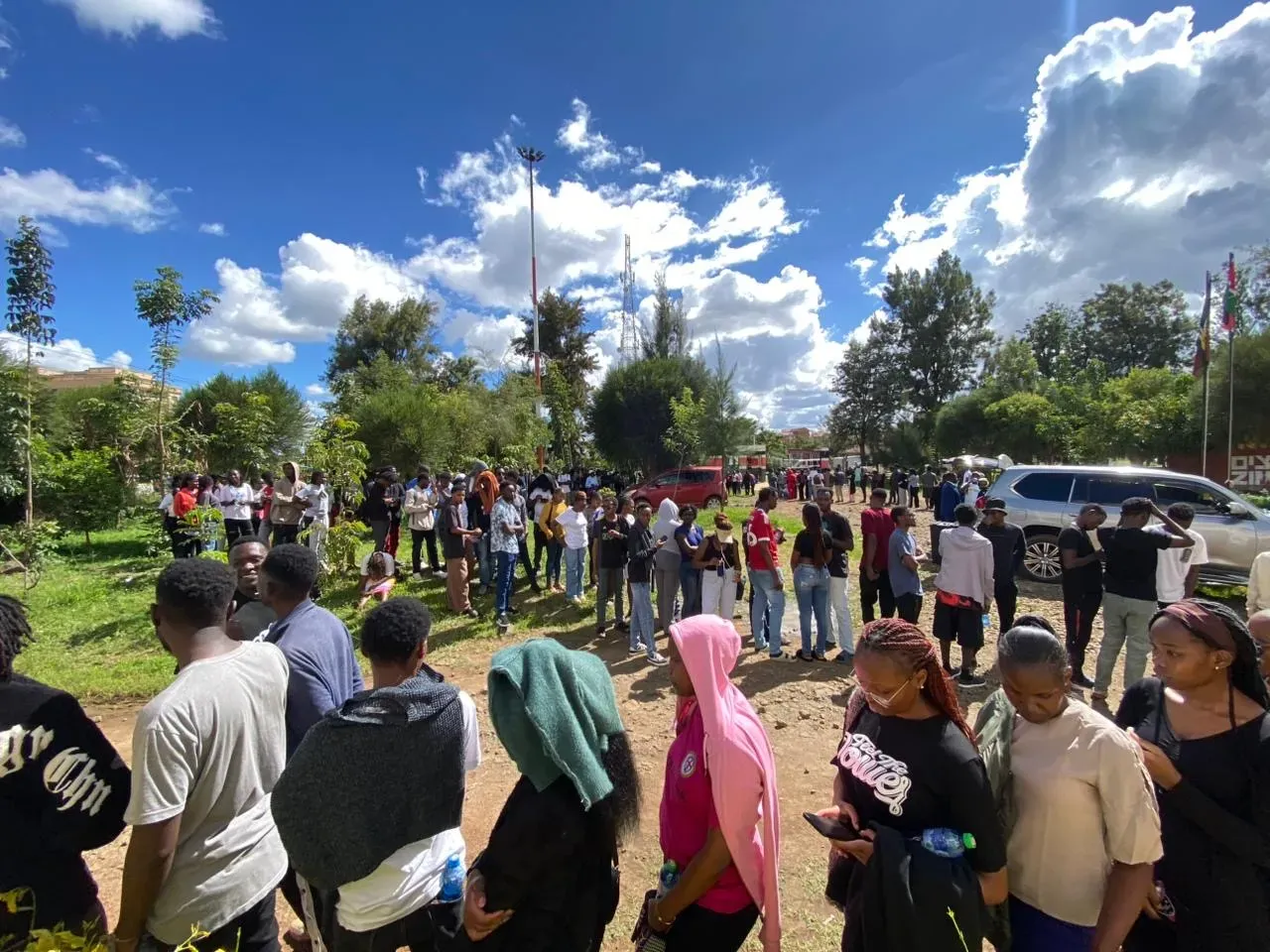
The Kenyan youth-led protests were unprecedented in scale throughout the nation’s history, with demonstrations in 40 of 47 counties at its peak. They have been praised for their use of online organizing to mobilize people across the country in a way that has never been done before, Kwazema said.
The use of social media to organize these protests also led to the perception of these movements being leaderless, and thus more difficult to disperse, Kwazema said.
Some, however, say that leaderless also means directionless.
Activist Sophie Njehia, 29, said the young people who occupied Parliament got to the Parliament building with no plan for what to do next. “There was a shortcoming to not having a leader.”
Njehia said the young people who fought and died during those protests died in vain, especially if no action is taken to stand for the rights that they rallied for. Despite the withdrawal of the offending finance bill—which was then revised and reintroduced months later—there is a larger concern of corruption and quality of life that goes beyond one fiscal plan.
“People have already forgotten the 60 something plus Gen Zs who were killed in 2024, and the 70 something who were killed in 2025,” Njehia said. “That’s why they’re so comfortable.”
Many like Njehia have worked tirelessly to grow the movement beyond those protests. This momentum may say something about where young people are headed.
“To simplify their movement as leaderless would be too simplistic,” Kwazema said. “It’s leaderless on the streets, but it couldn’t be mistaken as being leaderless in the movement.”
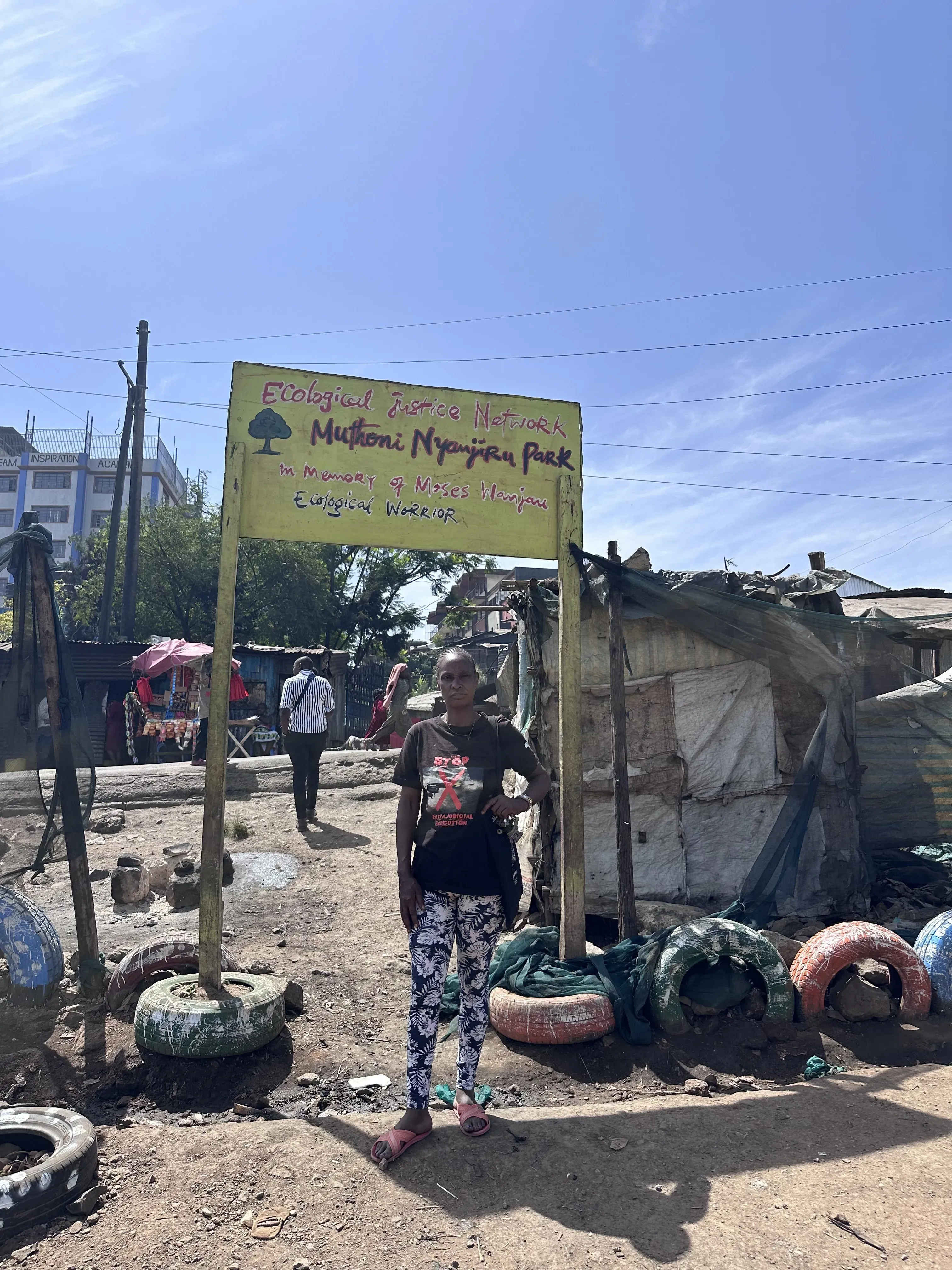
He defined the movements as the spread of civic consciousness, and said the new wave of fervor behind voter registration is an indication of something more long term. “It’s going beyond merely protesting to protesting by registering as voters. That’s a physical lesson in itself to Generation Alpha and Beta,” Kwazema said.
While his research on what could be next is ongoing, he said that in the interim between protests, the youth are not on hiatus, but rather restructuring and re-strategizing their methodologies with sights set on voting booths and Parliament seats.
Njehia’s frustrations are shared by many across the organizing space.
A network of CBOs, like Mathare Social Justice Centre (MSJC), is looking toward change by hosting registration drives and vocal support.
They support community members running for office who might be able to make a difference on the national stage, including Sarah Wangari, who lost her son to extrajudicial killing at the hands of police in 2017.
“So, we are trying to capitalize on that and see maybe if you can make changes from the grassroots,” said participatory action research coordinator for MSJC, Gathanga Ndung’u.
In the midst of this, though, a spokesperson for MSJC raises a shared concern for the integrity of the electoral process.
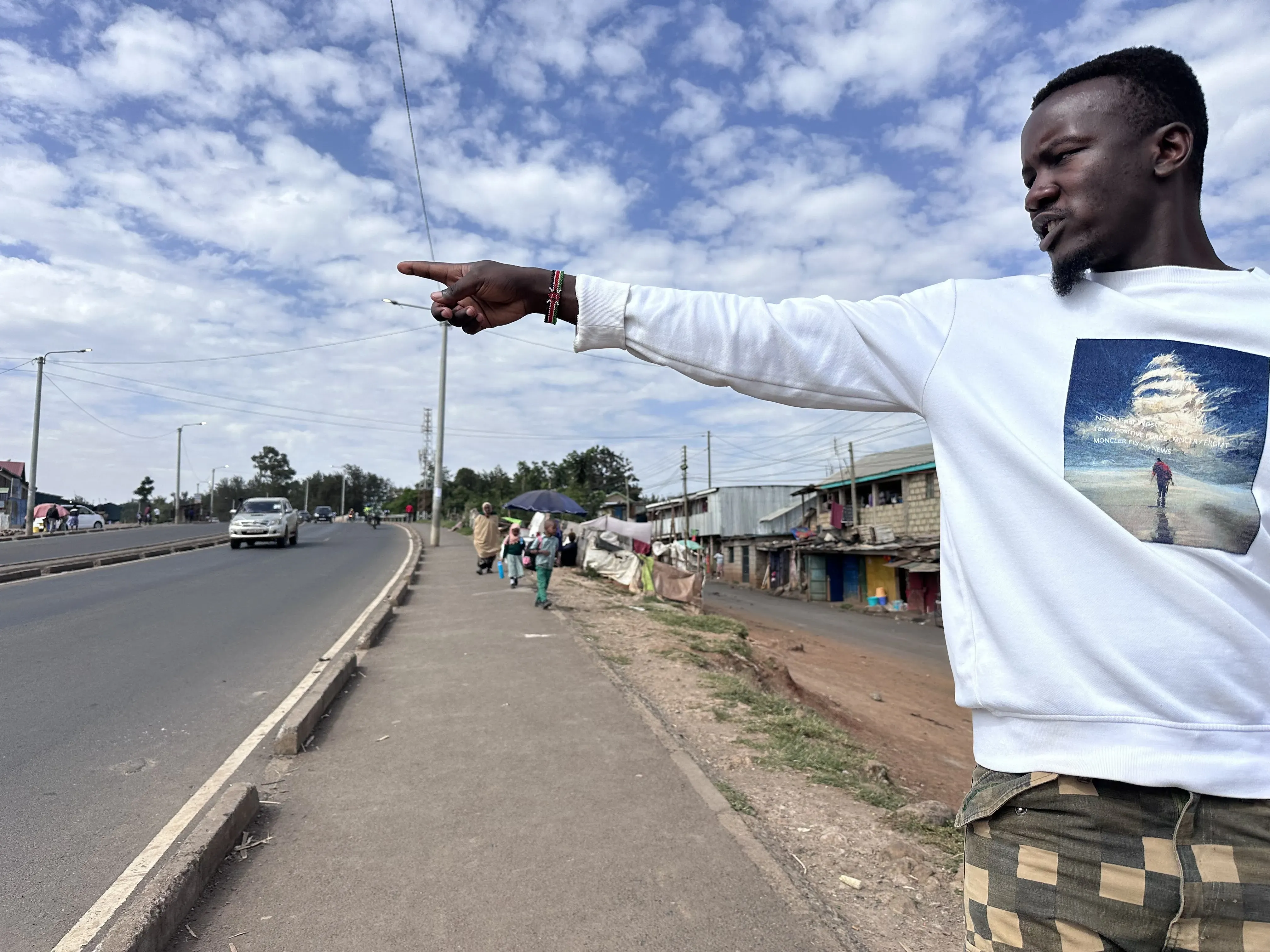
“We also understand the limit of the vote, how the electoral process or the democratic process that we have at the moment may be captured by the people who run the country,” said Ndung’u.
“The first step is voting in the right person,” Allans said. “The way out is Kenyans taking the sole initiative to elect the leaders they want.” And young people should also put themselves on the ballot, he said.
Njehia, now running for office as Member of County Assembly for the Thika Township ward, is one of many young people taking up the bid.
“But if we are to achieve fagia wote, then we need to be voting for something. What is this something? It has to be personal,” Njehia said.
She names the personal: public hospitals with no medicine, public schools with no books, ongoing climate change causing droughts—and flooding—and subsequent starvation, which the government doesn’t adequately respond to or prepare for.
“The goal right now is to change the mindset of the citizen,” Njehia said.
This takes more than social media alone, she said.
“If we go to the markets, to the matatus [buses], to the boda boda [motorcycle] stages—you meet people where they’re at, doing their daily lives, then it makes it easier to spread the message without having to necessarily give people money to listen to me,” Njehia said.
Joining Allans in the months leading up to Niko Kadi in Kibra—the largest informal settlement, or slum, in Kenya—to advocate for the vote was 31-year-old Willie Oeba, who has spent over a decade as a voice for civic engagement and as a social justice activist.
Oeba has taken his spoken word around the country, including onto public transit, in order to inform people of their right to the vote.
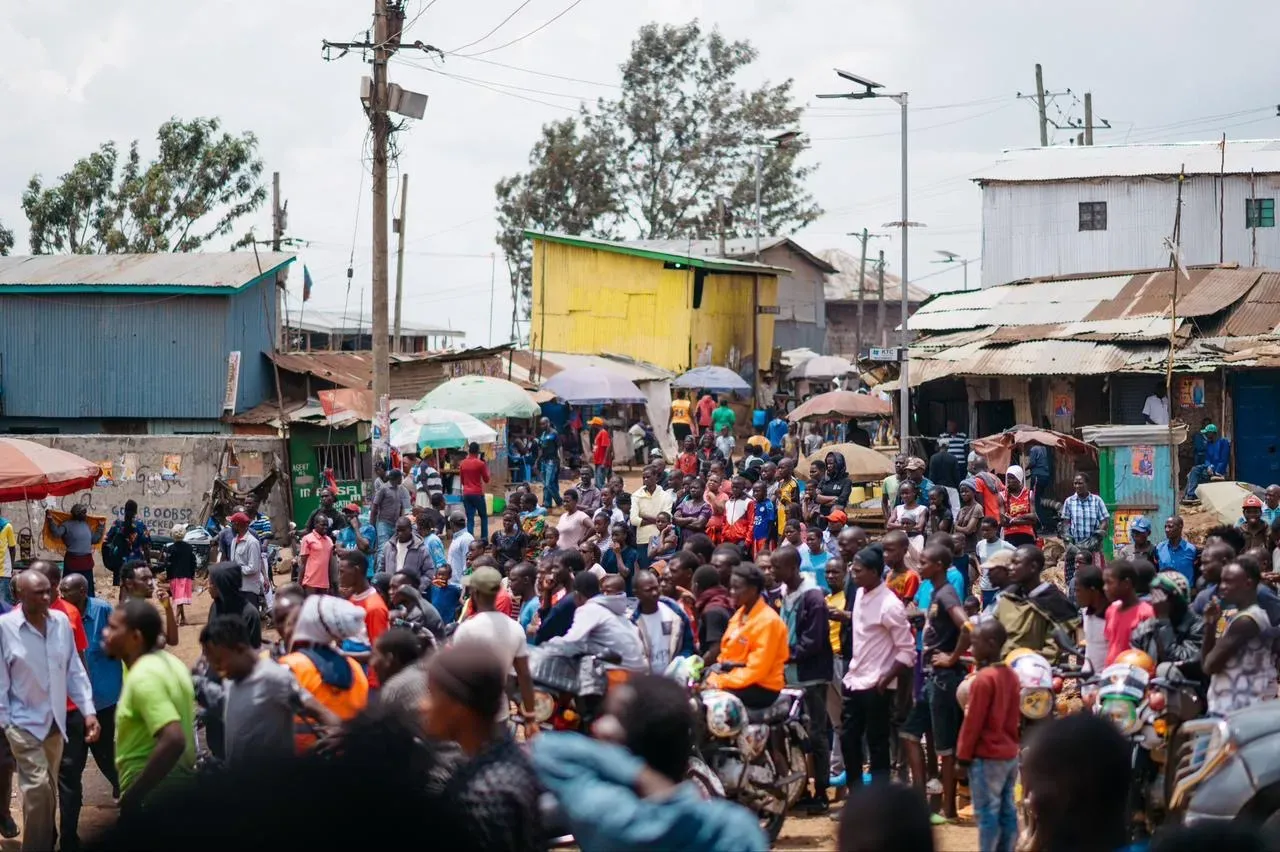
The political landscape has changed dramatically, Oeba and Allans said, with the recent loss of political juggernaut Raila Odinga—one of the faces of Kenyan politics for several decades—in 2025. As the 2027 general elections approach, Allans said people felt “there is no one strong enough to go against the regime.”
He credits a political handshake between the late candidate and sitting president, William Ruto, once collaborators turned staunch rivals, for quelling the protests. Though, reportedly, the move also helped Odinga to stay relevant as an opposition figure.
One young woman in Kibra told Allans and Oeba that she would not be voting in the next election because of the loss of Baba, or “father” in Swahili—referring to the late politician.
Still, just two months later, a crowd of several dozen people gather in the road to line up for voter registration as Allans’s call to action takes up speed.
“We will only have a new generation of leaders when we have a new generation of voters,” Oeba said.