Story
 June 24, 2026
No Place Like Home: Why the Arts Are Thriving in Rural Minnesota Communities
Country:

Students report on various issues around the world.


BATTLE LAKE, Minn.—Molly Johnston never thought she would move back home.
Growing up, the Battle Lake native and co-founder of the DanceBARN Collective was determined to leave her town of fewer than 1,000 people and begin her professional dance career. And she did.
After moving to the city to attend arts school, Johnston spent her early 20s performing on stages across Philadelphia’s coveted Avenue of the Arts.
As a nonprofit journalism organization, we depend on your support to fund more than 170 reporting projects every year on critical global and local issues. Donate any amount today to become a Pulitzer Center Champion and receive exclusive benefits!
Then, in the summer of 2014, Johnston returned to Battle Lake.
“The older I got and the more experiences I had, I began grappling with this truth that where I grew up was really a place that I was feeling pulled back to,” she said.
Johnston is part of the recent influx of artists relocating—or returning—to rural areas to pursue their careers. Minnesota continues to provide resources that challenge the longstanding national trend of migration toward urban art hubs.
In November 2008, Minnesota became the only U.S. state to include arts funding in its constitution. The Arts and Cultural Heritage Fund uses 19.75% of the Legacy Amendment’s sales tax revenue to support arts programs statewide, with a focus on expanding access to arts education and cultural programming.
Data from the Minnesota State Arts Board shows that annually, the arts in Minnesota create over $1 billion in economic impact, with contributions from over 1,600 state arts organizations. In small communities like Fergus Falls, specifically, increased commitment to the arts helps stimulate business development and tourism.
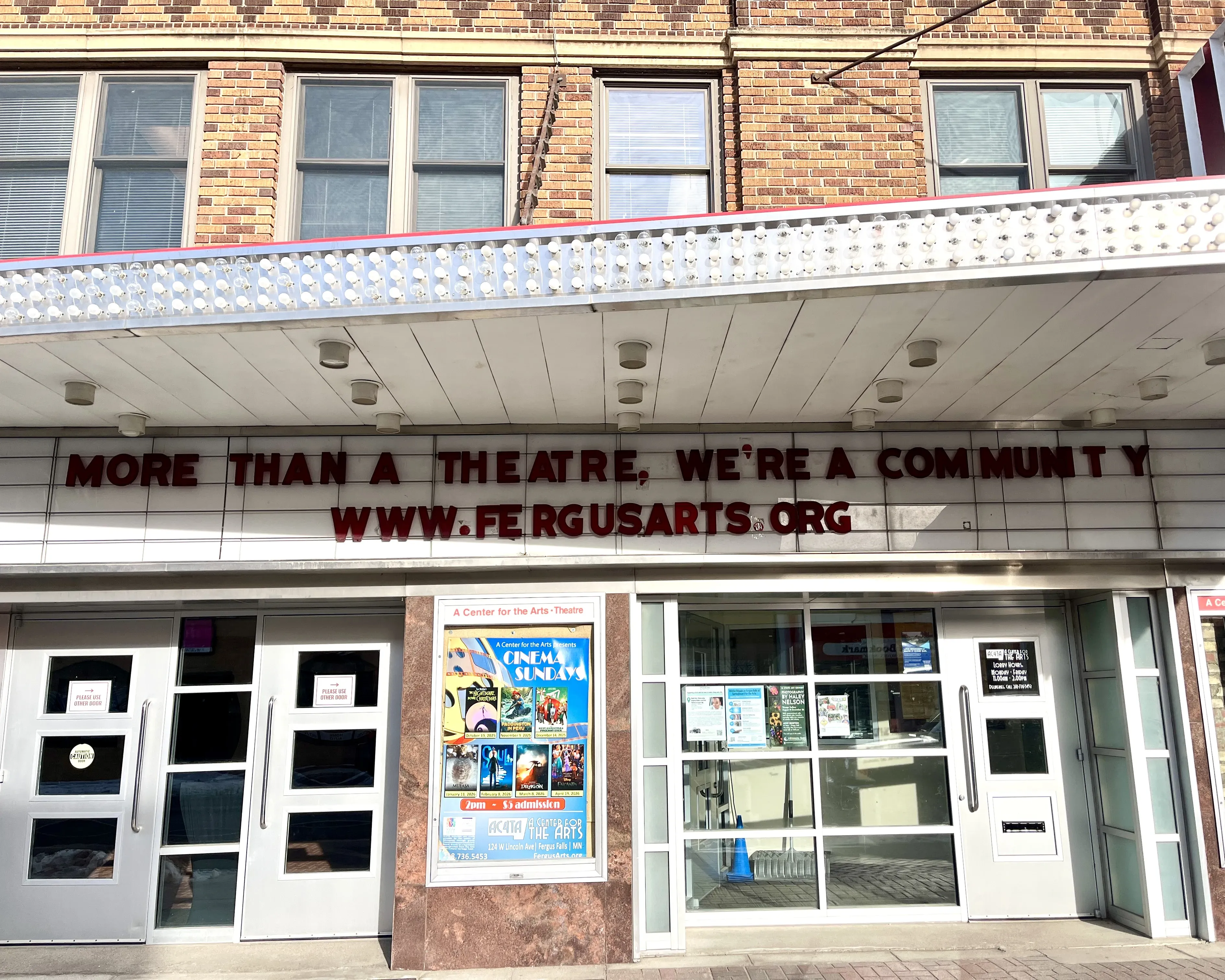
With a population of just over 14,000, Fergus Falls has gradually developed a reputation as a regional arts hub since the early 2000s. A network of organizations, festivals, and public funding initiatives has helped create an environment where artists can experiment and collaborate outside major cities.
For Johnston, creating opportunities for the arts to thrive in rural spaces is connected to her own struggles pursuing dance in a small town. Rather than attending a studio in her own town, as a teenager, Johnston drove an hour round trip from Battle Lake to attend classes at Fergus Falls School of Dance.
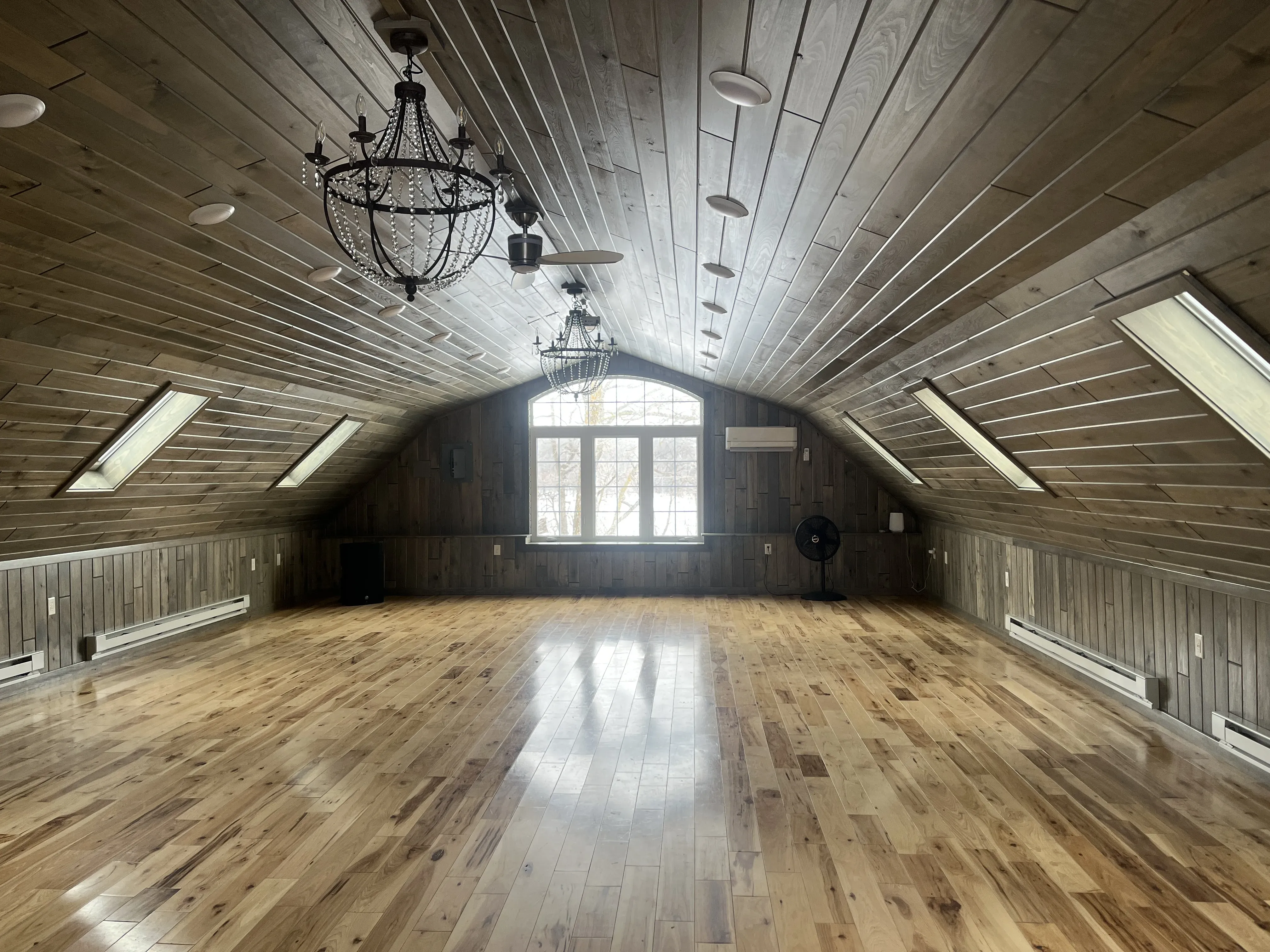
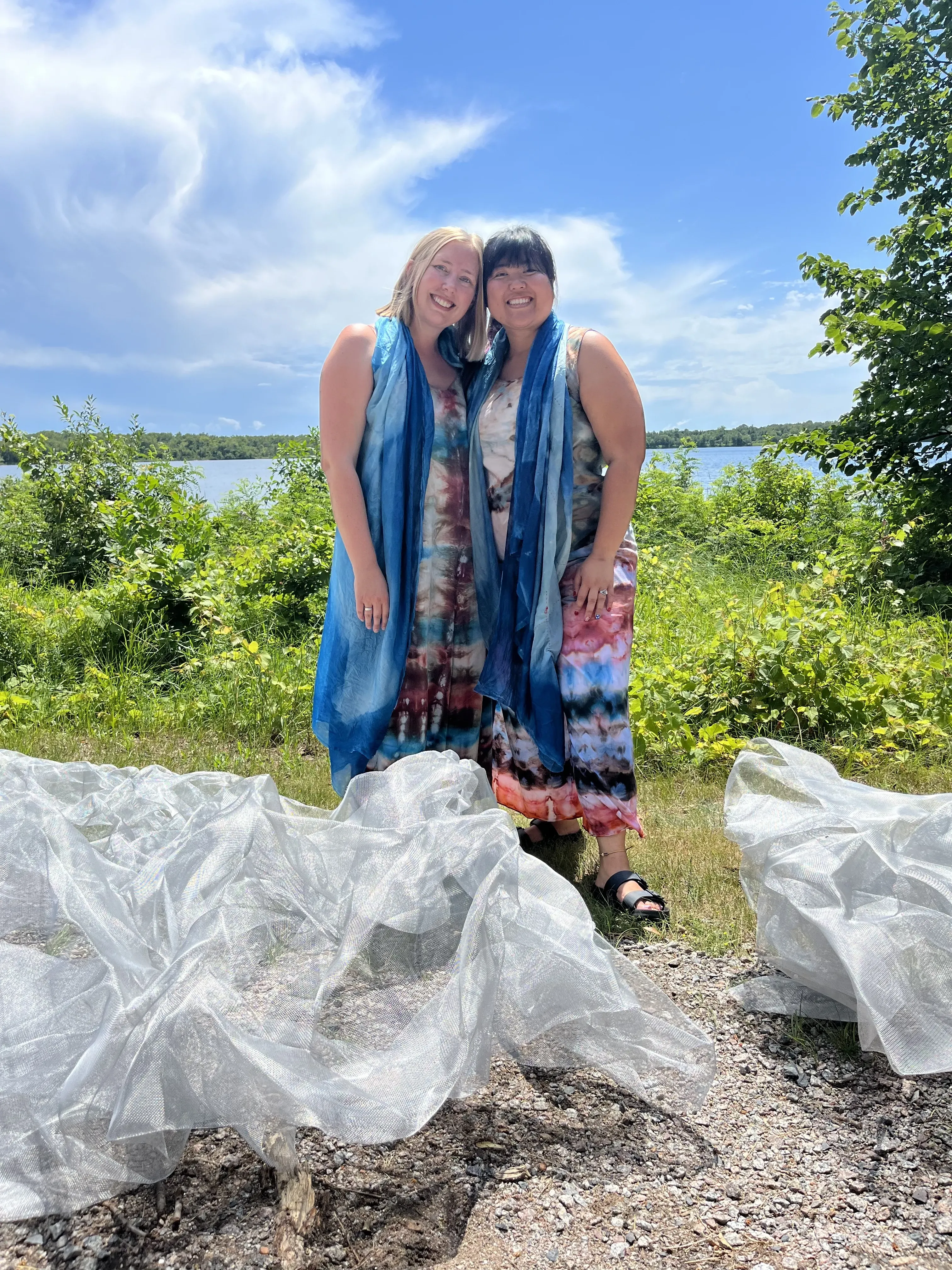
These experiences led Johnston to form DanceBARN Collective in 2014 with Ayumi Shafer. The annual DanceBARN Festival has since hosted over 100 artists from across the U.S. and beyond.
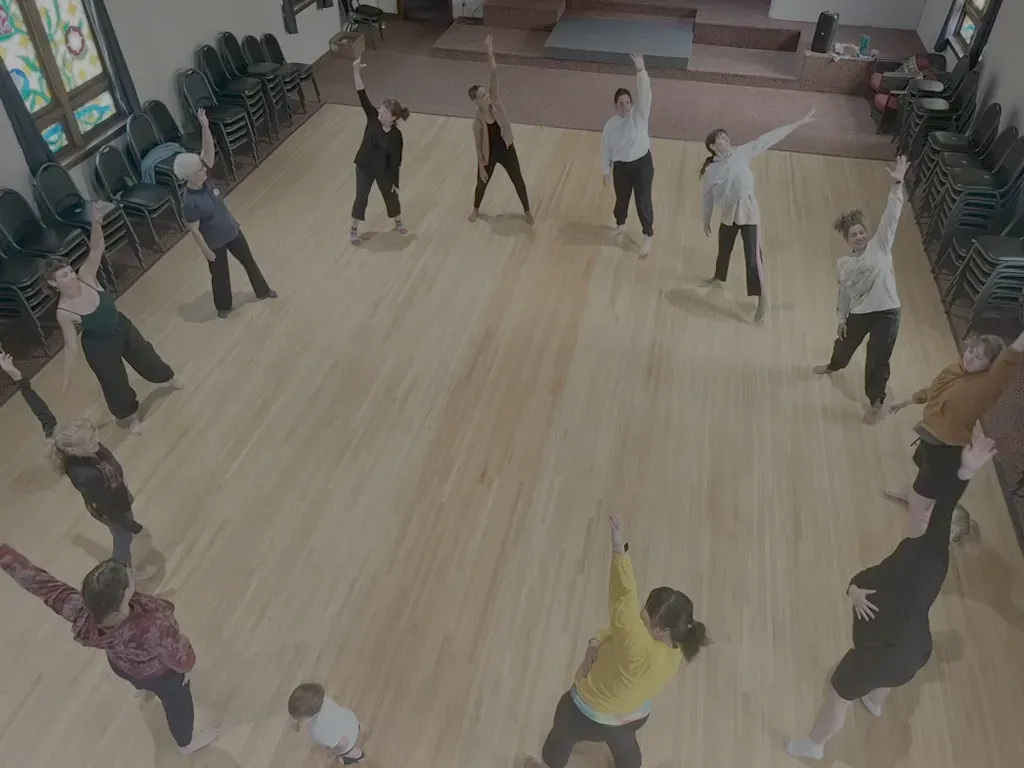
The weeklong DanceBARN Festival is an opportunity for dancers to collaborate by choreographing and teaching classes, all culminating in site-specific performances in Battle Lake. Last year, public performances were held across Battle Lake at the lumber yard, tennis courts, and beach.
The mission of the festival supports Johnston and Shafer’s shared community-focused approach to dance.
“I had always wanted to start an organization that fostered a community of people that wanted to create and move together, and supported artists,” Shafer said.
“One of the big parts of the festival has always been the reciprocity between the dancers who are coming, Ayumi and I who are hosting, the dancers that live in our region who come and join, and then the people who live in our town,” Johnston said.
“I find that rural places are more reliant on community support for any artistic endeavor. That is definitely the nucleus of living in a rural artistic ecosystem,” said Christina Hughes, a dancer with the Andiamo Dance Company who attended the festival in 2021.
Johnston and Shafer’s work with DanceBARN exemplifies the opportunities that exist for the arts in rural spaces—they serve as gathering spaces for creativity, not just places with audiences for touring work.
“We strive to challenge the narrative that if you’re going to have a fruitful dance career, it has to be in a place where there’s a high population of people,” Johnston said.
Local initiatives like DanceBARN are supported by a broader statewide arts infrastructure designed to distribute funding beyond major cities.
Minnesota’s system of 11 Regional Arts Councils helps ensure that funding reaches communities across the state. Battle Lake and Fergus Falls both fall within the Lake Region Arts Council, which provides grants to artists and organizations each year.
The strength of Minnesota’s rural arts ecosystem stands in sharp contrast to the growing challenges facing urban institutions. For example, Johnston’s alma mater, the University of the Arts in Philadelphia, abruptly closed its doors in June 2024 due to financial instability.
Smaller, community-embedded arts infrastructures that are supported by public investment and local partnerships may prove more resilient than centralized urban institutions dependent on private funding.
“Fergus Falls is a community focused on improvement,” said Danelle Hubert, a teacher at the Fergus Falls School of Dance.
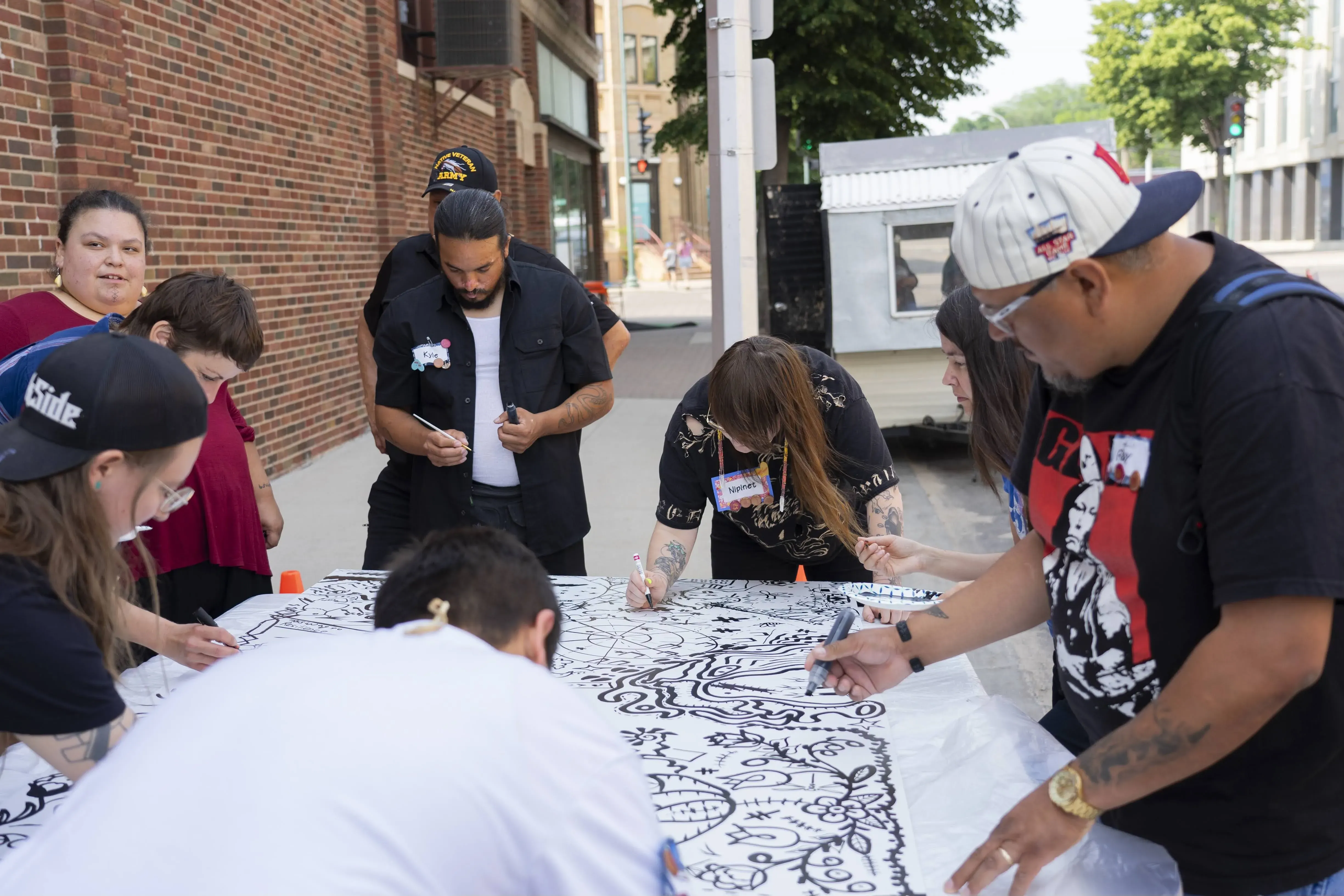
Springboard for the Arts, a national hub for connecting rural artists with professional opportunities, is an arts organization in Fergus Falls. In the local community, Springboard hosts programming events year-round for both residents and visiting artists.
Michele Anderson, Springboard’s rural director, uses her role to develop programming and partnerships “to inform larger decision-making around rural policy and rural development with the lens of arts and culture.”
“Sometimes it’s just driving a couple hours to another rural community and facilitating a workshop with artists that want to create projects in response to community needs,” Anderson said.
Like Johnston, Anderson is an artist who grew up in a small Minnesota town before moving to a major city for college and eventually returning home.
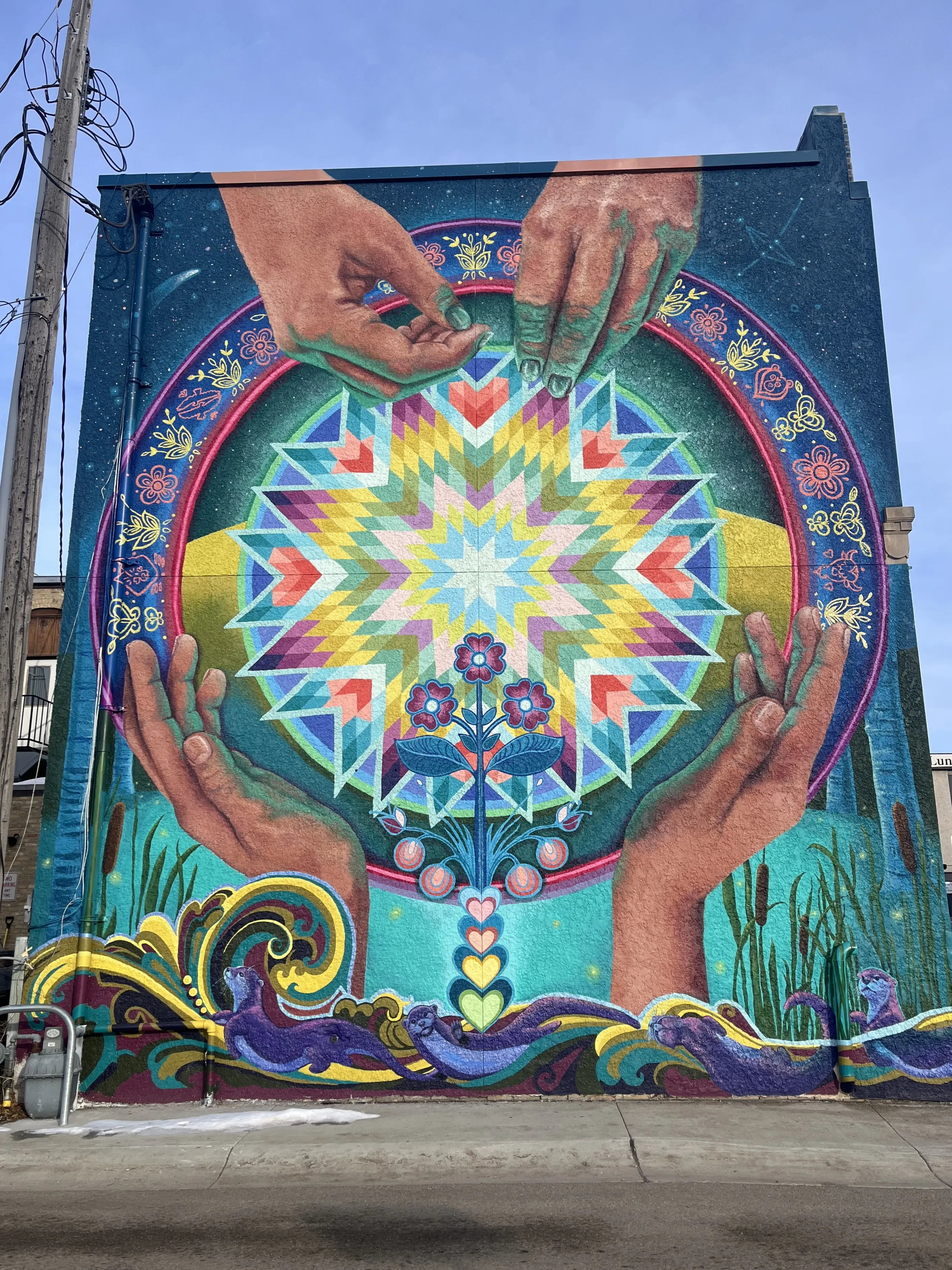
“It’s a more common story than people realize,” said Anderson. “There’s so much creativity that exists in [rural places] that gets overlooked.”
Anderson is dedicated to creating lasting artistic infrastructure in Fergus Falls, rather than “relying on temporary engagements.”
Since 2022, Springboard’s Growth Fund has provided annual funding to 50 artist-led businesses in Minnesota. In 2023, 24.9% of its funding was allocated to support rural programs over the course of five years. Based in both Fergus Falls and St. Paul, Springboard supports artists through workshops, funding opportunities, and community partnerships. Its rural programming focuses on helping artists build sustainable careers while contributing to local development.
Beyond Fergus Falls, similar efforts are emerging. Across Minnesota, organizations are exploring how the arts can help revitalize rural communities.
In Granite Falls, Activate Rural—part of the nonprofit Department of Public Transformation—works to revitalize underutilized public buildings as “third spaces.”
Program Director Sarina Otaibi explains that many rural towns have empty churches, schools, and downtown storefronts that can become creative gathering spaces that “communities are interested in reimagining into creative spaces that involve the arts.”
Activate Rural’s Learning Lab is a two-year cohort supporting artists in rural communities with populations under 20,000 across Minnesota, Montana, North Dakota, and South Dakota.
“It’s an exchange, they’re learning from each other,” Otaibi said.
While this program connects individual rural artists, widespread visibility remains a challenge in their communities, where creative opportunities are perceived as limited.
“One way we work to make art more accessible is by creating more public art,” Otaibi says. “In hopes that people could see a future in their rural community through these spaces as well.”
For artists like Johnston, that future is no longer hypothetical. It is already unfolding, on a stage wherever the community decides to gather.