Pulitzer Center Update June 9, 2026
Teacher Fellows' Lessons Inspired by Global Health Reporting Reach Over 1,000 Students
Country:

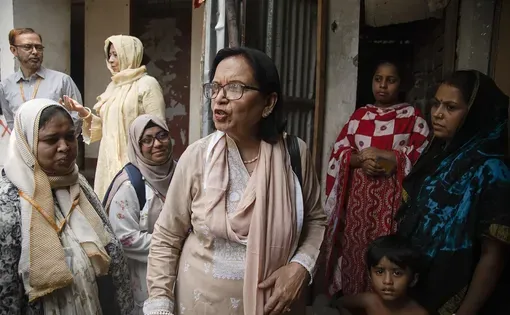
Students diagnose cholera patients, model the biological mechanisms of an infection, and learn about vaccine issues in Bangladesh and local vaccine challenges.

“The impact of this program is it is transforming how I view my role as an educator. I have already started to transform my biology lessons by increasing awareness of others globally through underreported stories.”
— Rebecca Brewer, Michigan
In October 2025, the Pulitzer Center launched a second Global Health Teacher Fellowship program for 12 U.S. educators. In the program, Fellows analyzed how stories from Africa, Asia, and Latin America reveal the interconnected nature of health inequities. They wrote and facilitated lesson plans designed to leverage global health reporting as a foundation for student learning, connection, and empowering action.
Their efforts impacted 1,045 students who explored reporting on pharmaceutical companies dominating the insulin market, the impact of extreme heat on vulnerable delivery workers, and the consequences of withdrawing foreign aid on the health of the most vulnerable populations. As a result of engaging with global health stories, students led issue-focused discussions, designed awareness campaigns and presentations, and wrote reflective essays, op-eds, and documentary poems. Through their work, students surfaced connections, championed solutions, and uplifted the voices of people most impacted by global health issues.
This Fellowship and the resulting collection of both teacher reflection and student work demonstrate what is possible when we connect classrooms to quality health reporting through innovative instruction.
Starting With Reporting: Teachers as Learners
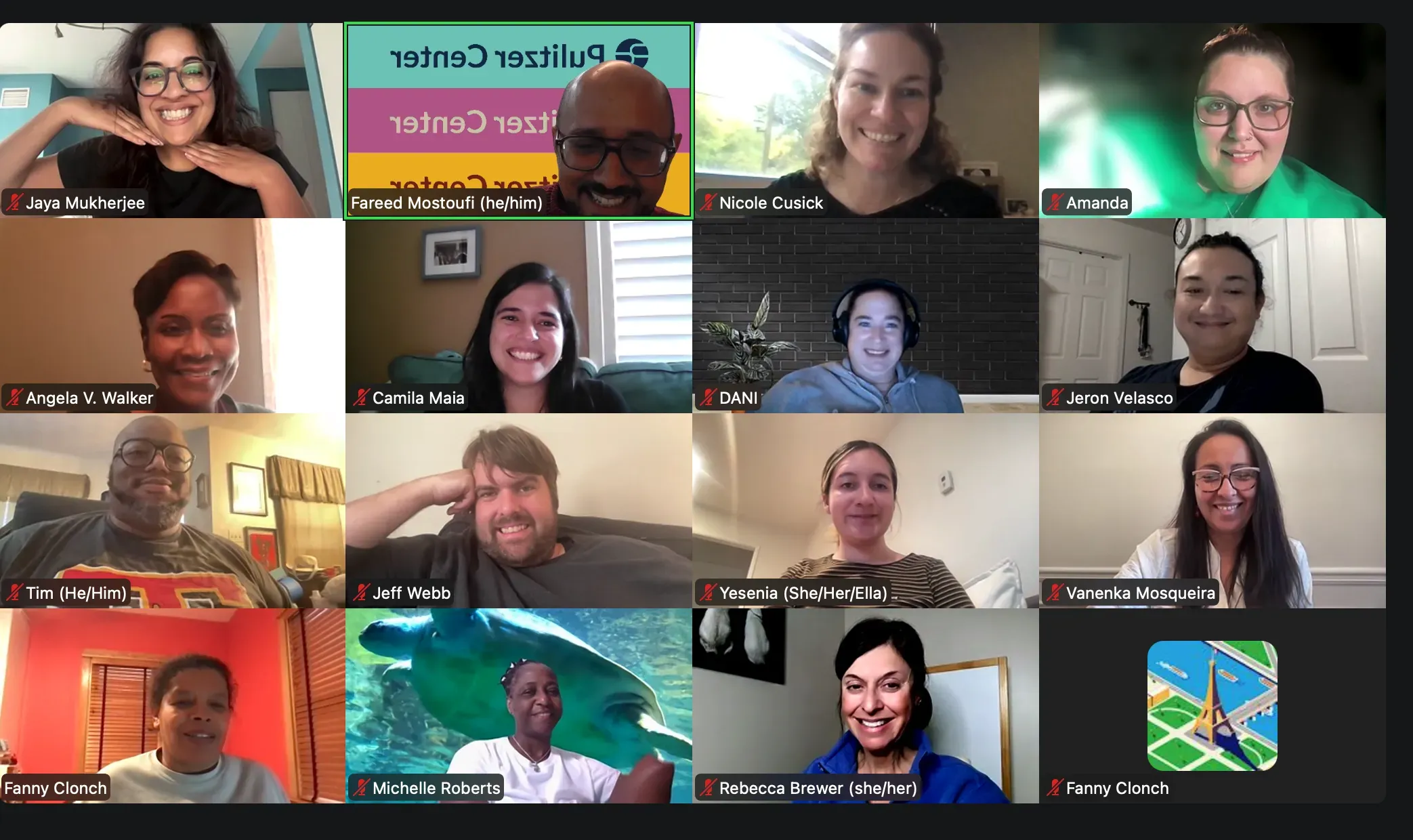
During the first part of the Fellowship, teachers unpacked personal and local connections to global health topics by reading Pulitzer Center-supported news stories and connecting with three Center-supported journalists:
- Fabiola Torres, an award-winning investigative journalist who specializes in public health, inequalities, and gender. Fellows explored Torres' project, The Insulin Oligopoly and the Diabetes Epidemic in Latin America.
- Susan Schulman, an award-winning freelance photo/print/video journalist who worked on the project A Day in the Life: Crisis Hits Hospitals in Iraq.
- Abdullahi Tsanni, a science journalist specializing in narrative features who was part of the project Decolonizing Research in Africa.
Teachers engaged deeply with global health news stories through individual analysis and group discussions, then leveraged their learning to create and workshop rigorous learning experiences for their students. As a result of these workshops, 100% of participants said they felt that the Fellowship increased their knowledge about global health topics, increased their trust in science journalism, and they felt compelled to discuss the covered global health topics with others.
This deep engagement with health stories inspired teachers to develop standards-aligned lesson plans that would replicate their learning journeys for their students.
“The program had great impact in expanding my worldview and opening my eyes to many of the disparities and inequities that exist in global health. It was extremely rewarding hearing from reporters on the frontlines of global health reporting and hearing their methods for collecting and telling their stories. It was also incredibly useful to discuss this content with the cohort of teachers and to hear how other educators would address these topics within their classrooms.”
— Jeffrey Webb, West Virginia
To learn more about the workshop series and our Fellows, read “Meet the 2025 Global Health Teacher Fellows.”
Leading Global Health Learning in the Classroom
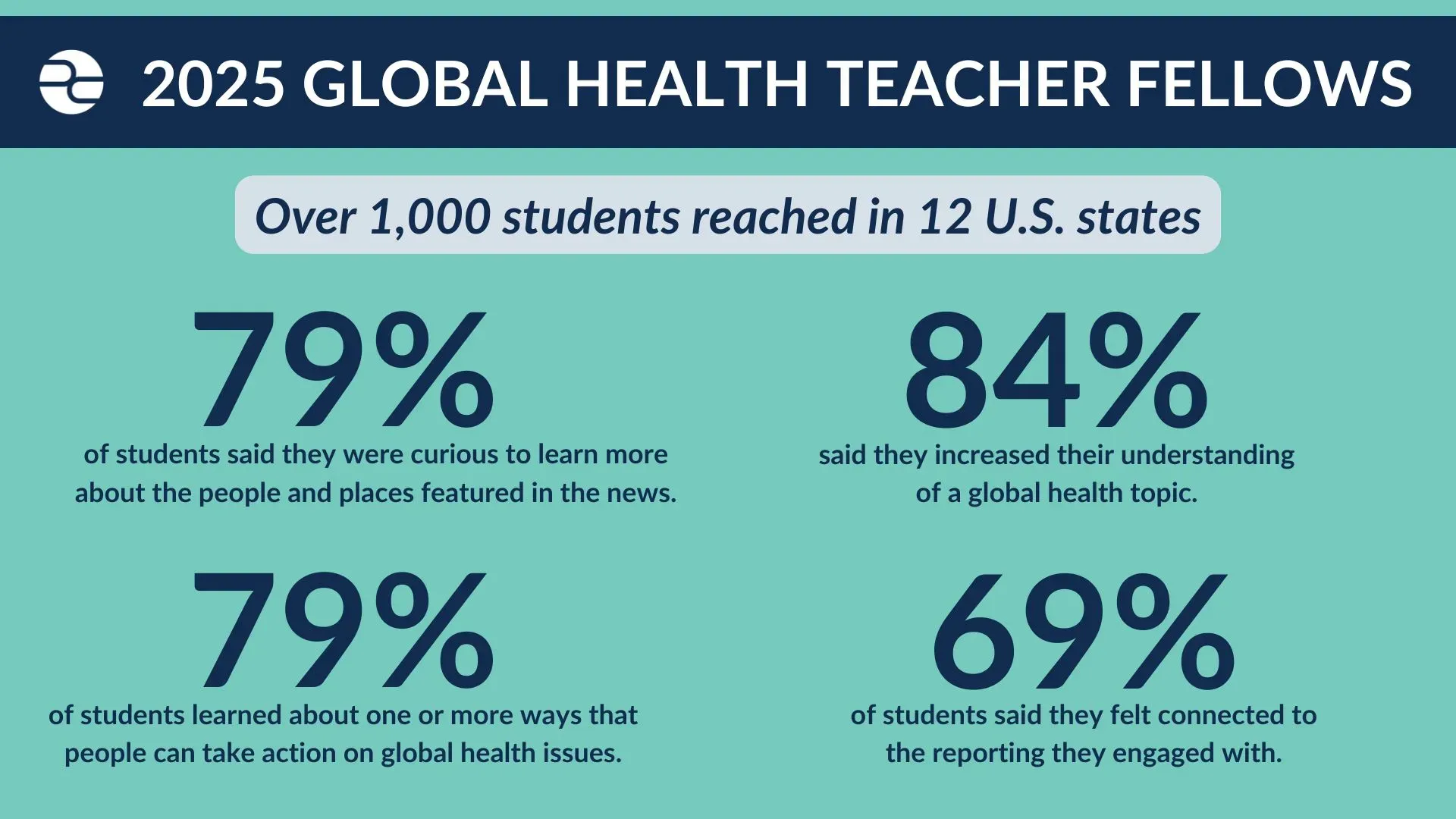
In the second half of the program, Teacher Fellows launched their lessons, bringing 10 different news stories to classrooms across 12 states. Students read reporting on various health topics, including the impact of long COVID in Mexico; the long-term health outcomes of atomic bomb survivors in Japan; and the fight for reparations from years of exposure to toxins in Guadalupe and Martinique.
Fellows used text analysis strategies, discussions, and structured activities to help students practice media literacy skills and make both personal and local connections to the reporting.
Explore fellows' lesson plans: Examining Interconnected Health Inequities Through Global Reporting
Related lesson plans: Making Local Connections to Global Health Stories in the Fall 2024 Teacher Fellowship
The analysis and connection fueled a series of powerful final student projects that included:
- Writing open letters on a global health topic, using at least one Pulitzer Center-supported article as evidence to advocate for a specific change or “call to action”
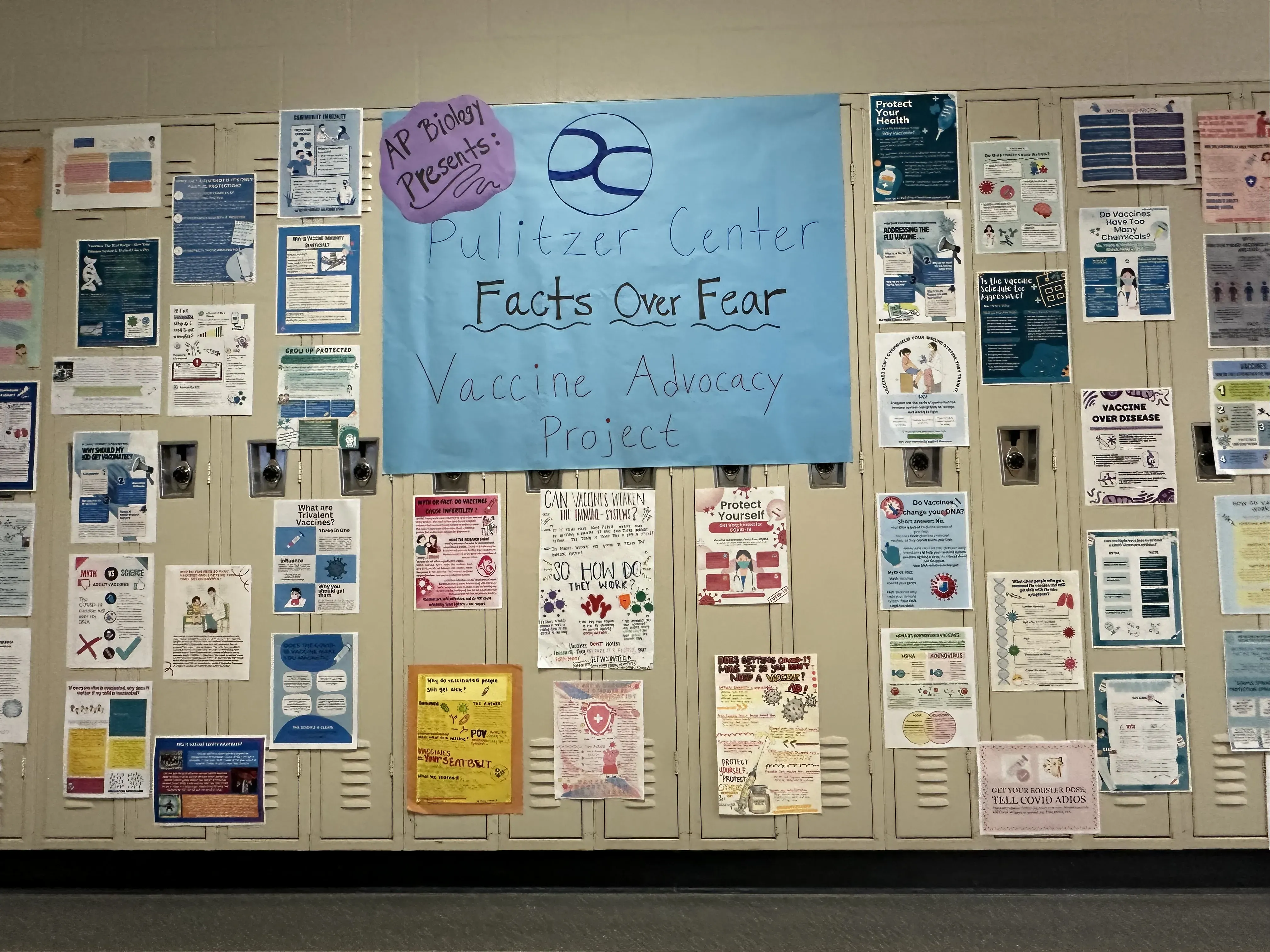
- Conducting an extended online research project on vaccine safety and creating vaccine awareness flyers to display at a school and/or on social media
- Crafting persuasive op-ed pieces to raise awareness about the impact of extreme heat on delivery drivers, synthesizing learning about climate change, labor conditions, and civic advocacy
- Writing documentary poems about the impact of the atomic bomb on Japanese survivors
- Leading investigations into how artisanal gold mining in East Africa affects individual health outcomes and the safety of the planet
How Health Reporting Impacted Teachers and Students
“Global health reporting connects what people know about the world with what they can do in their own communities.”
— Amanda Bryant, Maine
“I learned that global health becomes real and urgent when journalists tell the stories behind the issues, and the Pulitzer Center inspires my students and me to become activists for global health and take action. Through exploring insulin access, my students see the larger global health crisis and understand the inequalities people face worldwide. I am proud of the letters my students write and how their voices are already making a meaningful impact.”
— Vanenka Mosqueira, Georgia
When we asked teachers to describe the value of the Fellowship, they expressed how a shared purpose cultivated a sense of community in the program, how interacting with global reporters had a resonating impact, and how making global-to-local connections enriched their instruction.
Click here to explore fellows' lesson plans, which include their teaching materials and examples of student work from each lesson. All 12 lesson plans, teacher reflections, and examples of students’ work will be published to this link, and highlighted in our weekly K-12 Education newsletter, throughout summer 2026. Subscribe to the newsletter for more on the Fellowship and other future opportunities.
Applications for our next Global Health Teacher Fellowship will launch in August 2026.