Story
 June 7, 2026
Essay: When U.S. Foreign Aid Changed, AIDS Workers in Africa Felt It
Country:

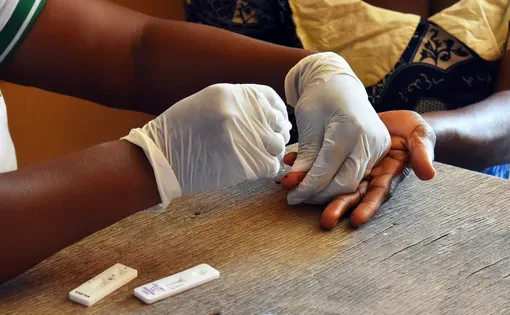
Changes to PEPFAR funding impact patients, health workers, researchers.

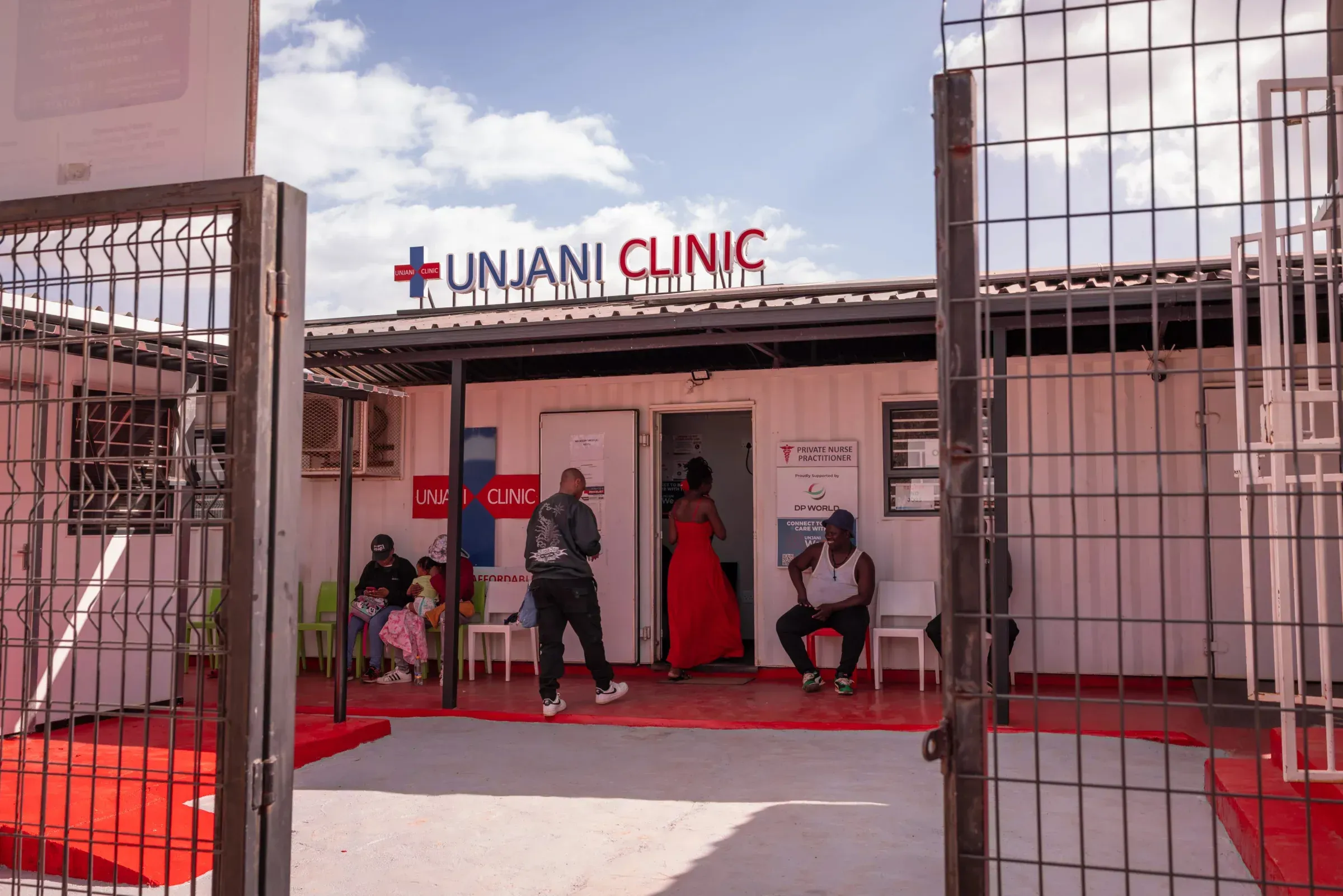
It can be hard to remember what the HIV/AIDS epidemic in Africa looked like decades ago: Hospitals across the continent were overwhelmed with young men and women, dying excruciating deaths.
South Africa was at the center of the epidemic. Activist Lucky Mazibuko remembers, vividly.
He told me that at the time, the country "was filled with the stench of death."

As a nonprofit journalism organization, we depend on your support to fund more than 170 reporting projects every year on critical global and local issues. Donate any amount today to become a Pulitzer Center Champion and receive exclusive benefits!
It seemed, he went on to say, that there would be no end to the suffering.
"There was no hope, there was basically no light," he told me. "And even if there was a light at the end of the tunnel, it looked like that of an oncoming train."
PEPFAR changed everything — across the continent.
President George W. Bush announced the President's Emergency Plan for AIDS Relief, or PEPFAR, in January 2003. The program is often cited as the most effective public health campaign ever, and is estimated by the State Department to have saved roughly 26 million lives since its inception. And for decades, the program enjoyed widespread bipartisan support.
But the Trump administration has radically changed the way the U.S. delivers foreign assistance, making sharp cuts and creating uncertainty about future funding. So as my colleagues and I tracked these developments, we wanted to see first-hand what these sweeping changes could mean for the worldwide fight to combat HIV/AIDS.
That curiosity is what led us to Soweto Township in South Africa to sit down with Mazibuko. He's an activist and former journalist we met at the restaurant he now runs.
Back in 1999, at a time when the disease was still shrouded in stigma and shame, Mazibuko disclosed his own HIV-positive status in a column in South Africa's biggest newspaper.
Even at funerals for those who had died after contracting HIV, Mazibuko told me, "people spoke in hushed voices about what the cause of death could have been, even if they knew."
When I asked him why he chose to come forward so publicly, he grew emotional as he told me that he felt he had no other choice.
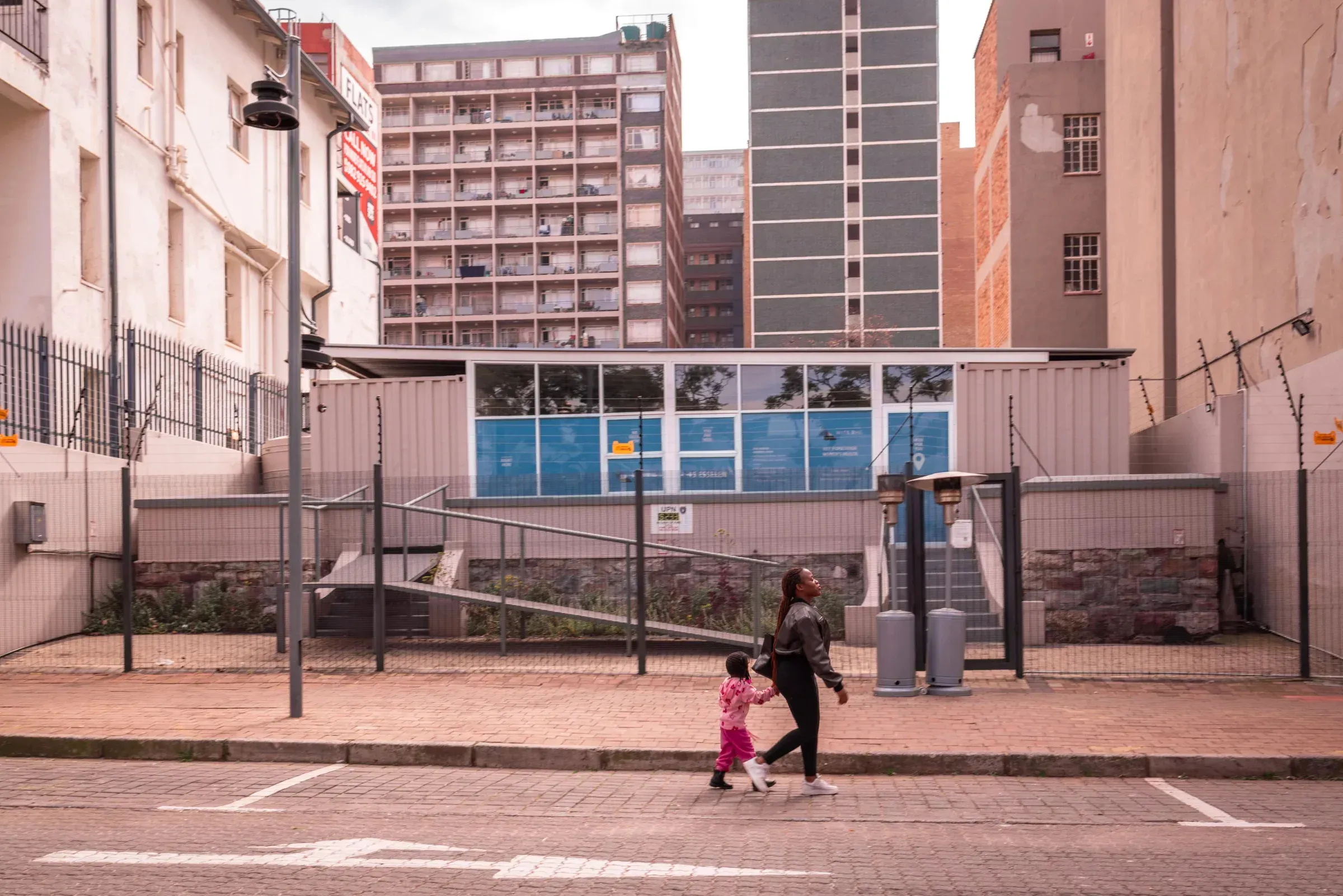
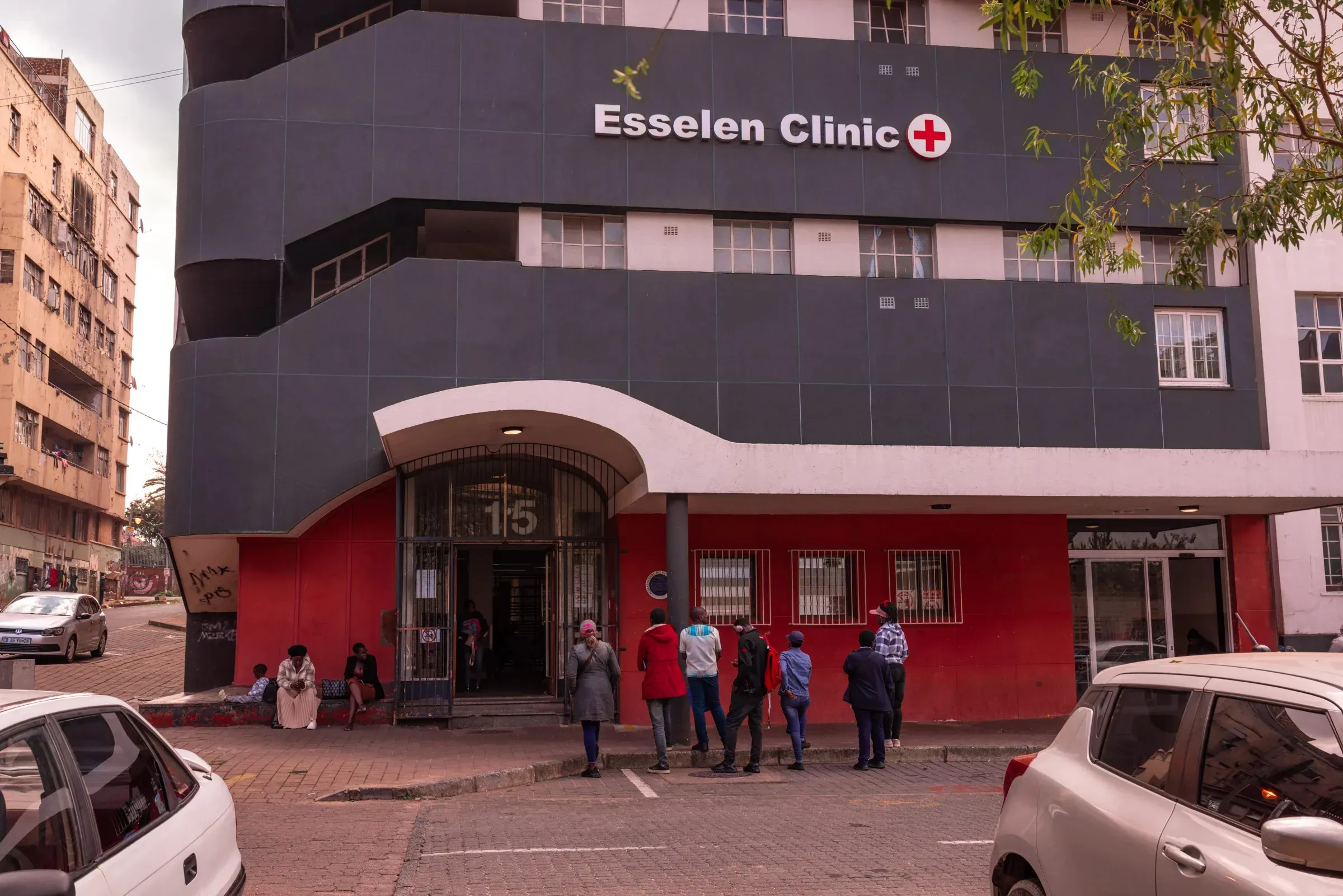
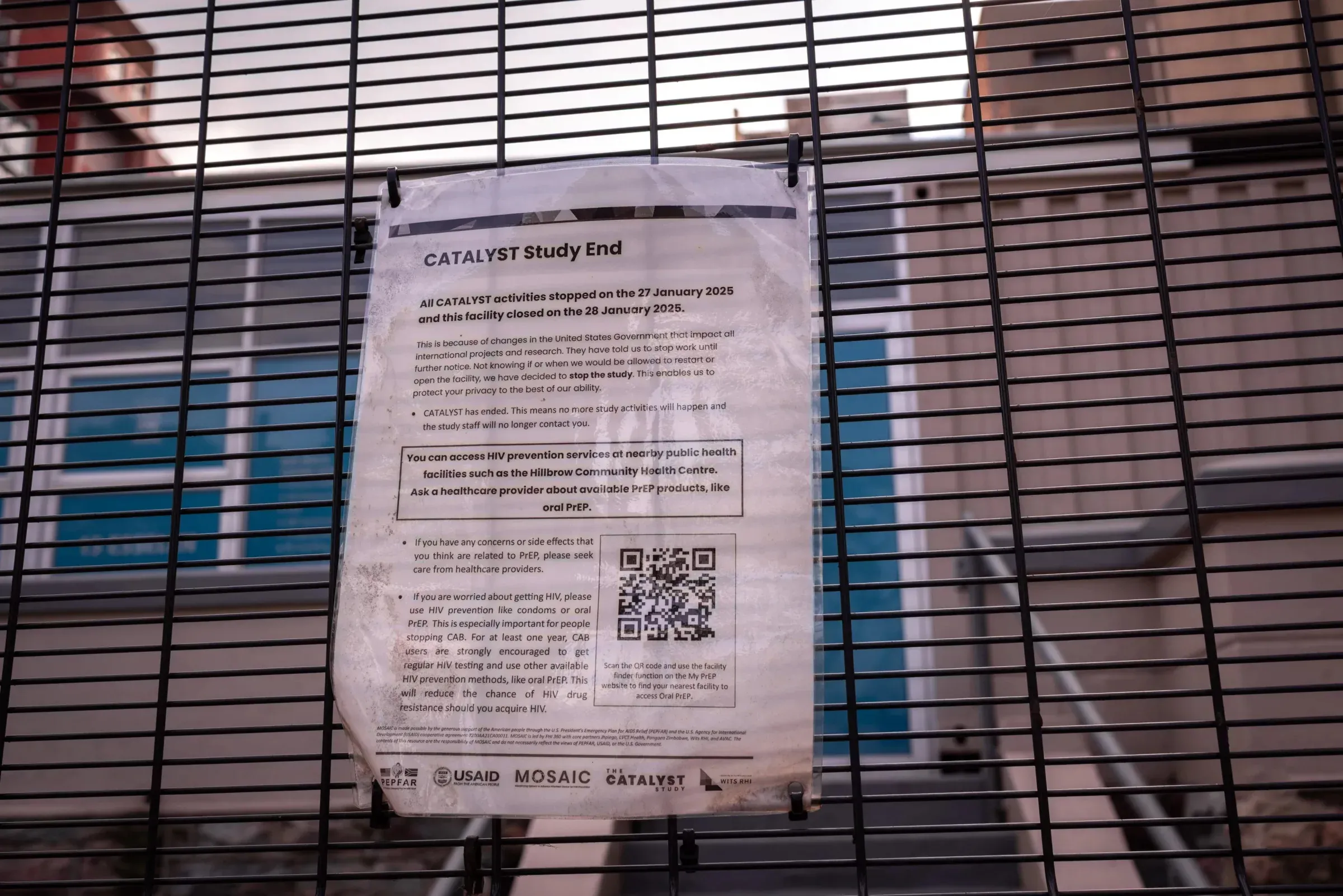
Over the course of nearly two weeks of reporting, alongside my All Things Considered colleagues Matt Ozug and Vincent Acovino, we heard stories of how the shifts in foreign aid have destabilized long-effective programs in South Africa and neighboring Mozambique.
South Africa still has the highest number of people with HIV in the world, and the U.S. Embassy in Mozambique notes the country is home to the second-largest HIV epidemic in the world. Our reporting in both countries was supported by the Pulitzer Center.
We spoke with public health workers who worried that the shifts have created uncertainty that could lead to loss of life or more infections. But perhaps what stuck with me the most were the stories of resilience.
From the health workers going without a full paycheck to make sure they still have the trust of patients in their communities; to the innovative TV show educating viewers on healthy relationship dynamics; to the advocates doing everything they can to offer sex workers personalized care after the closure of a U.S.-funded clinic—everywhere we went, we met people who remained deeply committed to their work.
Image by Gulshan Khan/NPR.