Story
 February 26, 2026
Quick Steps To Verify Online Investment Platforms in Nigeria
Country:

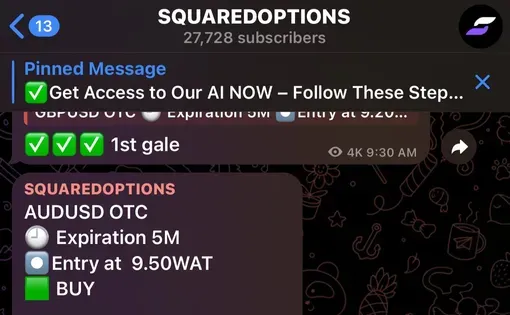
Artificial Intelligence is being weaponised in Nigeria’s latest wave of Ponzi scams. Fraudsters now...
Ponzi schemes continue to resurface in Nigeria, often masquerading as legitimate investment opportunities that promise quick and effortless profits. Over the years, platforms such as MMM and CBEX attracted thousands of participants with assurances of high returns, only to collapse and leave investors counting heavy losses.
What makes these schemes particularly dangerous is how quickly people commit funds. Within minutes of seeing an advert on social media or receiving a referral link from a friend, an individual can register, transfer money, and become part of a system that may soon disappear.
Financial experts and regulators have repeatedly warned that most Ponzi schemes share common characteristics. The good news is that verifying whether an investment platform is legitimate does not require specialised knowledge or hours of investigation.
These few simple steps can help you verify whether the investment is genuine before you send your money.
1. Verify through regulatory agencies’ databases
The first and most important step is to confirm whether the investment company is registered with Nigeria’s Securities and Exchange Commission (SEC). The SEC maintains an online portal where members of the public can verify licensed capital market operators, fund managers, brokers, and investment platforms.

As a nonprofit journalism organization, we depend on your support to fund more than 170 reporting projects every year on critical global and local issues. Donate any amount today to become a Pulitzer Center Champion and receive exclusive benefits!
If a company does not appear on this database, it is not legally authorised to collect investments in Nigeria, regardless of how professional its website or advertisements appear. Many platforms involved in recent Ponzi collapses, including those marketed as AI-powered trading systems, were never registered with the SEC.
You may also want to check other regulatory agencies like the Central Bank of Nigeria (CBN) for banks, fintech, and lenders; the Corporate Affairs Commission (CAC) to verify that a company is officially registered in Nigeria; and the Nigerian Exchange (NGX) for listed trading securities and public companies.
Do not depend solely on certificates or documents presented by the investment company. Always use official regulatory portals to independently confirm the firm’s name, licence status, and registration details. If a company claims to be authorised, verify the claim yourself. Failure to find its details in any recognised database is a serious warning sign.
2. Examine the profit promises carefully
Legitimate investments never guarantee fixed or extremely high returns within short periods. Platforms that promise to double money within weeks, pay daily profits, or offer “risk-free” earnings are displaying classic Ponzi characteristics.
Real financial markets fluctuate. Profits depend on market performance, economic conditions, and risk exposure. When a platform presents profits as automatic and certain, often using phrases like “AI never loses,” it is usually a warning sign of fraud. If the returns sound too good to be true, they almost always are.
3. Investigate the company’s online presence and history
A quick look at how long a platform has existed can reveal a lot. Many scam investment websites are newly created and registered for short periods, often with ownership details hidden.
Fraudulent platforms typically appear suddenly, run aggressive promotions for a few months, then disappear after collecting large sums. A legitimate investment company usually has years of verifiable history, transparent ownership information, physical office addresses, and consistent operations. Short lifespan and hidden ownership are common red flags.
4. Look for clear business operations and transparency
A trustworthy investment platform explains plainly how it makes money. It provides details about trading strategies, assets involved, risks, fees, and performance history.
Ponzi schemes often hide behind buzzwords like artificial intelligence, crypto automation, or secret algorithms without explaining real business processes. The more vague and technical the explanation sounds, the more likely it is designed to confuse rather than inform.
5. Watch out for referral-driven income structures
When a platform strongly encourages recruiting new members with bonuses or commissions, it is usually relying on fresh deposits to pay earlier participants.
This recruitment-based structure is the backbone of Ponzi schemes. While some legitimate businesses use referral marketing, investment profits should never depend mainly on bringing in new investors.
If income grows more through recruitment than through actual investment performance, you need to be careful.
6. Search for regulatory warnings and user complaints
A quick online search of the platform’s name alongside words like “scam,” “warning,” or “SEC” can reveal important information. Many fraudulent platforms are already flagged by regulators in Nigeria or other countries before they collapse locally.
Victims often share experiences on social media, forums, and review websites. Repeated complaints about blocked withdrawals, vanished accounts, or pressure to reinvest are strong indicators of fraud.
7. Examine how payments are collected
Legitimate investment firms usually use regulated banking channels, corporate accounts, and clear transaction records. Ponzi schemes often request funds through personal bank accounts, digital wallets, or informal payment methods that are difficult to trace.
When a platform avoids transparent payment systems, it is often to make fund recovery impossible after a collapse.
Secure financial systems are a hallmark of lawful operations.
8. Seek independent professional advice
Most importantly, before committing your money to any investment platform, it is wise to consult qualified professionals who can provide an objective assessment of the opportunity and its associated risks, especially if the investment requires a large amount of money.
A licensed financial adviser can help you determine whether the promised returns align with market realities and your personal risk tolerance. They can also explain technical terms, identify unrealistic projections, and compare the offer with regulated alternatives available in the market.
For larger investments or platforms using complex structures, engaging a legal practitioner is especially important. Contracts and terms of service may contain clauses that limit your rights, waive liabilities, or make fund recovery difficult. Legal experts can review agreements to identify hidden conditions, withdrawal restrictions, dispute resolution clauses, or jurisdictional loopholes that may expose you to loss.
In addition, accountants or tax professionals can clarify the tax implications of an investment, assess whether reported returns are sustainable, and determine whether the company’s financial claims appear credible.
Try to take time to consult experts even when an offer appears straightforward, but it can prevent costly mistakes and provide clarity before funds are transferred.