Journalist Resource
 October 3, 2025
Mississippi Voters at Risk: Wrong Addresses, Missing Precincts, and a Broken System
Country:

In an age where information is everywhere but often eludes the communities that need it most...

How investigative reporting and community engagement cleaned up Mississippi’s polling place records as part of the StoryReach U.S. Fellowship. Highlights include:
- Voting rights group action: A Mississippi organization used the reporting to alert voters of precinct polling changes. It then conducted its own audit and plans to push for legislative reforms.
- Error reduction: Precincts with incorrect polling addresses dropped from 90 in March 2024 to 20 in November 2024.
- Legislative change: Mississippi passed House Bill 1419 (March 2025), banning polling place changes within 60 days of an election (with limited exceptions) and strengthening voter notification requirements.
- Community engagement: Solutions circles and voter feedback informed MFP election guides, improved coverage, and gathered data on accessibility issues for future reporting.
- System accountability: Reporting highlighted flaws in Mississippi’s fragmented, county-driven election system and spurred public awareness of systemic challenges.
I kept looking back and forth on one street in Shelby, Mississippi, trying to find anything on Google Maps that looked like a voting precinct building. Instead, the address in the state’s elections database for the polling place led to a small brick home that did not appear equipped to handle the precinct’s 630 voters. It was more evidence of the systemic failures in Mississippi’s election system.
The Mississippi Trusted Elections Project 2024 found at least 20 precincts where Mississippi’s online polling place locator could send voters to the wrong polling place on Election Day due to erroneous entries in the Statewide Election Management System (SEMS) database. We also found 54 precincts across 24 counties that had changed since the March 2024 primaries, and we made the changes public. Some of the changes were not reflected in the database that powers the polling place locator tool.
Mississippi’s fragmented election administration system, which Secretary of State Michael Watson describes as a “bottom-up” system, added to the complexity of the investigation. In the Magnolia State, county supervisors are tasked with choosing polling place locations; circuit clerks and election commissioners handle data entry into SEMS; and the Secretary of State’s office manages the system, but is not involved in data entry or polling place selection. When the system fails, though, there is no system for identifying the points of failure and holding officials accountable. The Secretary of State has made clear to us that he has no authority to force local election officials to keep SEMS up to date and accurate.

As a nonprofit journalism organization, we depend on your support to fund more than 170 reporting projects every year on critical global and local issues. Donate any amount today to become a Pulitzer Center Champion and receive exclusive benefits!
We had to navigate 82 counties—with 82 sets of processes, 82 ways of doing things and 82 unique sets of election officials with their own ideas about their roles—to report on how these bureaucratic systems can threaten voter access.

How we reported this project
We began by requesting a copy of the SEMS report in September 2024 and received a copy listing precincts for all 82 counties on October 3, 2024. We went line-by-line comparing the precincts listed against what we found previously using a SEMS report ahead of the March 2024 primaries and noted changes and differences.
Because we know SEMS often has errors and out-of-date information, however, we had to also contact election officials in all 82 counties. We started with emails to circuit clerks, dozens of whom sent us their own local lists. We compared those lists to what was in SEMS and noted the discrepancies. Then, we began calling circuit clerks in all 82 counties, including the ones who did not send us lists and the ones who did, in order to confirm that the information we had was correct and to sort out discrepancies.
In some cases, circuit clerks were not able to give us answers or were unsure about which list was correct. Circuit clerks in a number of counties redirected us to the election commissioners. In some cases, we had to speak to multiple election commissioners to find one who had the correct information. In a few instances, election commissioners redirected us to a county supervisor to get our questions answered. Who knew what information varied from county to county, making the process even more difficult. We tracked our contacts with spreadsheets and call logs. In some cases, officials in different offices gave confident, but conflicting answers, requiring additional calls and the use of tools like Google Street View.

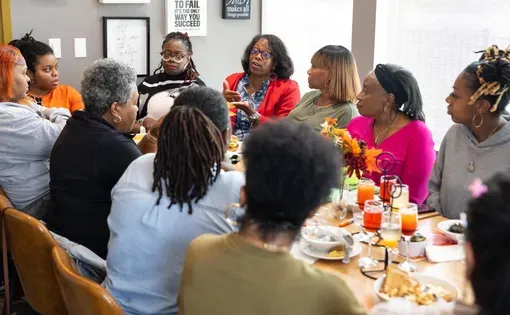
“As we worked on the project, we held several voting-specific solution circles (two online and two in-person in Jackson and Biloxi) where we listened to voters talk about the issues they face at the ballot box…We used those meetings to help inform our election coverage, publishing guides on topics like how to get a free voter ID, how to register to vote, how to cast an absentee ballot, how to volunteer to work the polls and more.”

Audience research
As we worked on the project, we held several voting-specific solutions circles (two online and two in-person in Jackson and Biloxi), where we listened to voters talk about the issues they face at the ballot box. Unlike a traditional focus group, we let the voters set the agenda and drive the discussions. We heard not only from voters who talked about being sent to the wrong polling place by the polling place locator and frequent polling place changes, but also from those who decried things like a lack of basic information on voting and accessibility issues at the polling place.
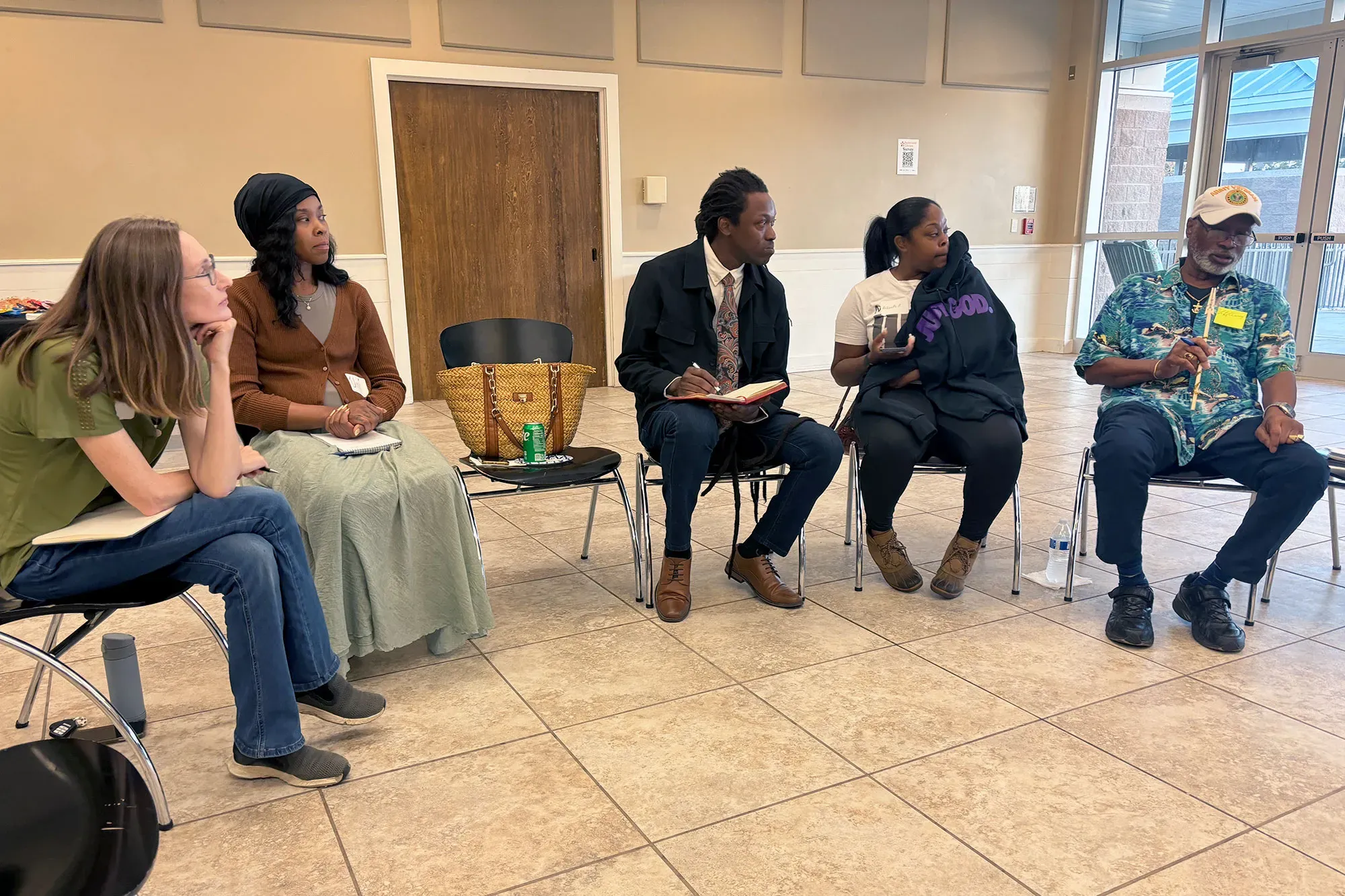
We used those meetings to help inform our election coverage, publishing guides on topics like how to get a free voter ID, how to register to vote, how to cast an absentee ballot, how to volunteer to work the polls, and more. Ahead of Election Day, we also used social media to share information with voters about what polling place accessibility looks like and asked them to describe any accessibility problems at their polling places and to send photos. We plan to use the data they sent us and further explore accessibility issues in the future.
In conversations with local election officials and state officials, we found that many people want to do their jobs well and are frustrated by bureaucratic hurdles as well as a lack of resources. These conversations helped us to focus more on the issues with the overall system that need addressing.

Impact
Some of the impacts we’ve seen from this reporting include:
- A leading voting rights organization privately told me they used the information we reported to contact voters who may not know their precincts had changed. The organization also conducted its own audit of the system, based on the information we provided, and said it intends to push for legislative fixes in the future.
- Amid this ongoing work, the number of precincts with erroneous addresses dropped dramatically between March 2024 and November 2024, from 90 to 20.
- In March of 2025, the Mississippi Legislature passed House Bill 1419, a legislative effort that began in response to our reporting on last-minute precinct changes. It bans polling place changes within 60 days of an election except in exigent circumstances, such as a precinct building being damaged in a storm. It also adds stricter requirements for notifying voters of precinct changes.

Lessons learned
The most difficult part of this project was the sheer magnitude of navigating through 82 different counties and figuring out which office, and who in which office, to contact in each county. In some counties, we were able to get questions answered and discrepancies worked out within a day; in other counties, it took weeks to get definitive answers.
Developing good-faith relationships with local election officials in the more difficult areas, including many who want to ensure voters have good information, was an important part of the process. Bolivar County Election Commissioner Ora Jackson spent considerable time and multiple calls helping me track down the correct answer for the Shelby precinct. Attala County Commissioner Annie Winter helped me understand the discrepancies between her commission’s data and the information the circuit clerk’s office had.
If I had done anything differently, I would’ve started building those relationships much earlier and maintained them more than just when we were making frenzied calls in the month before the election while trying to confirm polling place information. Beginning in the summer rather than the fall would’ve allowed for more time to go through the intense verification process and also allowed more time to catch our own errors.
“In a time where elections and election officials are regularly subject to scrutiny, conspiracy theories, and even threats, this work shows how methodical, sustained reporting on our election systems can help build trust and point toward solutions.”
There are many lessons other newsrooms can learn from this project, such as the value of sustained attention to public interest issues like election administration. While systems stories may seem “boring,” these crucial accountability stories can provide a great public service and a greater service to democracy than simply focusing on high-profile political drama.
Newsrooms should also consider our solutions circles model for civic engagement. Instead of extracting stories from communities, journalists can use these opportunities to build closer ties with the communities they cover and to uncover problems, solutions, and stories they may not otherwise be on their radars. This model offers the prospect of developing long-lasting relationships, which could be especially helpful for newsrooms that cover large regions.
This project demonstrates how local journalism can serve to hold government accountable while also helping grow engagement in democracy, even on a small scale. In a time where elections and election officials are regularly subject to scrutiny, conspiracy theories, and even threats, this work shows how methodical, sustained reporting on our election systems can help build trust and point toward solutions.