Journalist Resource
 October 3, 2025
Covering Fishers, Scientists, and the Future of New England Seafood
Country:

In an age where information is everywhere but often eludes the communities that need it most...
A documentary and radio series produced as part of the StoryReach U.S. fellowship brings local stories of climate change, pollution, and policy to New England fishing communities, policymakers, and scientists. Highlights include:
- National and local reach: Radio stories distributed by NPR and a documentary available on YouTube.
- Community engagement: Film screenings and Q&As fostered rare dialogue between fishers, scientists, and local residents.
- Advocacy and promotion: Fisherman Bill Amaru actively shared the film with over 1,000 people at local fishery events.
- Collaborations strengthened: Partnerships formed between WHOI, Columbia Journalism School, local scientists, and journalists for workshops on storytelling.
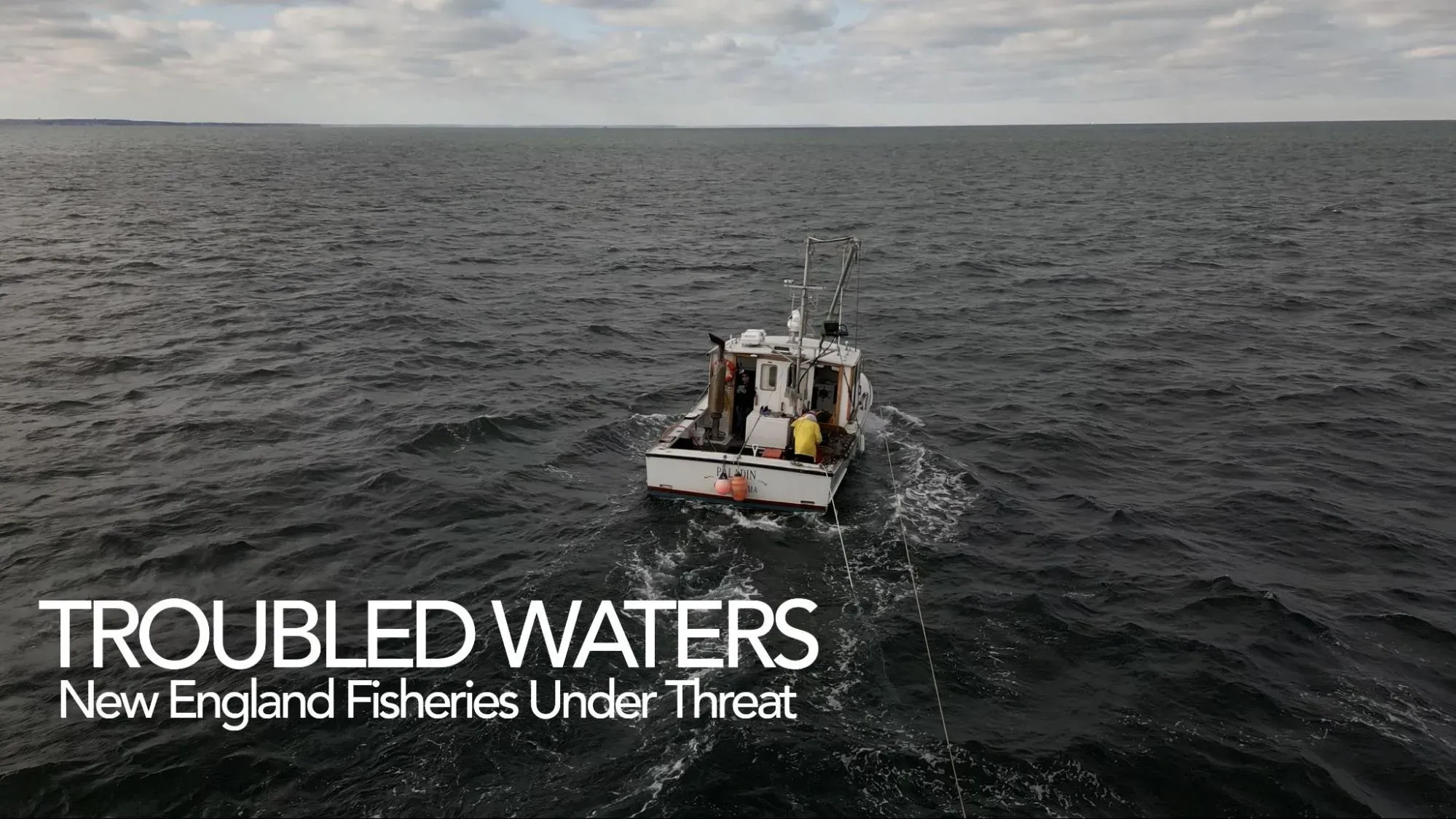
During the Pulitzer Center StoryReach U.S. Fellowship, I partnered with radio reporter Barbara Moran from WBUR in Boston. Troubled Waters was our second collaboration to be funded by the Pulitzer Center. Our previous project, The Yellow Tide, a documentary film about nutrient pollution in Cape Cod’s ponds and estuaries, inspired this follow-up story.
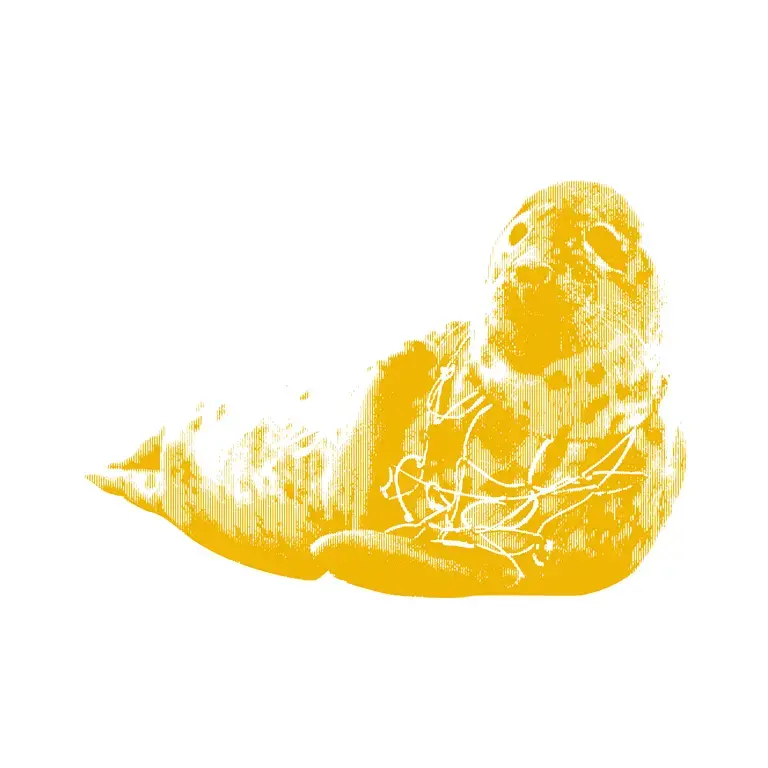
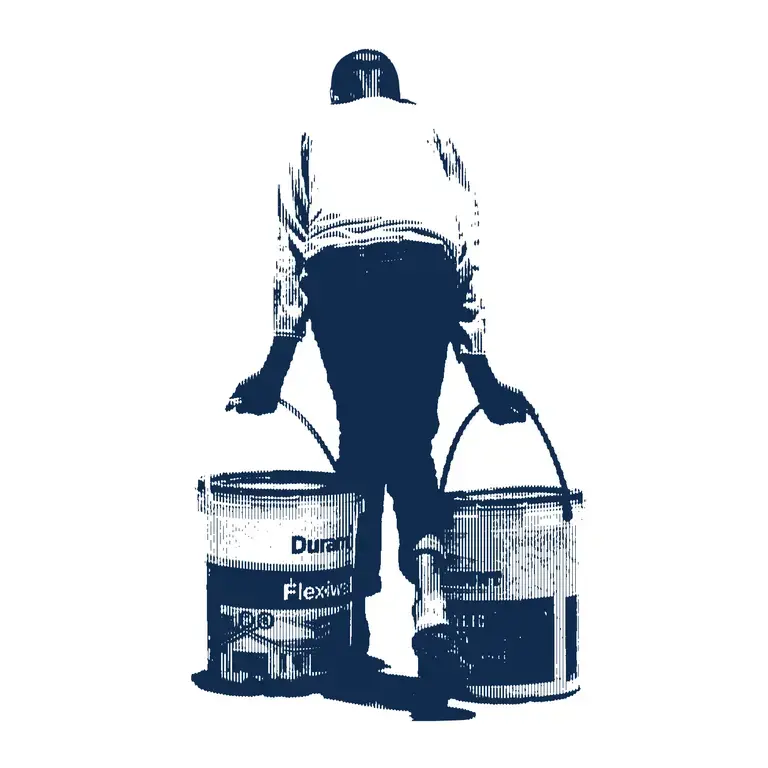
Our StoryReach project was a series of radio reports and a short documentary film. These stories focused on the effects of climate change, pollution, and slow-moving environmental policy on New England fisheries. Our stories centered on fishermen like Bill Amaru who are seeing their livelihoods and way of life decimated by reduced fish stocks and crippling bureaucracy. We also featured scientists working on ways to mitigate the effects of climate change and pollution on Cape Cod’s bays and estuaries.
While the topic of our reporting was important, it was equally urgent for me to continue to engage with local newsrooms and to work with local reporters to produce high-quality journalism. Newsrooms across the country continue to be starved of resources, if they are not closed all together.
As a nonprofit journalism organization, we depend on your support to fund more than 170 reporting projects every year on critical global and local issues. Donate any amount today to become a Pulitzer Center Champion and receive exclusive benefits!
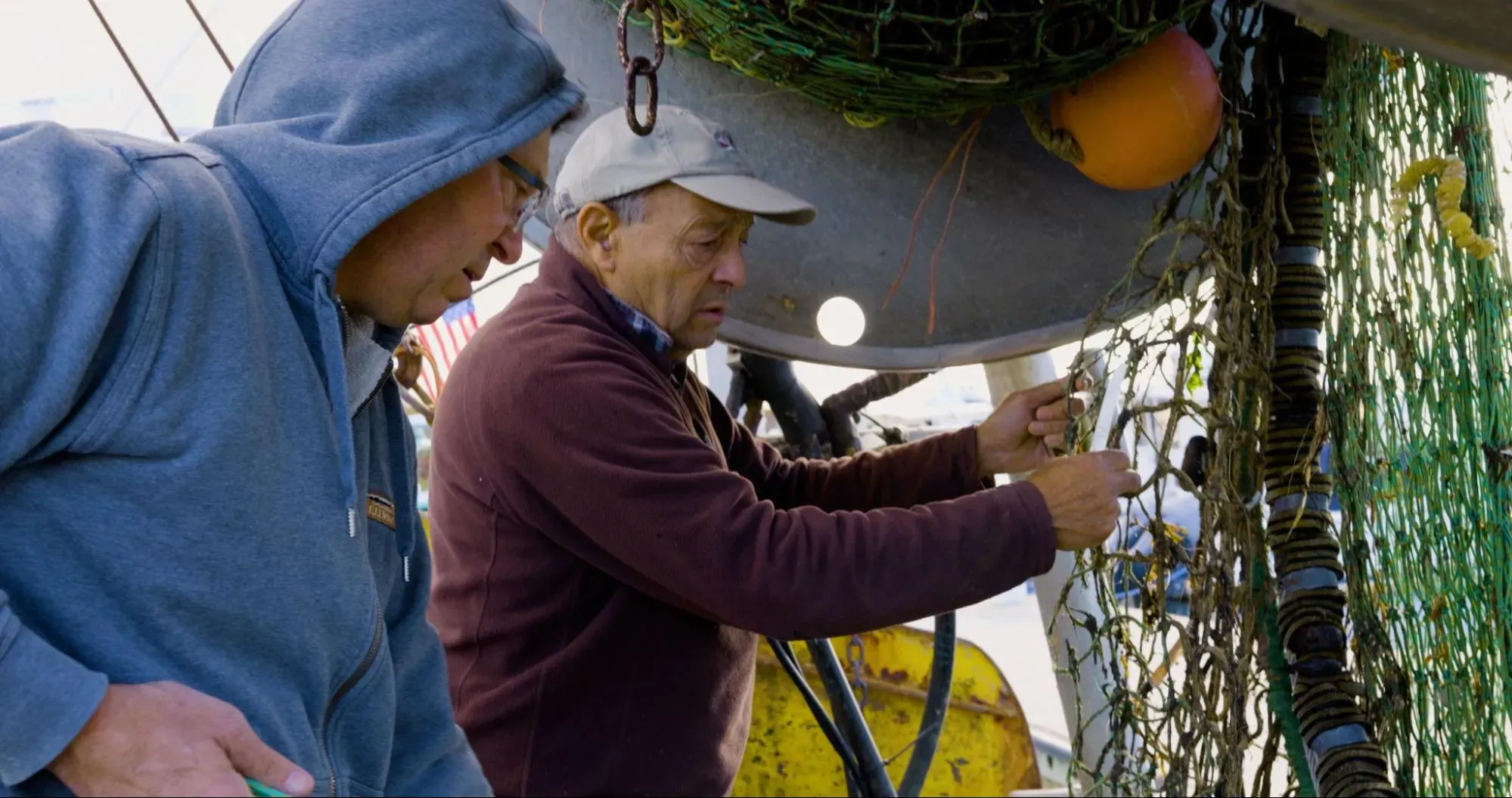
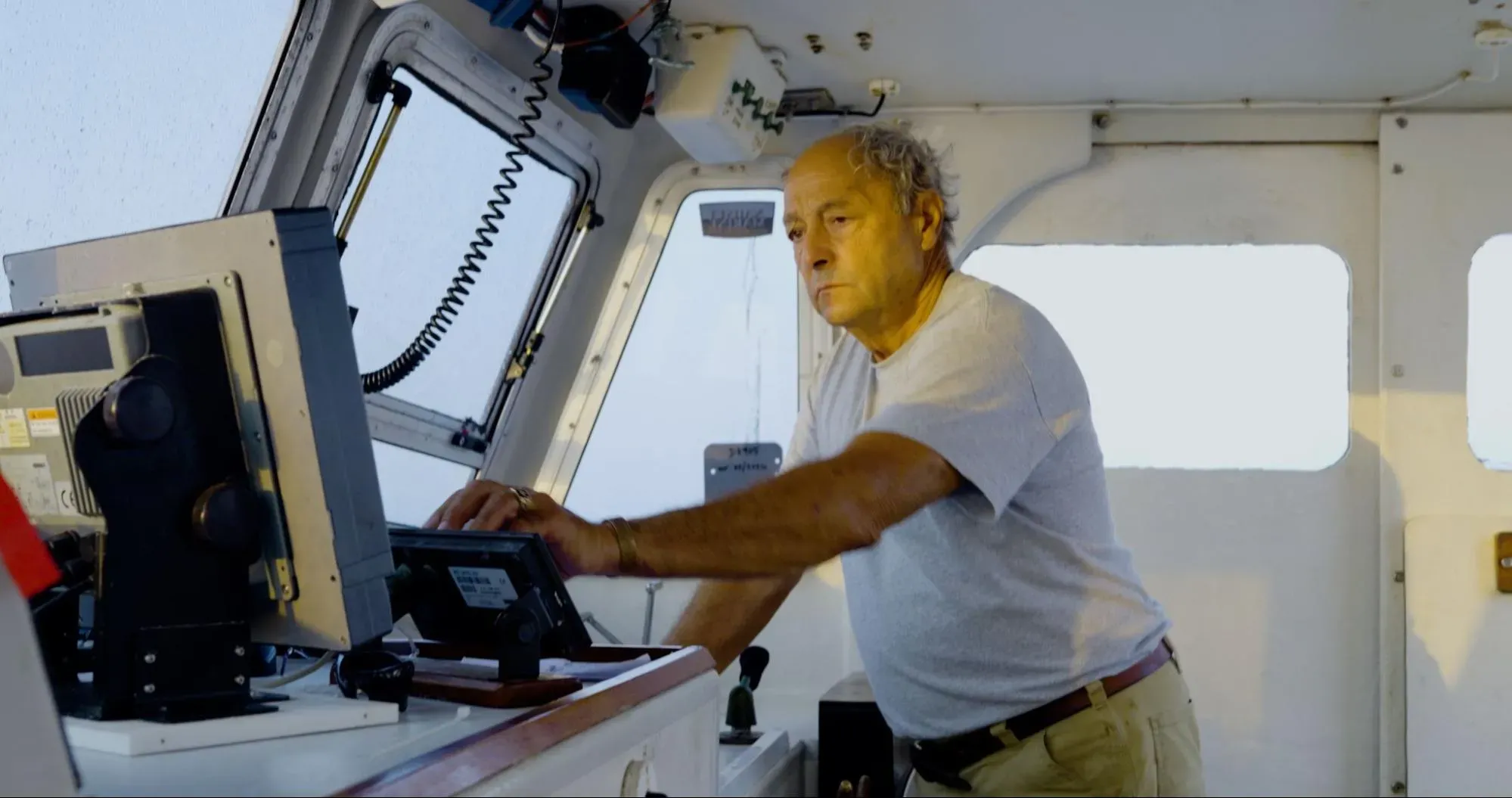
To be clear, reporters and editors in local newsrooms are top class and they know their audiences and communities intimately. But, financial and business pressures have made it nearly impossible for many to engage in long-form, deeply-reported journalism, especially in multimedia formats. Partnerships between organizations like the Pulitzer Center, newsrooms like WBUR, and reporters like myself will be an important way forward to ensure that important stories get covered in meaningful ways. The StoryReach Fellowship provided reporting and engagement support, but most importantly, it really allowed me to collaborate and support a local newsroom with my documentary filmmaking skills. I also learned much about New England fisheries by working with Barbara and the WBUR team.

Reporting process
During the course of reporting, we interviewed several groups of sources: commercial fishers, scientists, policymakers, and the public. These groups would also become our main audiences as well. We focused on commercial fishers with relatives who were struggling to keep the family business afloat. Many of these businesses went back several generations. We talked to leading scientists from the Woods Hole Oceanographic Institution and the Marine Biological Laboratory. We interviewed leaders from the fishery management council, NOAA, and the EPA. All these sources also represented the general public, as they all live, work, and eat seafood in New England. Our reporting process took about four to five months. The rest of the fellowship time was spent on producing the radio stories and documentary film.
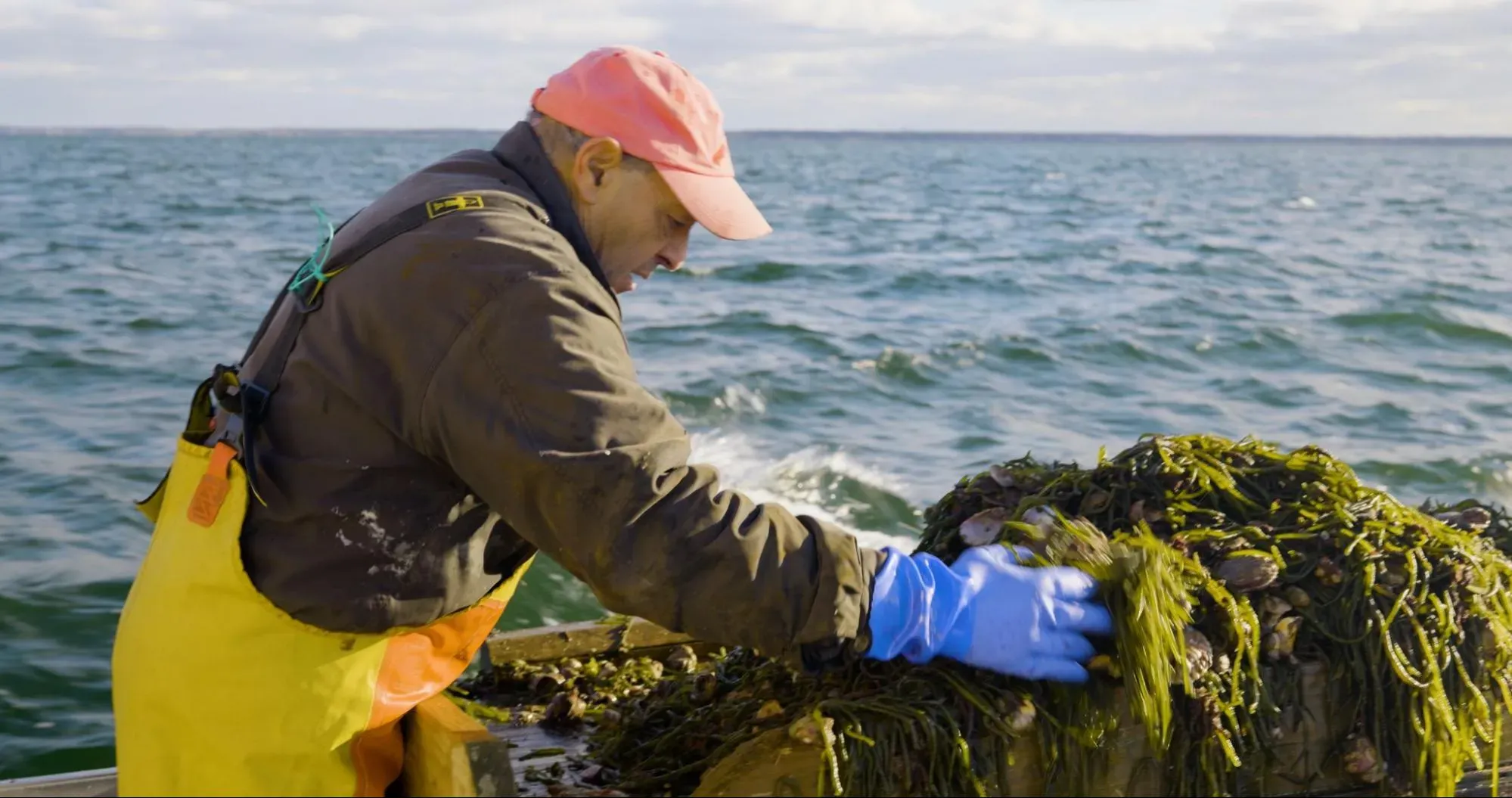
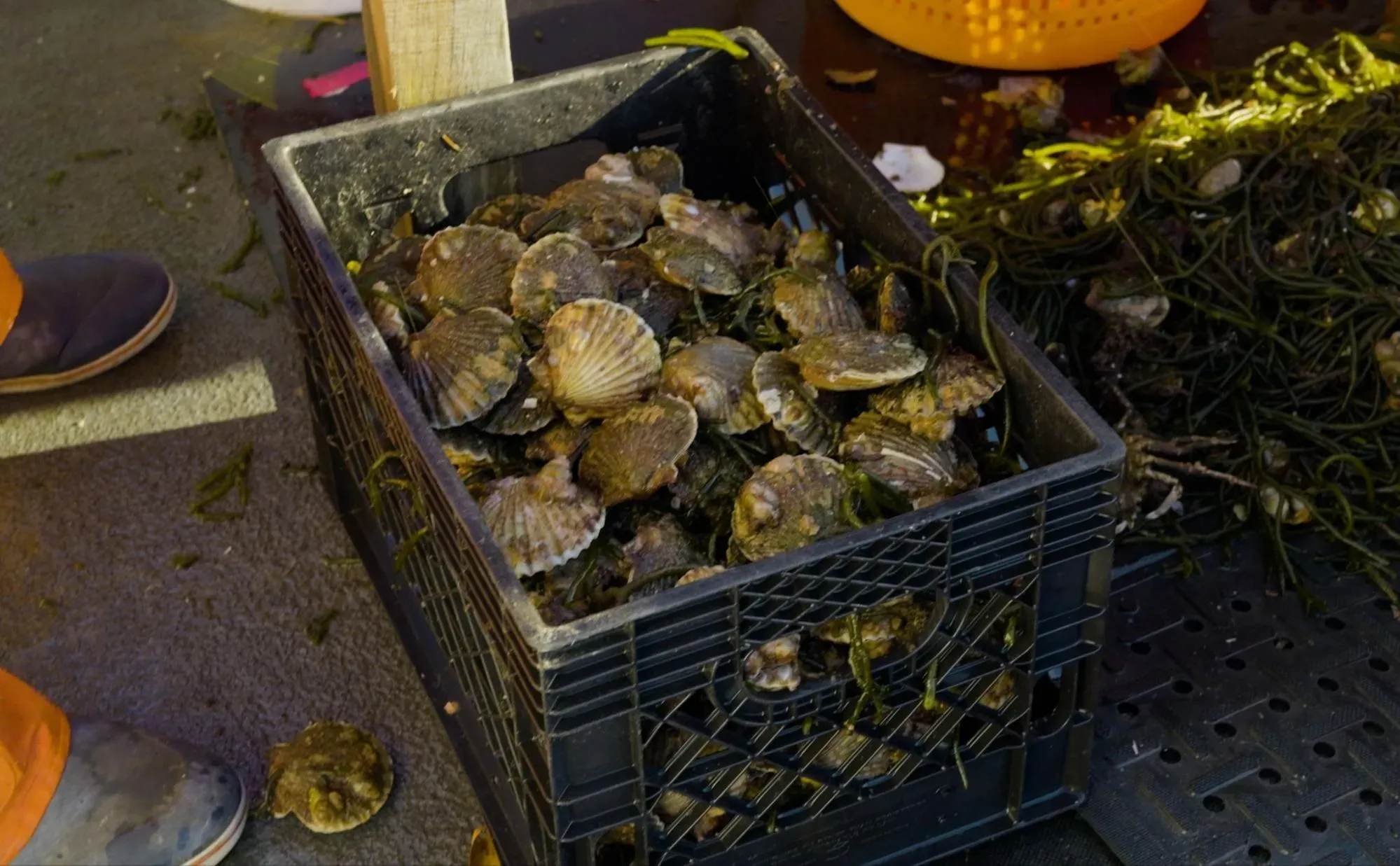
Partnering with a local journalist was key in my reporting process. Barbara has been a science reporter for WBUR for years. She knows the area, the players, and the story. But, most importantly, she provided built-in trust with the community. I was coming from New York and was parachuting into the story. Without Barbara’s years of experience in the area, sources would not have been as open to meeting with an outsider like me. It also helped greatly that this was our second major project together—we knew how to divide up the reporting and, importantly, how to get out of each other’s way in the field. Radio production and documentary filmmaking are two very different disciplines, and we were able to create space for each other.
Here are tips for journalists collaborating between newsrooms and between media:
- Sometimes it is best NOT to report together: On certain reporting trips, Barbara and I worked together side-by-side. But the vast majority of our field work was done separately so that we could get the elements we needed for our individual stories. Barbara needed clean, clear sound for her audio stories. I needed intimate scenes with our sources for my film.
- Share material: All of the interviews we did on-camera for my film were transcribed and also used in Barbara’s audio stories. This saved us on reporting time and eliminated the need for us to interview sources multiple times.
- Promote each others’ work within our own networks: When Barbara’s stories premiered on WBUR, I promoted them in my networks, including Columbia Journalism School. Barbara promoted my video work through WBUR’s social channels. And, of course, the Pulitzer Center’s communications team promoted all of our work.
We divided our reporting into three main areas: fishing policy, environmental science, and fishers who were being affected by climate change and slow-moving environmental policymaking. Barbara was already deeply tapped into this beat, so we quickly found sources such as Cate O’Keefe from the fishery management council and Jon Hare from NOAA. Woods Hole is a global center for oceanographic research, and several of our sources were the same as those from our previous projects. Scientists from WHOI and MBL were very eager to chat with us and to participate in the stories.
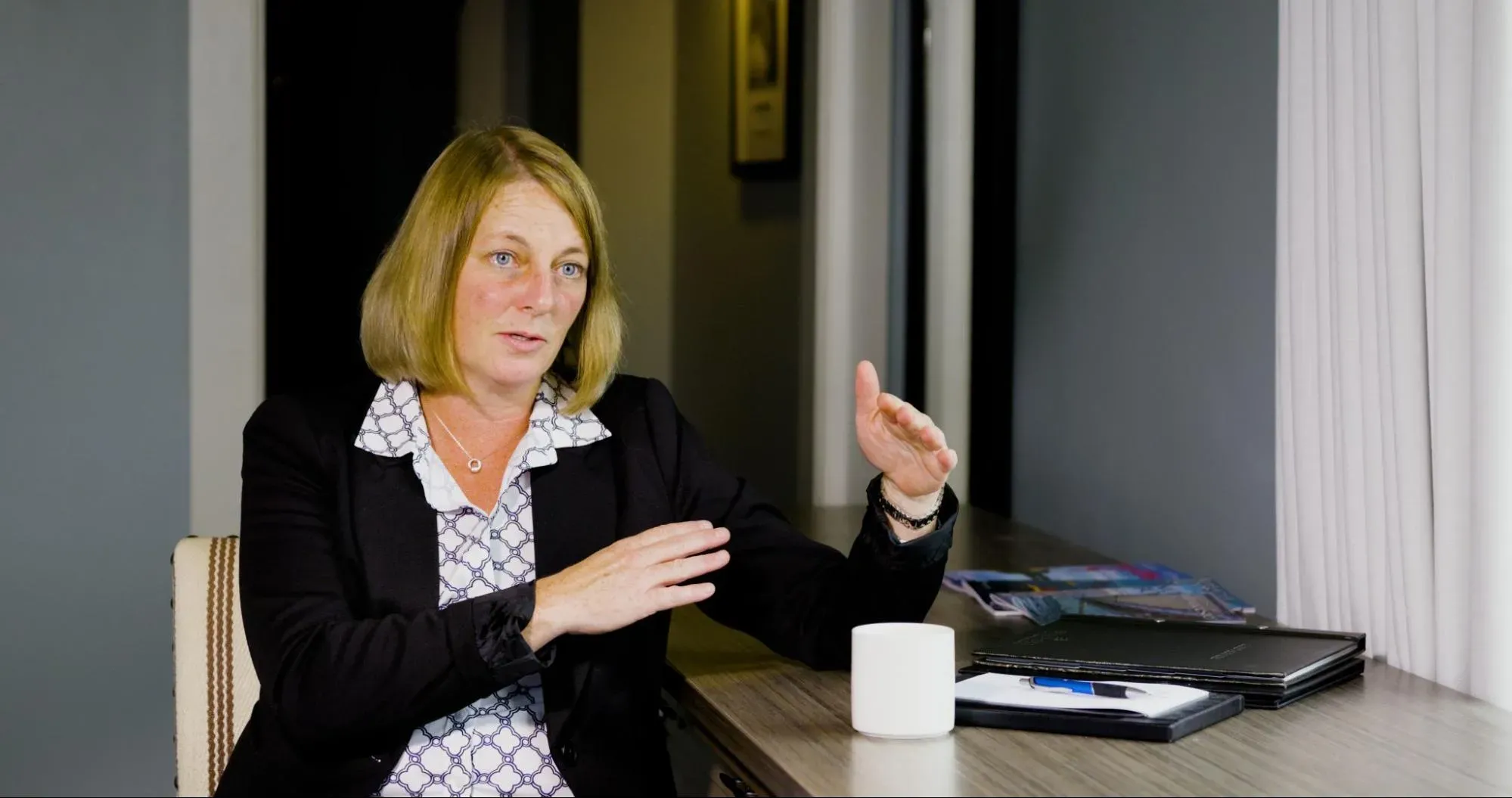
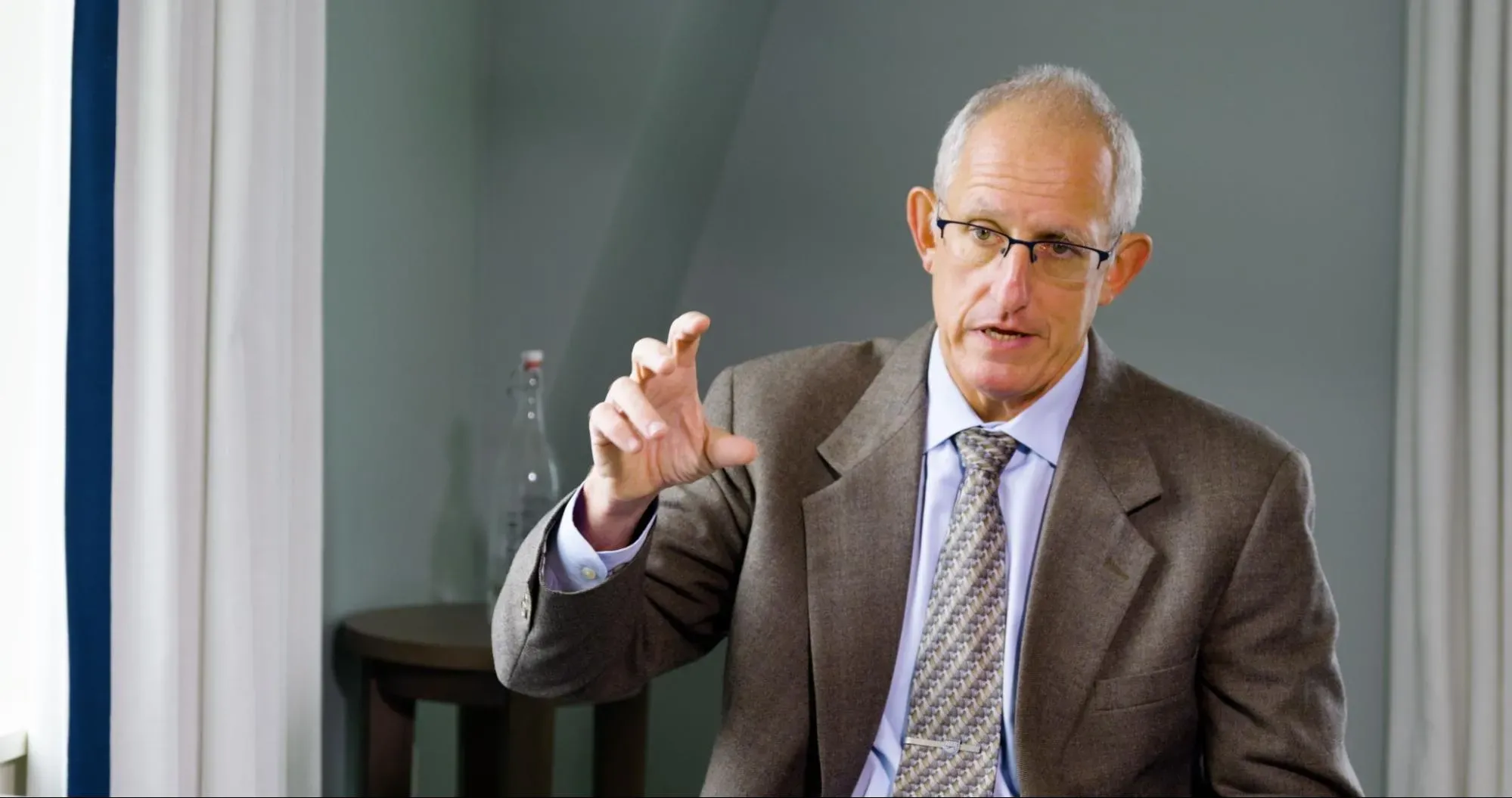
We found fishing families besides the Amaru family, but their schedules could not accommodate our reporting and production timeline. We connected with lobster fishermen through scientists and MBL. And Bill Amaru led us to his fishing friends. This story is ongoing and it is my hope to return to the area to do additional follow-up stories about these families and to continue to document the changing climate and fishing industry in New England.
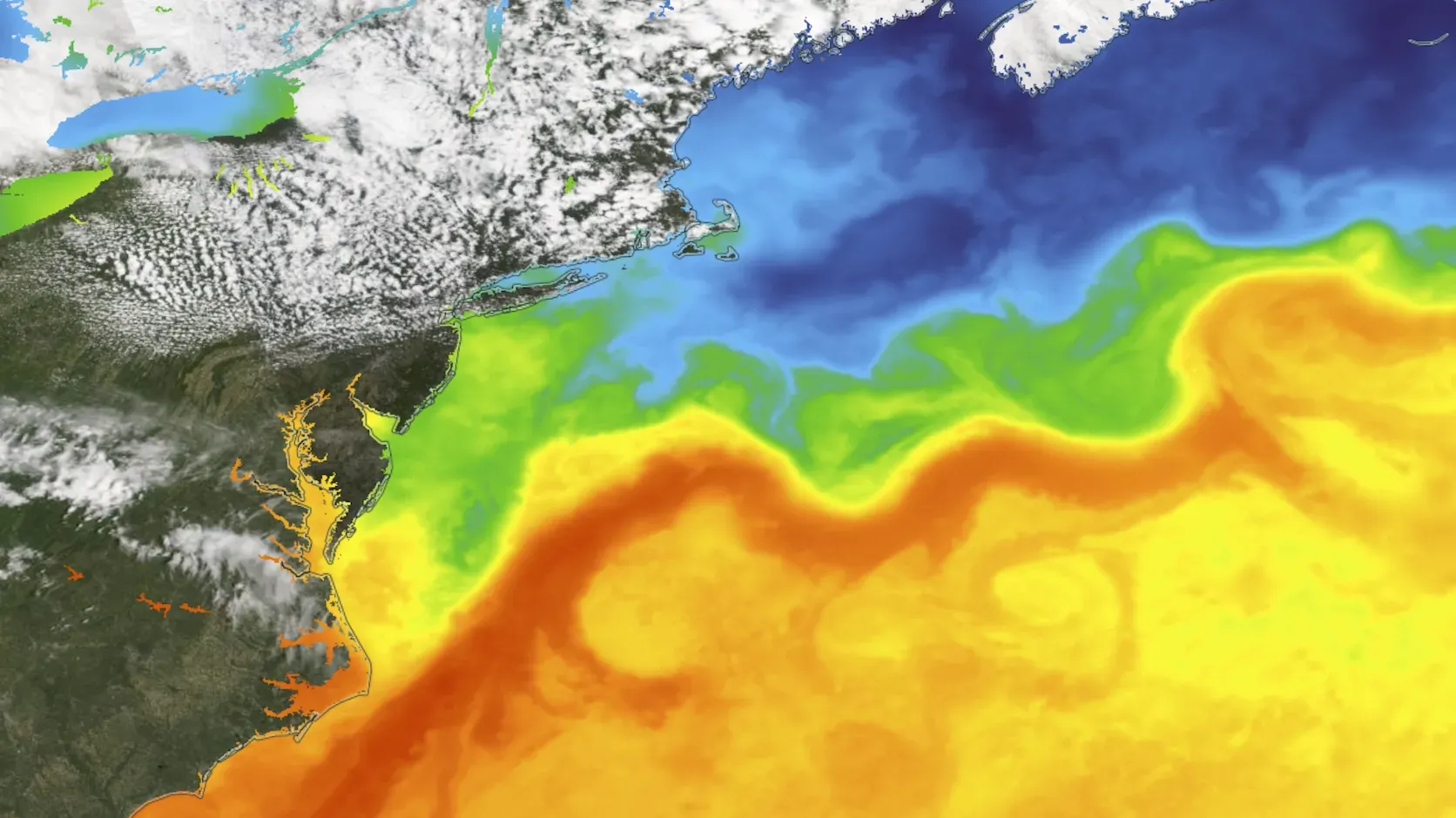
In terms of data, we were fortunate that NOAA, EPA, other scientists, and local watchdog groups produce and publish tons of data. We were able to get studies and reports about warming water temperatures, changing fish stocks, nutrient pollution, and other important information directly from agencies or advocates. We verified all the numbers by cross referencing various databases. It is terrifying to think that the current presidential administration is working to eliminate or delete scientific data—these datasets provided the basis for much of our reporting and storytelling.
While we wanted to gain a broad range of information from our reporting, our primary goal was to understand the friction between science, policy, and industry. Could these groups work in concert, or are they destined to be in constant opposition? We asked fishers questions about the realities of their catch: How fast were the fish populations changing? How were regulations affecting their profit margins? Was there a future in this industry? For scientists, we asked questions related to the warming and acidification of the ocean to corroborate what the fishers were seeing first-hand. And for the policy sources, we asked questions related to the rate of policy change. Were environmental rules designed to protect the ocean irreparably hurting the fishers? Ultimately, we found that fishers and policymakers wanted to work together, but it would be some time before they could figure out how to move forward.

Audience research
From the start of the project, I knew that we would be producing radio stories that would be heard by the local community. I also wanted to screen the documentary film on Cape Cod, in front of an audience of local fishers, scientists, policymakers, and residents. While this is a big, global story, our radio features and documentary film are very local in nature: The players in our stories are all affected by these issues directly. The loss of local fisheries would immediately impact the local economy, as well as the local cuisine. New England is famous for its local seafood, and the general public would all be affected by its decimation or disappearance.
Admittedly, we used a very traditional promotional and engagement strategy for our work. When a radio story was produced, we would promote it via social media such as Instagram. Barbara did make unique Instagram Reels to promote the story and to present additional reporting. But, in retrospect, we should have engaged with audiences all along the reporting process. We could have produced Reels during our reporting, not just at the time of publication, and engaged with the audience directly while we were gathering information.

Impact
Our work has already had immediate audience impact. Our local stories were picked up for national distribution on NPR. We screened the film in Woods Hole in Cape Cod. The screening attracted scientists, fishers, policymakers, and residents. The well-attended screening featured a Q&A with Bill Amaru and other participants in the film. The community asked questions afterwards for nearly an hour. In July, we screened the film again for scientists at the Woods Hole Oceanographic Institution followed by a discussion about science communication. As a result of this screening, WHOI and Columbia Journalism School will collaborate on workshops to teach scientists how to tell stories.
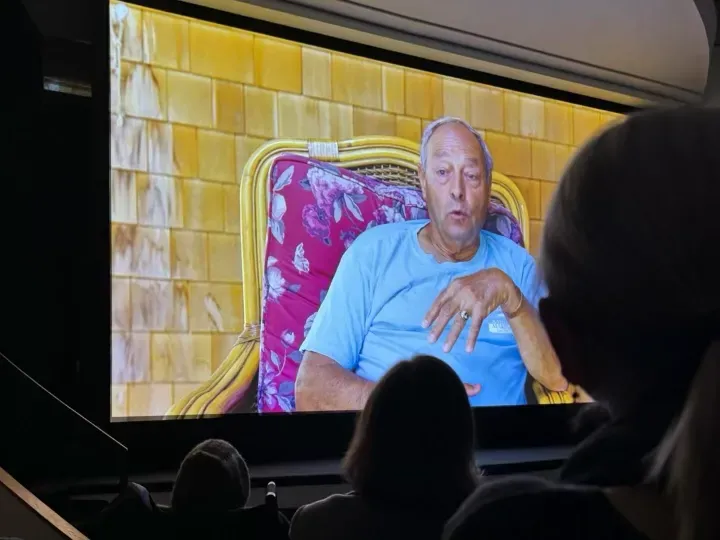
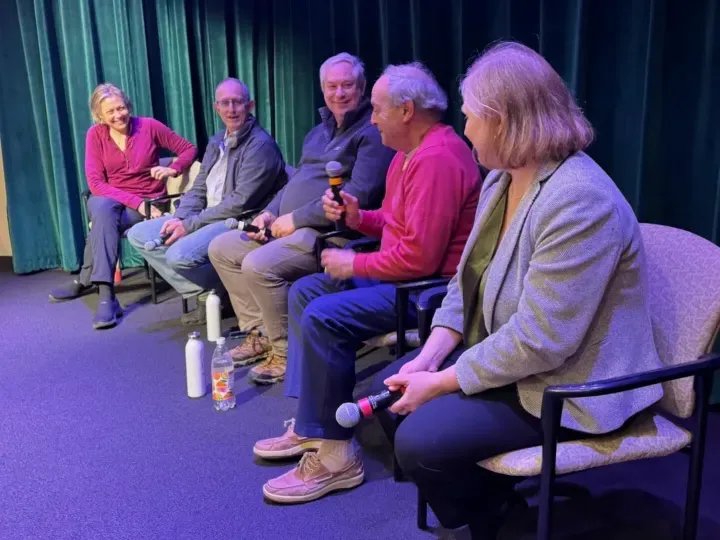
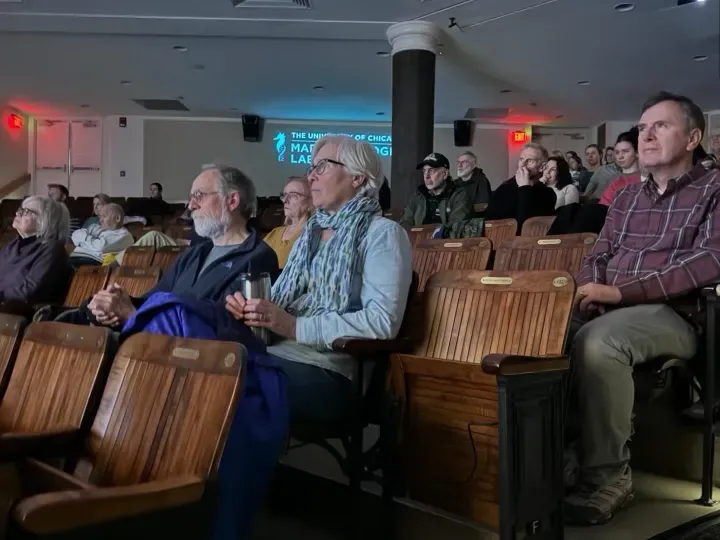
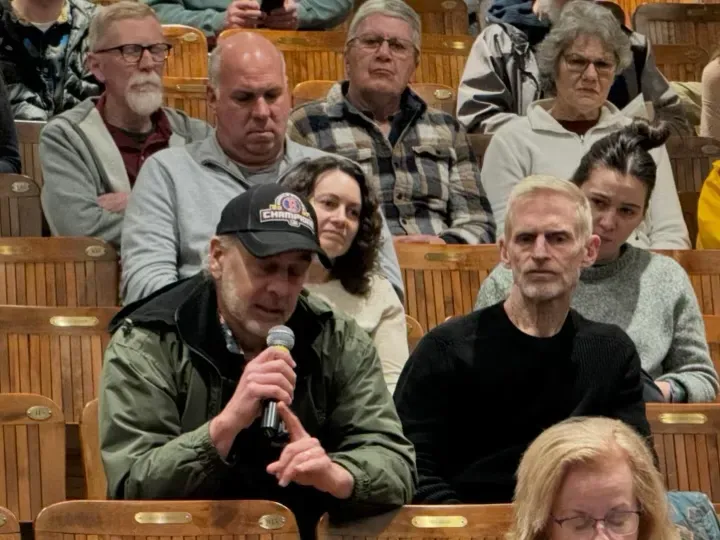
Bill Amaru, our main protagonist, has been advocating for the film at all the local fishery council meetings and other important fishery events in New England. He says that he has told more than 1,000 people about the film and its importance. It is my hope to team up with Bill to do local screenings on Cape Cod at elementary and high schools. Bill already visits schools to speak to students about the fishing industry and the threats of pollution and climate change. I hope that Bill can screen the film and use it as a tool for engaging young people to engage with these issues.

What we learned
If I am being honest, I think I missed the mark quite a bit in terms of engagement with this project. I come from very traditional journalism roots, and even more traditional documentary filmmaking traditions. You report, you edit, and then you publish. If the audience sees it, that is great. And that is definitely someone else’s job. This was no fault of Steve, Fareed, or the Fellowship. They provided great resources, workshops, and tutorials, but I think changing a journalist’s mindset takes a lot of time.
I am proud, however, that I was able to screen the film in the community where I filmed the story. So often, work produced by non-local journalists like myself get screened on national or international platforms, with little engagement with the local community. The screening in Woods Hole gave me that chance to see reactions from the participants in the film first-hand. And, importantly, I got their real-time feedback. Every journalist needs this.
In the future, I plan to use the lessons learned in the Fellowship to “publish as I go.” I will leverage Instagram Reels more strategically to present information, but also to build an audience for my “final” stories. It has not been anything I’ve done in the past, but I recognize that it is powerful to engage with viewers throughout the reporting process, not just at the end.

“So often, work produced by non-local journalists like myself get screened on national or international platforms, with little engagement with the local community. The screening in Woods Hole gave me that chance to see reactions from the participants in the film first-hand. And, importantly, I got their real-time feedback. Every journalist needs this.”
The biggest advocates of this work—outside of WBUR and the Pulitzer Center—were our sources. This story was deeply important to Bill, the fishermen, and scientists like Glen Gawarkiewicz and Mirta Teichberg. They all wanted this story to reach large audiences. Bill wanted the public to understand the plight of the fishing industry. And Glen and Mirta wanted the public to understand the ramifications of climate change and environmental pollution. From the very start, they all expressed a keen interest in promoting the story with us after publication.
Bill introduced me to all the other fishermen that we interviewed for our stories. He is a big name in the area, especially in the fishing community, and I knew it would be important for him to be a part of the public screening. Mirta and the communications team at MBL immediately jumped on the idea of hosting a showing of the film—as a public service, but also as a way to promote Mirta’s scientific work. And, Glen has now scheduled another screening, this time as a way to discuss science communication. Ultimately, I think that these public screenings and panels will have the biggest impact on the immediate community of Woods Hole.
One more thing I learned, or rather, reaffirmed, is the importance of collaborating with local reporters and newsrooms. Too often, reporters like me who are not based in a local newsroom will parachute into the story and then leave after we’ve extracted what we needed. Barbara’s reporting and her editor’s insights really made this work more powerful and more authentic—something I would not have been able to do on my own.
How others can apply what we learned
I think other journalists should embrace actively engaging with the audience as they report. Admittedly, it is very challenging to think about engagement while you’re reporting, editing, producing, and publishing. But, had I been more aggressive about publishing short content on social media during my reporting, I believe I would have ultimately built a larger audience for my final stories. I also think that I may have approached my stories differently along the way. Constant, real-time feedback from an engaged audience could have shifted my thinking, approach, or even angle to the story. So often, engagement is treated as an afterthought. But, these days, it is as important as the reporting and storytelling itself.