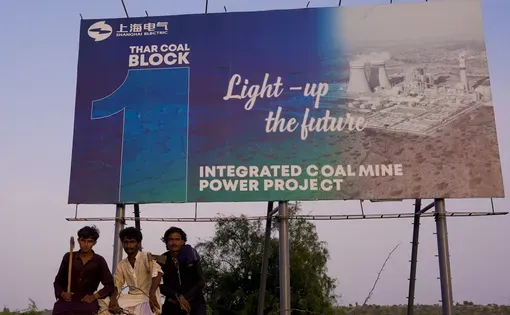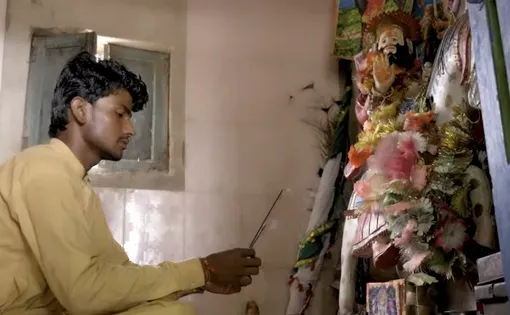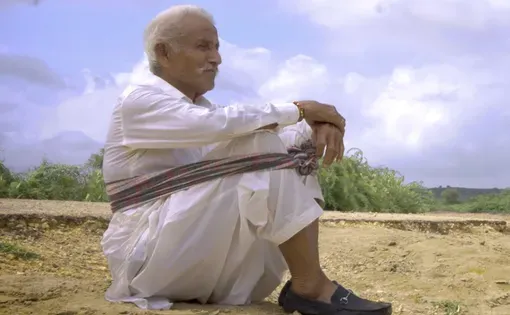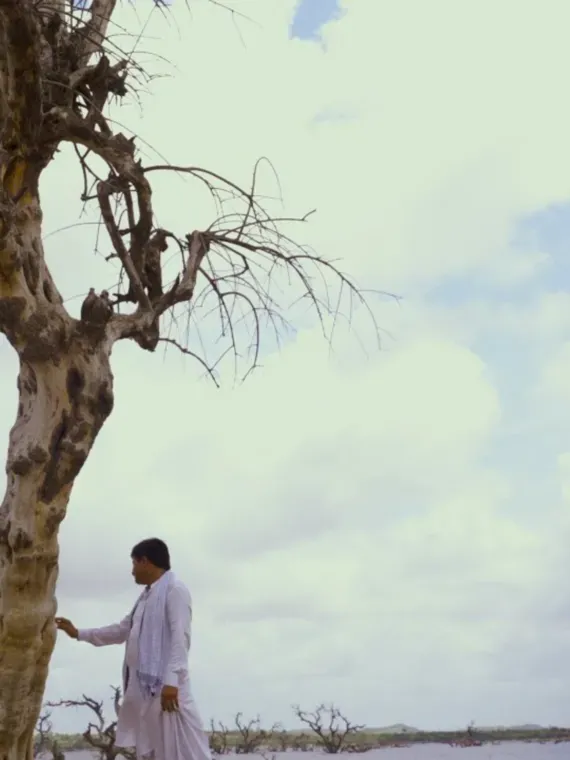


This reporting project explores the human and environmental cost of coal expansion in Tharparkar, a drought-prone district in southeastern Pakistan.
Despite receiving international aid for climate action, Pakistan continues to back coal projects—many of them financed through the China-Pakistan Economic Corridor (CPEC). These developments have serious consequences for the local population and raise questions about climate justice and policy contradictions.
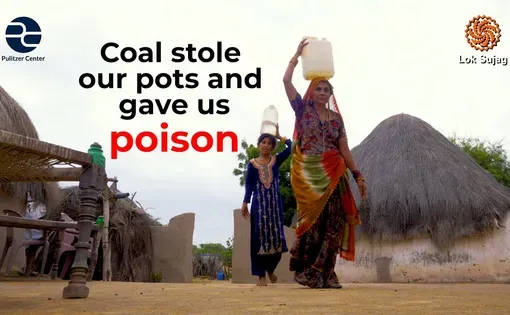
The True Cost of Energy for Thar will focus on Chinese-funded coal plants in Tharparkar, where underground water contamination and land disruption have harmed traditional livelihoods, especially livestock farming. It will highlight how these projects disproportionately impact women, who are responsible for fetching water and managing household resources. As water sources dry up or become polluted, women must travel farther, often risking harassment and physical exhaustion.
Through on-the-ground reporting and analysis, this reporting project will also examine the disconnect between government rhetoric and policy. While the Sindh government promotes climate resilience on paper, it continues to support coal expansion on the ground. Additionally, reporting will scrutinize foreign investors who fund these coal plants despite their home countries’ strong climate commitments.
By investigating these contradictions, The True Cost of Energy for Thar aims to reveal who truly bears the cost of development in Pakistan’s energy future.