Pulitzer Center Update September 5, 2025
Pulitzer Center Fellow Still Recovering After Dramatic Mountain Rescue in Norway
Country:


Project
Blue Carbon Boom
Ocean geoengineering and carbon removal could help slow climate change, but consequences for...

Pulitzer Center Ocean Reporting Network Fellow Alec Luhn is still receiving medical treatment after being rescued last month during a solo hiking trip in Norway in which he was seriously injured and went missing for nearly a week.
Luhn, 38, was treated at a hospital in Bergen, Norway, and will receive further treatment at the Royal Sussex County Hospital in England.
He recently gave several interviews to international media outlets, recounting his ordeal in the remote Folgefonna National Park, where he survived for six days after a fall.
According to The New York Times, Luhn and his wife, Veronika Silchenko, both award-winning journalists, traveled to Norway for a vacation with his family in late July. Realizing they were staying near the country’s third-largest glacier, Luhn decided to hike it alone.
An experienced hiker, he texted his wife his itinerary as she flew back home to the U.K. She did not expect to hear from him for a few days due to the lack of a mobile phone signal in the remote area.
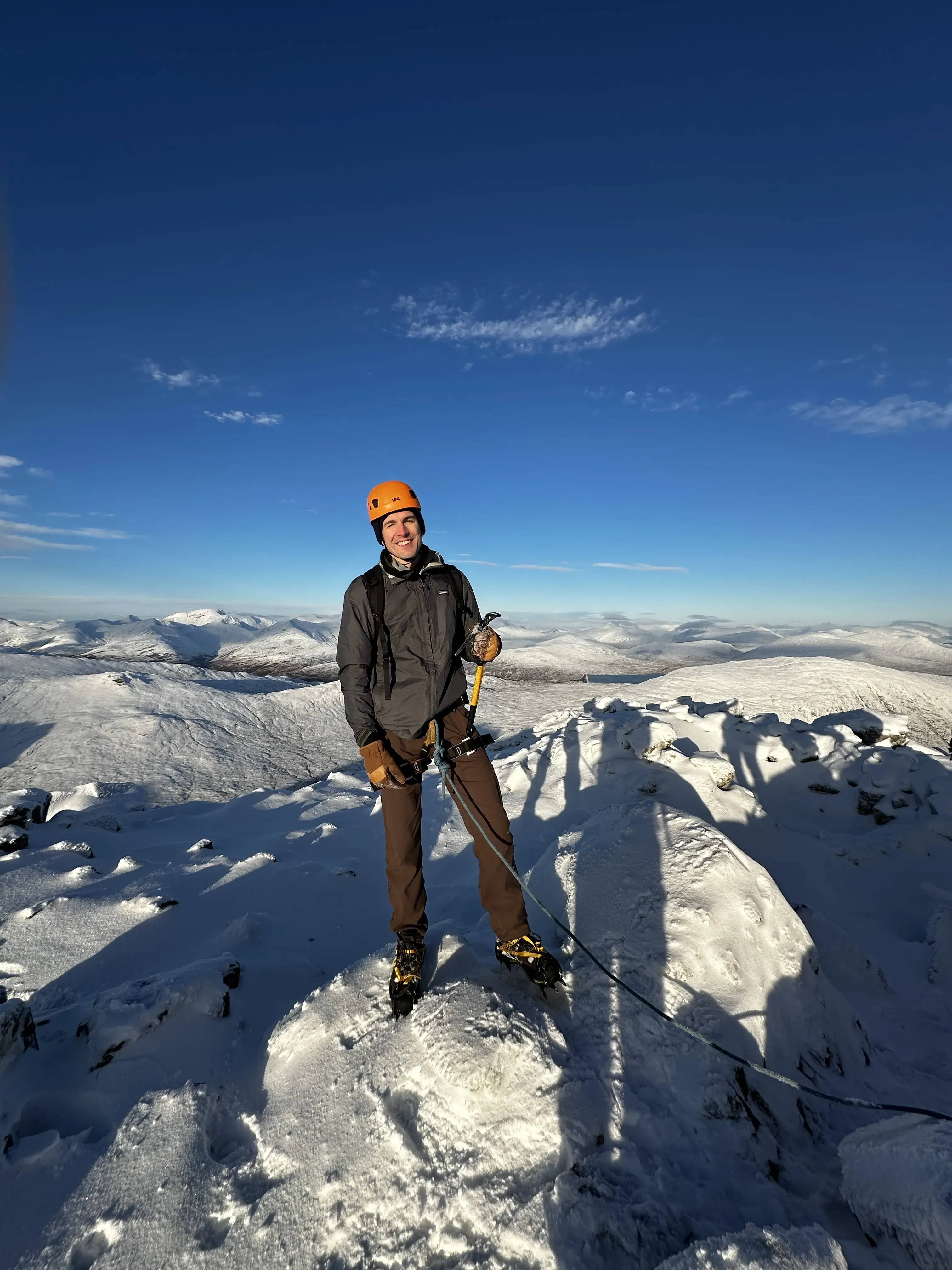
On the first day, July 31, Luhn slipped and fell down a cliff, breaking his femur, pelvis, and some vertebrae, banging his head and injuring his hands. His backpack with all of his gear had come off and his phone, turned onto airplane mode, was out of reach.
He managed to survive for six days with serious injuries, a broken phone, and no food or fresh water. A storm also moved into the area, leaving him wet and cold.
Surviving on rainwater and urine
Luhn told international outlets, including the Times, how he drank rainwater and his own urine while he waited for help, knowing that no one would start looking for him until he was due to return home days later.
Silchenko reported Luhn missing on August 4 after he failed to board a flight back to Brighton, England.
“When I was on the mountain, I just kept thinking about my wife and family. If this was the end, I would regret not spending more time with them. My solo hike around the glacier suddenly seemed utterly stupid and meaningless. My wife and family—I was going to do anything I could to see them again,” he said.
I fell while hiking near Folgefonna glacier & broke my femur, pelvis & some vertebrae. I was trapped on the mountain for 6 days & had to drink my own urine.
Bad calls got me into this. What got me out of it was the love of my wife, family & friends. I’m lucky to get a 2nd chance. https://t.co/6dggkhWLj8— Alec Luhn (@AlecLuhn) August 20, 2025
Using dogs and drones, more than 50 rescue workers with experienced climbers from the Norwegian Red Cross looked for Luhn for two days, in between bouts of severe weather. He was finally spotted by a helicopter on August 6 and was airlifted to a hospital in Bergen.
Luhn underwent surgery and is now receiving treatment for frostbite. His bones have healed, he says, but getting his feet working again after exposure to the elements is the biggest challenge.
“It will be a long recovery, but I feel lucky to be alive. My doctors have said I was rescued in the nick of time. If the storm hadn't let up enough for the helicopter to fly another couple days, I might have died,” he told the Pulitzer Center.
Originally from Wisconsin, Luhn is a climate journalist who has just completed a yearlong Ocean Reporting Network (ORN) Fellowship, in which he reported on the advantages and risks of marine geoengineering for Scientific American.
During his career, his reporting has taken him to some remote and challenging environments. As part of his ORN project, he traveled to the Arctic to investigate the potential to refreeze sea ice, and he has filed stories from Alaska, Ukraine, and Somalia.
Luhn's harrowing hiking experience was covered in the Times, The Guardian, CNN, BBC, and The Washington Post. As well as it being a news story with a happy ending, it also demonstrated the huge regard in which he's held in the environmental reporting world.
Luhn plans to hike again, but he has learned a lesson
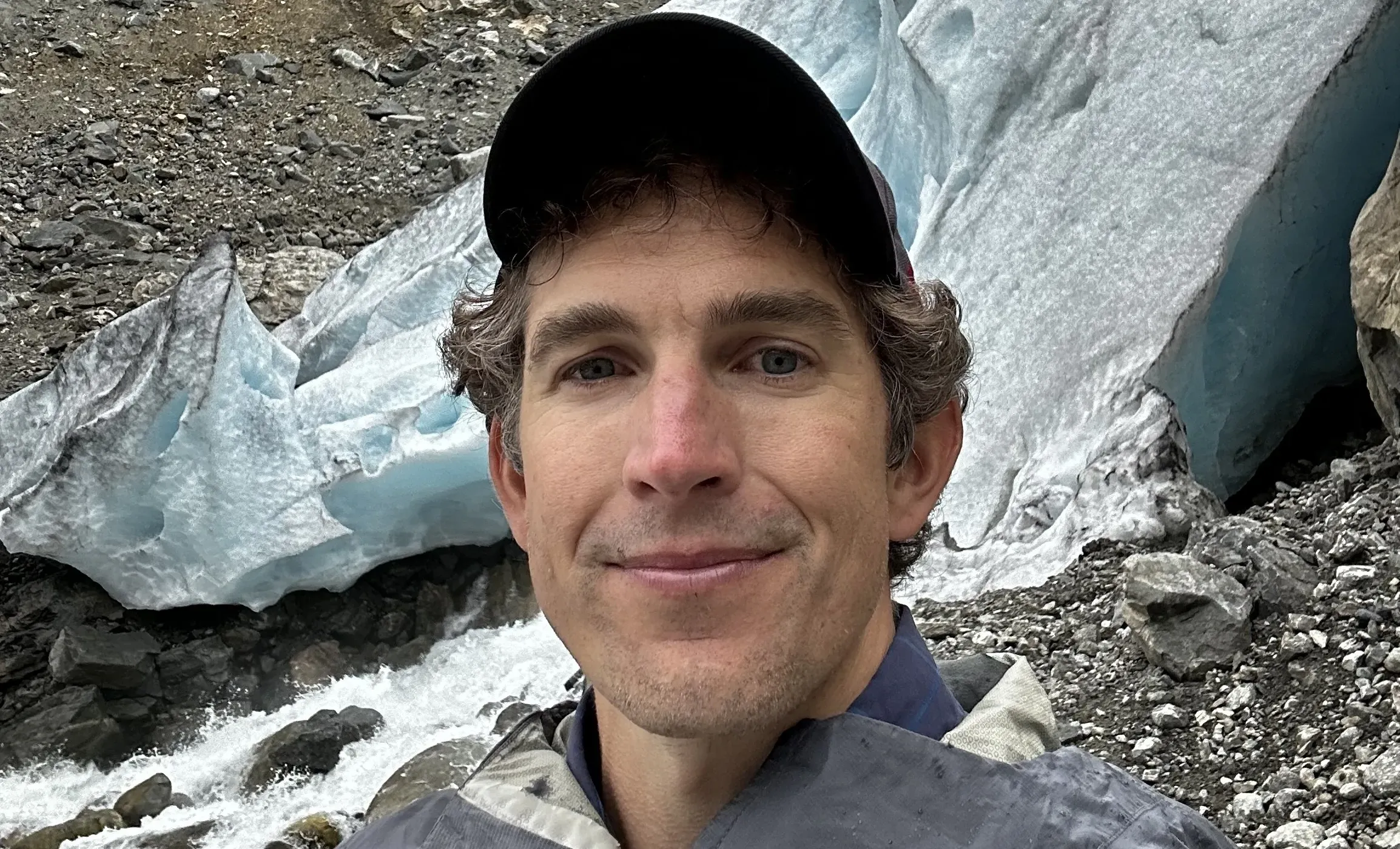
“The outpouring of support from friends and family has been overwhelming. I'm lucky to have survived, and also lucky to have such great friends and family,” he said.
Luhn’s fellow Ocean Reporting Network colleagues were very concerned over the news of him being reported missing, and were hugely relieved when he was found. Fellows rallied around him and supported each other.
The Pulitzer Center and Luhn attended the United Nations Ocean Conference in Nice, France, in June. At the end of the conference, he had a backpack strapped on and was headed off with his wife to hike a trail in the French Alps. (He has now promised to take her somewhere warm—with no glaciers.)
Luhn hopes to hike again in the future, but he has some advice: “Hike with a partner if you can, and don't hike solo in areas that you're not familiar with. If you are going to hike solo, carry a GPS tracker, and don't put your phone in airplane mode to save battery.”