Project July 10, 2025
Saltwater Cowboys: The Indigenous Divers Resurrecting Australia’s First Trade
Country:

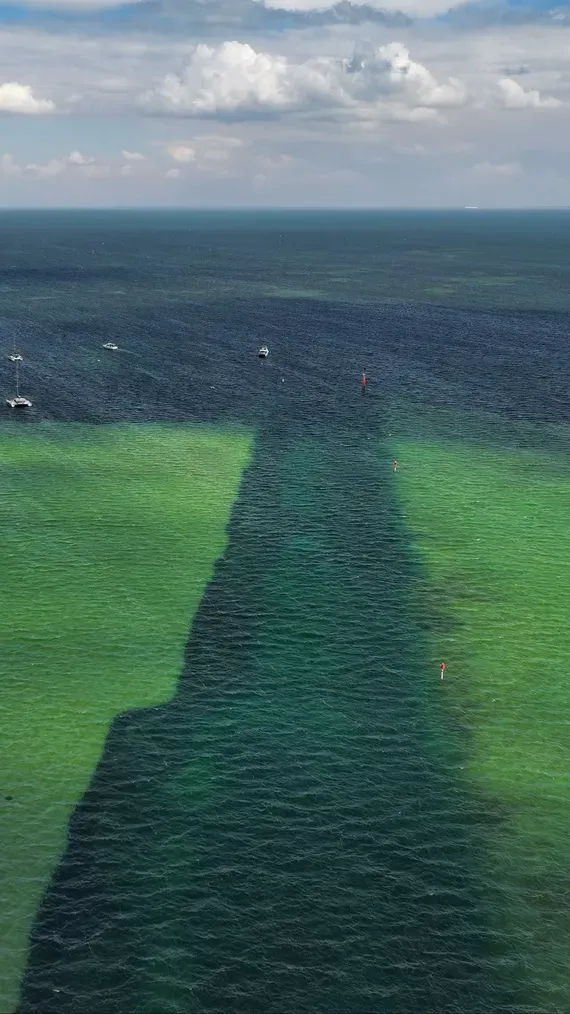
Western Australia's World Heritage-listed Shark Bay is home to the planet's largest reserve of seagrass meadows, but more than a quarter were wiped out during a devastating marine heatwave in 2011.
As the planet heats up, Malgana Traditional Owners are racing to restore 100,000 hectares of damaged seagrass in Shark Bay.
A group of Indigenous divers, known as the Saltwater Cowboys, have found a surprising link between sea cucumbers and seagrass.
In areas where they are located next to each other, seagrass grows at an accelerated rate.
Trepang, or sea cucumber, was Australia’s first export – traded between Aboriginal and Makassar people in the 1700s. Now, this ancient trade is being resurrected to lucrative markets in Southeast Asia, where seagrass is a desirable superfood. In doing so, the Indigenous business, Tidal Moon, is boosting investment and the drive to restore Shark Bay's seagrass.
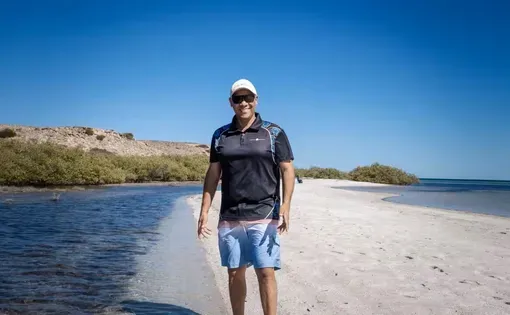
Frankie Adkins visits Western Australia’s remote Coral Coast to explore the following questions. Can Tidal Moon prevent another 'carbon bomb' from tearing through Sea Country? And can a humble sea cucumber really be a secret weapon in the fight to restore seagrass?