Browse and adapt hundreds of standards-aligned lesson plans for K–12 classrooms. Lessons encourage students to make local connections to global news stories, while strengthening skills such as critical thinking, media literacy, and communication. Click here to send feedback to our team.
-

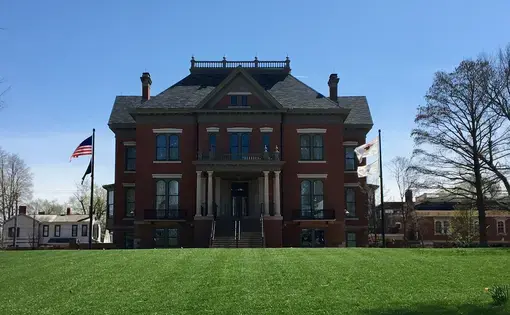
In this lesson, students read reporting and examine the complex role of Illinois museums in the face of COVID-19 and anti-racist protests across the country.
-
Lesson Plans
Evaluating 'America's Medical Supply Crisis'
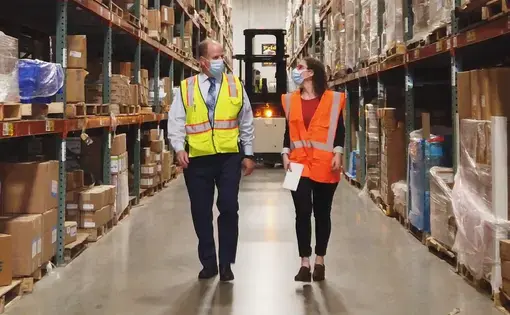
This viewing guide for the documentary "America’s Medical Supply Crisis” leads students in discussion, reflection, and projects that increase public awareness about the PPE shortage in the U.S.
-
Reach out to the Pulitzer Center education team to connect your students with an award-winning journalist who can demystify reporting on COVID-19 and public health crises around the world.
-
Lesson Plans
A Global Pandemic: Comparing, Contrasting, and Connecting to International Responses to COVID-19
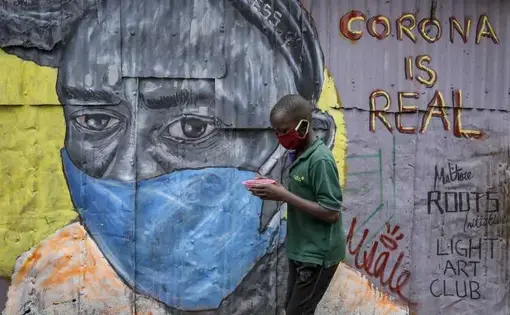
In this lesson, students will analyze the challenges facing communities in Kenya and Hong Kong in stopping COVID-19 and compare their responses to other places' around the world.
-
In this lesson, students will hear from a journalist who uses writing skills to describe underreported places, and practice the same skills in original writing.
-
Lesson Plans
How to Tell Under-Reported Stories with Photography
In this lesson, students will analyze how photojournalists tell under-reported stories using photography and apply tips for doing so themselves from Pulitzer Center-supported journalists.
-
This resource includes quotes, key terms/names/historical events, and guiding questions for each of the essays and creative works that compose The 1619 Project.
-
In this lesson, students will watch, analyze, and conduct further research based on a Pulitzer Center webinar where infectious disease journalist Jon Cohen speaks on the path to a COVID-19 vaccine.
-
In this lesson, students will analyze data showing that Black and brown people are over-represented in COVID-19 mortality statistics, investigate structural causes, and search for solutions.