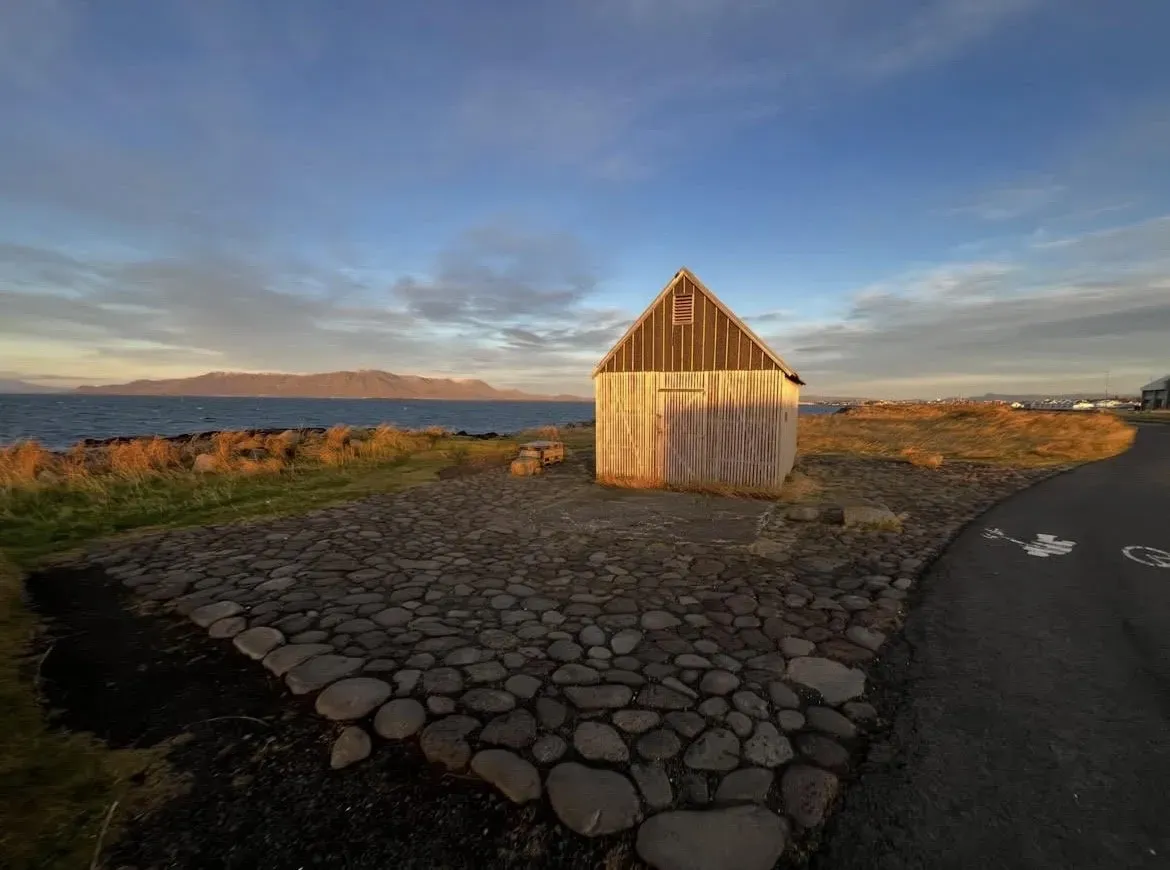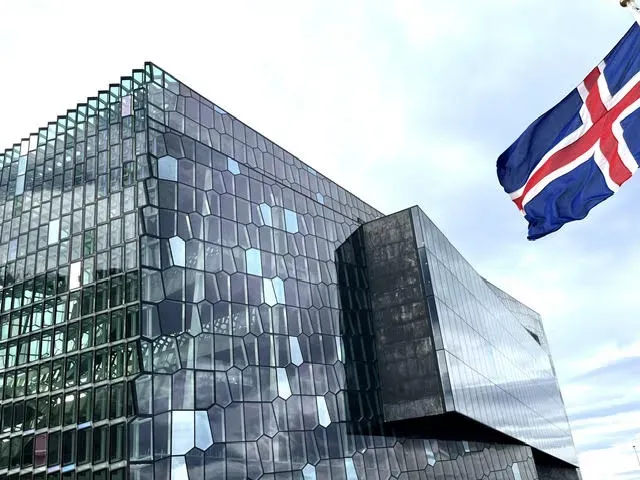
Last week I traveled to Reykjavik in Iceland for the 2026 Arctic Circle Assembly, the largest annual international gathering on the Arctic.
It was a fascinating and instructive three days, attended by around 2,500 people from over 70 countries. There were talks from scientists and academics, political and military leaders, youth leaders, journalists, and civil society organizations.
What struck me most by the end of the Assembly was my firm belief in the role that public communications, journalism specifically, can and must play in the Arctic. Public interest reporting is both essential and urgent because what happens in the northernmost part of the world today will influence environmental stability, economic development, governance, and security far beyond the Arctic’s own borders.
You only need to read just a few of these Pulitzer Center-supported stories to see that the Arctic sits at the nexus of global climate change, environmental vulnerability, international diplomacy, and community resilience.
The world needs to sit up and pay attention.
That’s why the Pulitzer Center is redoubling its efforts to support reporting in the public interest from the Arctic.
The power of Indigenous voices
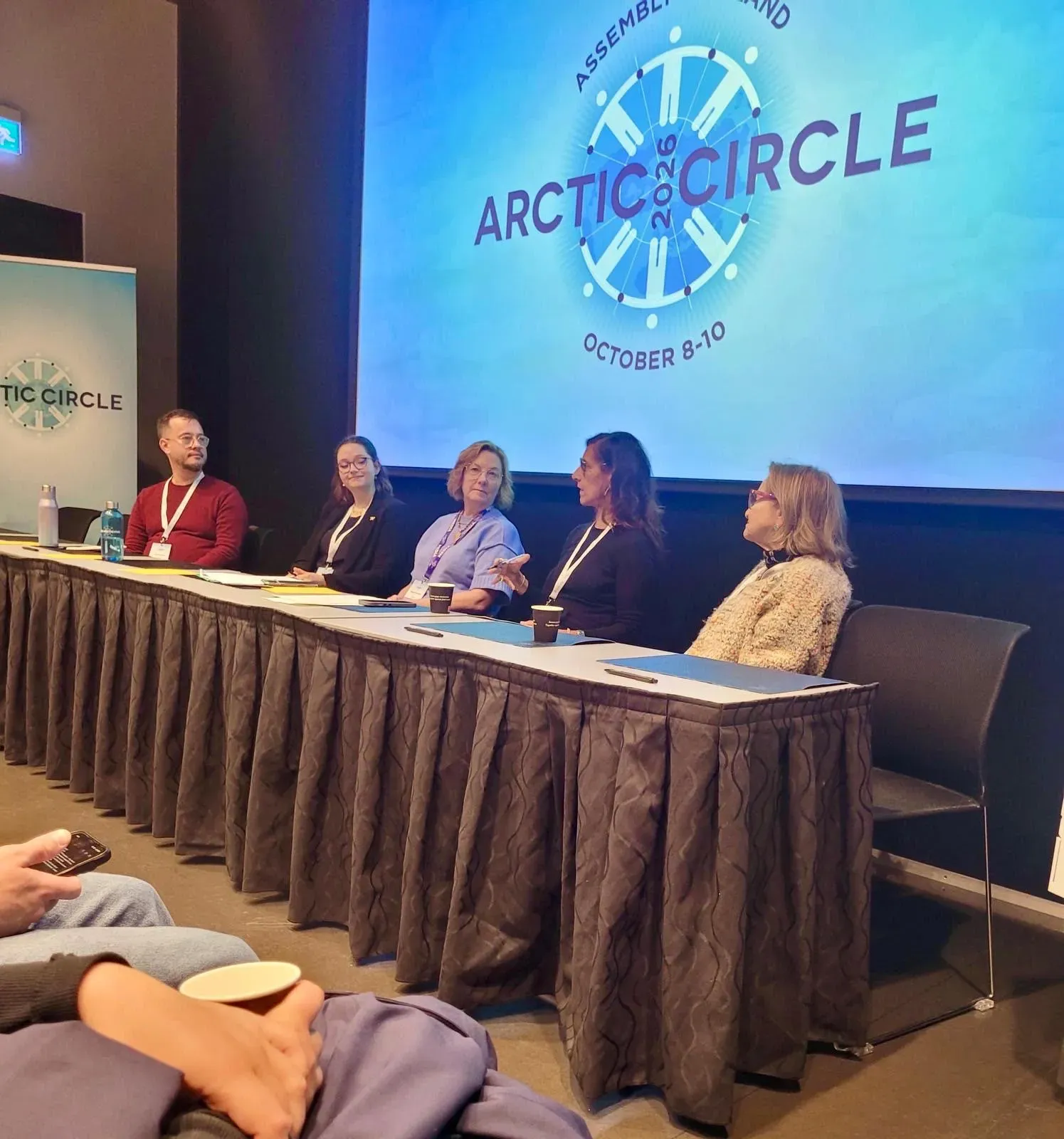
I caught up with Ossie Michelin, an award-winning Labrador Inuk journalist from the community of North West River, Newfoundland and Labrador, Canada. Michelin was also on our Pulitzer Center panel about the importance of public interest reporting.
The role and vitality of Indigenous voices was apparent throughout the Assembly. Ossie’s reporting also focuses on sharing Indigenous perspectives on news, arts, and environmental science.
“I always tell my stories from an Indigenous lens, and because I’m an Indigenous person—I’m Inuk—I can’t help but do that. In part it’s to help other Indigenous people see themselves reflected in the media conversation: to feel seen, to feel heard, to feel represented. But then also I try to help non-Indigenous people to better understand the Indigenous world,” he says.
Ossie says his connection with Indigenous peoples is strong and he’s proud to be doing some of the lifting. You can take a read his 2023 Pulitzer Center-supported story for The Guardian about how Inuit people are working to protect their Arctic homes.
The power of convening
I also spoke to Ásgerður (Ása) Ásgeirsdóttir, the Arctic Circle’s managing director. She’s been with the Circle for five years and says, “It’s been an amazing journey in creating this international platform.” She’s proud that the Assembly is the largest global dialogue on the Arctic, a platform for over 800 speakers that is open and mutual, and where anyone can inform the conversation.
From climate change and sustainable development, to environmental agreements and security, the topics are certainly broad. “Our purpose is to enhance and promote international cooperation, sustainable development, and to ensure the right voices are in the room,” says Ásgerður Ásgeirsdóttir. The people in the room are an interesting and instructive mix. It’s like no other conference I’ve been to and where the good and the great from all backgrounds are welcome. A third of the delegates are from the business and entrepreneur world, a third are from the science sector, and a third from civic society.
Youth participation is equally vital, and I was struck by the power of the young people in the room who were speaking on panels, asking questions, and ensuring their views were heard.
Why does the Arctic matter so much?
For Ásgerður Ásgeirsdóttir, the power is in different perspectives. “Continue to listen to different perspectives and integrate the voices of people who are living in the Arctic.
For the Indigenous young talent like Ossie Michelin, he concludes: “The Arctic is a beautiful, important place for many people that live here. It’s a place where we can see the importance of nature and how it impacts people.’
As for my own resolve, the Assembly has made me ever more determined to push ahead on what we do best here at the Center: empowering citizens through public-interest reporting.
Breakthrough journalism doesn’t just inform. It helps people make sense of a complex, noisy, disconnected world, and discover their place in it. It bridges divides and moves people to work together to find solutions.