Pulitzer Center Update September 18, 2026
Pulitzer Center Journalists Share Mental Well-Being Perspectives at NABJ 2026
Country:


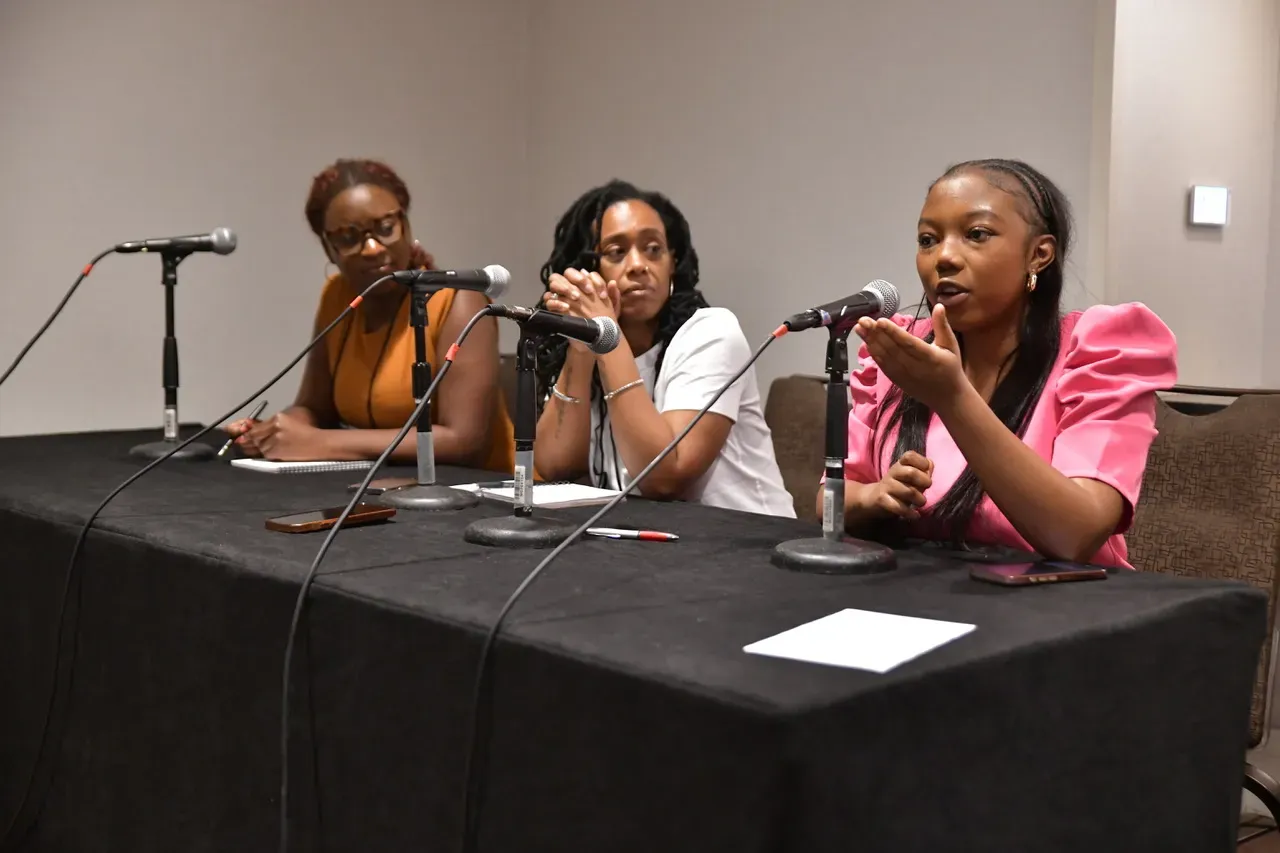
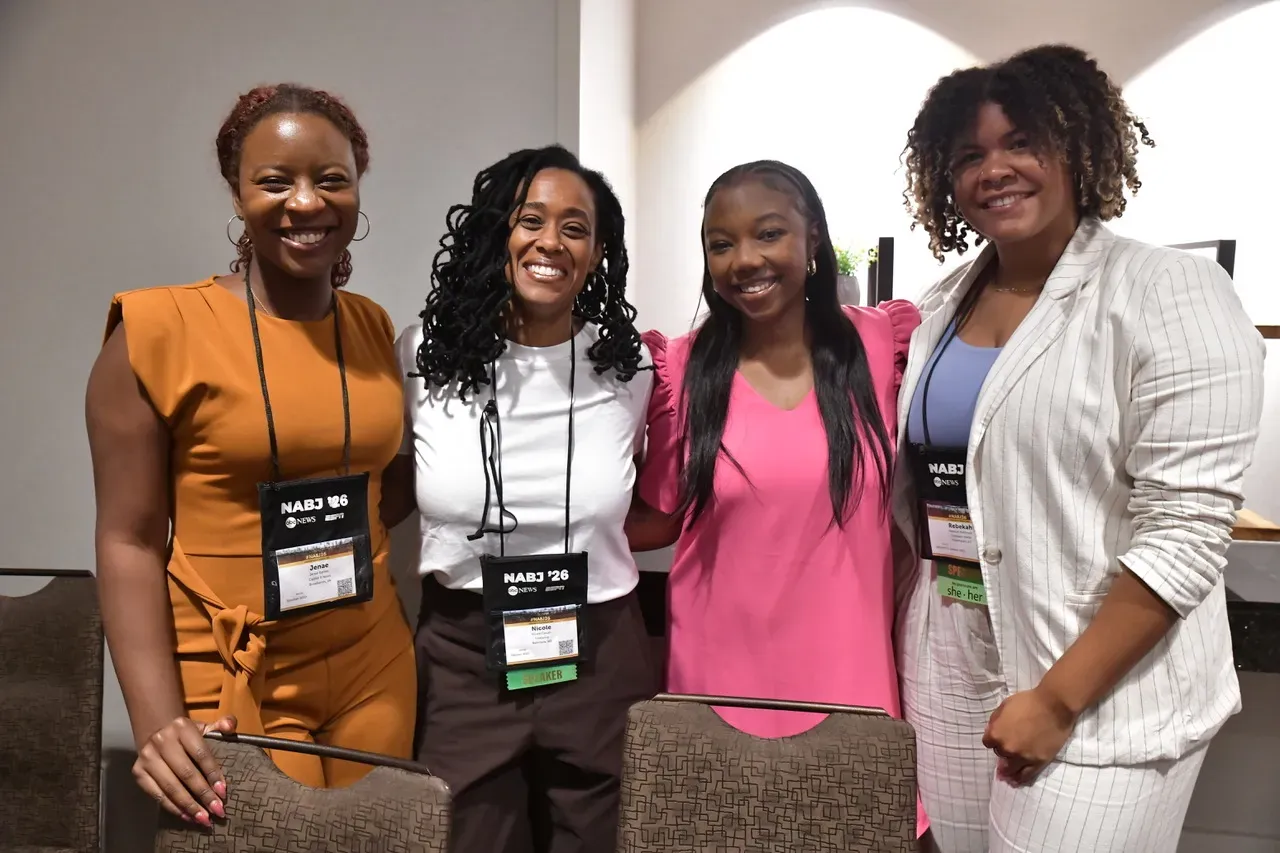
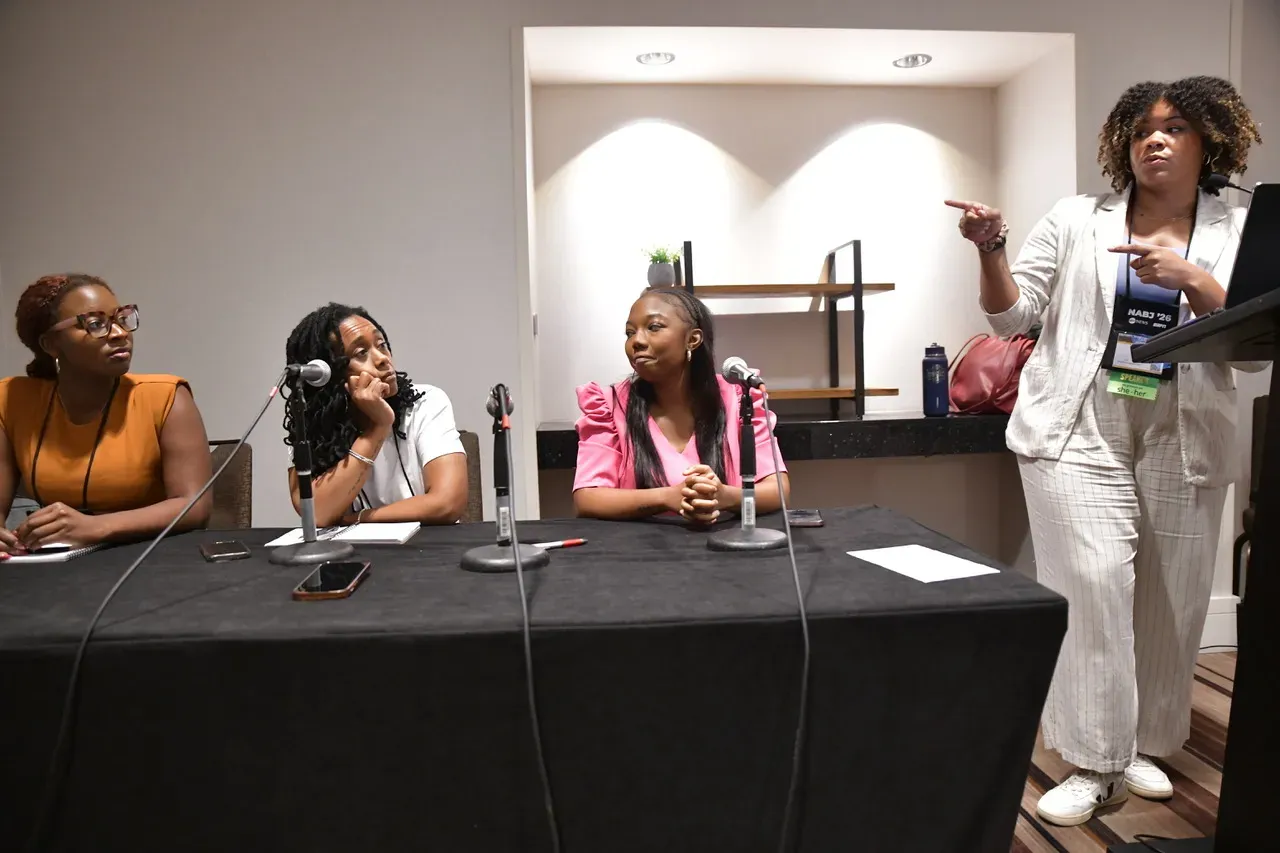
On Wednesday, August 12, 2026, Pulitzer Center-supported journalists Asia Alexander, Nicole Caruth, and Jenae Barnes spoke at the 2026 National Association of Black Journalists Convention in Atlanta, Georgia. Their panel, "Reporting Mental Well-Being Stories That Challenge Systems and Uplift Solutions," attracted 25 in-person attendees and featured a discussion about their experiences reporting on the mental health of Black teachers in Mississippi, Black maternal healthcare in Indiana, and an LGBTQ+ farming couple organizing for better mental health outcomes in Texas.
Through a moderated conversation, the panelists shared practical mental health reporting strategies and approaches to self-care while covering deeply personal stories.
Tips for reporting on mental health
Build relationships with the community
Before starting to report, Barnes held community listening sessions with Black mothers to better understand their experiences and mental health.
“I knew that I wanted this to be a community-driven reporting project,” she said.
Prioritize source safety
While reporting on an LGBTQ+ farming couple, Caruth worked with her editors to consider how photographs and other identifying information could affect the safety of the people featured in the story.
“Sometimes there might be certain details that they want in a story and that they would make the story very rich, but it actually puts the people in the story at risk,” Caruth said.
Point sources to mental health resources
The panelists encourage journalists to identify relevant local organizations, hotlines, mental first aid training, and other resources before reporting on difficult subjects.
Tips for journalists’ mental health
Listen to your own body
Reporting on difficult subjects takes a toll on journalists' mental well-being. Alexander described experiencing migraines, weight gain, and stress while reporting on the mental health of Black teachers in Mississippi.
“When your body is tired, and it's telling you to stop, listen to it and stop,” she said.
Lean on your support systems
Alexander shared that, aside from taking a moment to step away, she had taken on therapy and joined faith-based communities to process her emotions and care for her mental well-being.
Barnes emphasized using her support systems and maintaining open communication with her editor to safeguard her mental health.
Caruth said she organizes online meet-ups with other women freelance journalists to discuss their mental wellbeing.
Find a healthy outlet
Taking a walk, spending time outside, or connecting with others to process difficult experiences can help a journalist protect their wellbeing.
“It's completely ok to get help. It's completely okay to seek therapy. Completely okay to advocate for ourselves,” said Alexander.