Pulitzer Center Update June 5, 2026
From Mexico to the Bronx: A Pulitzer Center Reporting Fellow's Journey in Journalism
Country:

Project
Afro-Mexican Identity
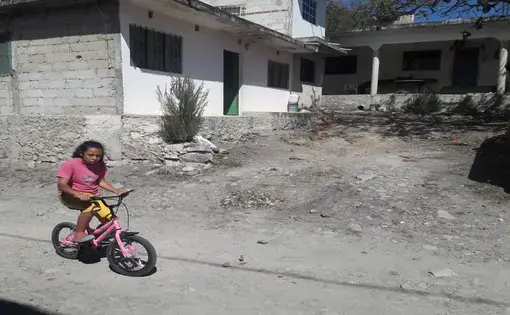
Veracruz is home to hundreds of thousands of Afro-Mexicans. In 2015, they were officially recognized...

For journalist and Bronx native Jonathan Custodio, his path to journalism was neither straightforward nor expected.
“I didn't foresee myself in journalism when I was a kid,” he said.
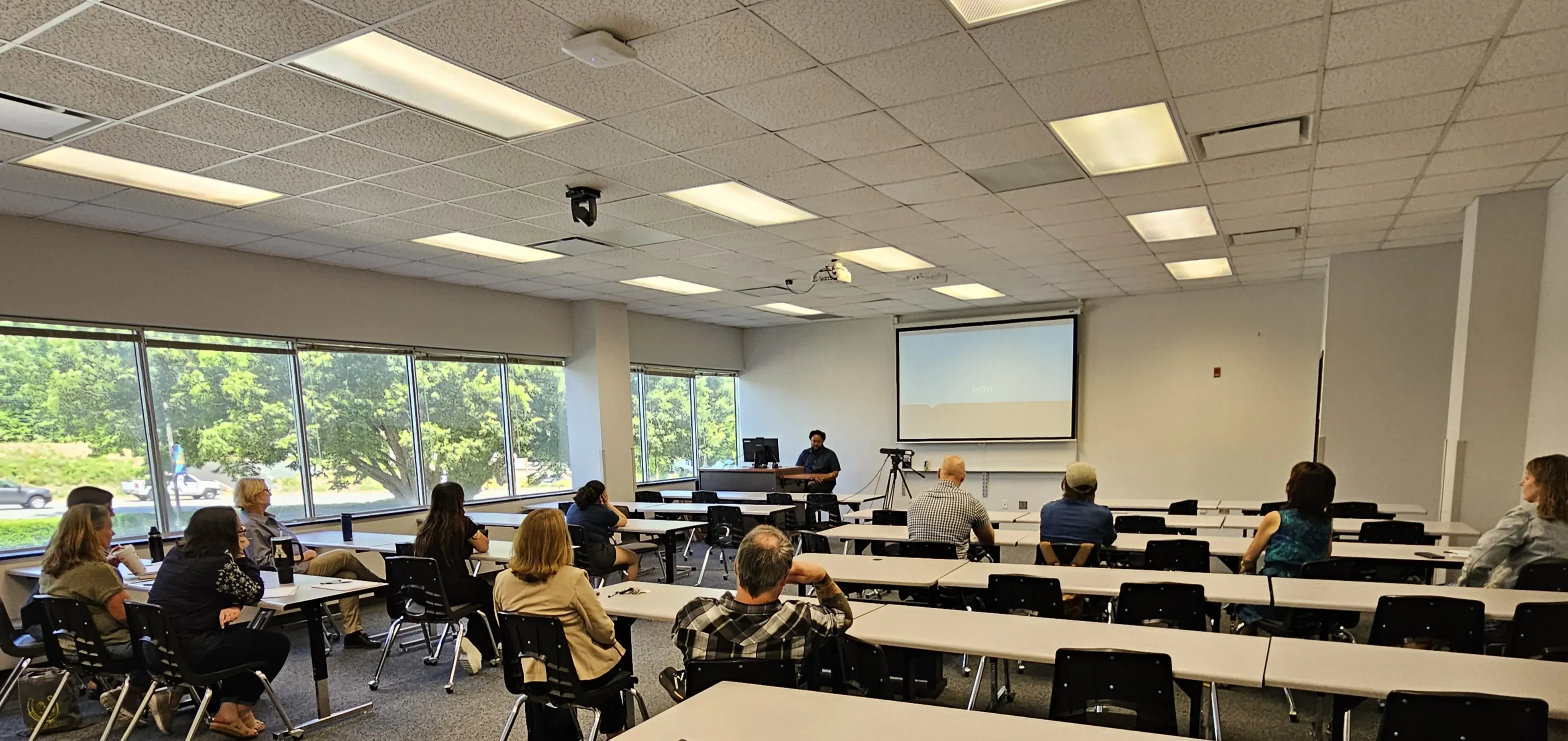
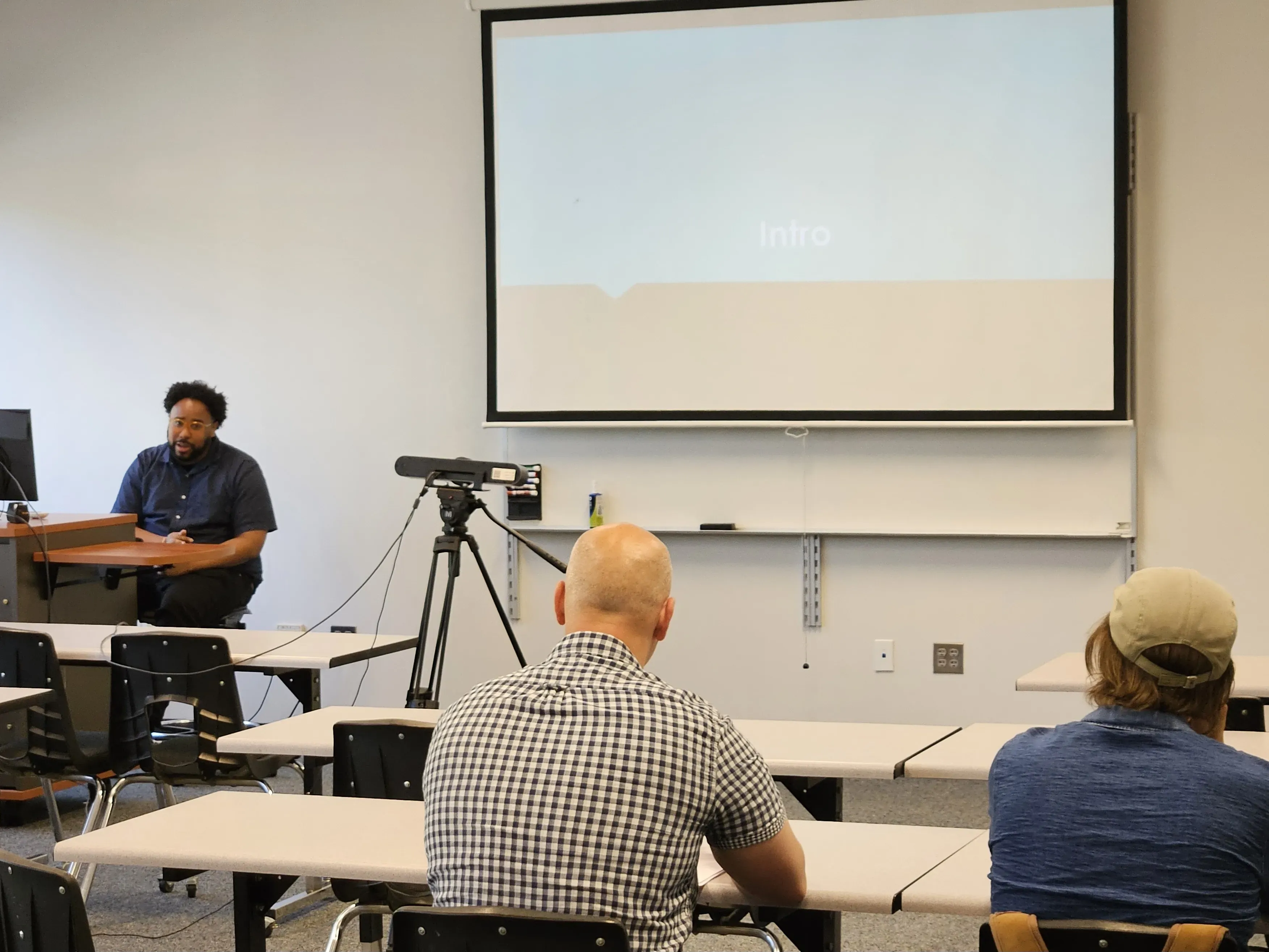
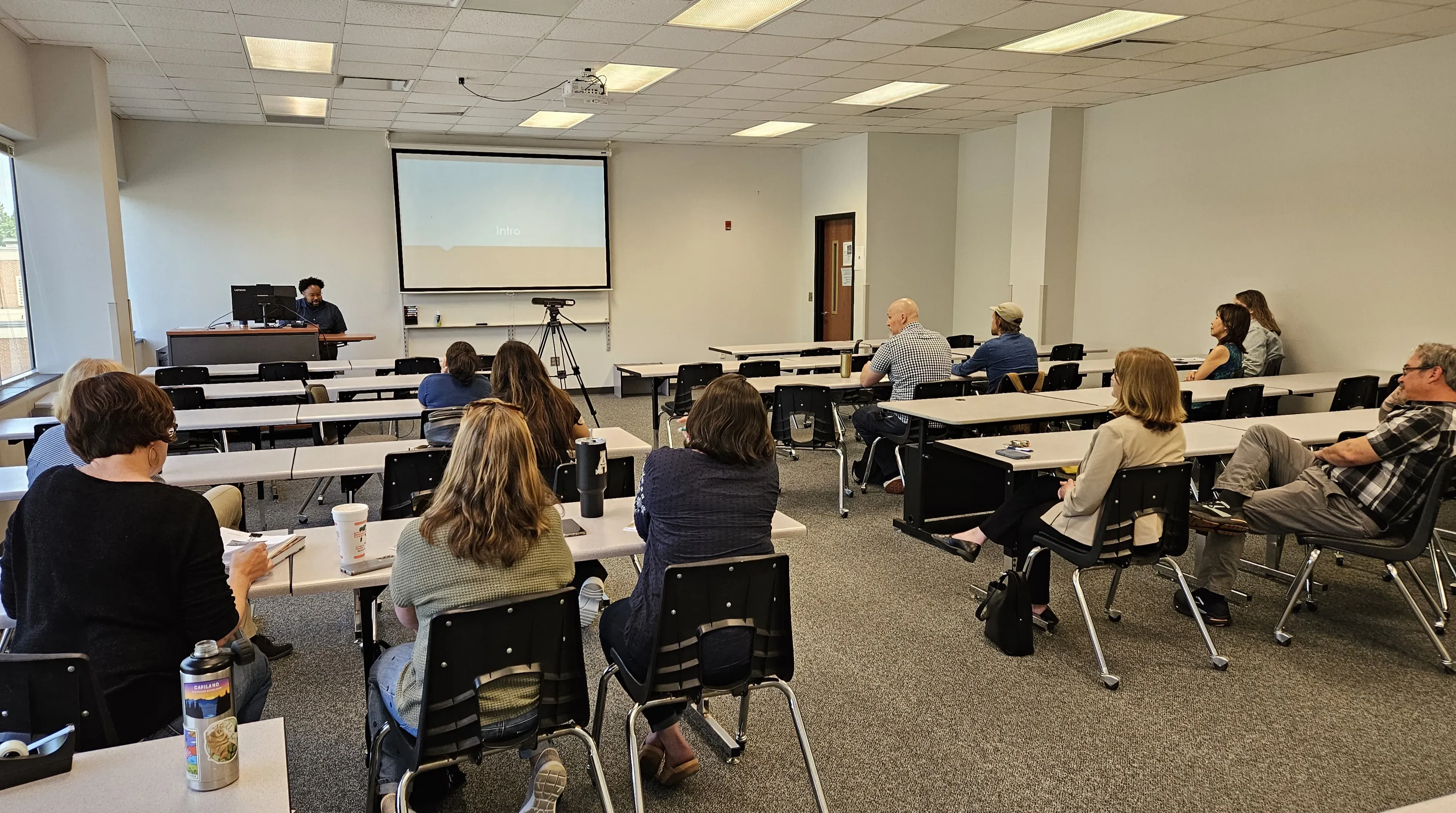
Custodio, the Bronx reporter for THE CITY, talked about his journey into journalism, his reporting fellowship in Mexico, and how local news brings communities together, on April 23, 2026, during a presentation in partnership with the Pulitzer Center. The event took place at the Tech Building at Forsyth Technical Community College's main campus in Winston-Salem, North Carolina.
A graduate of Lehman College and LaGuardia Community College, Custodio advanced from the Fox News mailroom to Island and Spice magazine and an internship at POLITICO. Now the Bronx reporter for THE CITY, Custodio didn't start out his professional path in journalism
Inspired by his brother's success, Custodio studied business administration at the University at Buffalo. It didn't feel right for him, so he took time off to reset.
After working in the Fox News mailroom, he bounced between retail sales jobs, eventually selling makeup on the streets of New York City. The hours were long, and the pay was small. The makeup gig was “definitely a pyramid scheme,” he said. Still, the time was not wasted. “It taught me how much I enjoyed talking to strangers,” Custodio reflected.
Finding a story in Mexico
While reporting in Mexico as a Pulitzer Center Reporting Fellow, Custodio drew on skills he had developed during his gap years.
Initially, he planned to write a story about small towns defending themselves against the violence of encroaching cartels, but these areas were under a "do not travel" advisory at the time, so Custodio had to pivot.
During his research, he “stumbled upon Mexico’s 2015 census” and discovered that this was the first census in which Mexico allowed its people to identify as Afro-Mexican.
He had found the story he would chase.
Custodio, traveling alone and abroad for the first time, headed to Mexico City. There, he spoke with government officials and grassroots Afro-descendant organizations. While in the field, he wrestled with feelings of self-doubt.
“I felt like I was struggling during interviews and not really processing everything that was being said to me,” Custodio shared.
From Mexico City, Custodio took a five-hour bus ride to Veracruz. At a rest stop along the way, the bus pulled away with all his belongings onboard.
“I walk out, and the bus is driving away, and I run as fast as I have ever run in my life,” he said.
Luckily, a few women who were standing on the side of the road flagged the bus down, and Custodio was able to catch up with it just in time.
“A fun little experience that could have been a lot worse, but I laugh at it now.”
In Coyolillo, Veracruz, preparations for Carnival were underway. Custodio found the town’s rich history and culture displayed through food and dance.
In Coyolillo, Custodio met Daniela López Carreto, whom he describes as “really just an enlightening presence.” Carreto would go on to become a prominent Afro-Mexican activist, but at the time, she had just graduated from school. She shared the difficulties and trauma of growing up Afro-Mexican, the joys of discovering her roots, and how she found inspiration in the face of adversity.
“She has long curly hair, gray Afro hair. It's not like mine, but very similar. And that's not the kind of hair you're going to see in most parts of Mexico,” Custodio said.
While in her hometown, this hair texture was common, but it was more out of place when she traveled to the city.
“People would call her a witch. People would try to touch her hair. People would say that she didn’t look like she was from here; all kinds of discriminatory things that really started to affect her,” Custodio said.
Through Carreto, Custodio gained his first insight into the Afro-Mexican struggle for recognition, after centuries of exclusion from history. Building on this newfound perspective, his journey continued.
From Coyolillo, Custodio traveled to nearby Yanga, which was originally called San Lorenzo de Los Negros. Gaspar Yanga founded the settlement in 1609, and it later became the first legally recognized free Black community in the Americas.
In Yanga, Custodio met Raquel, who shared with him one of her earliest experiences of discrimination against Afro-Mexicans.
“When she was about 10 years old, she was walking along the road with her friends, and a truck pulled up,” Custodio said.
The driver told them to get in the truck because he thought Raquel and her friends were too black to be Mexican.
The man in the truck had assumed that they were Central Americans who had immigrated into the country illegally.
The importance of local journalism
Back in the Bronx, working for THE CITY, Custodio saw firsthand the impact local reporters can have on the communities they serve.
He reported on national budget cuts, the hidden cost of abandoned boats lining the city's shores, a controversial plan to build a temporary cricket stadium in the middle of a city park, and the harm caused by city hospitals pushing unnecessary C-sections.
At the end of his presentation, Custodio spoke to the financial realities of working as a journalist.
“It’s rough. I’m not going to lie. It has its difficulties.”
He also shared his concerns about the shrinking number of local reporting jobs.
“[When] people have less access to local journalism, there’s more political division, people know less about what’s going on in their neighborhood, and politicians take more advantage of what’s going on,” Custodio said.
Custodio also pointed out that “there is more freelancing money than there has probably ever been," and for journalists early in their careers, “there are a ton of fellowships to get you started.”
The final question for Custodio was whether he had any advice for the students of Forsyth Tech or aspiring journalists.
He offered these insights: “Keep following your curiosities. Keep pushing for those things that are interesting to you. Let yourself get off the phone for a little while. Enjoy life. It’s good to have your career and stuff like that, but life is about balance. Make sure you’re taking care of yourself, too.”