Pulitzer Center Update February 4, 2026
How Art and Journalism Converged To Tell the Thai Mackerel’s Story
Country:


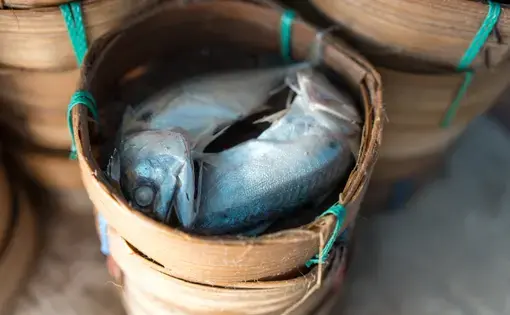
"Pla Tu" (mackerel) is running out, thanks to trawlers.

After reading headlines like "Thai Mackerel Population Drops 83%," we may pause for a moment, feel a twinge of concern, and then move on to the next story. In a fast-paced news cycle, reporting that is thorough and compelling—even substantiated by data points—is often facing this challenge.
Crisis feels distant and life moves on.
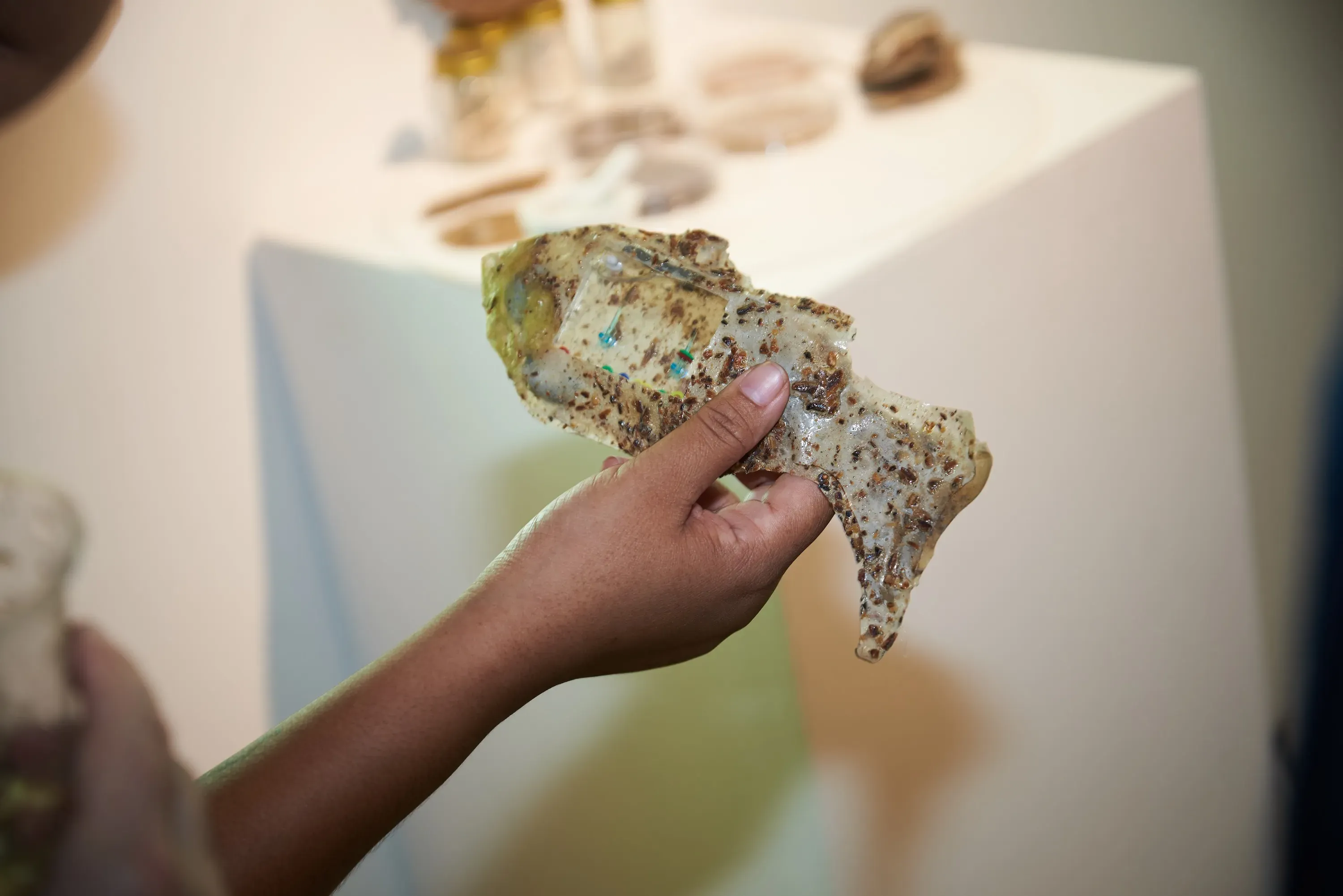
Recognizing this, the Pulitzer Center sought to explore how art might amplify investigative journalism's reach and impact through the innovative “I Miss You … Pla Tu” campaign. Journalist Aidan Jones’ Pulitzer Center-supported project Thailand’s Favorite Fish Is Vanishing; Our Appetite Is To Blame inspired the campaign centered on the disappearance of the Thai mackerel.
The campaign asked a simple question: What if your favorite fish disappeared from your plate forever? It seamlessly combined two disciplines—art and journalism—to tell a story through innovative formats.
The Amplification Loop: How Art Becomes News
Media provides the skeletal structure: rigorous research, factual foundations, institutional credibility, and distribution networks. Art provides the experiential dimension: emotional resonance, bodily engagement, memorable metaphors, and sustained contemplation.
The “I Miss You … Pla Tu” campaign is a great example, where different engagement activities were structured in three phases.
The first phase used participatory art to transform abstract data into visceral understanding. Here, a collaborative dinner, “The Vanishing Feast,” was organized in June 2024, where Chef Tawjan Catherine Punyasingh turned overfishing education and data into an artistic experience.
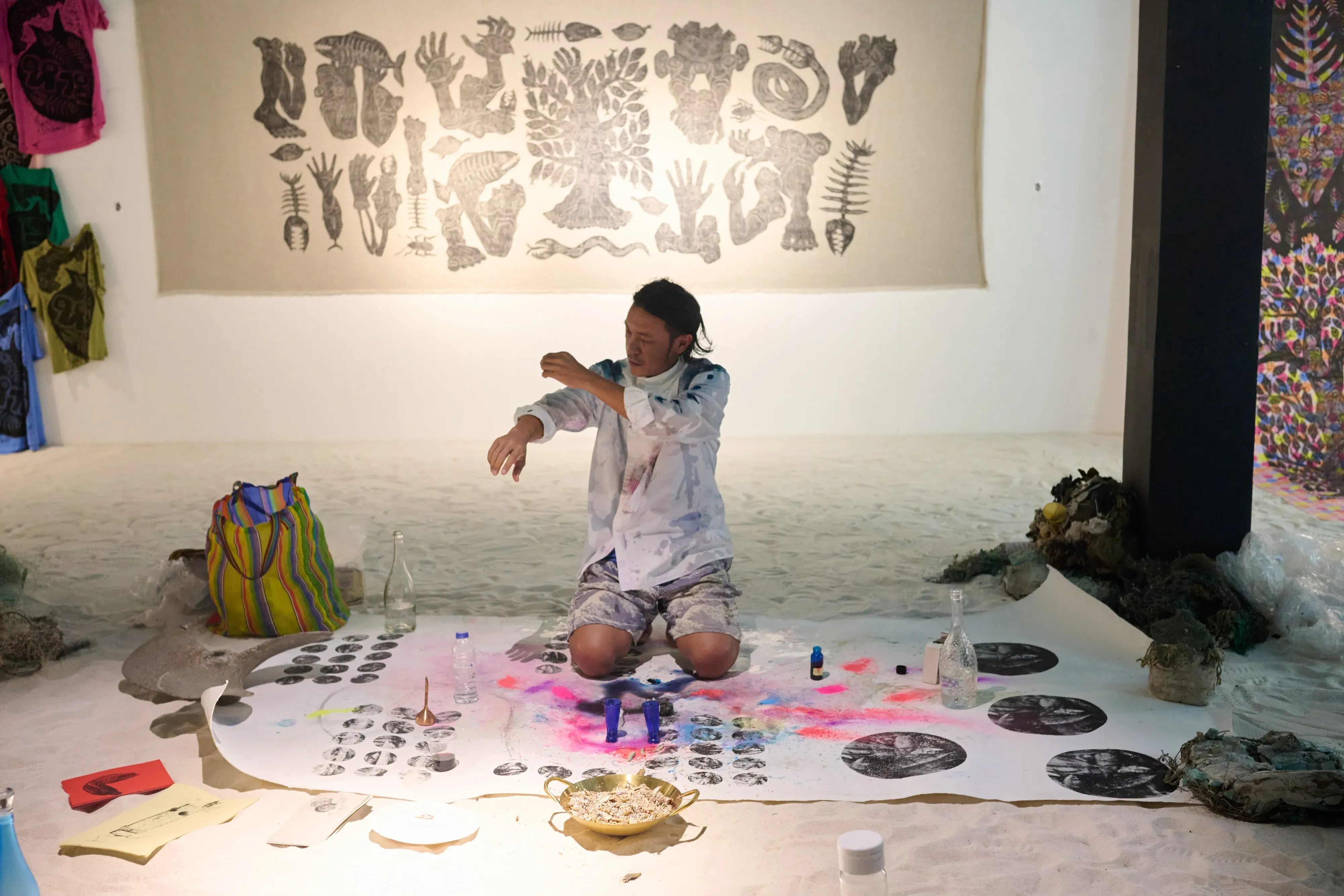
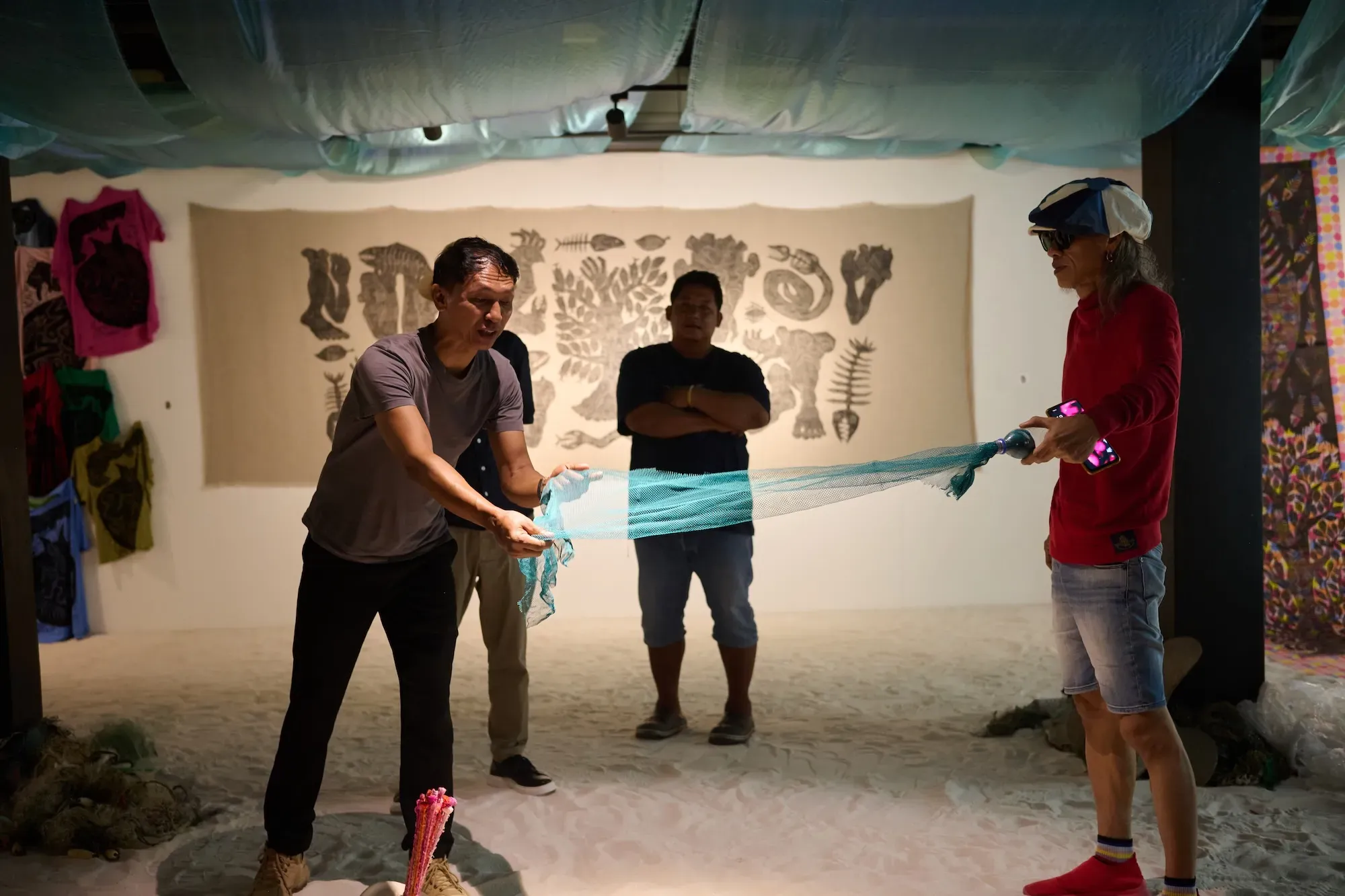
In phase two, artists engaged with Thai fishing communities directly, prioritizing authentic relationships over extractive research while documenting lived realities. This weeklong visit resulted in photographs, textiles, installations, prints, and documentary work addressing overfishing and unjust regulations.
In the third phase, these artworks culminated in a monthlong exhibition, I Will Be Missing You … Pla Tu Thai: A Silent Tragedy of the Sea, which catered to community voices, facilitating dialogue across sectors. With community perspectives at the heart of it, the exhibition served as a space for engaging discussion on the decline of the beloved mackerel.
“The Vanishing Feast” dinner, weeklong community residencies, and the monthlong exhibition created deep engagement with participants who spent hours, not seconds, with the story. Reach may be narrower, but the impact was deeper.
Media outlets reported on the events. This coverage came not just from mainstream news outlets, but from art publications, environmental media, and cultural platforms—each bringing the mackerel crisis to audiences with compelling visuals, human stories, and emotional hooks that data alone couldn’t provide.
This created what we call an amplification loop: Journalism provides initial reach; art provides experiential depth; and diverse media carry that depth to multiple audiences. The story doesn’t repeat—it transforms. With each cycle, the mackerel crisis gains new entry points, new emotional resonance, and sustained momentum.
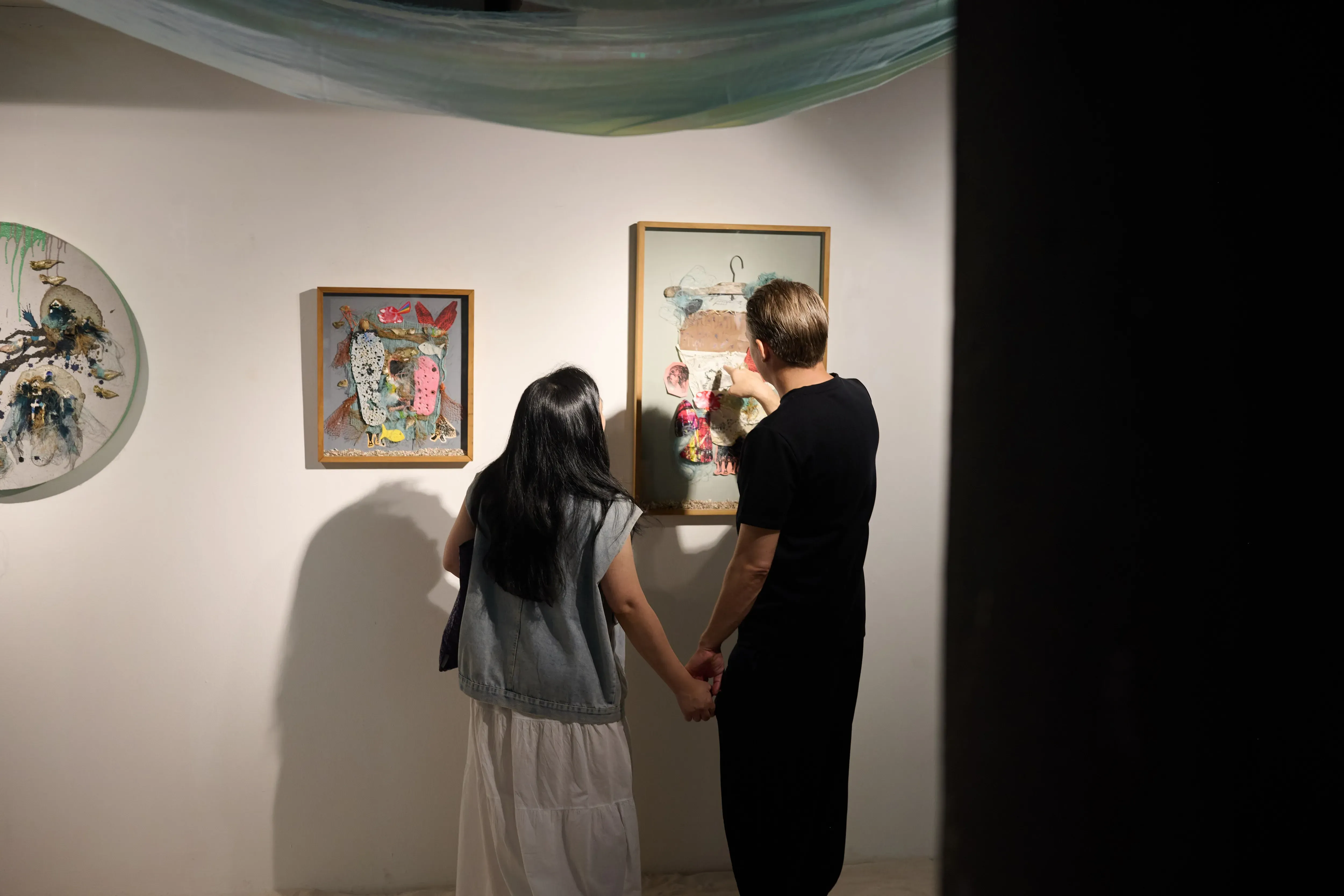
The topic reached readers who might never click on an environmental data story, while environmental outlets produced content that transcended typical crisis reporting. The mackerel’s story stayed alive—not through repetition, but through a metamorphosis of forms that different audiences could connect with.
Merging Art and Journalism
The 18-month-long campaign carries with it many valuable insights that are worth recognizing and that can be adopted by organizations for their own engagement activities.
First, success in merging journalism and art requires identifying their individual strengths. While journalism can present realities and facts through data and perspectives, art can create experiential understanding through sensory engagement resulting in emotional resonance. In the case of “The Vanishing Feast,” participants sat around a sushi-style conveyor belt.
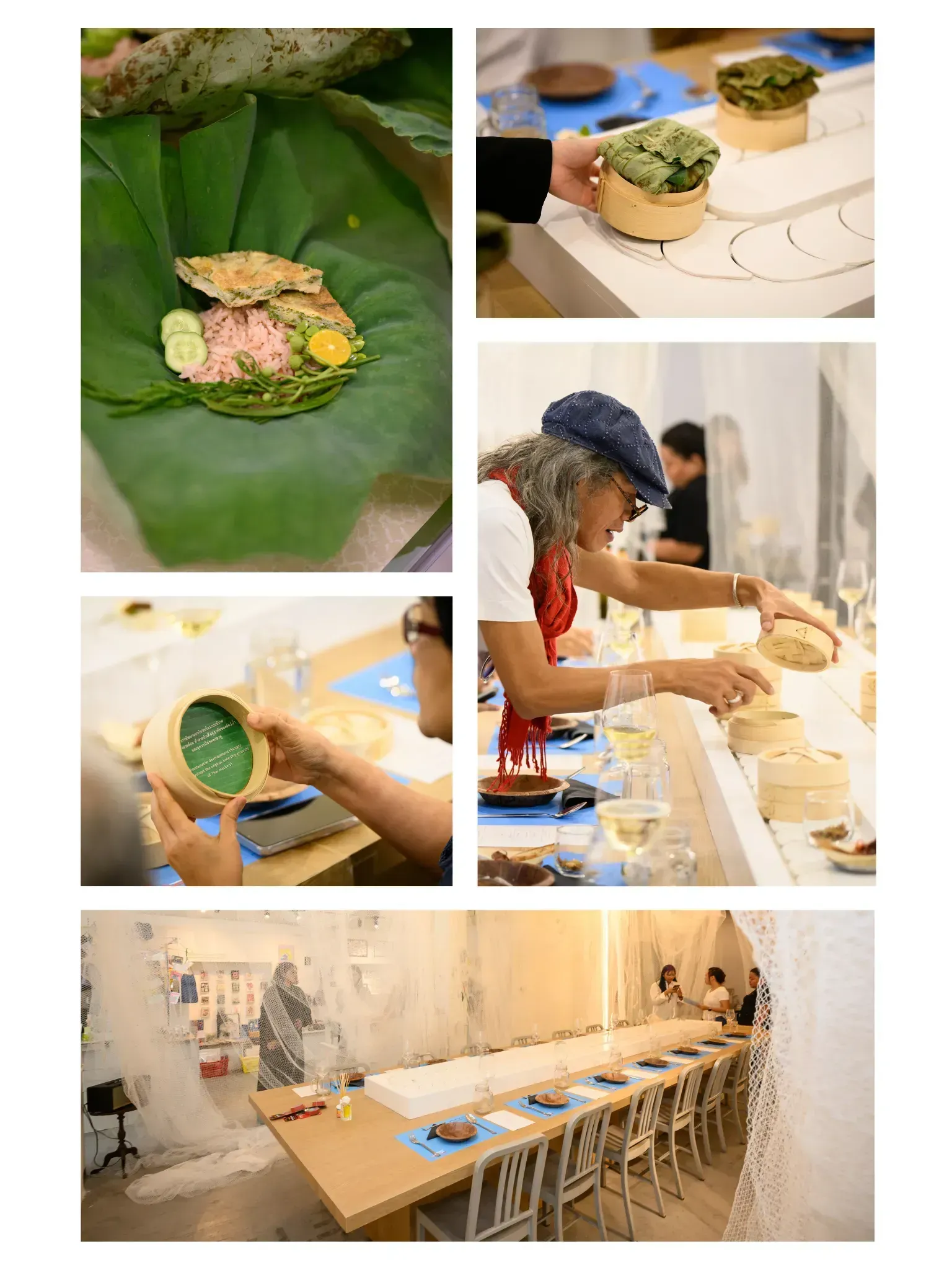
The appetizers included juvenile squid, small fish, and insect chili paste. Chef Punyasingh showed how consuming immature resources disrupts ecosystems. The main course was shrimp paste fried rice with Thai mackerel, and it drove the point home: Participants who ate the appetizer received no mackerel, illustrating that today's small fish are tomorrow's catch. This way, by combining empirical evidence as well as emotional truth, statistics were humanized.
Second, the long and sustained engagement ensured the campaign wasn’t a one-time event. Building the narrative and exploring different themes within the topic ensured a deeper understanding of the issue in the context of food systems.
Third, instead of co-opting the voices of affected communities, the campaign served as a platform where the fishing community shared their lived realities directly at dinners, in documentaries, and at exhibitions.
Fourth, the campaign used collaboration and partnerships for institutional support and wider dissemination, but not at the cost of credibility. The campaign achieved this fine balance where communities received protection assurances, artists were able to express freely, and the media amplified the message through critical reporting.
Finally, impact was measured beyond numbers—through new connections and partnerships, community organizing, capacity training, policy debates, and more.
Explaining the climate crisis needs more than data—it requires art and journalism to combine forces to drive a message loud and clear. Information and emotion are both essential to move people into action with the promise of lasting change.
As the Thai mackerel’s extinction threatens cultural identity, the “I Miss You … Pla Tu” campaign stands tall—as an analytical and experiential body of work that helps people connect with stories that matter.
Special thanks to Art4C Art Centre for hosting the exhibition, and to participating artists Awika Samukrsaman, Prasart Nirundornprasert, Satit Raksasri, and Vichukorn Tangpaiboon.