Pulitzer Center Update September 29, 2026
Green Voice Matters Workshop in Vietnam: Announcing the Winning Op-Eds
Country:


The premise of the Green Voice Matters (GVM) workshop was simple: The most important environmental stories are often the most difficult to tell, and mastering the art of storytelling is essential.
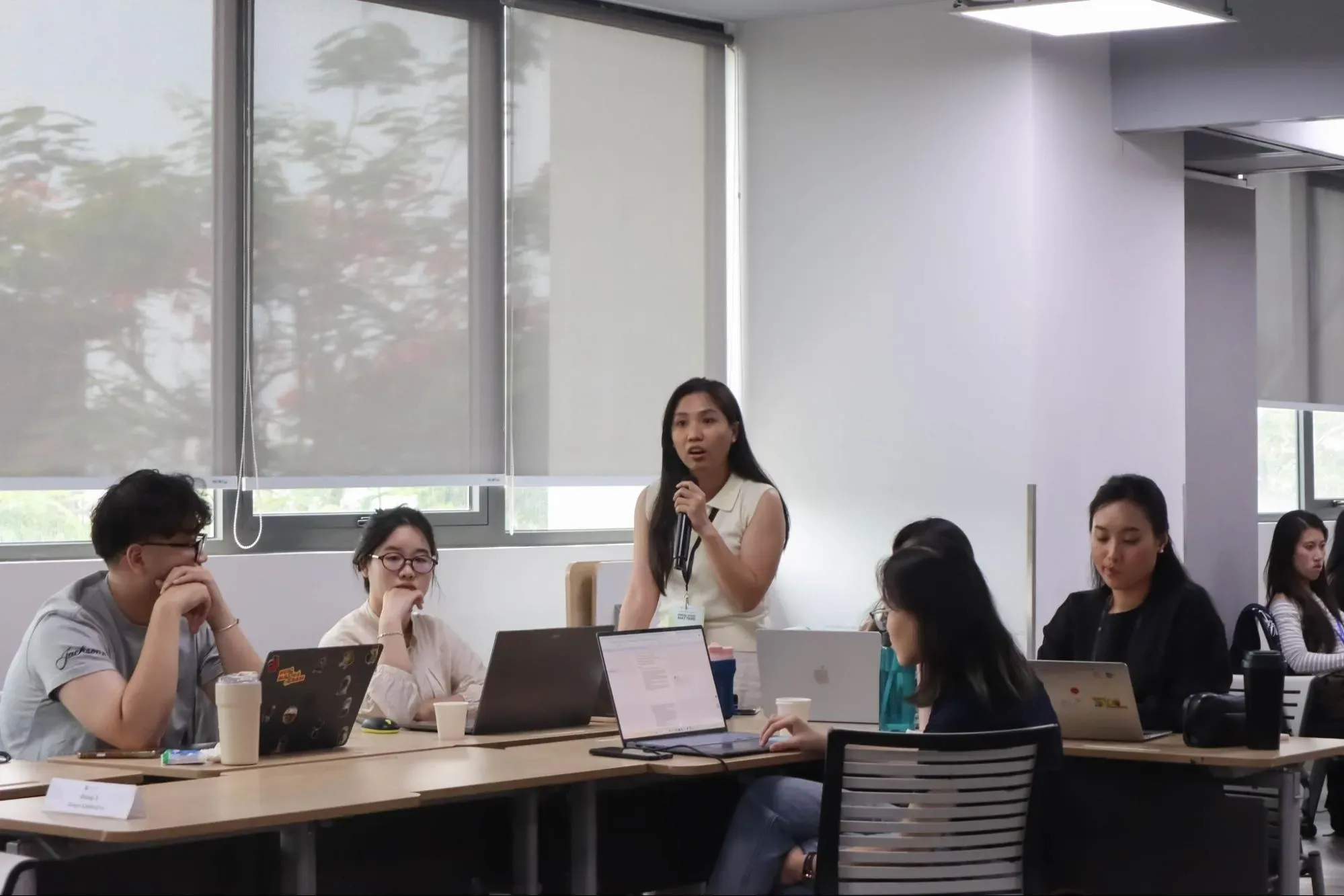
The third edition of the Green Voice Matters workshop brought Pulitzer Center Fellows, grantees, academics, and specialists together to promote environmental and journalism literacy among students. On May 4 and 5, 2026, forty-eight students, lecturers, and Pulitzer Center Fellows and grantees gathered at Van Lang University in Ho Chi Minh City for the two-day workshop.
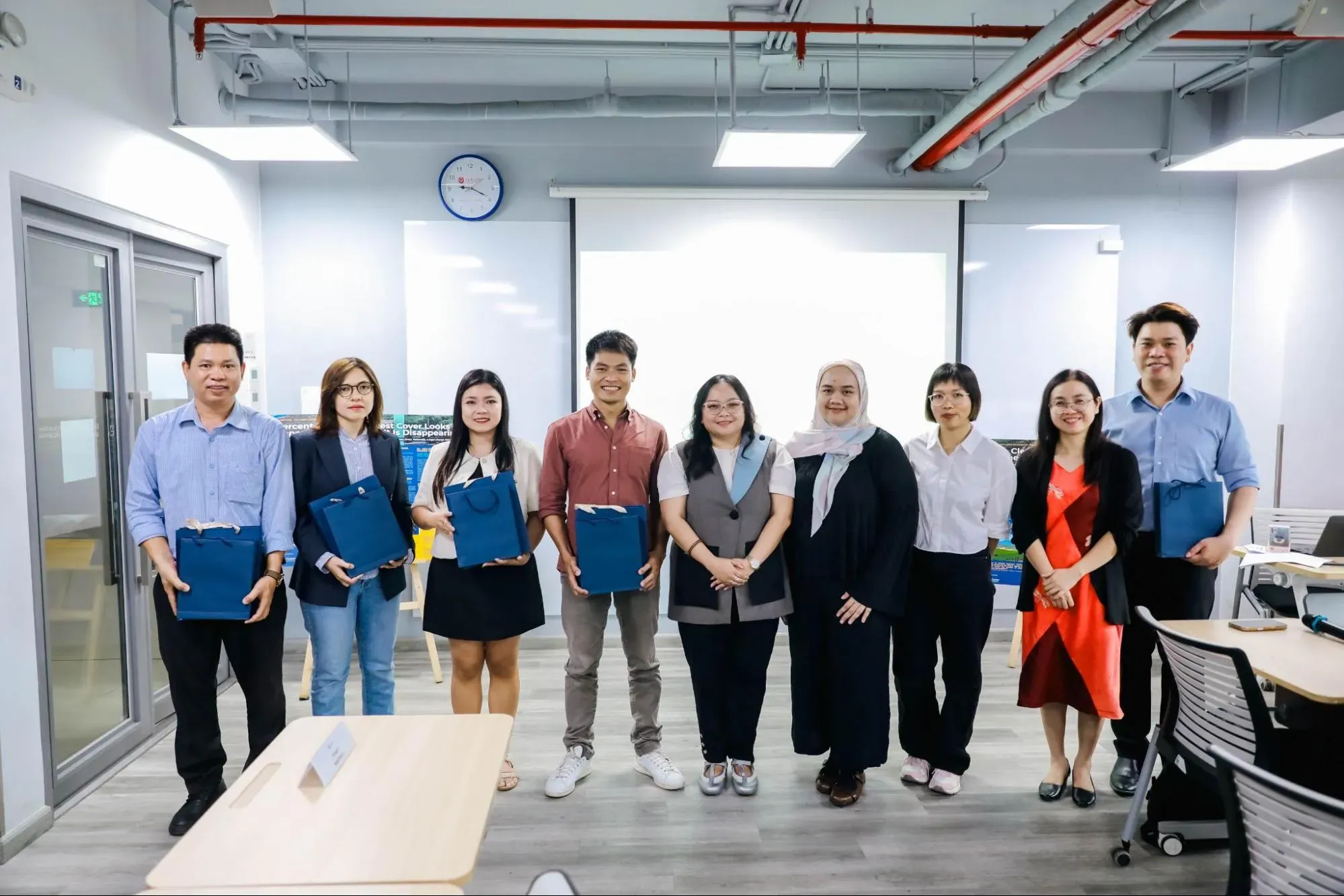
Through expert-led storytelling, writing workshops, and mentored writing exercises, participants produced analytical op-ed articles that amplify underreported environmental issues. The program was carried out in partnership with Van Lang University's Faculty of Environment, which hosted the initiative and contributed to co-designing its structure, selecting the strongest participants, and sharing expertise on Vietnam's forest landscape and deforestation challenges. The faculty also worked with students to further develop their op-eds for potential publication, helping connect the learning experience with opportunities for students to bring their perspectives on environmental issues to wider audiences.
At the event, participants attended a workshop session featuring award-winning, Pulitzer Center-supported reports. These included RIN Fellow Vo Kieu Bao Uyen's investigation into acacia monocultures which, while counted as forest on paper, are not considered to be so in ecological terms. Bao Uyen cautioned against blindly trusting anything labelled 'green.'

Journalist and grantee Le Quynh discussed her reporting on a waste treatment plant in Con Dao. Le Quynh described how policy exploitation often hides in plain sight, embedded in the vague language of draft legislation.
Pham Van The, an Impact Seed Fund (ISF) grantee and Van Lang University professor, traced the difference between Vietnam's projected and actual forest loss. Huynh Tan Loi, a professor in Van Lang University's Faculty of Environment, confronted the room with a figure that was difficult to absorb: Roughly 180 tons of waste, more than half of it plastic, are found along Vietnam's coastline each day.
The workshop aimed to equip students with skills enabling them to voice their opinions through writing. The guidance was deliberately sparse: Lead with the argument, choose evidence for its relevance rather than its comprehensiveness, and make clear what is at stake. Thesis, evidence, and stakes, in that order, and nothing that does not serve all three.
The submissions that followed engaged some of the most pressing environmental questions in the Mekong region, including shrimp-mangrove farming, peatland ecotourism, the meaning of "green cover," and the costs that so-called eco-tourism development can impose on land and local communities. Reviewed against a rubric weighing topic relevance, argumentation and evidence, style and coherence, originality, and writing ethics, three teams stood out.
First place: Eco Tribe
Vũ Thị Yến Ngọc, Trương Ngọc Yến Nhi, Hoàng Thiên An, and Nguyễn Bảo Ngân.
Title: "Preserving The Millennial "Heartbeat": A Circular And Mainland-Linked Solution For Con Dao's Waste," inspired by The Construction of a Waste Treatment Plant in Vietnam's Con Dao Forest by grantee Le Quynh.
Second place: Green Roots
Nguyễn Mai Xuân Nhi, Thạch Phương Thảo, Trương Việt Thành, Nguyễn Minh Nhật, Lê Tài Nguyên, and Phạm Ngọc Kim Châu.
Title: "Shrimp Farming Under the Mangrove Canopy: Why Is a Model That Is Encouraged Gradually Losing Its Appeal?" inspired by "Mekong Delta Shrimp Farmers’ Enthusiasm for Working With Mangroves Is Waning" by grantee Nhung Nguyen.
Third place: Canopy Defenders
Vũ Thị Diễm Xuân and Nguyễn Ngọc Xuyến.
"The Blind Spot in Vietnam’s Green Transition: Electric Vehicles," inspired by Fast and Dubious: How Electric Cars Are Tiring the Mekong, a reporting project by a cross-border team of Pulitzer Center grantees.
Each winning team will receive a cash prize, and their op-eds will be published on The Mekong Eye on a rolling basis in the coming weeks, joining the body of Pulitzer Center-supported reporting that first prompted them.
The results reflect what the workshop aimed to achieve: helping university students hone critical thinking and develop clear arguments, using credible journalism as one of the information sources. In an information landscape increasingly shaped by noise and speed, this approach is particularly important to make complex environmental issues more accessible and advance public understanding.
RELATED INITIATIVES
Initiative
Southeast Asia Education Program