Pulitzer Center Update June 25, 2026
Europe's Historic Heat Wave and a Warning for the World


Project
Red Alert
This series investigates the impact of extreme heat on informal work in South Africa.

Here's why the Pulitzer Center is dedicated to climate coverage
If you live in the U.K. or anywhere else in Europe, I don’t need to tell you about the impacts of this week’s intense and record-breaking heat wave.
According to Agence France-Presse, at least 94 million people in Europe were expected to experience temperatures above 35 degrees Celsius (95 degrees Fahrenheit) mid-week, most of them in France and Spain. AFP also reported that the national weather agency AEMET on Wednesday, June 24, 2026, said that mainland Spain recorded its highest daily average temperatures in June since at least 1950.
The World Health Organization’s Europe office estimates more than 200,000 people have died across Europe from heat-related causes over the past four years. These deaths, it says, were largely preventable. This, too, in the context of the devastating events from last year—including the massive fires that destroyed entire neighborhoods in Los Angeles and the powerful storms that triggered catastrophic flooding in Southeast Asia.
I was a kid growing up in London when Britain experienced its 1976 heat wave. People still talk about it now. It was one of the most significant droughts in U.K. history, affecting water usage, health, and infrastructure. To mark its 50th anniversary, the Met Office, U.K.’s national meteorological service, has developed a “2056 scenario,” based on around 2.5 degrees Celsius of global warming, to show how a prolonged heat event similar to 1976 could evolve in the coming decades.
The projected temperatures are simply shocking. According to Ed Hawkins, professor of climate science at the University of Reading in the U.K., such heat waves will become more common in the years ahead and "what felt like a freak event to grandparents in 1976 will become a new normal for their grandchildren."
Decline in climate reporting
At a time when the climate crisis is accelerating rapidly, climate reporting is on the decrease.
In 2025, the Media and Climate Change Observatory (MeCCO) reported that global news coverage of climate change had declined for the fourth year in a row, even though emissions were hitting new highs.
Coverage was down 14% from the year before, and down 38% from 2021. Climate change reporting declined in every region, but the drop-off was most pronounced in Africa, the Middle East, Europe, and North America.
In the past year alone, climate reporters at some leading U.S. news outlets have been losing their jobs, including CBS News, which laid off most of its climate team in October 2025. The Washington Post followed suit: In February 2026, the paper dismissed 14 climate journalists, including reporters, editors, and videographers.
I was horrified to hear a member of the public say in a recent U.K. news report that he was happy to take the negative impacts of climate change if it resulted in nicer, and hotter, weather. Newsrooms need to respond to the climate emergency and audiences need to understand it fully.
How the Pulitzer Center is helping
Here at the Pulitzer Center, we have doubled down on the quality and quantity of our climate coverage from around the globe, with stories ranging from communities adapting to rising sea levels in coastal cities to the psychological effects of a hotter planet.
We support in-depth reporting on climate change’s pressure on forests, coastal communities, and marine ecosystems through our rainforest and ocean grants, and yearlong fellowships. In 2021, we launched Our Work/Environment program to explore the relationship between climate change and labor rights. And earlier in 2026, we launched a special call for proposals focusing specifically on the impact of the climate crisis through the lenses of business accountability, gender, and adaptations.
Heat's effect on labor
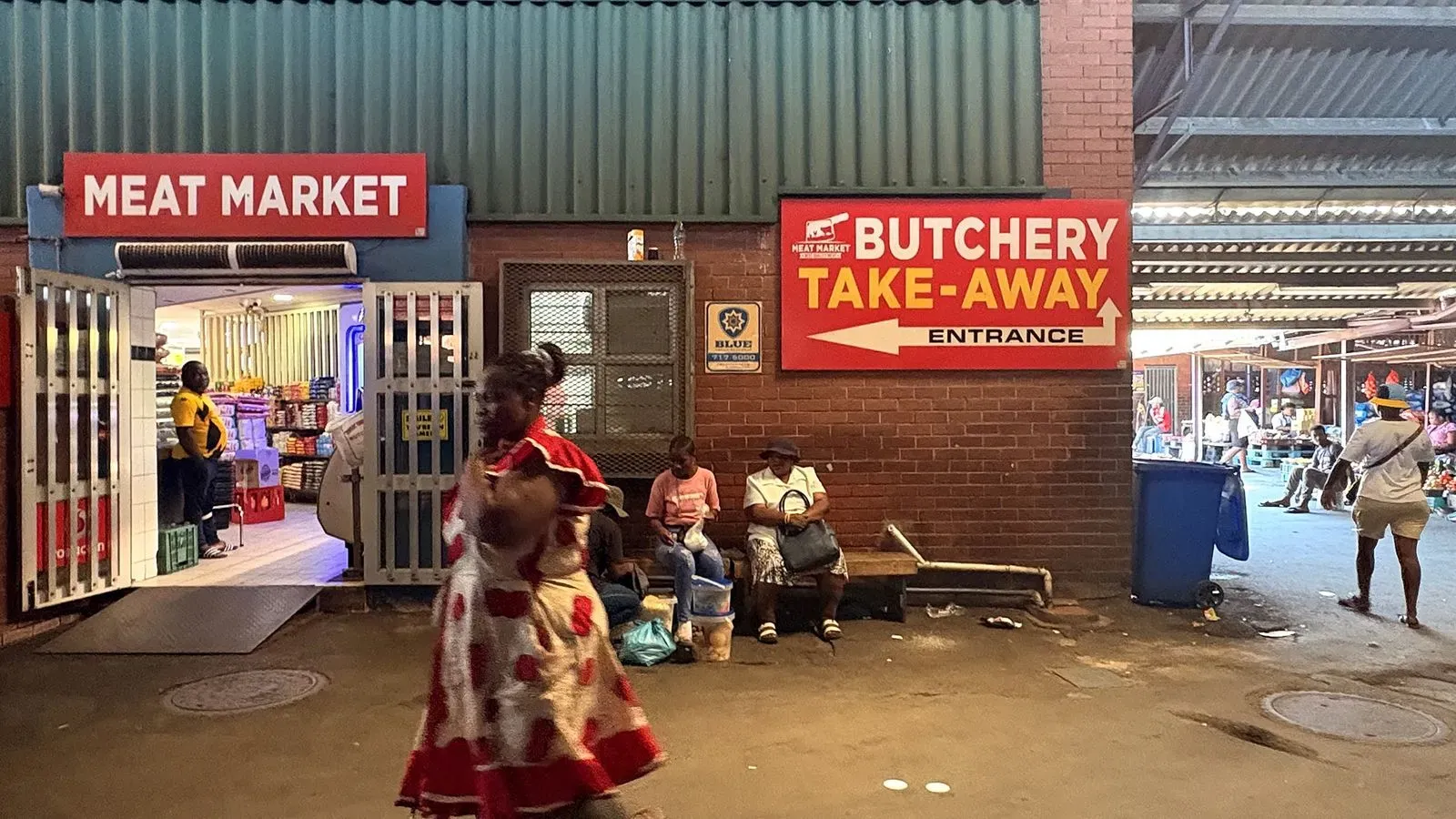
As part of that special call, this week we published the second in a Pulitzer Center-supported series, Red Alert, a solutions-focused, five-part series exploring extreme heat and the world of informal work in South Africa. Climate journalist Leonie Joubert spent time with informal food traders in Durban, one of South Africa's muggiest coastal cities, to understand how these small entrepreneurs are responding to heat extremes. Her first story focussed on minibus taxi drivers, who represent a sector that ferries some 70% of South African commuters each year, but whose taxis are intensely hot in the summer.
South Asia’s basmati rice industry is projected to grow to nearly $27 billion by 2032. The crop depends on river water from the Himalayas, but climate change has caused record-low snowfalls leading to water shortages and dwindling groundwater. Sadiya Ansari’s reporting looks at how conflict, climate change, and floods have left Pakistan’s rice crop vulnerable and how this affects local producers and global consumers.
In the U.S., Latino workers are overrepresented in construction, food processing, and manufacturing—sectors on the front lines of climate risk—yet few protections exist to safeguard them from rising temperatures and worsening air quality. Many face dangerous conditions without heat protections, air quality warnings, or employer accountability. Working 10 to 12 hours daily, sometimes seven days a week, workers toil under the blazing sun or in poorly ventilated factories. They lack sufficient recovery time and receive no pay when ill from the same workplace conditions that made them sick.
StoryReach U.S. Fellow Isabelle Tavares’s reporting project uncovered gaps in enforcement, exposes employer negligence, and documents the real-world impact of climate hazards on Michigan’s Latino workforce. It investigates whether employers are complying with existing regulations, how state labor agencies track (or fail to track) climate-related job risks, and what consequences—if any—exist for failing to protect workers.
In Nigeria, rice farmers in Sokoto State suffered devastating losses in 2024 from the combined forces of climate change and insecurity. Nigeria’s rice output fell to 5.23 million metric tons in the 2024-2025 season—the lowest in four years—driven largely by extreme weather. In Tsitse (Gada LGA), Shinaka (Goronyo LGA), and Gatawa (Sabon Birni LGA), rice farming is the main livelihood. These communities depend on stable rainfall, yet in 2024, delayed rains were followed by destructive floods that wiped out thousands of acres.
The farmers told Pulitzer Center grantee Abdullahi Muritala they never received forecast warnings, which poses questions about climate services, communications and the people most at risk. While the Nigerian Meteorological Agency (NiMet) developed early warning systems, it seems that there is a vast communication gap. Farmers, it seems, remain uninformed and unprotected.
Ring of Fire
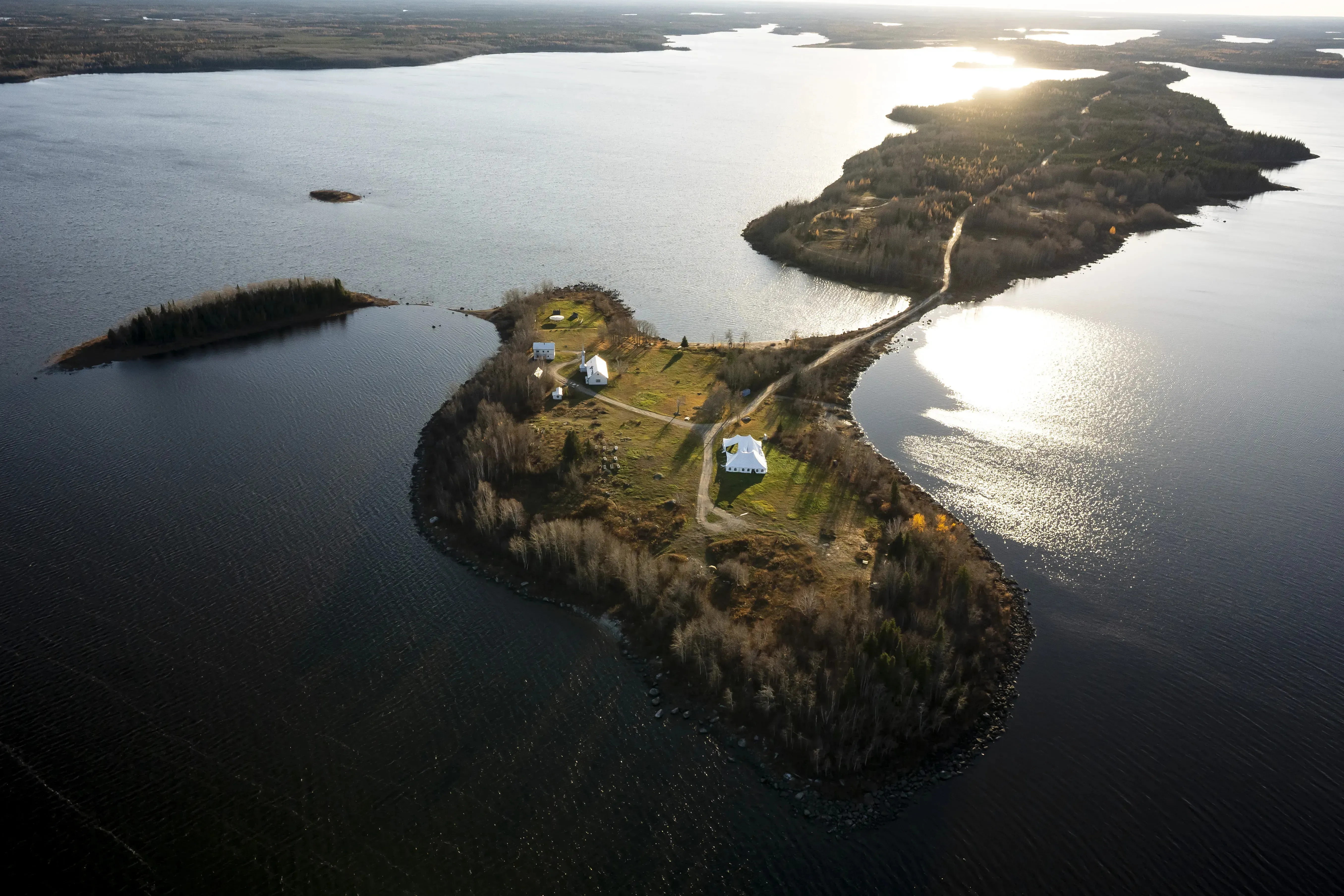
As Indigenous communities in northern Canada grapple with a rapidly changing climate, a new and urgent push to exploit critical minerals has surfaced this year due to economic pressure from the United States. Mining companies are eagerly eyeing the Ring of Fire region, home to Indigenous populations and known to be rich in minerals key to technology that fuels a net-zero economy. Federal and provincial governments have recently given themselves extraordinary powers to remove barriers to development, at the cost of environmental regulations and Indigenous consultation.
With all eyes on the remote northern Ontario region, Indigenous communities find themselves experiencing environmental and societal upheaval and First Nations are at odds over how to preserve traditional ways of life while seizing new opportunities.
There has been little on-the-ground reporting in the remote region. Until now. Take a read of Liam Casey’s vital reporting.
Journalism that sparks action
At the Pulitzer Center, our key philosophy is breakthrough journalism. We support stories that deepen understanding and inspire action. We go beyond the headline—and climate reporting is no exception.
Our #TooHotToWork campaign was inspired by 2023 Pulitzer Center Ocean Reporting Fellow Aryn Baker’s film, Too Hot To Work: How Qatar Offers Lessons for the Economy of a Heating Planet. Launched in April 2024, Thailand's hottest month, and coinciding with the country's Labor Day, the campaign aimed to emphasize the crucial connection between climate and labor for a Thai audience.
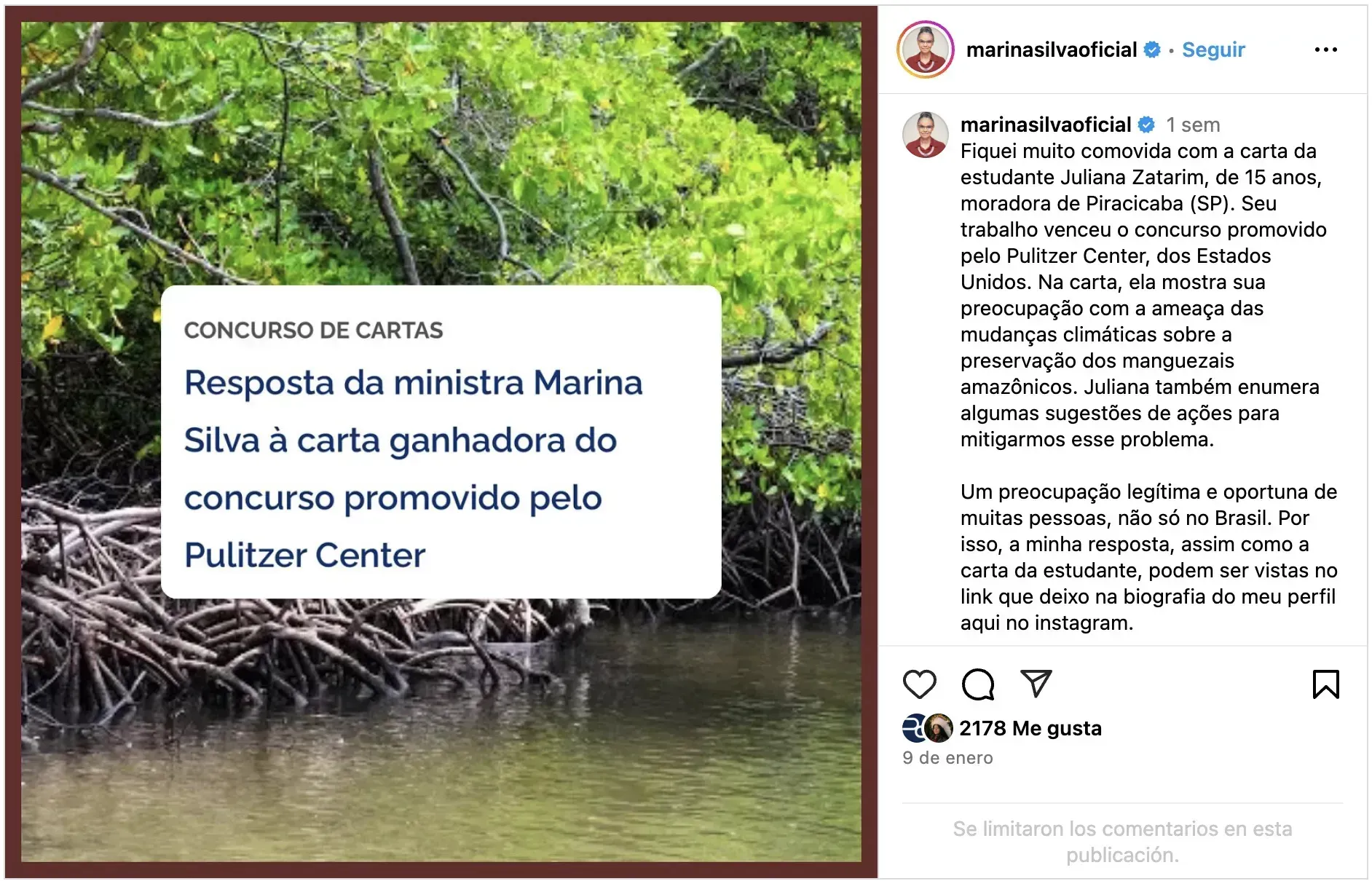
Last year, a Brazilian teenager's winning letter in a Pulitzer Center contest caught the attention of a federal official. Juliana Zatarim's letter to Marina Silva, Brazil's minister of the environment and climate change, expressed concern about the impact of climate change on mangroves. It was one of the winners in the Pulitzer Center's Letter Contest for Our Forests and Ocean.
The 15-year-old won in the Ocean category. In the contest, Latin American young people inspired by Pulitzer Center-supported reporting on environmental issues wrote letters to decision-makers in government. The report "The World’s Largest Mangroves Are Threatened by Climate Change" led Zatarim to write: "As ice melts and sea levels rise, valuable tree groves are destroyed, affecting their role as animal habitat and their ability to capture and store carbon dioxide. In addition, increased ocean acidification alters water circulation, which is essential for fish survival." (Read Zatarim's letter in Spanish.)
And finally, perhaps one of the most impactful stories on climate that we have supported, here's an investigation from Brazil. Rainforest Investigations Network (RIN) Fellow Flávio Ferreira's investigation into how congressional fund was used to fund illegal deforestation. His story led to a ban by the Supreme Court.
Homepage photo caption: People try to beat the heat at Canal Saint-Martin in Paris on June 19, 2026. Image by Pierre Laborde/Shutterstock.