Pulitzer Center Update October 1, 2026
Echoes From Climate Week NYC: Journalism and Collective Action
Country:

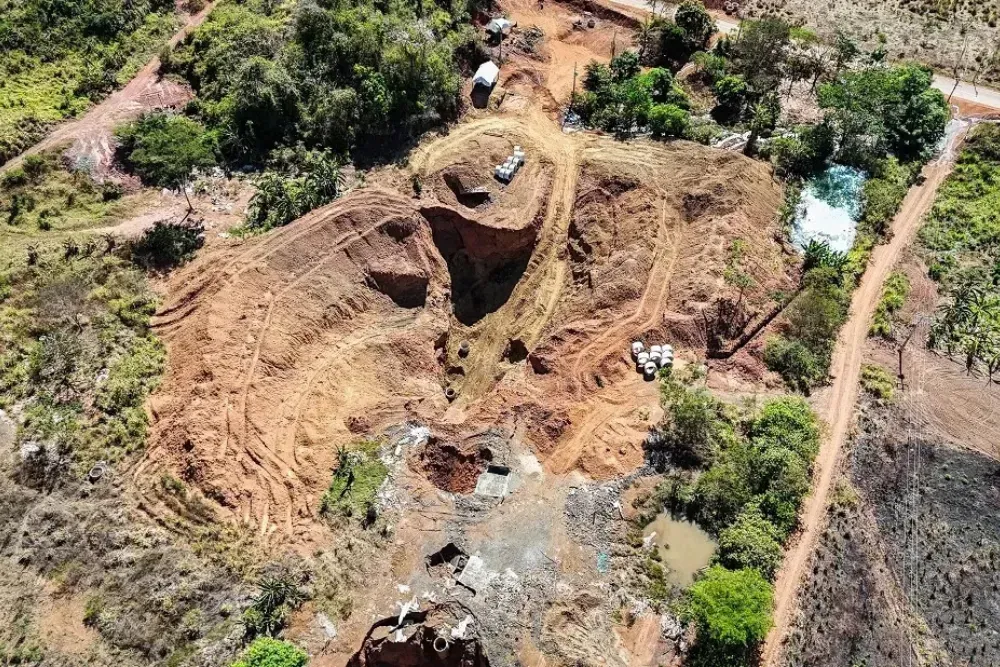
For those watching from a distance, parts of the environmental crisis can be easy to tune out: illegal mining in a tropical forest, a dying coral reef. They can seem slow and wrapped in data too big to feel personal.
But for the communities living with them, environmental crises are neither slow nor distant. Illegal mining can mean mercury in the fish that feeds your family; a dying reef can mean no fish on the table. Even when people know what is happening and who is responsible, many still feel powerless to act.
So what enables people to use the information we produce?
That question underpinned our presence at Climate Week NYC, from sessions on data centers with Data & Society and Retro Report, and geospatial data with SkyTruth, to breakthrough climate journalism at Columbia University.
In these discussions, the Pulitzer Center emphasized that in environmental journalism, what happens after publication shapes what a story can change. Making information available is not the same as making it usable.
This is where a story's echo begins. Carried by different voices, reporting becomes a reference for public debate, community organizing, and decisions.
That requires cultivating ecosystems where information can flow and find fertile ground. Journalism can reveal who finances an illegal mine and where the gold goes, which makes it critical public infrastructure for accountability.
From there, teachers bring the story into classrooms; civil society uses it to back a complaint; communities connect it to the deep knowledge they carry about their territories; and policymakers meet it in public debate.
Gatherings like Climate Week can sustain that echo. They connect people working in separate worlds, creating space to identify shared problems, recognize gaps, and build relationships beyond official decision-makers' spaces. Their value depends on what grows from those encounters.
We should stay critical: These spaces are often inaccessible, and they need to happen far more in regions where less of the world's power is concentrated. But the bridges they build matter.
Environmental journalists have often attended these gatherings mainly to cover them. At the Pulitzer Center, we also see journalism's role in building those ecosystems, so a family facing mercury contamination has more than information about the threat: evidence it can use, partners it can turn to, and ways to seek accountability.
And so, people on the other side of the world can connect the dots between that reality and their own, whether through the similar struggles they face at home, the institutions they fund, or even the gold in their jewelry.
Flora Pereira
Chief Impact Officer
This message appeared in the October 2, 2026, edition of the Pulitzer Center's weekly newsletter.