

A dive into Pakistan's fight against climate change
As Pakistan grapples with the aftereffects of last year’s devastating floods, a massive youth-led movement across the country has taken it upon itself to not only create climate change awareness but also inform the public of the repercussions and impact.
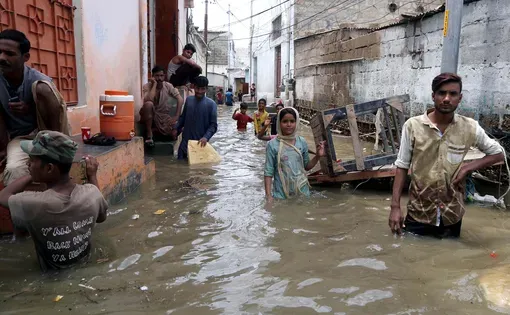
Since late June last year, a heavier-than-usual monsoon, followed by floods and landslides, has killed more than 1,000 people, damaged almost 230,000 houses, and washed away over 22,000 livestock in addition to the widespread destruction of crops across the country.
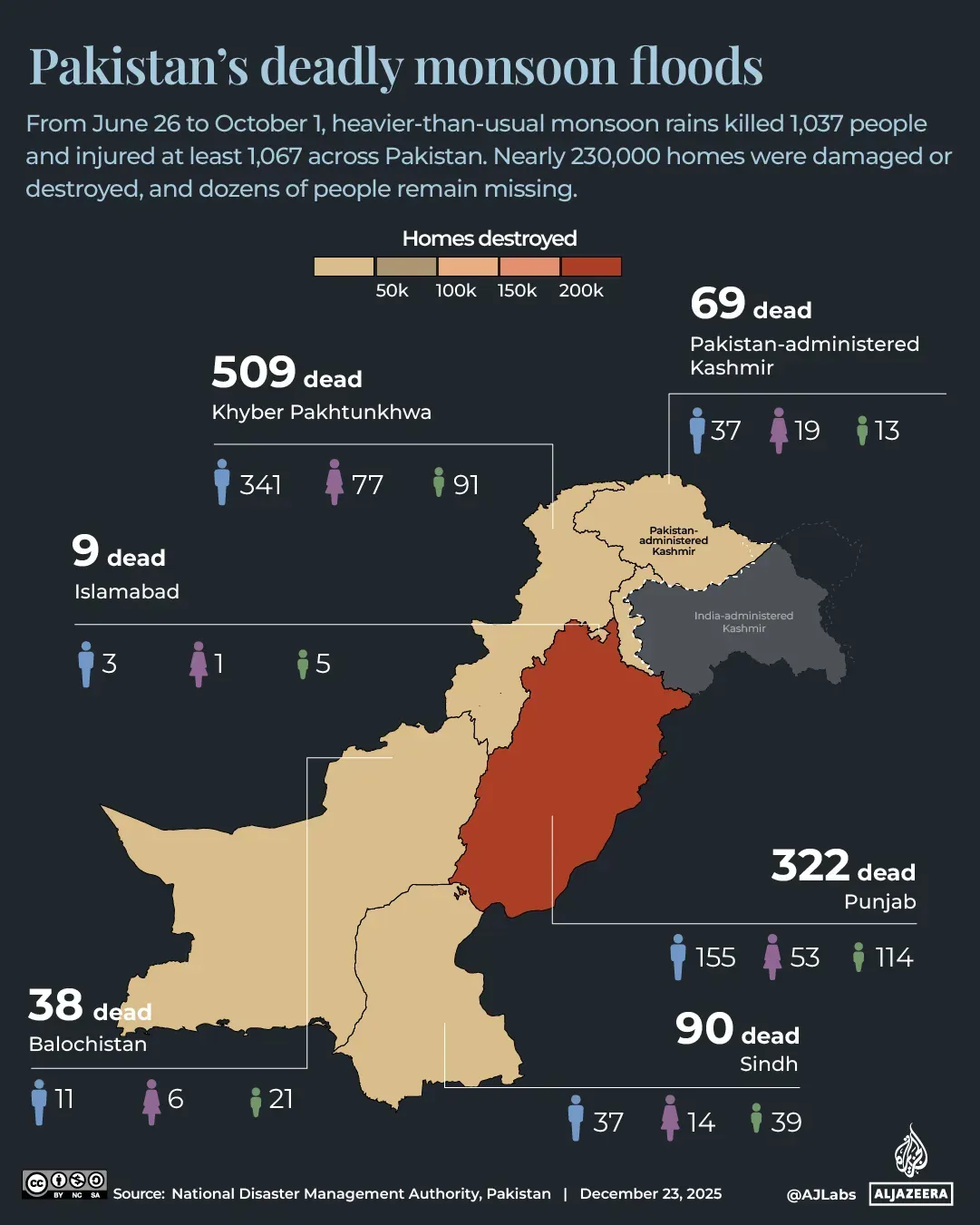
In 2022, extensive flooding submerged approximately a third of the country, affecting 33 million people — including killing more than 1,700 — and caused $14.8bn worth of damage, as well as $15.2bn in economic losses.
In 2024, more floods affected thousands, and a heatwave killed almost 600 people.
Pakistan ranks among the top 10 most climate-vulnerable nations, but it contributes less than one percent of global emissions. According to the World Bank, the mean temperature rise in Pakistan since the 1950s is twice as fast as the global mean change.

As a nonprofit journalism organization, we depend on your support to fund more than 170 reporting projects every year on critical global and local issues. Donate any amount today to become a Pulitzer Center Champion and receive exclusive benefits!
Climate change is a relatively unknown phrase on the streets of Pakistan, with the media also accused of largely ignoring the topic.
But for some young climate change activists, the destruction of their own villages and infrastructure has pushed them to raise awareness.
Nafeesa Baloch, an 18-year-old in Balochistan, Pakistan’s biggest province, is one such activist. She says she did not choose climate activism, but “it chose me through pain and loss”.
“I remember the floods in Gwadar like they happened yesterday, the fear and the feeling of helplessness,” she told Al Jazeera.
“I saw my grandmother crying on the prayer mat, begging for the rain to stop. Her voice was trembling with fear. My aunt’s home was submerged. We were drowning not only in water but in confusion and silence because no one had ever explained what was happening or why.”
It was at that time, Baloch says, that she could not let her community face disasters in ignorance, not knowing what it was facing or how to cope.
“That is why I started the climate school to give them knowledge, hope and power to face the storms ahead.”
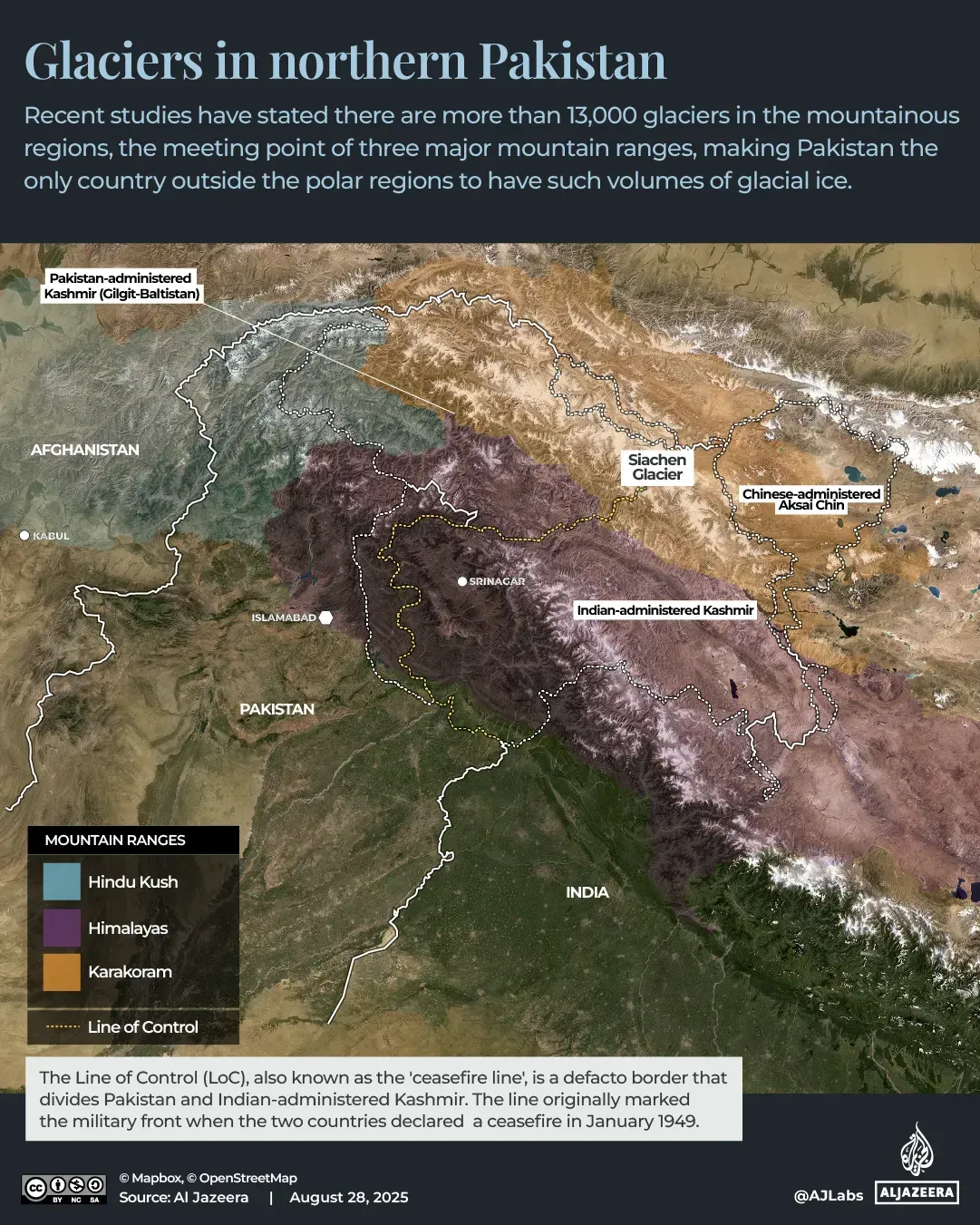
For 25-year-old Didar Ali, growing up in the northern mountainous Gilgit-Baltistan region, the effects of climate change were witnessed firsthand.
Pakistan has around 13,000 glaciers, and the impact of global warming is being felt by them. Rising temperatures are causing them to melt at a dangerous rate.
Ali has witnessed the changes firsthand.
“I’ve seen glaciers receding, flash floods destroying villages, and shifting weather patterns threatening livelihoods,” he said. “These weren’t abstract ‘environmental issues’ to me. They were realities affecting my community. I felt I couldn’t stay a bystander, so I began working to connect local voices to national and global climate conversations.”
While the message remains the same, the approach varies.
Baloch, through her Zameek Balochistan project, focuses on bringing climate education to children, using painting, storytelling and creative workshops “as a way for them to express their fears, hopes and love for their land”.
Shazeen Saeed, a 20-year-old from Gujranwala in Punjab province, founded “She Leads Pakistan” to empower women.
Ali uses adventure sports to connect children with their environment, while Saqlain Yaqoob, now based in the capital of Islamabad, studies the impacts mass tourism has on his community of Gilgit-Baltistan to promote discussion of the challenges the country faces.
Sabah Kalim, from Pakistan-administered Kashmir, promotes sustainable lifestyle changes that benefit local communities, “encouraging kitchen gardening to lessen food insecurity and educating people about sustainable farming”.
“Despite the lack of awareness, I've found that people are more willing to make minor but significant changes once they realise how climate change impacts their day-to-day lives,” Kalim said.
With such a massive impact on Pakistan’s growing population, overstretched resources and faltering economy, natural disasters caused by climate change pose a serious risk to the country.
Yet, many people remain unaware of the causes and consequences.
“Some people [in Pakistan] actually think climate change is a Western conspiracy,” Kamal Siddiqi, former editor of The Express Tribune and ex-director at the Centre of Excellence for Journalism in Karachi, told Al Jazeera.
“I’ve talked to a number of people with a lot of experience who feel that this is not a priority issue for Pakistan. The media has to take this up. Issues like water, flooding, and smog are things that are affecting the daily lives of millions.
“People should be told time and again why this is happening so that there is more awareness and debate on it.”
In addition, these activists are pushing for climate change to be part of the education curriculum.
“Climate change must be taught in every school not just as science but as a matter of justice and survival,” Baloch said.
“Climate funds must reach the people who suffer the most with transparency and accountability. We cannot keep losing lives while waiting for help that never comes.”
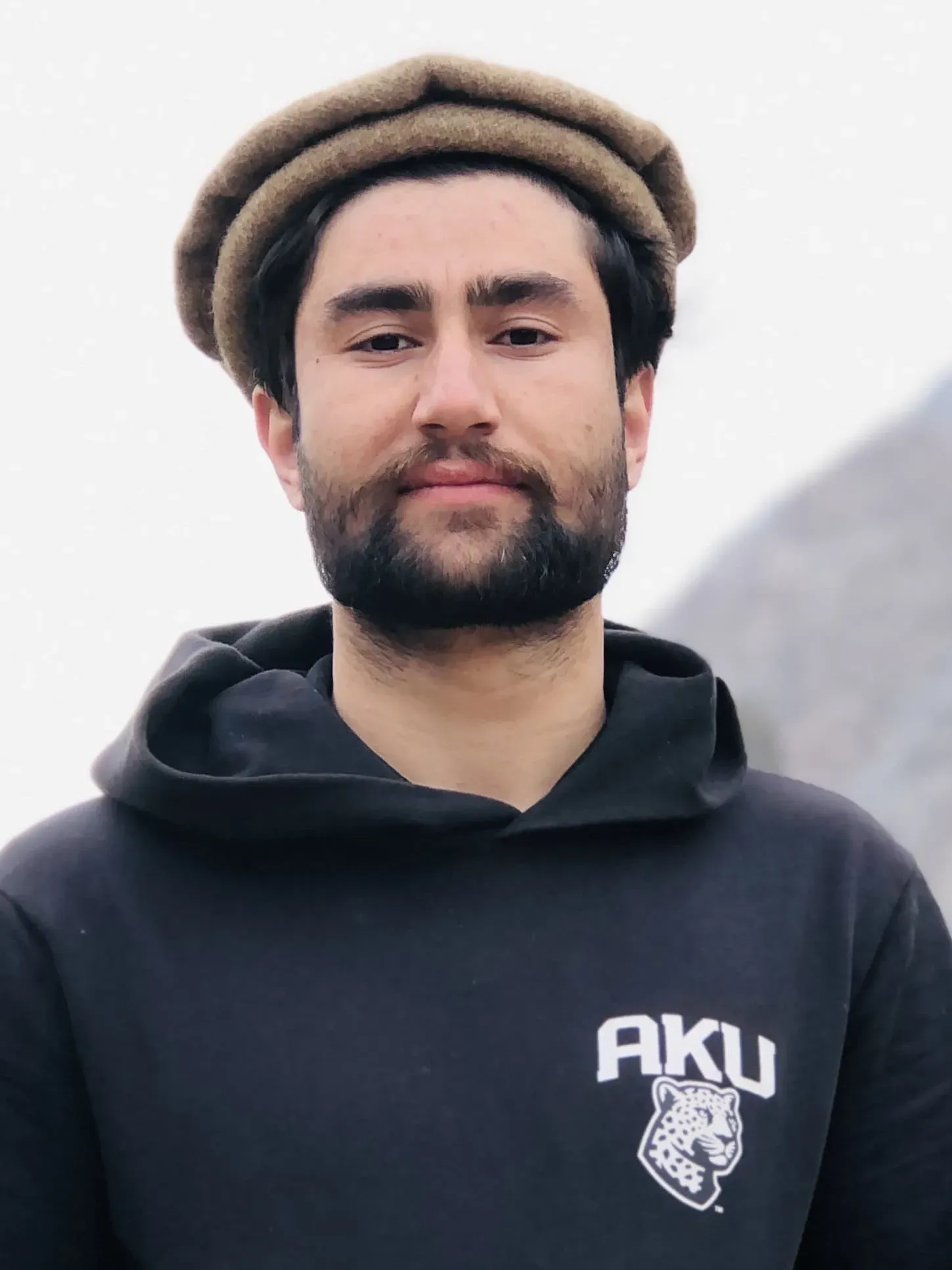
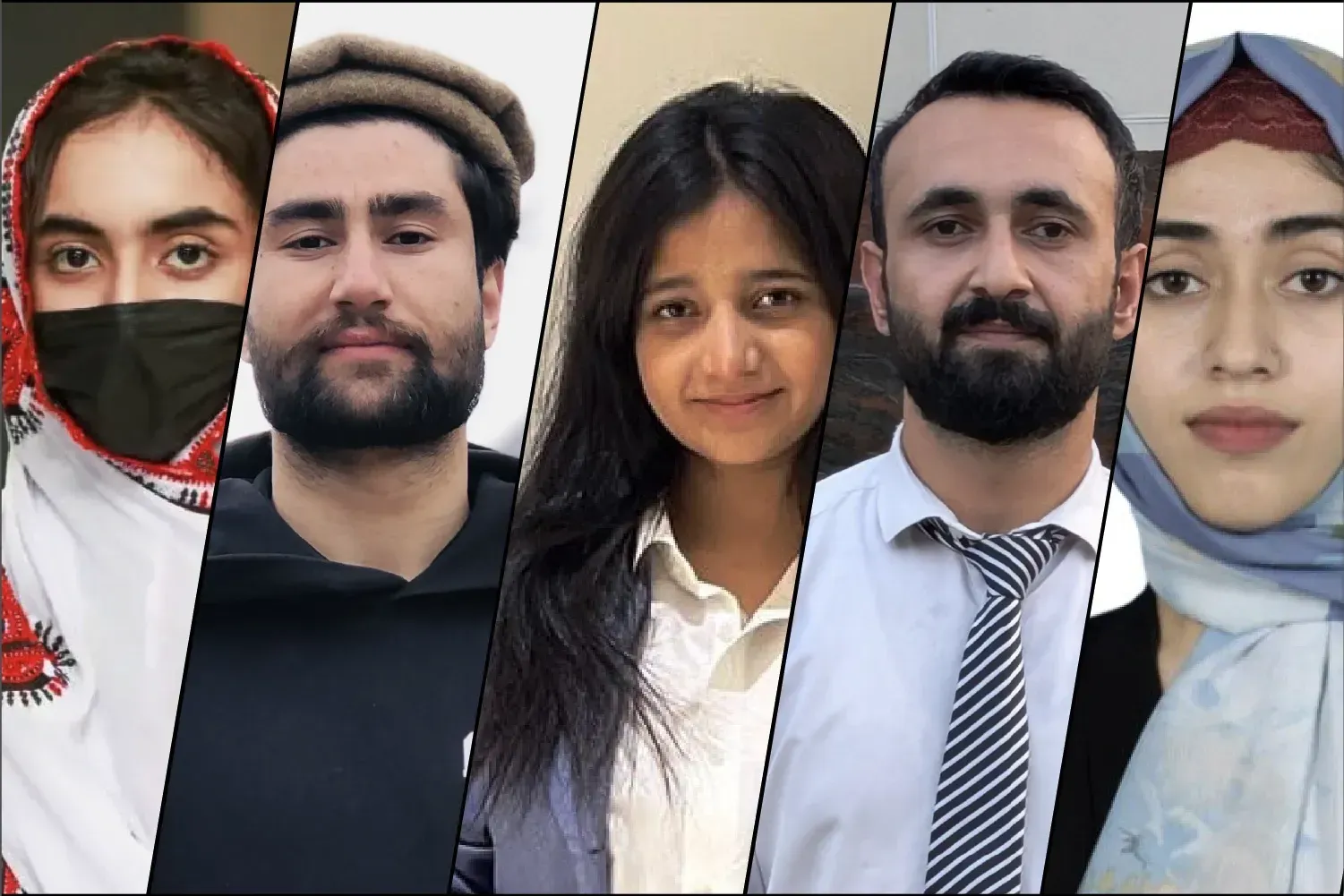
Didar Ali
Ghizer, Gilgit-Baltistan
Age: 20
Ali witnessed the impact of receding glaciers and flash floods in his community and decided to spread awareness through adventure sports. He organises youth events in an effort to build a personal connection between themselves and the environment. He hopes that this increased awareness among adolescents will draw more attention to the climate crisis through educational curriculums, eco-friendly infrastructure developments, and media coverage.
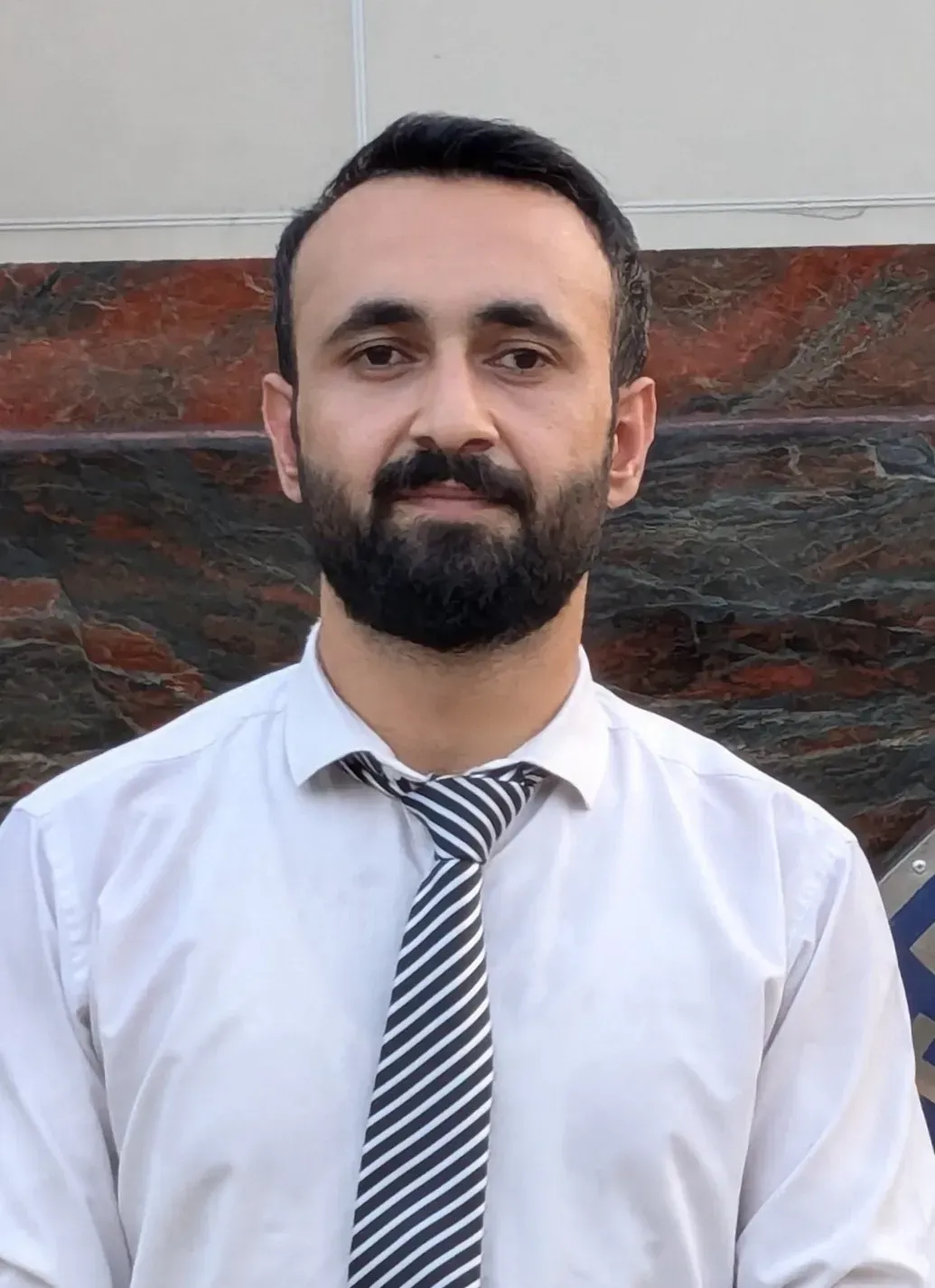
Saqlain Yaqoob
Danyore, Gilgit-Baltistan
Age: 25
Yaqoob has seen how climate change can disrupt farming and reshape landscapes in his own community. He focuses his activism around how mass tourism impacts Gilgit-Baltistan’s environment and popular tourism destinations. Yaqoob emphasises that in addition to a lack of climate education among Pakistani school curricula, Pakistan’s government should include perspective local organisations in creating eco-friendly policies going forward.
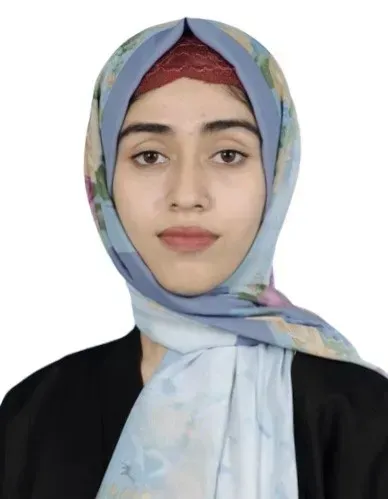
Sabah Kalim
Rawalkot, Pakistan-administered Kashmir
Age: 26
Kalim has seen the destruction caused by climate change firsthand and chooses to address the crisis from a public health and nutrition standpoint. Her work is centred around providing nutritious and eco-friendly solutions for at-risk communities. She works to increase sustainable farming education and promotes simple lifestyle changes with long-lasting benefits for the greater community. She hopes that by introducing climate education in schools and advocating for sustainable policy changes, communities will come together to work towards a more sustainable future.
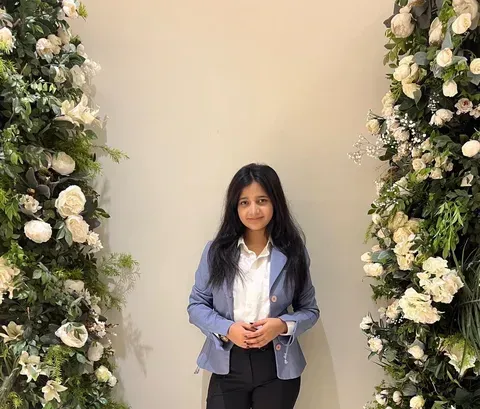
Shazeen Saeed
Gujranwala, Punjab
Age: 20
Saeed saw how women in at-risk regions suffered not only from the climate crisis but also from rises in illness and gender-based violence, as well as a lack of opportunity. She believes that climate change is an issue requiring the attention of every single citizen and that by encouraging collaboration between governing bodies and local organisations, Pakistan can start to mitigate the impacts of climate change.
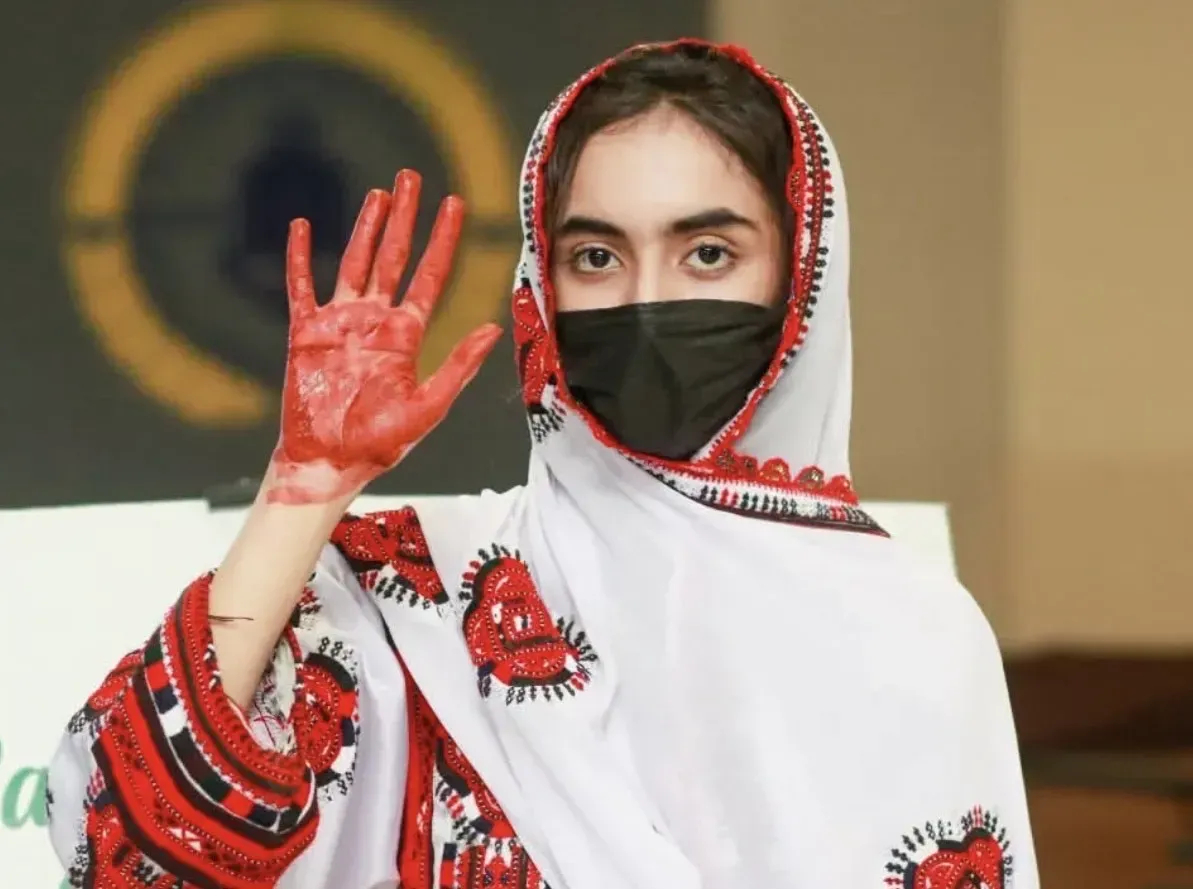
Nafeesa Baloch
Gwadar, Balochistan
Age: 18
Devastating floods in Gwadar marked the point that motivated Baloch to increase climate awareness. She uses artistic activities to teach children about the climate crisis. Baloch cares not only about increasing climate change awareness but also about ensuring that voices from her community are amplified in international conversations.
Produced by Marium Ali and Fatima Shafiq for @AJLabs