Story
 April 22, 2026
Wisconsin Adopts 4 Teacher Sexual Misconduct Laws After Pulitzer Center-Supported Reporting
Country:

Hundreds of teachers have been accused of sexual misconduct. Officials have kept the public in the...
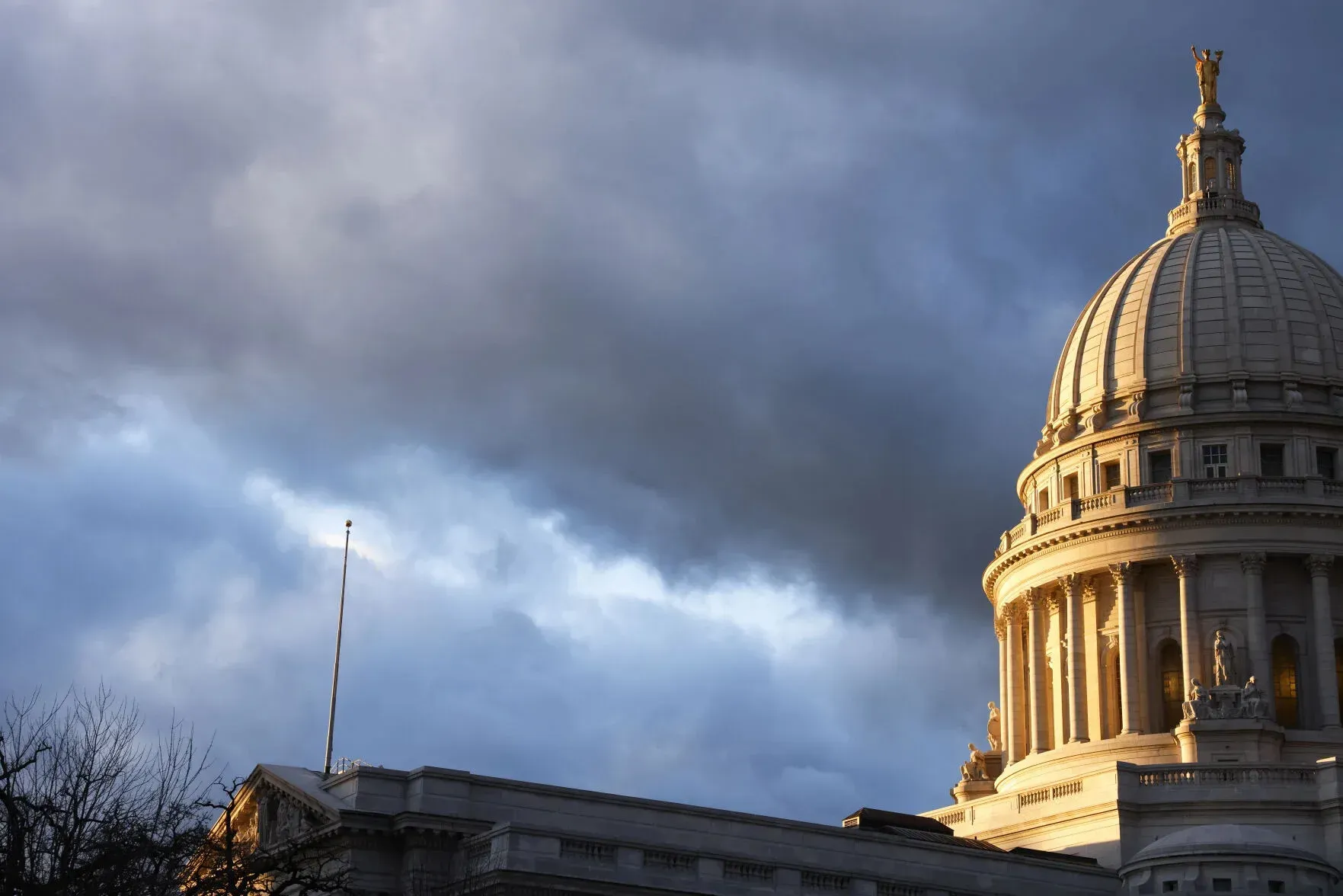
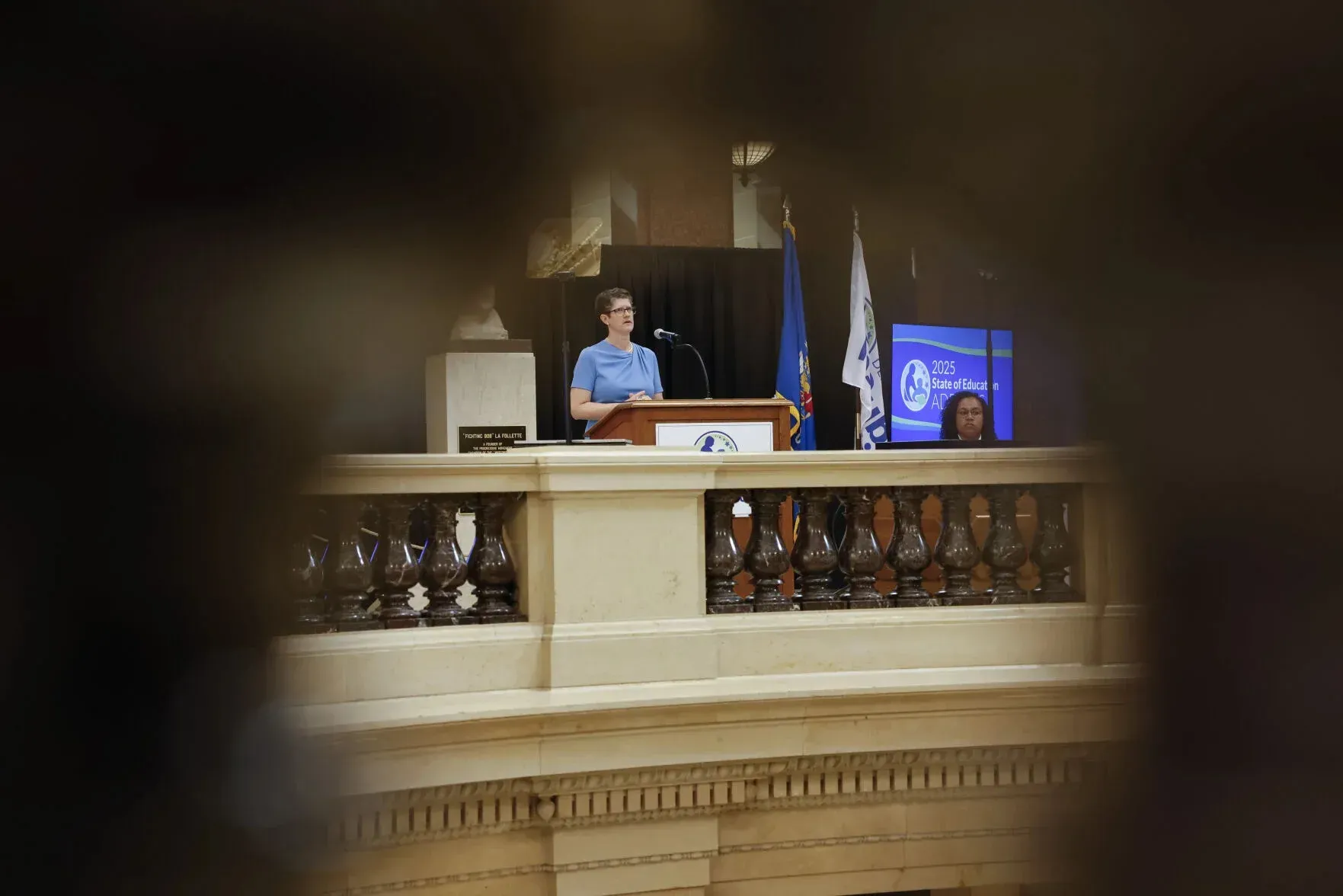
Inside the state Capitol, Sen. Steve Nass put his hands together, leaned into his microphone and pressed state Superintendent Jill Underly on how she planned to address educator sexual misconduct and grooming in Wisconsin.
“You’ve been in office about four and a half years,” Nass, a Republican from Whitewater, told her during a public hearing last fall. “Without that Cap Times article, I don’t think we’d be here today.”
Legislators called the hearing with Underly weeks after the newspaper revealed the Department of Public Instruction investigated more than 200 educators accused of sexual misconduct and grooming. The reporting showed the department fell short of investigative steps and transparency measures that abuse prevention advocates say would better protect children.
As a nonprofit journalism organization, we depend on your support to fund more than 170 reporting projects every year on critical global and local issues. Donate any amount today to become a Pulitzer Center Champion and receive exclusive benefits!
In response, Wisconsin lawmakers held three hearings questioning top education officials, ordered an audit of the department’s practices, and passed laws to close loopholes and help prevent students from being abused by teachers and others. The new laws:
- Criminalize grooming a child for sexual activity.
- Require schools to adopt policies on appropriate communication and to train staff on recognizing grooming.
- Ban schools from entering into non-disclosure agreements with employees investigated for misconduct.
- Require the Department of Public Instruction to maintain an online, searchable database that shows the outcomes of misconduct investigations and identifies educators who lost their licenses.
After signing the searchable-database measure into law, Gov. Tony Evers commended its intentions.
“This bill enhances the safety of all K-12 pupils by ensuring individuals who have their license revoked or are under investigation can be more easily identified by the public and future employers,” Evers said in a prepared statement.
State Rep. Amanda Nedweski, R-Pleasant Prairie, who authored three of the bills signed by Evers, said the Cap Times’ reporting on educator misconduct proved “absolutely critical to getting these bills over the finish line.”
Underly backed some of the proposals — like defining grooming in state law — while defending the Department of Public Instruction’s work investigating misconduct. She vowed to increase transparency and began publishing more information about educators who lost their licenses before lawmakers mandated those disclosures.
Through the state government’s rulemaking process, Department of Public Instruction leaders also advanced policy changes, more closely aligning its investigations with practices recommended by researchers and those used in other states.
“We are very encouraged by the progress,” said Alison Parkins, a department spokesperson.
Still, Wisconsin falls short in comparison with other states’ prevention policies. And two other proposed bills failed to gain enough traction in the Legislature to reach the governor’s desk.
Grooming becomes a crime
Outrage swiftly followed the newspaper’s investigative report on the Department of Public Instruction, which published in October after the Cap Times spent more than a year gathering records, analyzing data and interviewing advocates and researchers.
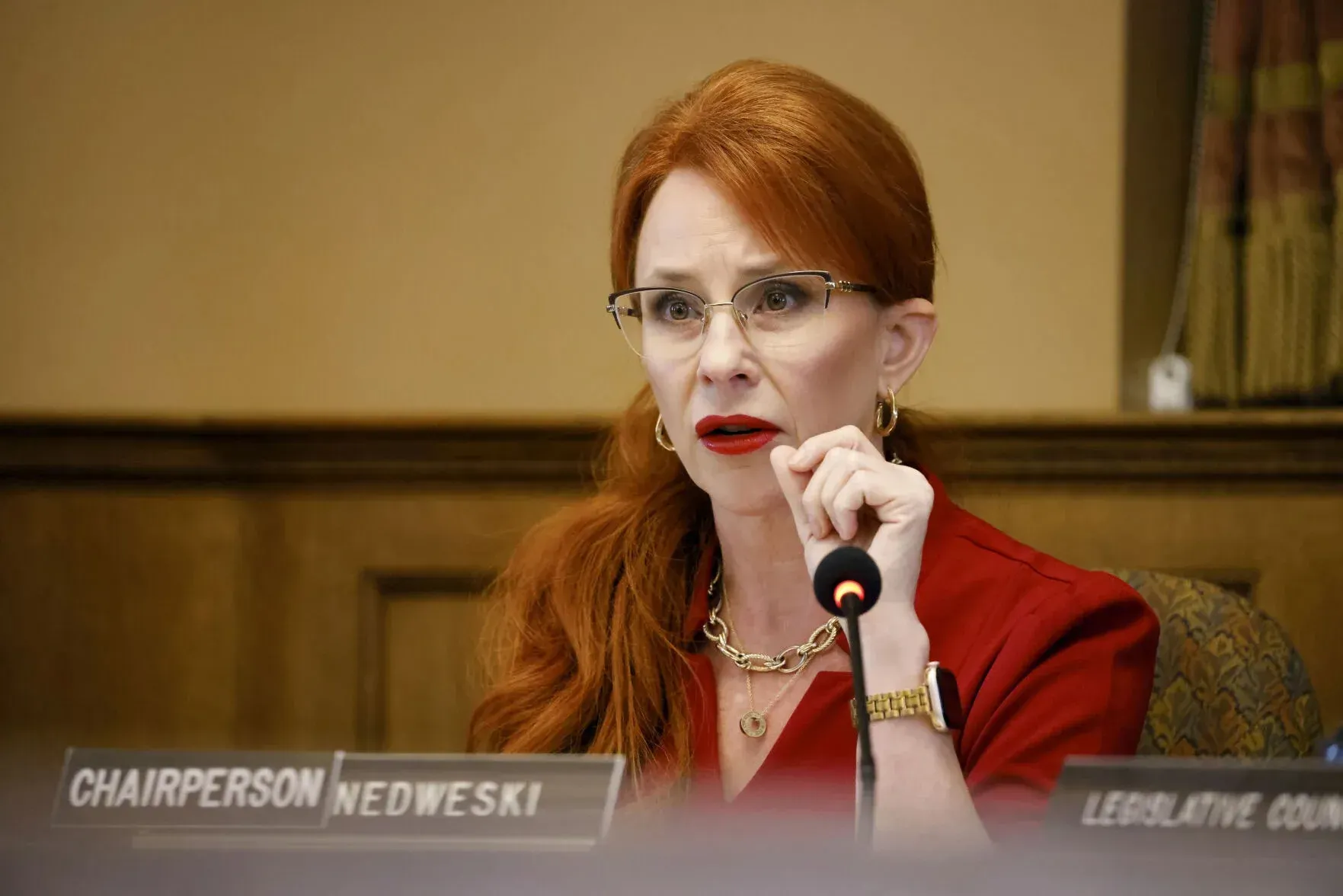
A day after the first article, Nedweski announced plans to introduce legislation that would create a criminal penalty for grooming children and require schools to adopt policies on appropriate communications between staff and students. She had been previously working on the legislation in response to a grooming case in her district.
“The recent revelations by the Capital Times paint an alarming picture of what’s happening in our schools,” Nedweski said at the time. “Every parent in Wisconsin deserves to believe that when they send their child to school, that child is safe.”
“Grooming” is a series of boundary crossings to develop trust with a child for the purpose of sexual exploitation, according to the Rape, Abuse & Incest National Network.
Underly and other top Department of Public Instruction officials supported the bill. A definition of grooming in the state’s criminal laws would help when they investigate licensed educators, department leaders said.
The new law makes grooming a felony with a maximum sentence of 25 years in prison. One of the first people to be charged under the law is a Madison teacher, who prosecutors say exchanged nearly 130,000 text messages with a student and professed his love to her.
Nedweski’s bills, which she had been working on for more than a year, passed the Legislature with bipartisan support.
“Without the public attention that (the Cap Times) reporting placed on the issue, I don’t know that the governor would have signed the bill — simply because the public appetite for change wouldn’t have been so strong,” Nedweski said.
Madison East High School graduates Lauren Engle and Sydney Marz said the changes under Nedweski’s bills are commonsense.
“When it’s something as simple as teachers should be trained to learn what grooming looks like, that feels like a no-brainer,” Marz said. “That should have been in place a long time ago, and it could protect a lot of kids. And I think it could have helped us.”
Both attended the Madison Metropolitan School District and were students of an East High teacher who pleaded guilty in 2021 to federal charges of attempting to produce child sexual abuse material. He had placed recording devices in students’ hotel bathrooms and sleeping areas on school trips, according to prosecutors.
Engle and Marz went on multiple overnight field trips with the teacher throughout high school.
“If people even understand what the term grooming is, that is so important to me,” Engle said.
Secretive agreements banned
Lawmakers also introduced two laws this past legislative session on non-disclosure agreements and a lack of public access to teacher misconduct information.
Nedweski proposed banning non-disclosure agreements between school districts and employees under investigation and granting civil-lawsuit immunity to schools that provide accurate employment references.
The Cap Times found examples of agreements forbidding Wisconsin school officials from telling future employers why an educator left their job, unless required under law. Michigan, Illinois and Iowa are among 10 other states that ban such confidentiality clauses in employment contracts or separation agreements, according to the national advocacy group Enough Abuse.
Sen. John Jagler, R-Watertown, separately introduced the legislation that requires the Department of Public Instruction to maintain an online, searchable database of educators who are under investigation and any disciplinary outcomes.
Jagler said his hope is the department will publish the disciplinary orders it issues against educators, similarly to how the Department of Safety and Professional Services publishes orders for hundreds of licensed occupations it oversees.
Nedweski’s non-disclosure agreements and Jagler’s database bills passed the Legislature with bipartisan support this spring, before being signed by Evers.
Support for the bills varied among Madison’s delegation of state legislators, who are all Democrats. Rep. Francesca Hong, who is running for governor this year, voted against all four bills. Reps. Shelia Stubbs and Lisa Subeck voted in support of all except Jagler’s database bill, while Rep. Renuka Mayadev voted against the database bill and Nedweski’s ban on non-disclosure agreements.
Madison’s Sen. Kelda Roys, who is also running for governor, voted in favor of all four bills, according to her spokesperson.
Only one group registered against any of the bills, according to April ethics disclosures: School Choice Wisconsin Action, which lobbied against the appropriate communications policy bill.

Underly makes changes
As lawmakers responded to the Cap Times’ reporting, Department of Public Instruction officials moved to increase transparency and expand the ways educator misconduct could be addressed through licensing investigations.
The agency launched a webpage listing all educators who have lost their licenses following misconduct allegations. Prior to the newspaper’s reporting, members of the public could search an individual educator’s name or license identification number and see whether they had an active license.
But no central place existed to publicly view all educators who had their licenses removed or who gave them up.
Underly promised during a November press conference that she would consider adding the reasons those educators lost their licenses. Five months later, that information remains unpublished.
The department paused work on adding more information to its website to focus on complying with the new database requirements in Jagler’s bill, Parkins said.
In the past six months, Department of Public Instruction officials have also advanced an administrative rulemaking process to create a code of ethics for licensed educators and expand the types of discipline the agency can issue — which would align Wisconsin more closely with practices in other states.
The code of ethics would establish an expectation that licensed educators maintain “appropriate verbal, physical, emotional and social boundaries” with students, while the discipline expansion would give the department more ways to address misconduct beyond simply revoking a license.
The changes would put Wisconsin in line with states like Iowa, Florida and Pennsylvania, which allow other forms of discipline like public reprimands or license probation.
Underly and department officials began working on the policy changes in 2024. Now, following approval by Evers in February, the changes could soon be adopted if endorsed by the Legislature.
The department expects both rules to be in effect in July, Parkins said.
Failed bills, untaken steps
Advocates and researchers continue to urge other misconduct prevention measures that neither lawmakers nor Department of Public Instruction officials have adopted.
Nedweski introduced legislation that would have prohibited educators from surrendering their teaching licenses to terminate a Department of Public Instruction investigation without a conclusion, which the Cap Times found was the most common way an educator lost their license from 2018 to 2023.
Nedweski’s bill stalled after passing in the Assembly in February. She said legislators on both sides of the aisle are interested in working on the proposal in some capacity next session.
Another bipartisan bill introduced this session would have added new requirements for schools to teach students in all grades about child sexual abuse and personal boundaries. The state currently requires sexual abuse prevention education only in public elementary schools.
The abuse-education measure stalled in the state Senate after passing in the Assembly. Similar legislation has been introduced five times since 2016 and never passed.
Wisconsin also has no law standardizing the screening of school employees before they’re hired. Michigan and seven other states have adopted universal screenings such as requiring applicants to disclose whether they were ever disciplined, terminated or resigned amid a sexual misconduct investigation.
Laws in Illinois, Iowa and Michigan require school administrators to contact current and former employers about an applicant’s behavior history if the person was in a position directly involved with children. Those three states are among 10 others with similar laws, according to Enough Abuse.
In other states, education agencies produce statistical information about license investigations in annual reports. The Wisconsin Department of Public Instruction doesn’t.
Arizona, Idaho and Pennsylvania publish data each year on how many investigations were conducted, the types of conduct investigated and investigation outcomes.