Story
 July 7, 2026
Why Canada Struggles To Stop the Illegal Wildlife Trade

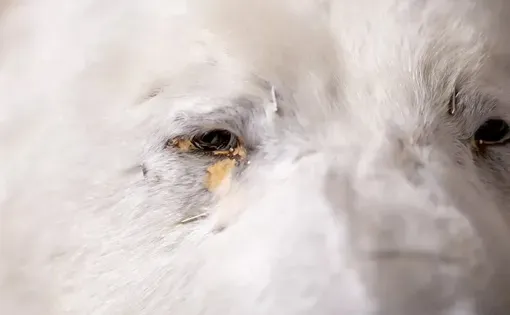
The Canadian Arctic has become a gateway for wildlife trafficking.
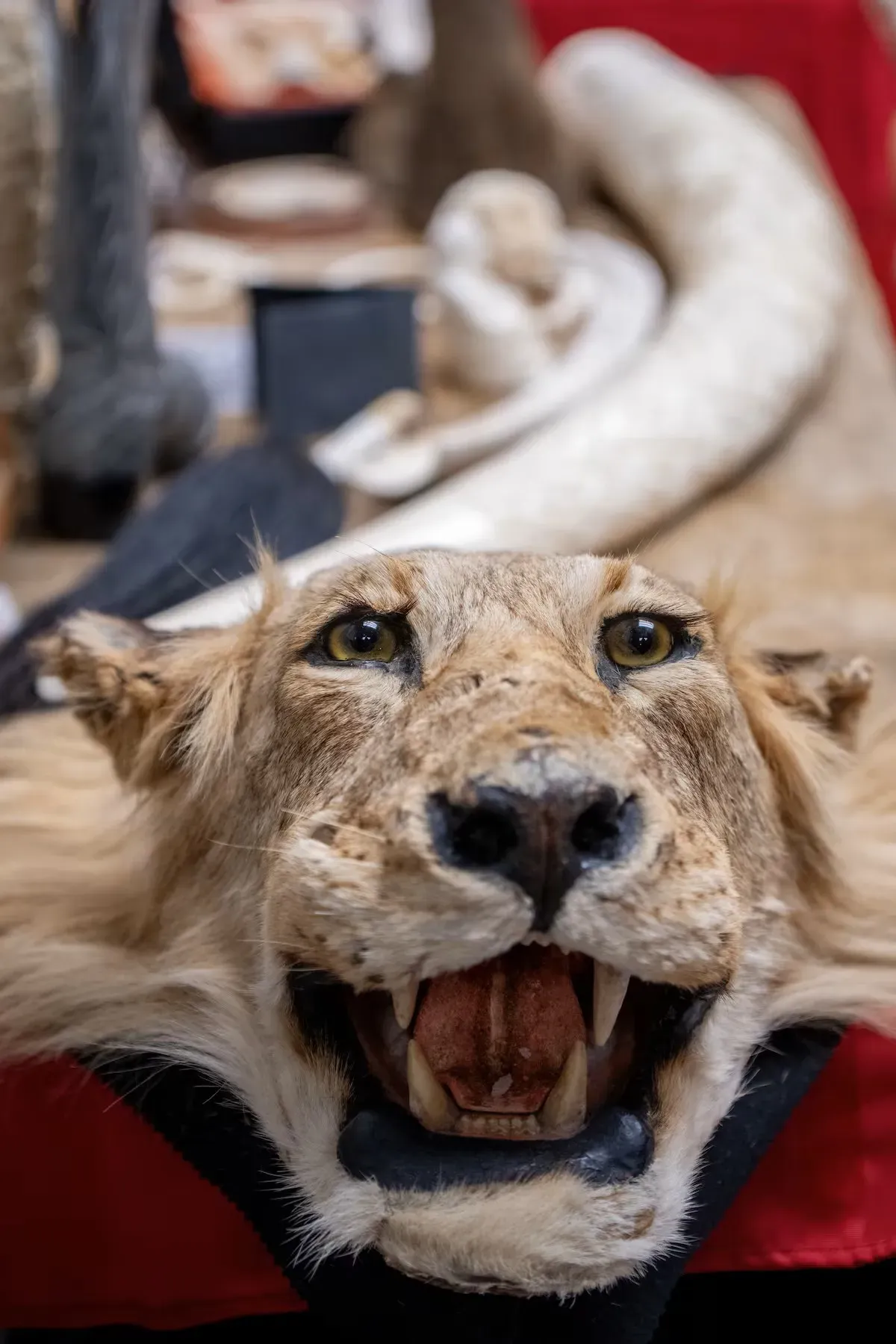
Billions of dollars of illegal wildlife parts get trafficked around the world each year. Think elephant tusks, rhino horns, polar bear pelts and even some rare plants, like wild ginseng. One of the countries caught up in these criminal networks is Canada.
Jenn Thornhill Verma looked into how Canada has become such a hub in the illegal wildlife trade and why the organized crime is flying under the radar. Her reporting is part of The Globe and Mail’s Surfaced series in partnership with the Pulitzer Center’s Ocean Reporting Network.

As a nonprofit journalism organization, we depend on your support to fund more than 170 reporting projects every year on critical global and local issues. Donate any amount today to become a Pulitzer Center Champion and receive exclusive benefits!