Story
 October 18, 2026
The Next Ayahuasca? Gabon Fights To Protect Sacred Plant From U.S. Drug Companies
Country:

What forest communities built now underpins a growing, international industry.
Iboga root, central to several Gabonese ritual traditions, is believed to have huge potential for use in treating addiction and some mental illnesses
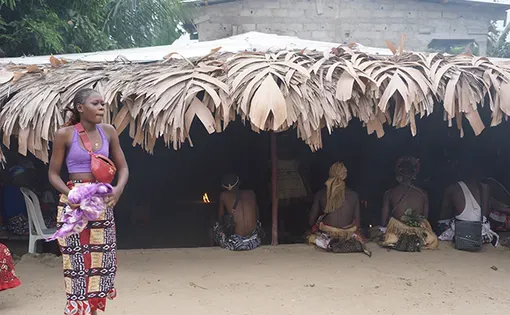
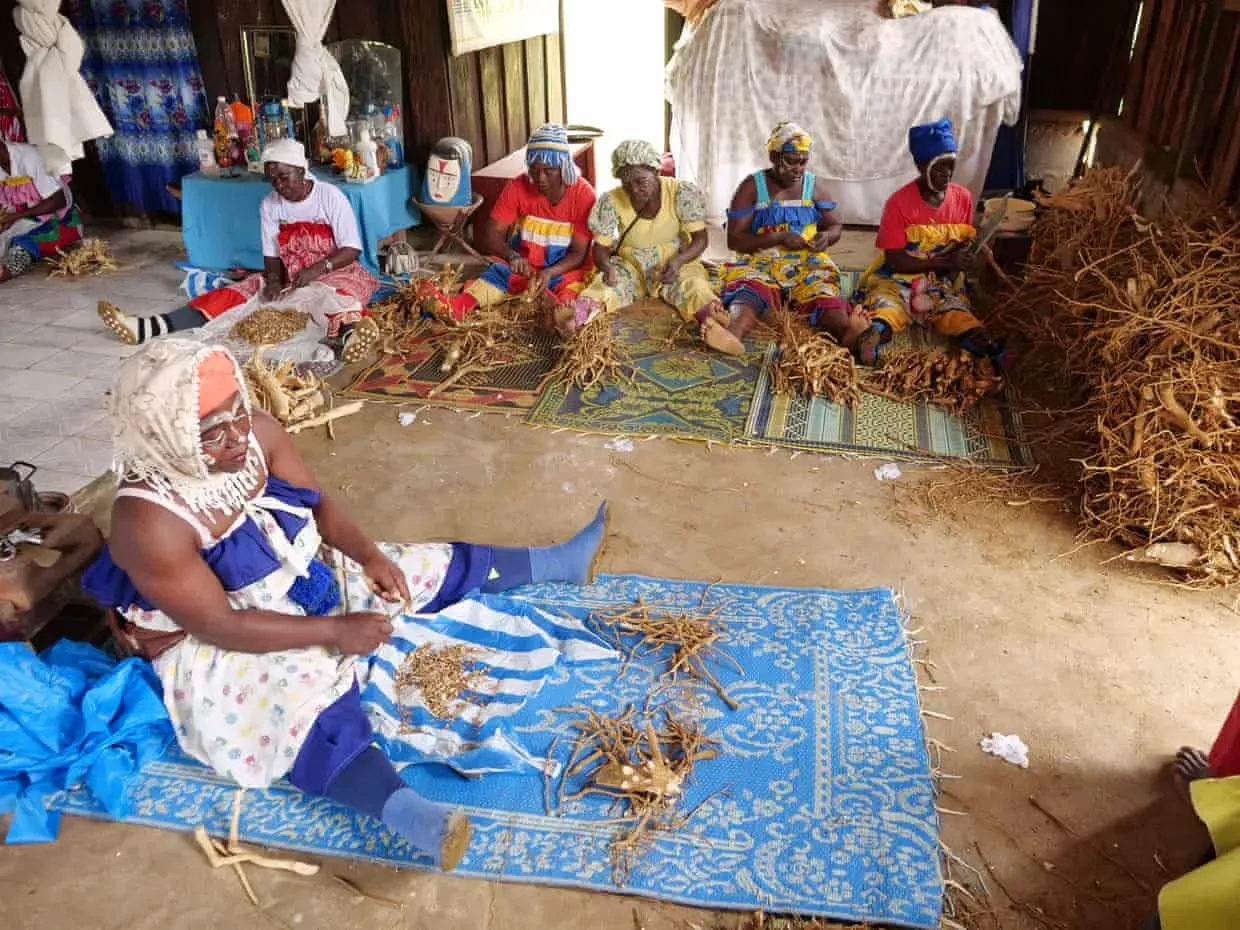
The temple is dark, its sandy floor edged with candles. People sit shoulder to shoulder beneath palm fronds hung from the rafters. Through the night, they swallow what they have come here for: a bitter root bark called iboga.
Tabernanthe iboga is a slow-growing central African rainforest shrub, the root bark of which has long been used in several Gabonese ritual traditions.
In Gabon’s villages and forests, iboga is cultivated and sometimes gathered from wild populations, often collected under ritual conditions. But nothing in its cultural usage, at sites such as this temple on the outskirts of Libreville, is comparable to the potential wave of demand fast approaching from abroad. A US executive order has turned a spotlight on ibogaine, a drug made from the plant, which pharmaceutical companies believe has huge potential for use in addiction treatment.


As a nonprofit journalism organization, we depend on your support to fund more than 170 reporting projects every year on critical global and local issues. Donate any amount today to become a Pulitzer Center Champion and receive exclusive benefits!
In the Bwiti (also known as Bwété) spiritual tradition, iboga is used in many different ways. Apollon Obolo, a practitioner of Misoko Bwiti, a branch concerned with healing and divination, describes the ceremony taking place that night, called Mubindu, as a way of lifting the burden carried by relatives and friends after a death.
But, he stresses, iboga is only one part of the practice. “In Gabon, we don’t talk about iboga. We talk about Bwiti. Iboga is just an element,” he says. “For me, Misoko is like a microscope to see clearly about details in the life of someone.” Obolo believes it can “restructure” a person and resolve what ordinary medicine cannot.
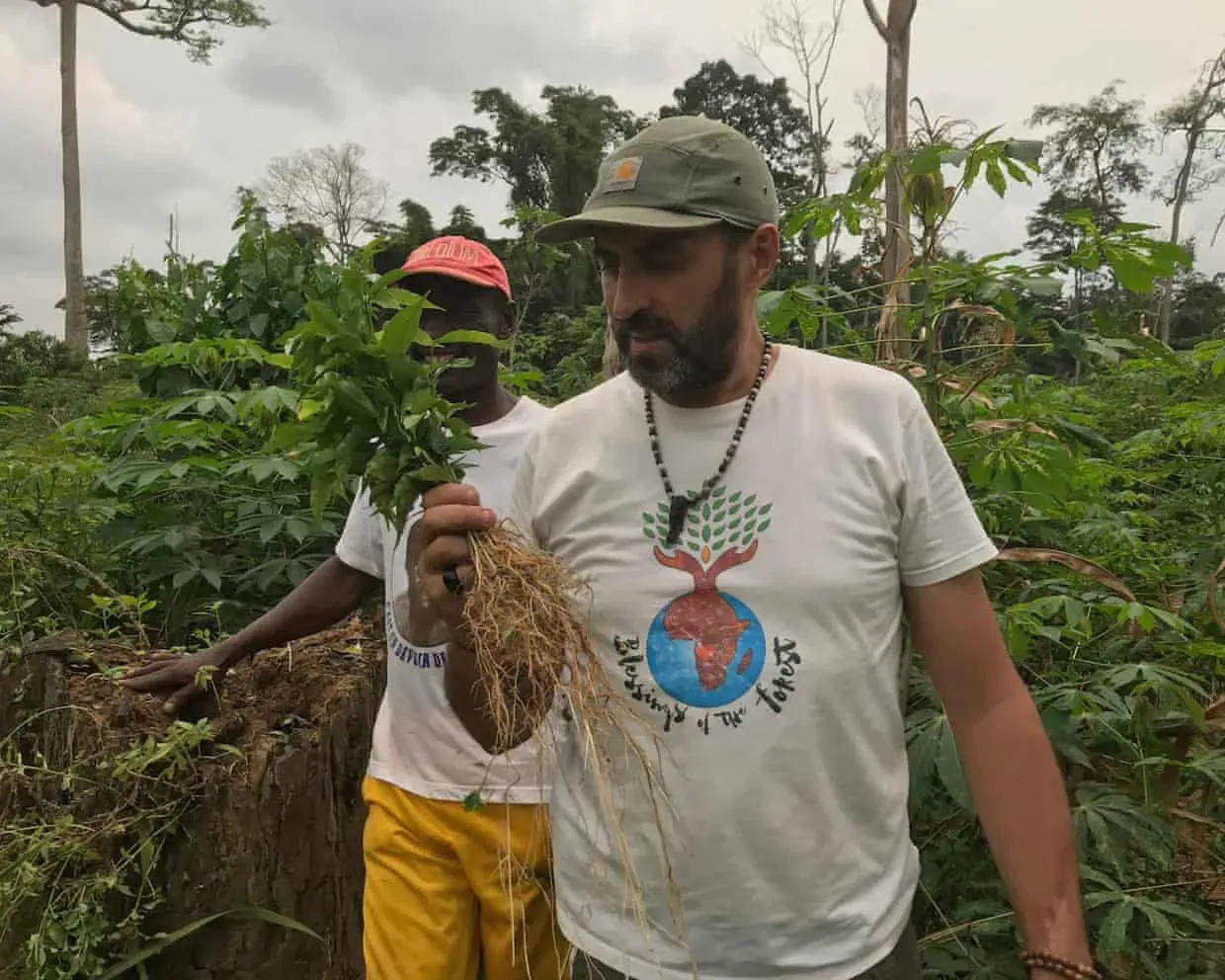
In Misoko, Obolo says, knowledge of iboga is received “from generation to generation”, and accumulated “time after time”. A 2012 report by Yann Guignon, an intercultural and sustainable development consultant and president of the NGO Blessings of the Forest, records practitioners describing wild iboga as something that must be considered in relation to the whole forest, including by following animals that eat the fruit.
This stands in contrast to the interest now being taken by pharmaceutical companies. Ibogaine has a fast-developing reputation in addiction treatment, with early observational studies reporting sharp reductions in opioid withdrawal and craving after a single treatment.
In a study published in 2024, 30 male US special operations veterans, most of whom were diagnosed with mild traumatic brain injury, received ibogaine combined with magnesium. A month later, average PTSD, depression and anxiety scores had fallen by at least 81%, while disability scores moved from mild-to-moderate impairment into the “no disability” range. The study was small, uncontrolled and included complementary therapies, meaning it could not establish efficacy. Its authors have called for further controlled trials.
The former Texas governor Rick Perry has become one of ibogaine’s most visible political champions. Texas has granted $50m (£38m) for a multicentre trial, and on 18 April, the US president, Donald Trump, signed an executive order specifically naming “ibogaine compounds” and directing federal agencies to create a treatment pathway for eligible patients. A therapeutic economy already exists elsewhere: Beond, a clinic in Cancún, lists programmes costing from $13,500 to $19,500.
Beyond the last paved streets in Libreville, Gabon’s capital, up a rutted hill and behind a concrete compound, stands the temple of Madame Djédjé Stéphanie Djoungounda, known as Maman Djédjé. The temple’s entrance is guarded by a painted mermaid.
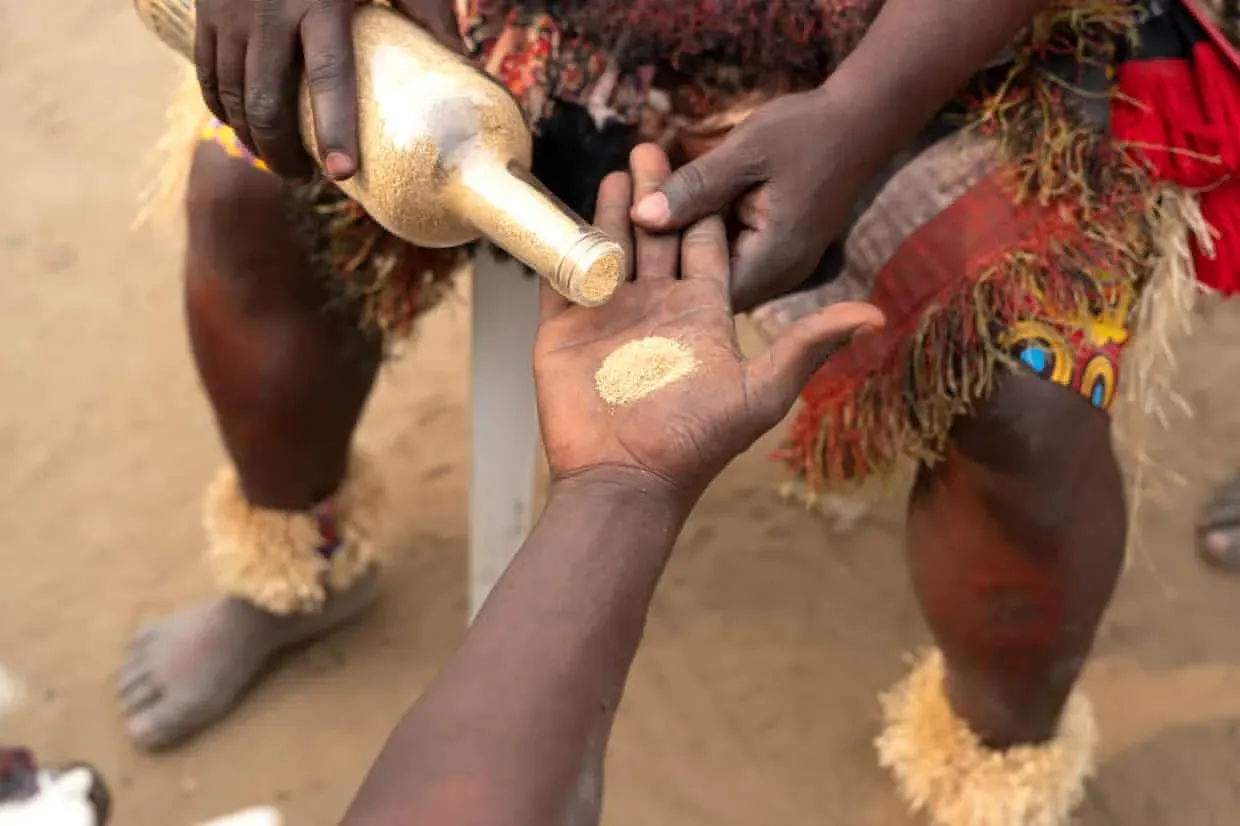
Djédjé specialises in Mbomba Ossoundo, a branch of the Mbomayano, which she describes as concerned with rebirth and restoration. It involves a plant she calls ikasô alongside small amounts of iboga administered during vigils.
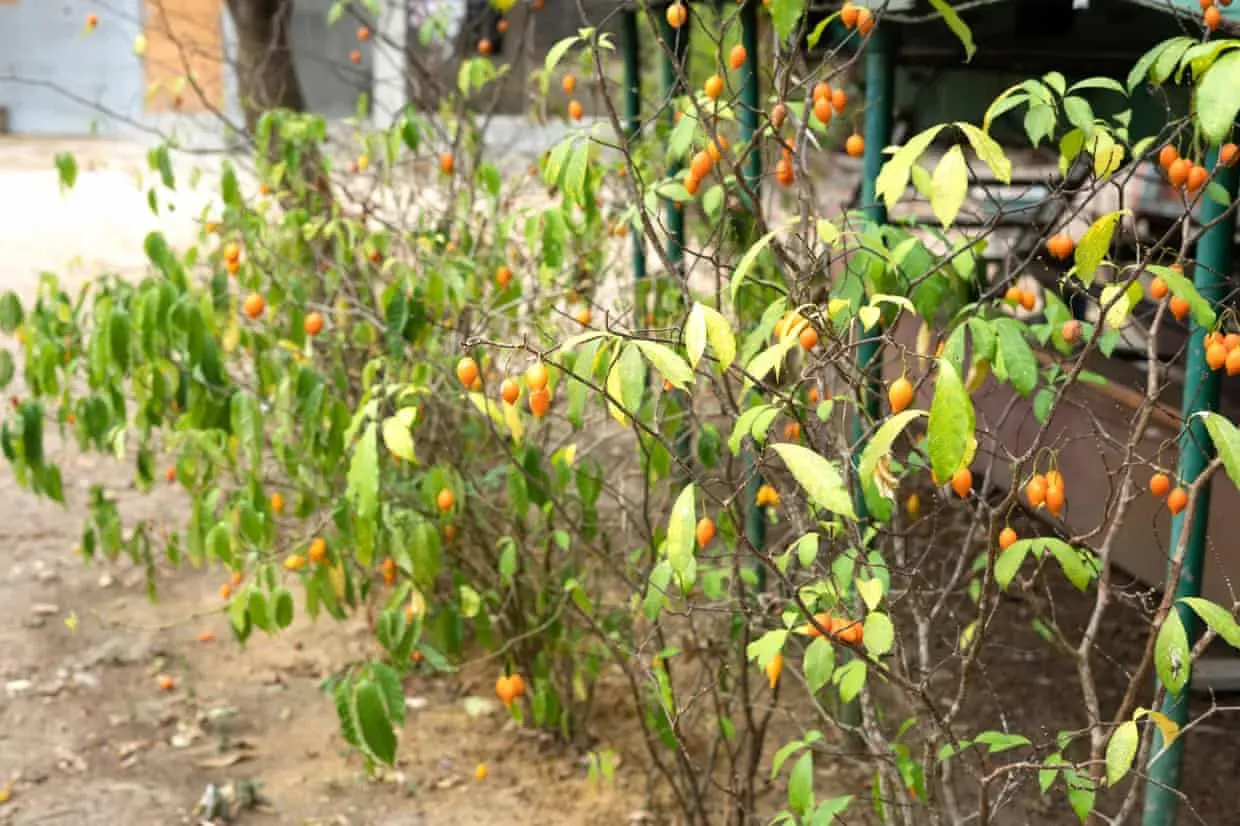
“We don’t heal only with ibogaine,” she says, standing among the iboga plants growing at her temple. “We heal with the whole iboga: the flower, the leaf, the bark, the trunk, the roots.”
Not every dose of ibogaine abroad comes from Gabonese iboga. The molecule can be made semi-synthetically from voacangine, found in the related African tree Voacanga africana. But the iboga root bark is particularly in demand for ceremonial use, and for the manufacture of extracts containing several of its alkaloids.
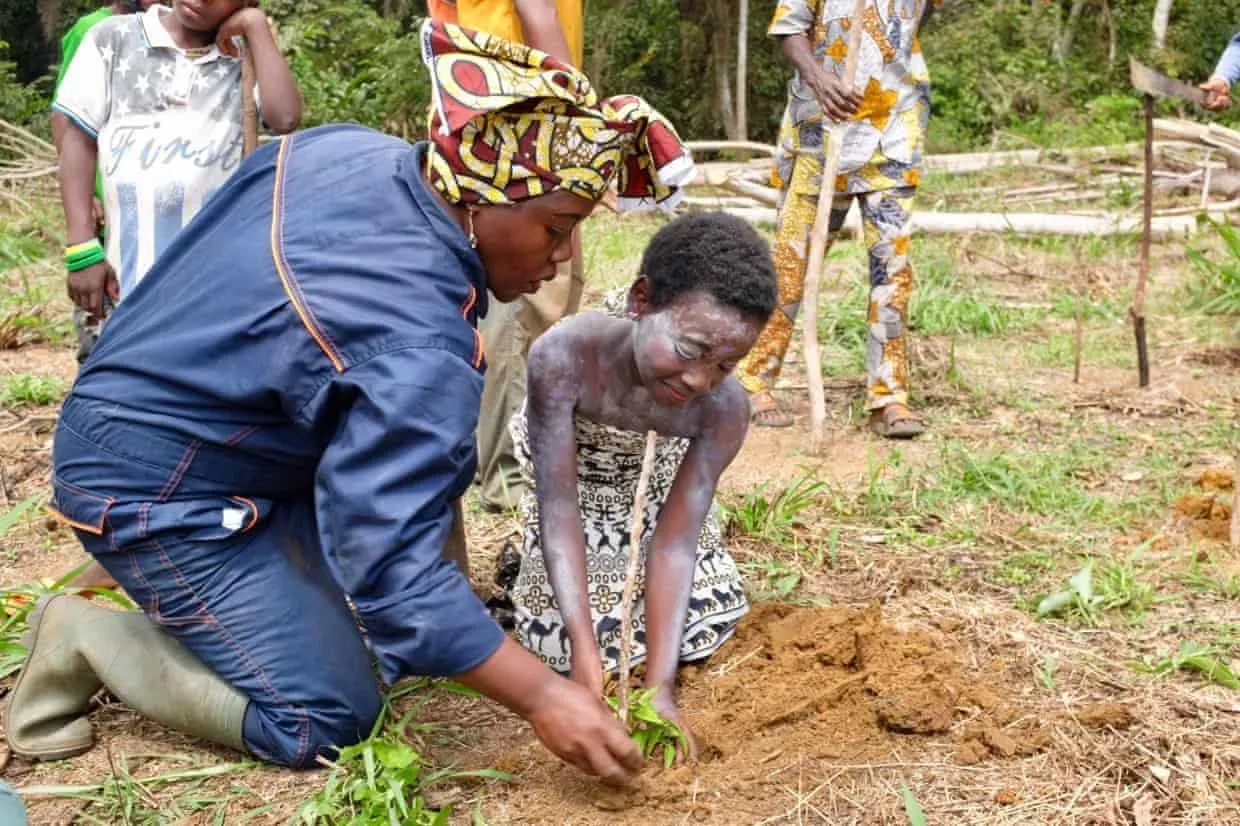
Even before the US announced its interest, demand had already begun to pose an ecological problem. Small amounts of root bark can be removed without uprooting the shrub, according to Guignon’s report. But commercial extraction can incentivise something faster: taking the entire root system, which yields more bark at once but kills the shrub. The report documents collectors doing exactly that – without replanting. Recognising the danger, Guignon’s organisation has worked with communities on iboga cultivation and conservation since 2015.
For a species now discussed as pharmaceutical feedstock, the ecological ledger on iboga is startlingly thin. Lee White, who led Gabon’s national parks agency before serving as environment minister, calls wild iboga “rare and poorly studied”. His parks law-enforcement teams found evidence of severe local over-harvesting between Libreville and Cocobeach, as well as recurring problems around Mayumba and Lambaréné. White says he tried to initiate a study of iboga’s distribution and genetic variation, but was unable to secure financial backing for it.
When asked why medicinal plant research in central Africa draws so little funding, Djédjé answers bluntly. “There isn’t any,” she says, suggesting that finance flows to higher-profile areas such as the Amazon. What did arrive, she says, were students sent from institutions to extract her remedies and “take the money themselves”. Eventually, she says, she stopped sharing with researchers.
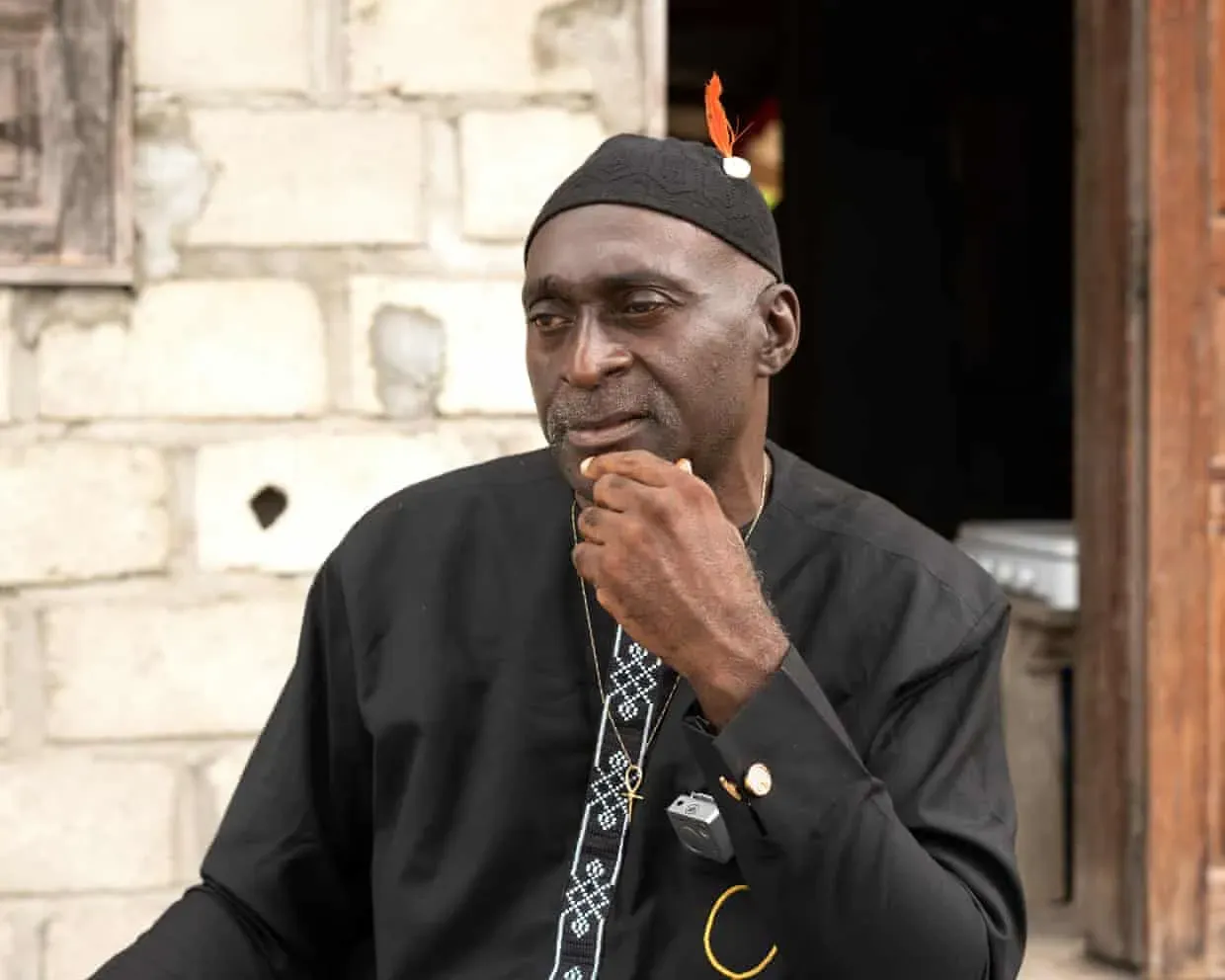
To Master Mulema, an initiator and scholar in the traditions of the Fang people, the plant’s vulnerability is clear. “Iboga can disappear,” he says. If it is to help humanity, “it must be surrounded by regulation”.
From a Gabonese perspective, the story of iboga is potentially a familiar and depressing one: export the raw material and watch the high-value part of the supply chain form elsewhere, while the plant itself is pushed to the brink.
In May this year, a government decree attempted to challenge that sense of fait accompli, recognising traditional knowledge associated with iboga as national heritage and requiring benefit-sharing in return for commercial use. Patent applications tied to iboga now must disclose the origin of the product concerned, and the decree also creates an iboga sovereign fund, financed in part by royalties and benefit-sharing agreements.
On 18 September, Gabon’s council of ministers went even further, adopting a draft decree prohibiting the export of iboga and every derivative, in any form. The government says the measure is intended to protect the plant and the cultural knowledge attached to it.
An export ban does not answer the question of who has the right to decide what happens next. There is no central Bwiti church to ask for official sanction. Tah Mombo, a Bwété Dissumba practitioner involved in efforts to marshall viewpoints from the many different traditions, explains the importance of Indigenous voices in the debate around the plant’s future: “We speak about our things, from our home, for us and by us.”
Iboga is not the first plant medicine to become a global industry. Ayahuasca moved from Amazonian traditions into a worldwide retreat economy, followed by disputes over Indigenous authority, commercialisation and who should benefit. Gabon is hoping to avoid this by setting terms while the international ibogaine market is still being built.
Ultimately, Obolo’s insistence that Bwiti, not iboga, is the key issue is a refocusing of the usual debate around natural resources. Ibogaine can be isolated and measured in milligrams, but the harder thing to protect is the culture that made the plant meaningful before anyone wanted the molecule.
As world leaders prepare to travel to Armenia for Cop17, where the debate over biodiversity funding and benefit sharing will be central to negotiations, other countries with bioresources both known and as-yet-undiscovered will be watching with interest.