Story
 March 17, 2026
Mezcal Producers in Oaxaca Pose for Photos While Reflecting on Economic Impacts of the Drink
Country:

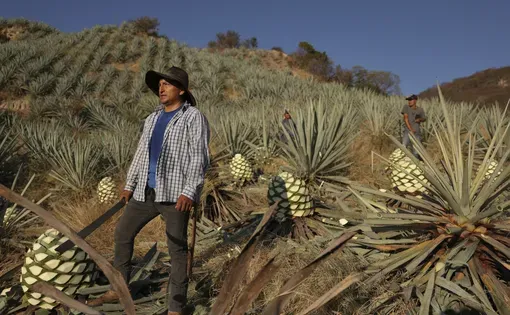
Mezcal production is driving deforestation and expanding monoculture farming.
SOLEDAD SALINAS, Mexico — In the Central Valleys of Oaxaca, Mexico, Indigenous mezcal producers are watching a spirit once dismissed as the drink of the poor move far beyond their communities.
A global boom has brought new income to rural areas, but it has also pushed production toward an industrial scale, increasing pressure on forests, water and traditional methods.
Over the past decade, demand for mezcal has rapidly surged as international brands promoted its artisanal image. Production has gone from 1 million liters (260,000 gallons) in 2010 to more than 11 million (2.9 million gallons) in 2024, driven largely by demand from the United States, its largest overseas market.

As a nonprofit journalism organization, we depend on your support to fund more than 170 reporting projects every year on critical global and local issues. Donate any amount today to become a Pulitzer Center Champion and receive exclusive benefits!
Mezcal comes from the agave plant, also known as maguey in Mexico. The most commonly used species for commercial mezcal is agave espadin due to its relatively fast maturation of about six years, though more premium bottles are made from harder-to-find wild varieties such as cuish and tobala.
Much of the mezcal now leaves Oaxaca, which produces about 90% of Mexico’s total, to be poured in bars from New York to Tokyo.
Seven people who work in the mezcal industry recently spoke about what the spirit’s rapid transformation has meant for their lives, communities and land.
Armando Martínez Ruiz, 52, producer
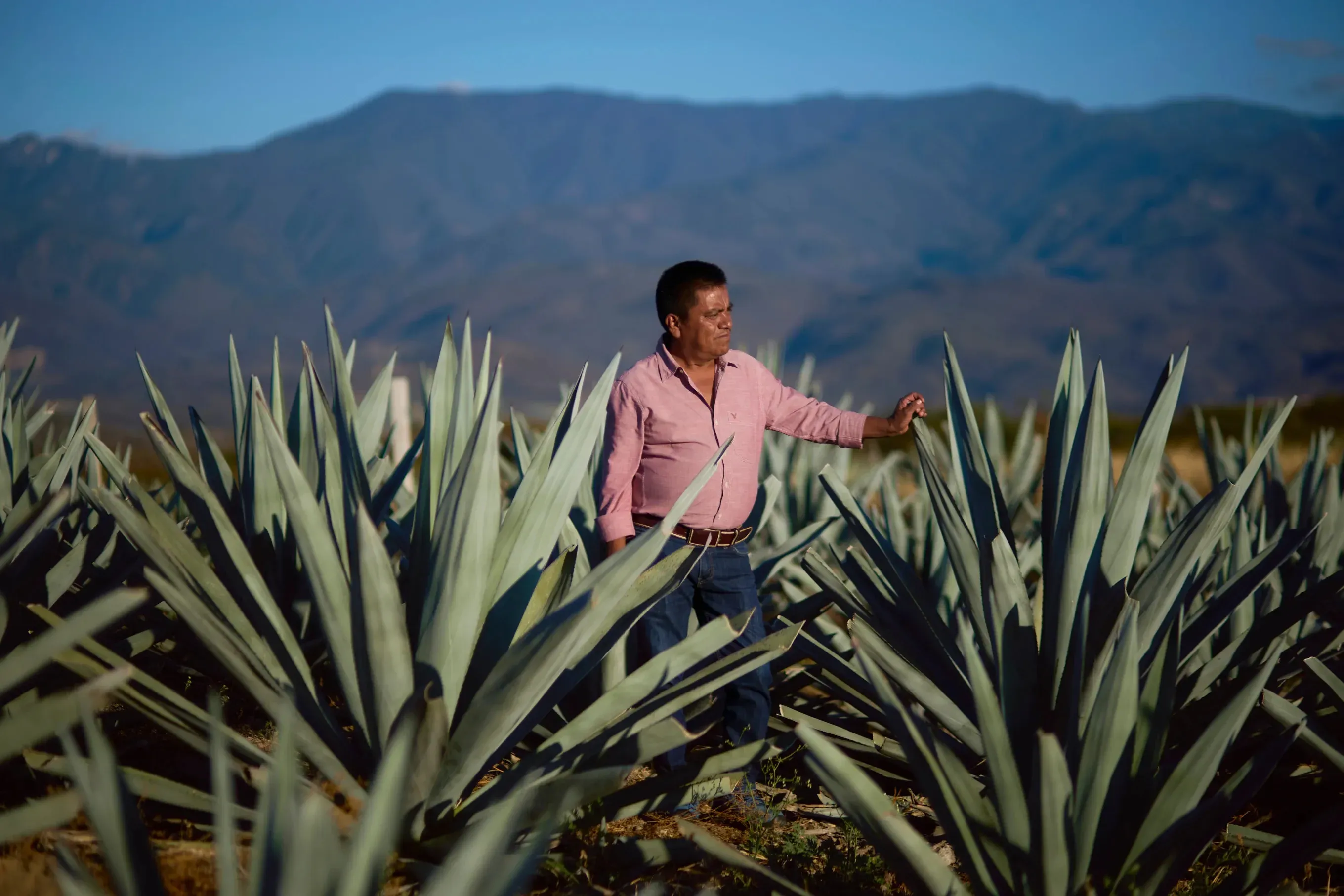
“In my case, I have had a brand for six years, but it is very difficult to export it, to have a distributor. That is why the big brands come and, basically, they undercut us very easily, because they already have the entire market.”
Luis Cruz Ruiz, 62, producer
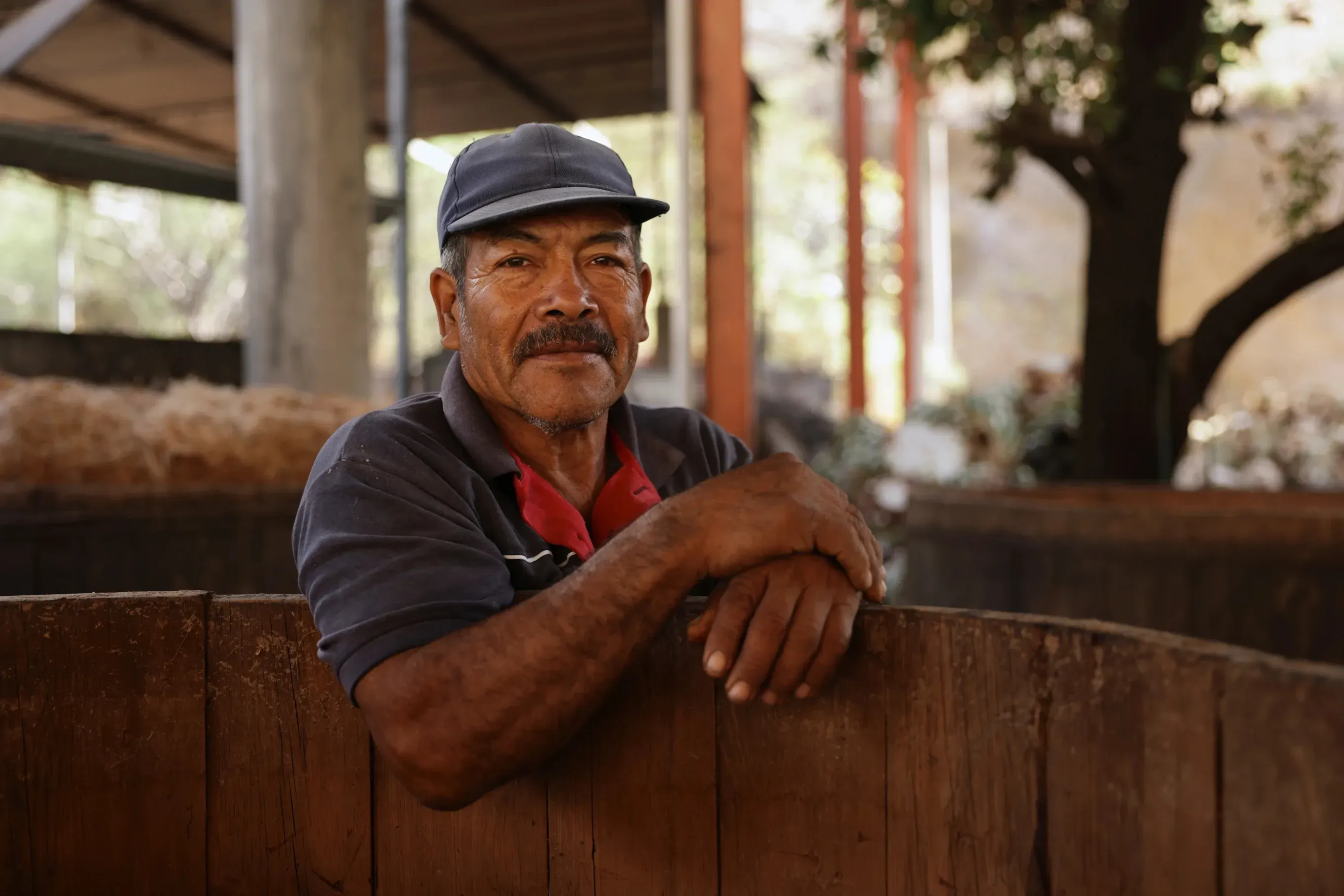
“Before, people in this town lived in houses with thatched roofs. Then we were able to build with sheet metal, and now they are made of cement. We survived because of the maguey. My children could go to university because of the maguey.”
Félix San German, 58, agave farmer
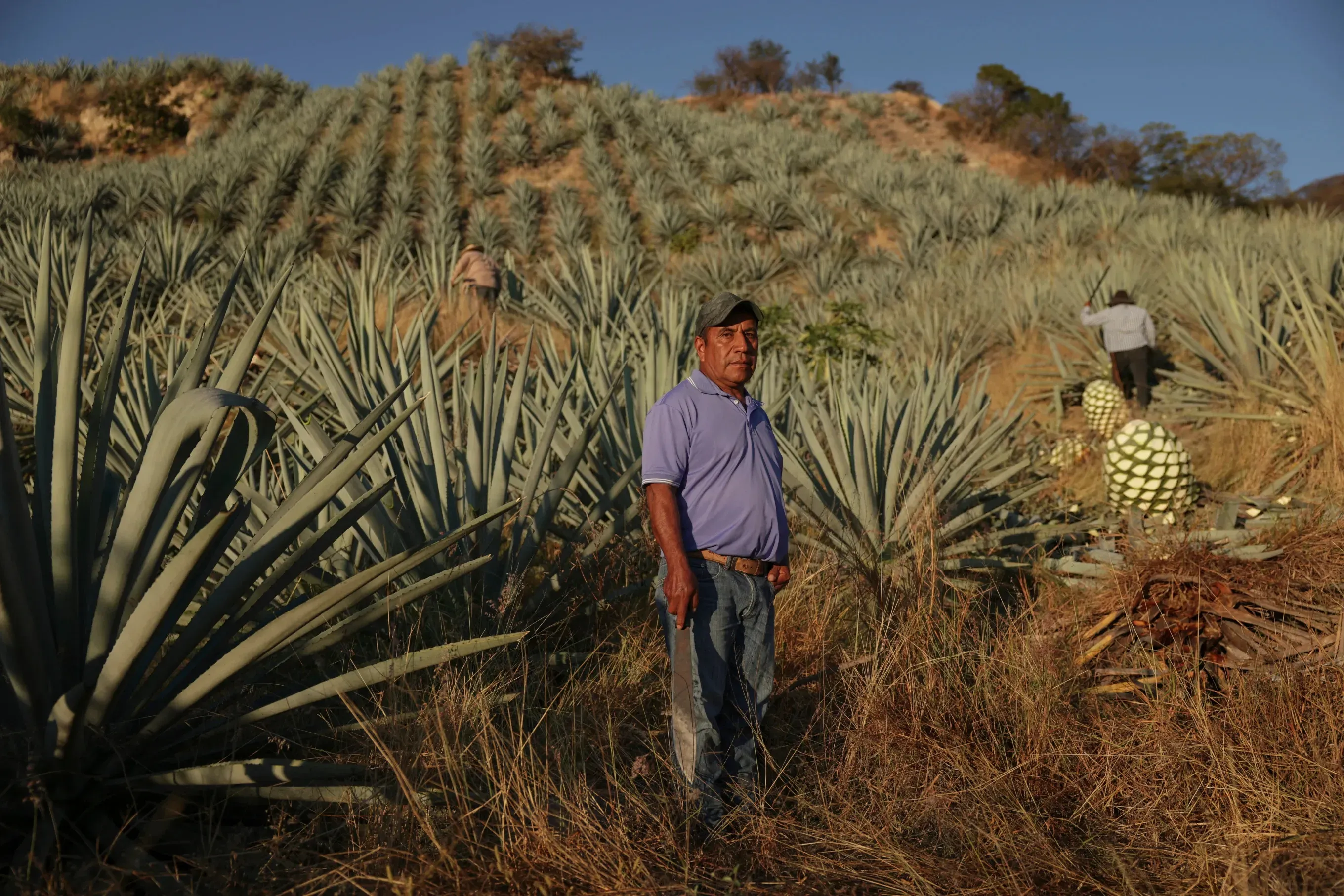
“There was a time when we sold a lot of maguey pineapples to Jalisco. They came here and bought entire truckloads. Now they have not come for some time, but we sell to big brands which can ask for 50 tons of pineapple a week.”
Félix Monterrosa Hernández, 37, producer
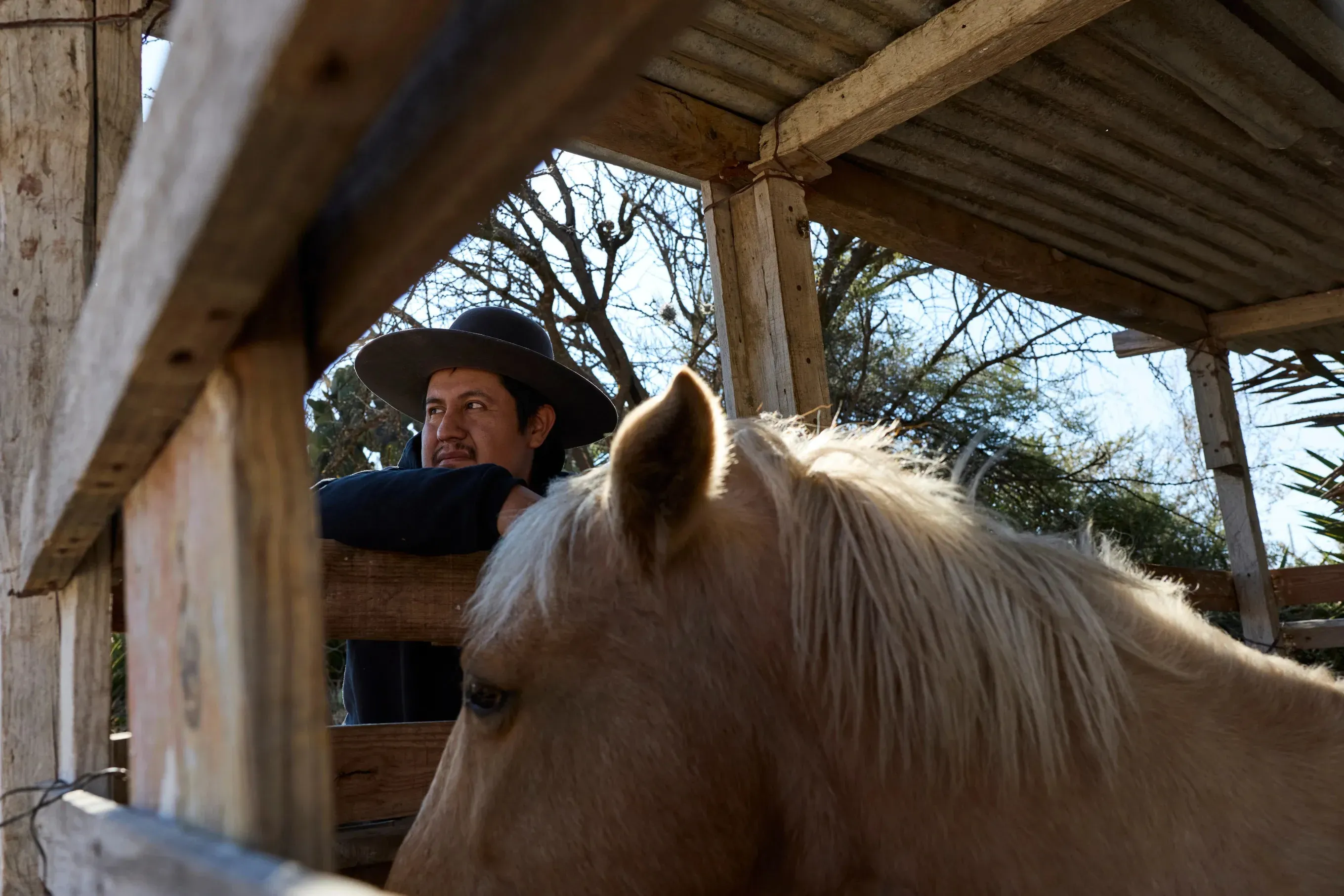
“Mezcal is not a business for us, but a means of survival. So many years of planting maguey, of caring for it and cultivating it, to sell one liter for 150 pesos ($8), is no business.”
Luis Cruz Velasco, 32, producer
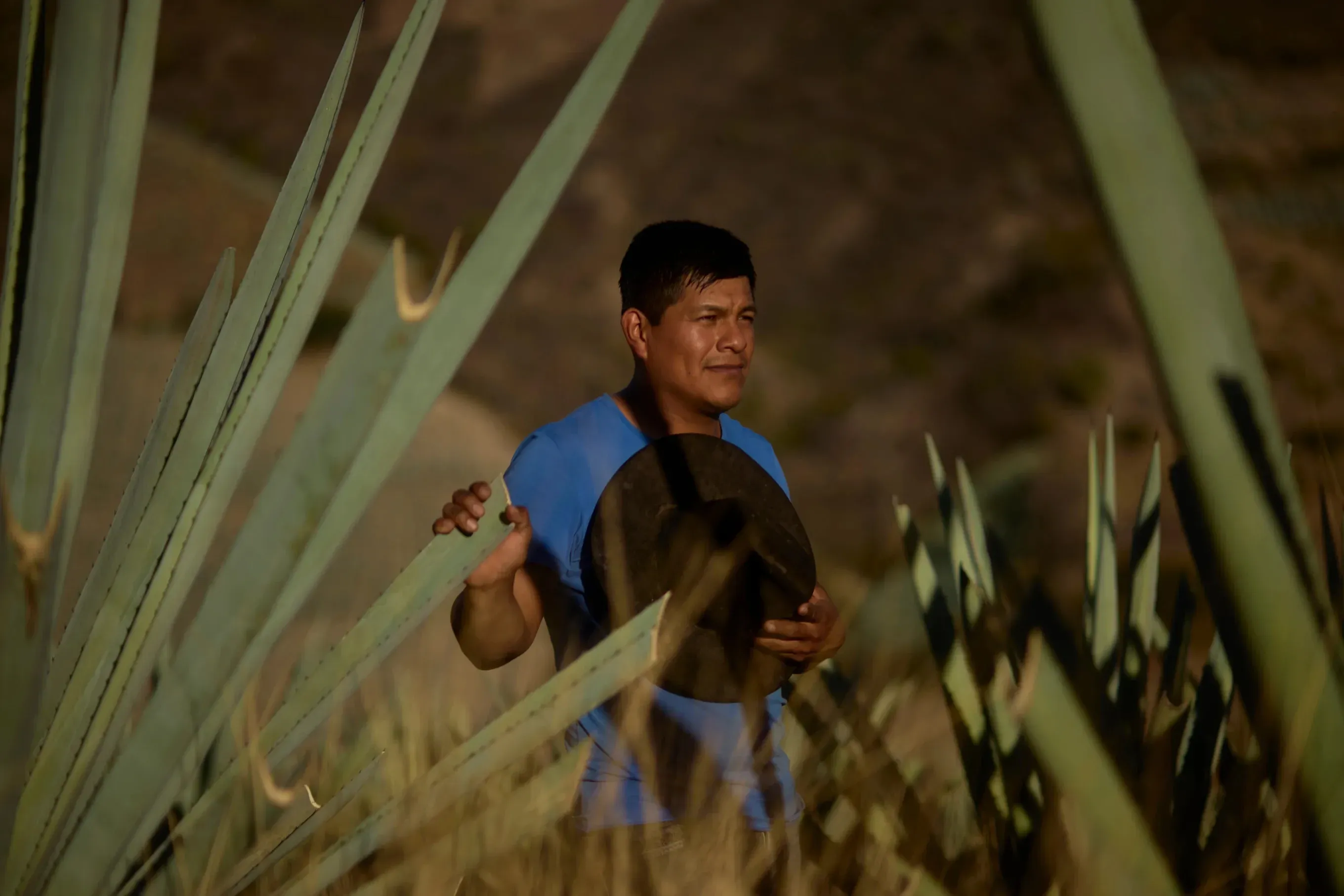
“There are people who criticize us for what we do that affects the forest, and yes, we know it has an impact, but we have to look for a livelihood and food. If the government gave us more support after all the taxes we pay, we would not have to rely only on maguey.”
Gladys Sánchez Garnica, 33, producer
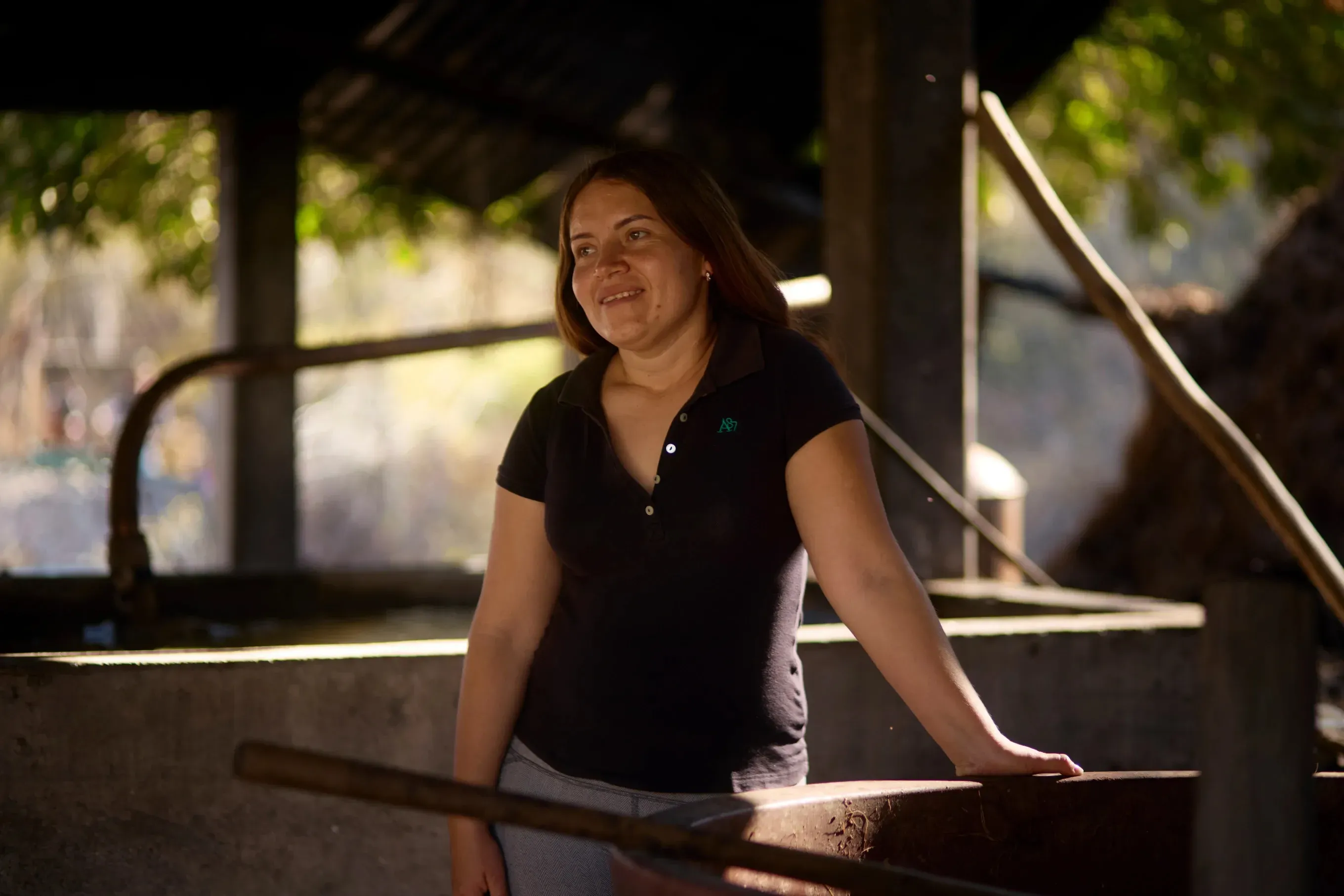
“From one day to the next, entire mountains were cut down to plant espadin. Here in our community that does not happen because we have a protected area that we are working on.”
Edgardo Martinez Santiago, 40, daily worker
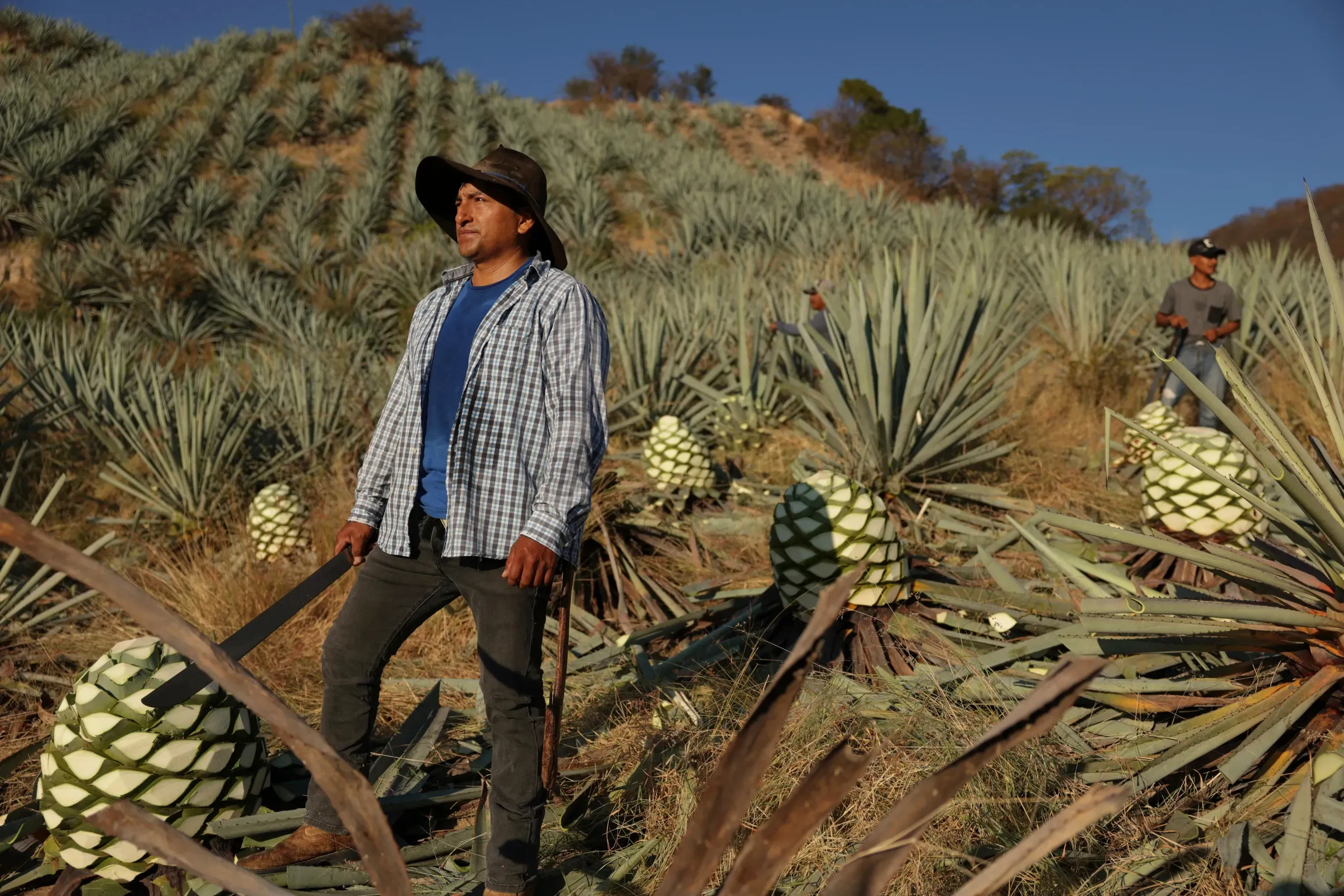
“I’ve been working on maguey for five years now. We will cut eight tons today, but sometimes we do 20. Most of us live off it, and it benefits the entire town because we have more economic stability than when I was a kid.”
Reporting for this story was supported by the Pulitzer Center. The Associated Press’ climate and environmental coverage receives financial support from multiple private foundations. AP is solely responsible for all content. Find AP’s standards for working with philanthropies, a list of supporters and funded coverage areas at AP.org.