Story
 September 26, 2026
The Man Who Taught Fishermen How To Catch Octopus (Arabic)
Country:

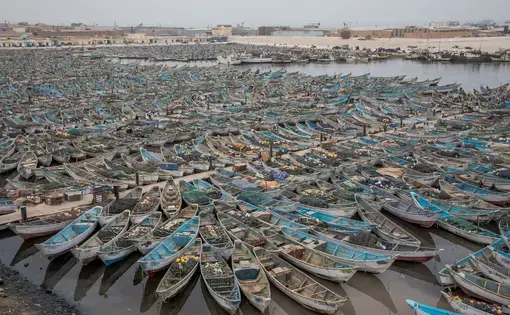
In Nouadhibou, Mauritania, over 7,000 boats are fishing for 350 millions dollars of octopus...


This video report below was originally in Arabic and released by Alakhbar. The key points of this report are presented in English below, followed by the original version of this report. For a full English version of this report, please click on the “Translate page with Google” button on the upper right-hand side.
Key Points
- In 1977, the Japan International Cooperation Agency (JICA) sent Japanese fisheries expert Masaki Nakamura to Mauritania—a country where octopus was not part of the local diet, and where no large-scale industry existed around it at the time. However, a chance observation changed the course of the story.
- Nakamura discovered an octopus hiding inside a car tire submerged in the water. He saw the potential for a simple, locally applicable fishing method. He began by teaching a small group of fishermen a traditional Japanese technique involving pots lowered to the seabed; octopuses would enter them seeking shelter, and the pots would then be hauled to the surface.
- Over the decades, this initiative evolved into a vast economic sector—encompassing fishermen, cooperatives, processing, refrigeration, transport, and export—and Mauritania became a key supplier of octopus to the Japanese market.
- Today, however, octopus fishing in Mauritania is raising growing concerns regarding sustainability. Recent studies indicate a decline in production in recent years, as well as the impact of increased fishing effort and overcapacity on the stock.
- This episode of Al-Fakhama (Luxury), وكالة الأخبار المستقلة (Independent News Agency) takes us through the story of "The Japanese Gentleman."

As a nonprofit journalism organization, we depend on your support to fund more than 170 reporting projects every year on critical global and local issues. Donate any amount today to become a Pulitzer Center Champion and receive exclusive benefits!
الرجل الذي علمنا اصطياد الأخطبوط
رجل من هيروشيما علّمنا اصطياد الأخطبوط
في عام 1977، أرسلت الوكالة اليابانية للتعاون الدولي JICA خبير مصايد الأسماك اليابانيماساكي ناكامورا إلى موريتانيا، حيث لم يكن الأخطبوط جزءا من الثقافة الغذائية المحلية، ولم تكن حوله صناعة واسعة كما هي الحال لاحقا.
لكن ملاحظة عابرة غيّرت مسار القصة.
وجد ناكامورا أخطبوطا مختبئا داخل إطار سيارة في الماء. وبما أنه يعرف طبيعة الأخطبوط وحبه للأماكن المغلقة، رأى في المشهد أساسا لطريقة صيد بسيطة يمكن تطبيقها محليا.
بدأ بعد ذلك بتعليم مجموعة صغيرة من الصيادين تقنية يابانية تقليدية تعتمد على أوانٍ تُنزل إلى قاع البحر، فيدخل إليها الأخطبوط بحثًا عن مأوى، ثم تُرفع إلى السطح. ومع مرور العقود، تطورت التجربة إلى قطاع اقتصادي واسع: صيادون، تعاونيات، معالجة، تبريد، نقل وتصدير، وأصبحت موريتانيا من الموردين المهمين للأخطبوط إلى السوق اليابانية.
اليوم، تثير مصايد الأخطبوط في موريتانيا مخاوف متزايدة بشأن الاستدامة. وتشير دراسات حديثة إلى تراجع في الإنتاج خلال السنوات الأخيرة، وإلى أثر زيادة جهد الصيد والطاقة الصيدية الزائدة على المخزون.
في هذه الحلقة من الفخامة يأخذنا المصطفى متالي عبر قصة السيد الياباني:
كيف وصل خبير ياباني إلى موريتانيا؟ كيف أقنع الصيادين بصيد كائن كانوا لا يرغبون فيه؟ كيف تحولت تقنية بسيطة إلى صناعة تصديرية كبيرة؟ وماذا حدث للمخزون بعد عقود من التوسع؟