

The tradition faces an uncertain future.
MADISON, Wis. — Jeff Oloizia grew up in Wisconsin, and when he came back six years ago, he started to think about some of the traditions from his childhood.
'The Fish Fry Paradox: How a Wisconsin Tradition is Changing" is his way of coming to terms with a beloved family memory.
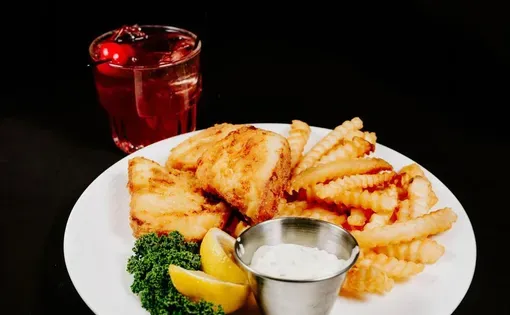
Oloizia would spend Friday nights with his parents, grandparents, aunts and uncles, at fish fries.

As a nonprofit journalism organization, we depend on your support to fund more than 170 reporting projects every year on critical global and local issues. Donate any amount today to become a Pulitzer Center Champion and receive exclusive benefits!
When he moved back to his home state, he realized things weren't what they used to be.
"I just noticed over the last couple of years that things had been changing" said Oloizia.
First of all, the fish fries themself had become more expensive, but that wasn't the only thing that was different.
"I also noticed that portion sizes were changing. The fish that were available to me were changing" said Oloizia.


Typically, Oloizia doesn't write about science or the environment, but he does like to contextualize big issues and how they can impact people day to day.
He learned that more than half of Wisconsin residents say that they attend a fish fry once every month.
That led to his pursuit in thinking about how these beloved Wisconsin traditions are affected by environmental issues.
"We can't really manage our way out of climate issues. Like climate change is here, whether we like it or not." Oloizia said.
So how is climate change affecting the favorite Friday food?
"A lot of these changes have been already decades in the making... climate change is affecting fish fry in a pretty negative way as waters warm, which continues to happen at a faster rate, that causes all kinds of environmental disruptions. Spawning patterns change as fish start to die off" said Oloizia.
When asked what was the most interesting thing he learned:
"I set out to report this story thinking that this is something that's coming for us or that it's, it's maybe starting to happen and people aren't really aware. in actuality this is something that's already been happening" Oloizia said.
Oloizia says that fish fries aren't going anywhere, but they might continue to look a little different.