
With the rush for minerals conducive to the energy transition, the vital prognosis for community...
Community forests in the Democratic Republic of Congo (DRC) were meant to spark a green revolution, securing land, empowering local populations, and turning the forest into an economic engine.
Multilateral donors injected massive pots of money into the initiative. Eight years on, the reality is stark: abandoned by some donors and weakened by poor governance, many projects have collapsed while deforestation continues. Yet where communities take matters into their own hands: through seed sales, nurseries, and agroforestry, the forest becomes not a burden, but an opportunity for income, resilience, and even foreign investment.
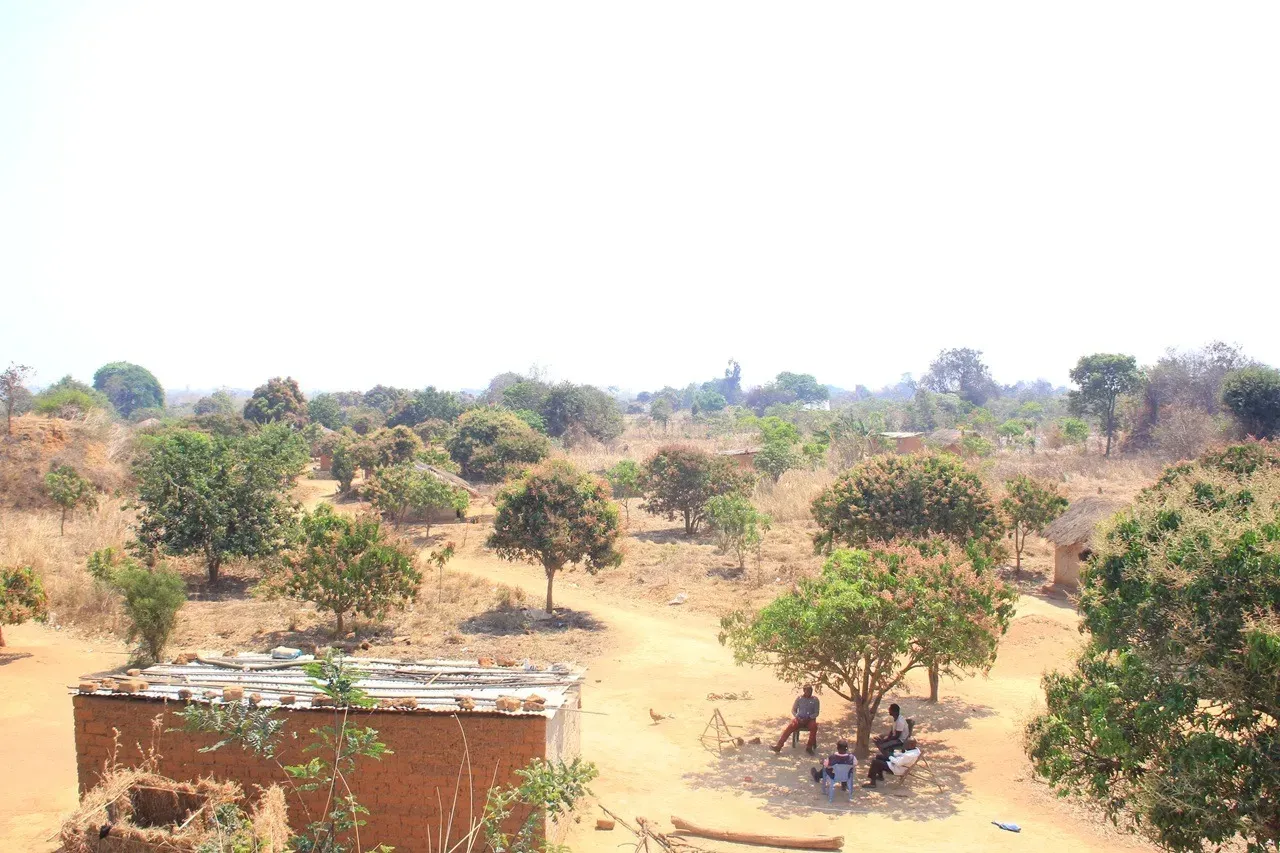
Over three years ago, residents of Mwase, near the city of Lubumbashi in southeastern DRC, celebrated when their provincial governor granted the community almost 10,000 hectares of their local forest for self-management.
Supported by the UN’s Food and Agriculture Organisation (FAO), the community, located in the mineral-rich Haut-Katanga province, established a leadership committee to oversee sustainable income-generating activities on the land. The work started off with gusto, as the committee gazetted a field for communal farming, planning that its proceeds would go toward acquiring key community assets like a motorcycle to transport sick people to health facilities. Other areas of the forest were set aside for conservation.
But since the FAO grant ended in June 2023, nothing has been done to maintain the community forest or its activities, said Lubinda Mathieu, the committee’s secretary. He said the FAO never came to visit after the project ended, so residents felt the activities were limited only to the project’s duration. Later, he said the former committee president embezzled communal funds, cementing residents’ distrust.

As a nonprofit journalism organization, we depend on your support to fund more than 170 reporting projects every year on critical global and local issues. Donate any amount today to become a Pulitzer Center Champion and receive exclusive benefits!
“This is how the members of the CFCL (Local Community Forest Concessions) became discouraged, and now no one shows up when it comes to our CFCL activities,” the 26-year Mwase resident said.
Mwase’s story illustrates the feeling of abandonment that runs through many community-managed forest concessions in Haut-Katanga province, southeastern DRC, where some international funders have not kept their initial promises of ongoing support and financial assistance, leaving communities incapacitated and demotivated.
In 2014 and 2016, DRC passed landmark laws giving rights to local communities to manage areas of their local forests. This initiative was not intended merely as an environmental project, but as an instrument for land justice, local development, and forest protection. In the DRC, the vast Congo basin rainforest is both a global ecological heritage and a source of survival for millions of people.
From February 2017 to June 2025, local governors across 17 provinces allocated about four percent of the DRC’s forest area to local communities under this management scheme. As of March, 236 forest concessions were granted, encompassing 5.8 million hectares, and another 91 concessions were still under review.
This work was facilitated by 45 local non-governmental organisations funded by international donors – a process that illustrates the initiative’s central paradox. While the Congolese state presents community forests as a tool for local governance and social justice, it has not established any structured national budgetary mechanism to support their creation or management. The community forests, therefore, rely almost entirely on outside funding, leaving them vulnerable to the volatility of project cycles and international aid cuts.
In some cases, activities to support the communities in running income-generating projects ended when funded projects closed. In other cases, support was abruptly curtailed after the United States’ Trump administration dismantled the U.S. Agency for International Development last year.
In Haut-Katanga, out of 20 allocated forests, only six or seven manage to survive, according to visits InfoNile made to the forests in September.
The demotivation observed in Mwase is also evident in the community forests of Mwawa, Mushoshi and Mampa, which are south of Lubumbashi on the border with Zambia.
For Don-Bénit Muswa Nzambi, president of the Union of Community Forest Concessions of Haut-Katanga, responsibility for the failure lies with the NGOs that promised to support local communities, including BUCODED, FAO, APRONAPAKAT and PREMICONGO.
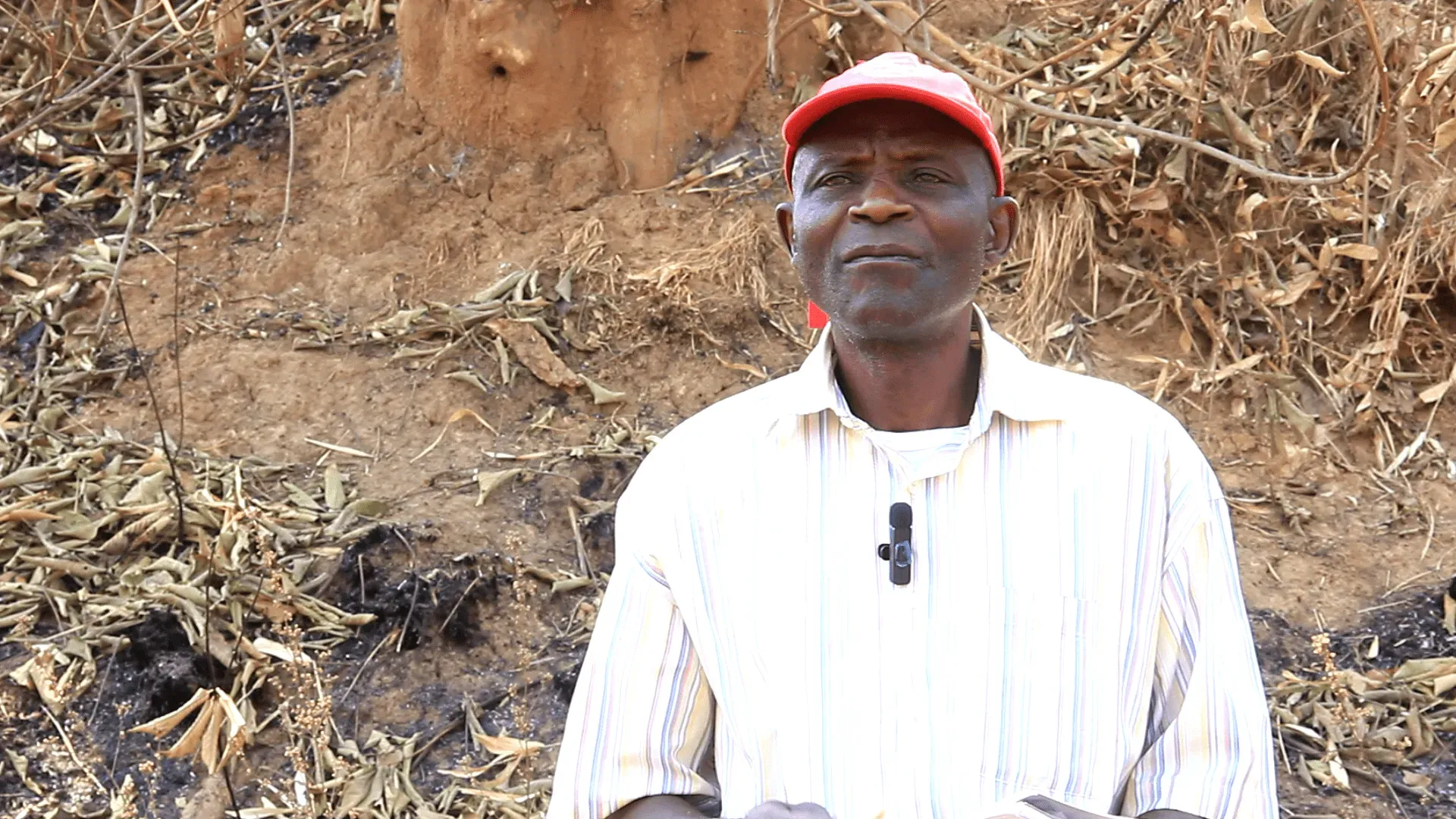
“The communities were left to fend for themselves. And yet, it was stipulated in the project to create the Community Forest Concessions that these communities would be supported until they became self-sufficient,” Nzambi said.
This union president said that in some communities, there are virtually no results from various training programs that funders supported, which helped communities develop a simple management plan (SMP). This plan, in the context of forestry, is a planning and analysis document that enables forest owners to sustainably manage their forest over a given period, integrating sustainable development activities such as agroforestry and agroecology.
“They received training, but to put this training into practice, it was planned that the Union of CFCLs, which I chair, would support them. It was also planned that our action plan would receive financial support. This did not happen. So, what more could the communities do?” asks Don-Béni.
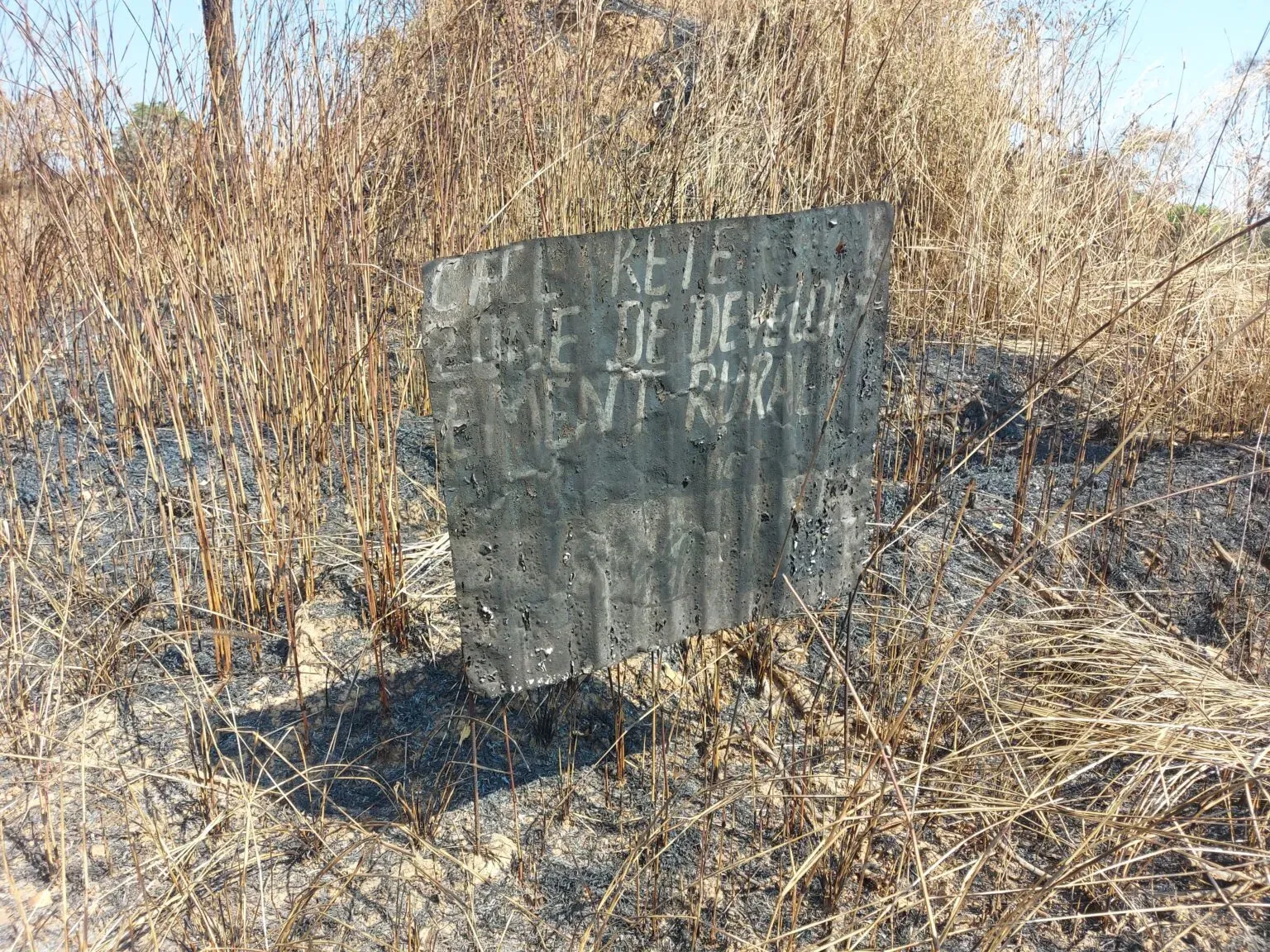
About 10 kilometres from Mwase, in the neighbouring forest concession of Kete Kaisala, Séraphin Kaisala, president of the management committee, lamented over his members’ nonparticipation. Initially, the committee had planned to establish new tree nurseries, maintain existing trees and carry out patrols in the community forest.
“When we invite members, since they don’t all live here in Kete, no one comes to the meetings,” he said. “They mention transportation issues. Perhaps if the organisations that helped us set it up visited us regularly, there would be more enthusiasm.”
Christian Buenda, from the NGO PremiCongo, acknowledged that the community forestry project in Haut-Katanga remains incomplete. According to him, the project – which PremiCongo helped launch – was closed in June 2023, when local communities still needed the support of NGOs. Since then, no activities have been continued.
“This is a real problem, because if you are allocated a community forest and it’s not possible to implement the simple community management plan, it’s a failure,” Buenda said.
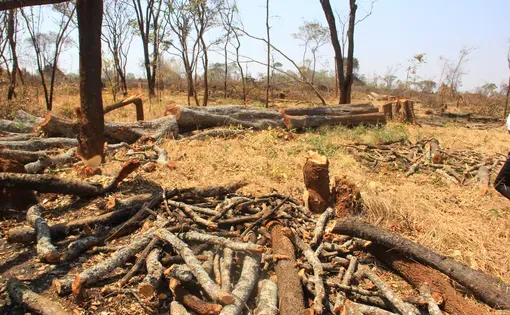
Meanwhile, he said, “The forest continues to deteriorate.” Before the community-managed forests defined specific zones for human activities, there was excessive logging and uncontrolled bushfires. The management plans helped regulate these pressures, and some areas saw increases in mushrooms, fruits, insects and even wild animals. But now, as the CFCLs have faltered, encroachment on the forests is rising again. In some areas, like Mwawa, animals are scarce.
Extraction is another rising threat. Haut-Katanga is known as the country’s mineral reservoir, where national and international companies are competing to mine the area’s rich deposits of copper, cobalt and lithium. When mining companies come in, deforestation often follows.
For Stephan Banza, coordinator of the environmental NGO APRONAPAKAT, the problem with local community forest concessions also lies in governance. Banza’s NGO helped the Mwase community establish its forest and come up with a plan for community fields, “but this process was blocked by the mismanagement of the leaders,” he said.
According to Banza, the committees should restructure their CFCLs by appointing new members. In some communities, including Mwase, some elected members are no longer alive, while others have left after stealing funds for personal gain, he said.
Registering community forests: A “long, costly” process
The process to establish a community forest is “long, costly, and heavily dependent on external assistance,” according to Isaac Mumbere, an expert in community forestry.
The principle of community forestry was initially enshrined in the 2002 Forest Code, which recognised the rights of local communities over the forests they traditionally occupy and exploit. This recognition was later clarified by regulatory texts, notably from 2014 onwards, with the introduction of the concept of “local community forest concession.” Here, the Congolese state established a legal framework allowing communities to officially request the allocation of up to 50,000 hectares of forest for collective and sustainable management.
Everything begins at the local level, according to Mumbere. A community must first organise itself, become informed, and collectively decide to request a community forest. It sets up a representative structure, often a local committee, responsible for submitting the request. “Without clear internal organisation, no procedure can succeed,” he said.
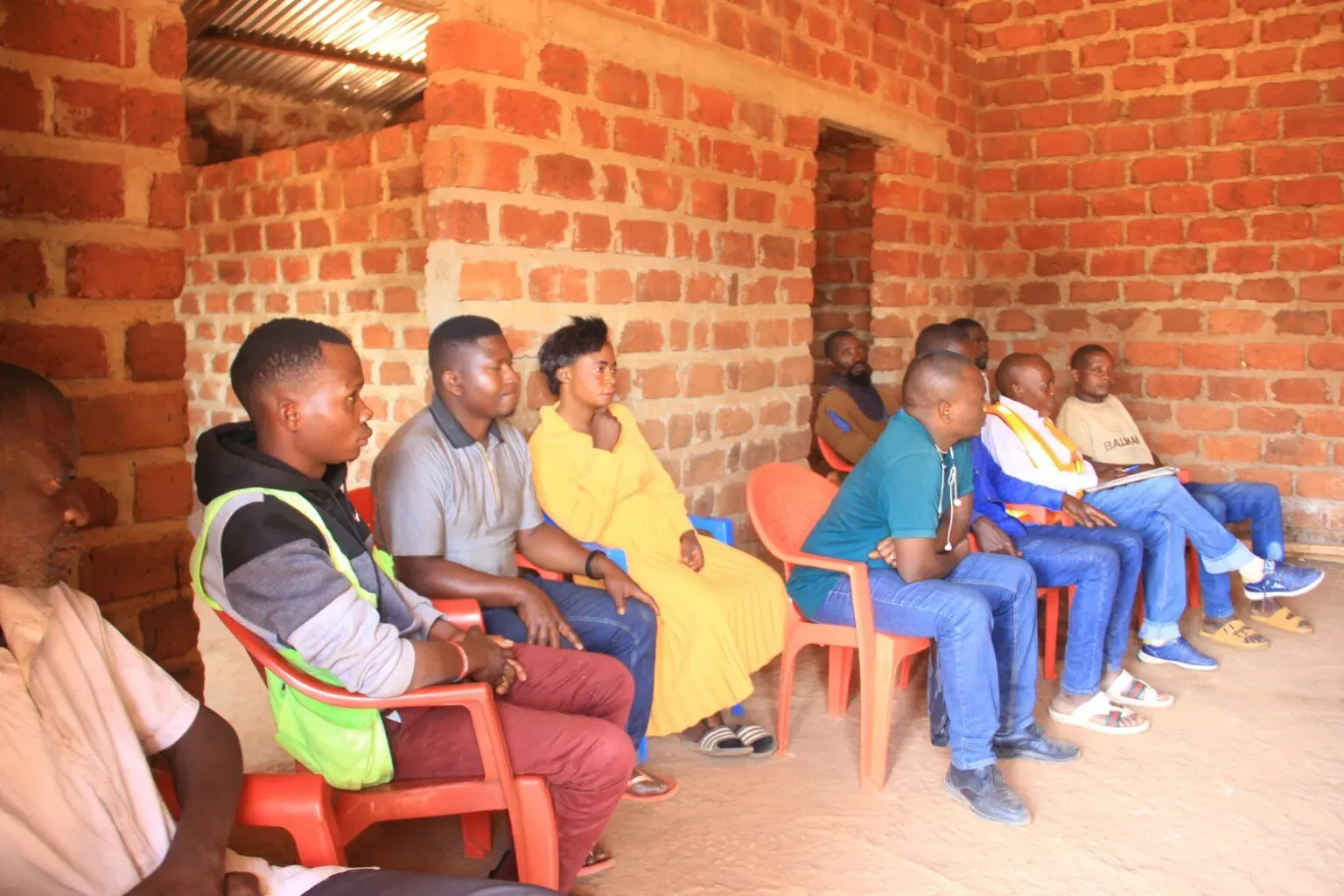
The next phase is the most technical: delimiting the forest. The community must precisely define the boundaries of the territory it claims, usually through participatory mapping. At this stage, external support becomes almost indispensable, as the costs, technical skills, and administrative requirements often exceed local capacities. National and international NGOs then step in to assist with mapping, preparing the application, and drafting the documents required by the administration.
Once the file is completed, the committee forwards the request to the provincial authorities through the provincial environmental service. At this stage, the state must verify the conformity of the file, ensure that there is no overlap with other titles – whether mining or forestry – and, if the outcome is favourable, officially grant the community forest concession by provincial decree. Legally, the forest then belongs to the community, which assumes its role as the official manager.
But obtaining the title is only the beginning, Mumbere said. The community must then develop and implement a forest management plan that specifies authorised uses, conservation zones, planned economic activities, and mechanisms of internal governance. Although the daily management of the forest and its resources falls, in principle, to the community through its governance bodies, technical partners often provide ongoing support. This includes strengthening local capacities in management, environmental monitoring, and accounting, providing material support, financing income-generating projects, and helping communities secure land and usage rights.
Multilateral donors have poured huge funds into the DRC forests since 2014
Over the past ten years, donor funding for forestry in the DRC – which hosts a large part of the Congo Basin – has grown, despite cuts to U.S. aid after the Trump administration slashed most foreign assistance from the world’s richest country last year. Yet the direct impact on the ground from these large pots of money remains negligible, lament members of local communities.
According to Don-Béni Muswa Nzambi, president of the Union of Community Forest Concessions of Haut-Katanga, most of the funds are consumed by NGO meetings, workshops, and other administrative formalities, instead of being directly allocated to the communities that are supposed to be the final beneficiaries.
“It was only when we thought the time had come for communities to become autonomous that we learned the project was ending. By then, we were already in the fourth or fifth year without any funding for our empowerment activities, as had been planned. I wasn’t even invited to the closing ceremony, though I am the president and representative of the communities that gave their forest. I forced my way into the ceremony, and that’s when I discovered the project was worth several million US dollars. Where did those millions go?” Don-Béni asked, unable to hide his astonishment.
International aid for forest conservation in the DRC, including supporting community forestry projects, between 2015 and 2025 was at least US$850 million, most contributed through large multilateral climate funds.
The first clearly identified financial support came in 2015, with the approval of about US$6 million under the Dedicated Grant Mechanism (DGM), funded by the multilateral Climate Investment Funds and implemented with the support of the World Bank. This mechanism aims to strengthen the capacity of local communities and Indigenous peoples to participate in forest management, REDD+ processes, and public policies related to forests.
At the same time, the DRC benefited from the Forest Investment Program (FIP), also supported by the Climate Investment Funds and the World Bank, which provided over US$60 million for forest investments that included participatory components. The FIP mainly paved the way for carbon payment mechanisms.
In 2018, the DRC also signed an agreement with the World Bank-hosted Forest Carbon Partnership Facility (FCPF), which, between 2018 and June 2025 resulted in a disbursement of US$9.47 million1 for effective reductions in deforestation, notably in the Mai-Ndombe province, with benefits for local communities.
A major political turning point came in November 2021, during COP26 – the U.N. climate conference in Glasgow, with the signing of a US$500 million five-year agreement between the DRC and the Central African Forest Initiative (CAFI). Supported by donor countries such as Norway, Germany, the United Kingdom, and the European Union, this commitment aims to protect the forests of the Congo Basin through governance reforms, land-use planning, and sustainable management models that integrate local communities. By 2023, CAFI had already announced more than US$121 million for several DRC projects.
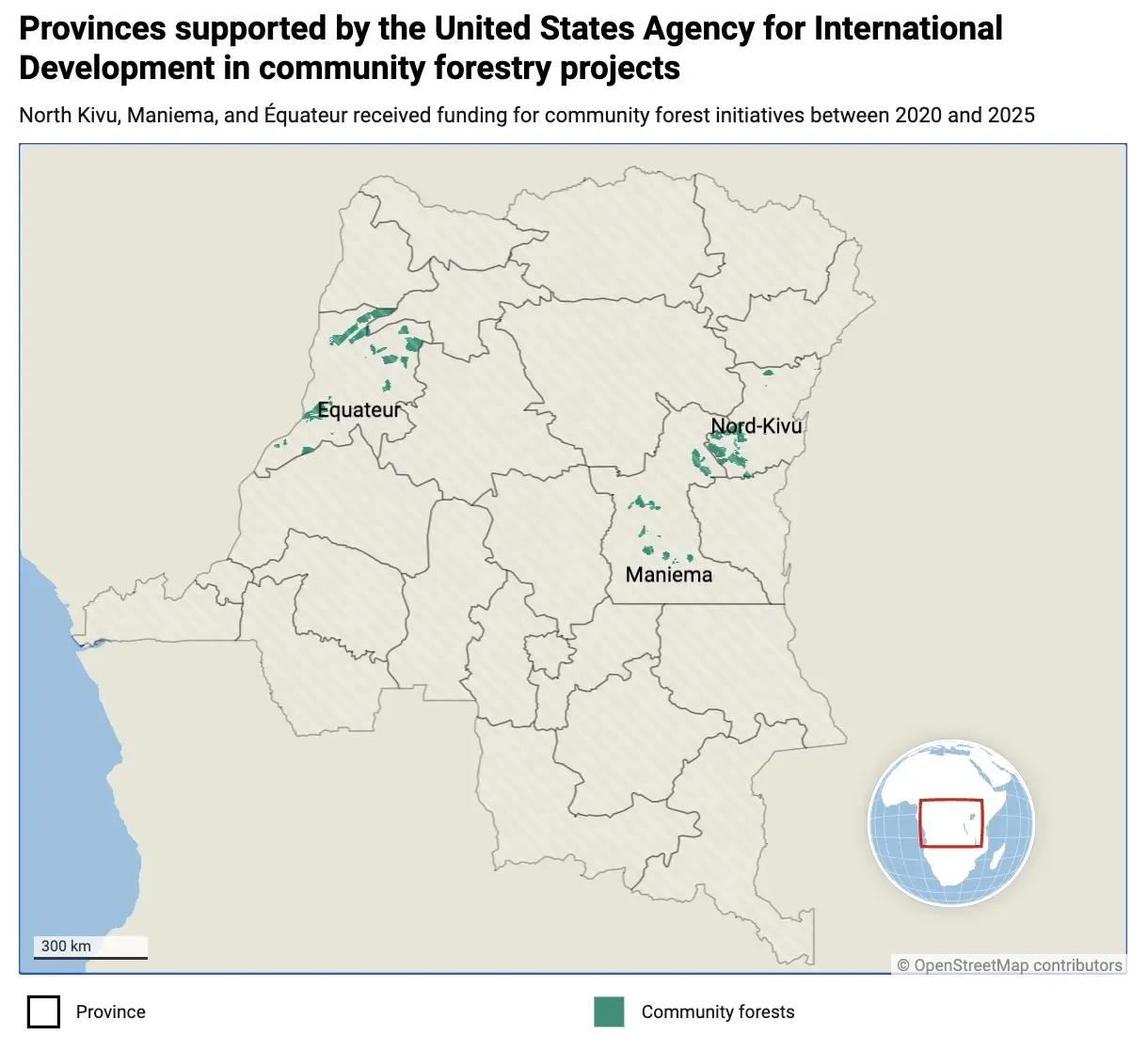
On top of these multilateral mechanisms was a smaller contribution from the United States, mainly through the now-shuttered U.S. Agency for International Development (USAID). In 2021, USAID committed $4 million to the five-year “Forests for the Future” project, implemented by the Rainforest Foundation UK, which was dedicated to local community forest concessions (CFCL) in the DRC. More broadly, the U.S. has for many years supported sustainable forest management in the Congo Basin through the regional Central Africa Regional Program for the Environment (CARPE), which has mobilised several hundred million dollars for forest conservation, institutional strengthening, zoning, and participatory approaches, with technical assistance from the U.S. Forest Service.
While USAID funds for community forestry made up less than one percent of the total funds we tracked for forest conservation in the DRC, it was one of only two projects specifically dedicated to community forests. After USAID closed, this project’s final six months of funding were initially frozen and later released by the Norwegian Agency for Development Cooperation, which took over the project.
Other, more targeted contributions come from the Global Environment Facility (GEF), the FAO, and international NGOs such as Rainforest Foundation Norway, which provide direct grants to communities to support local forest management.
Turning the forest into an opportunity
Despite the challenges, some communities have succeeded in protecting their forests and continuing to carry out activities that generate resources.
According to Stefan Banza and Professor Jonathan Ilunga, these communities didn’t start forest conservation with the arrival of donor-funded projects, but were already working together to protect their forest and their members through mutual associations. The arrival of community forestry, therefore, came as a boost to their existing initiatives. Also, these populations were already engaged in agriculture, so the agroforestry concepts introduced by NGOs enabled them to double their yields.
In the Mwawa community forest in Haut-Katanga province, Emmanuel Kayembe, a resident, recounts how the sale of seeds helped finance essential equipment.
“With a few members, we went into the bush to collect seeds for the regeneration of wild trees. We then sold them to the Faculty of Agronomy at the University of Lubumbashi. The money raised allowed us to equip our office with plastic chairs, a television, and a solar kit to charge the villagers’ phones, since we don’t have electricity,” he explains.
Their success didn’t stop there. The forest’s tree nurseries generated nearly $2,000 in 2024 through the sale of seedlings.
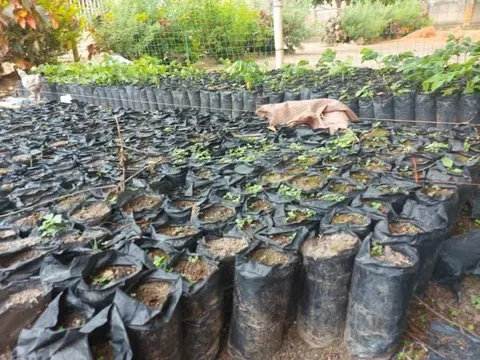
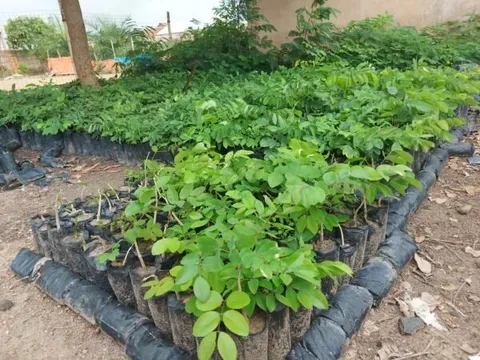
These are nurseries that grow indigenous tree species capable of regenerating, which are most often affected by timber harvesting and charcoal production in the Haut-Katanga province
Stéphane Banza, an agronomist, sees this dynamic as a real opportunity. He is cultivating a variety of tree species targeted for timber and charcoal.
“I buy the seeds from CFCL members at US$2.50 per kilo. Some have earned between US$300 and US$500 in just six days of collection. This is a chance to encourage communities to sustain their forests, rather than waiting for outside aid. These initiatives can also strengthen their position in carbon credit negotiations, if the forests are protected,” he emphasises.
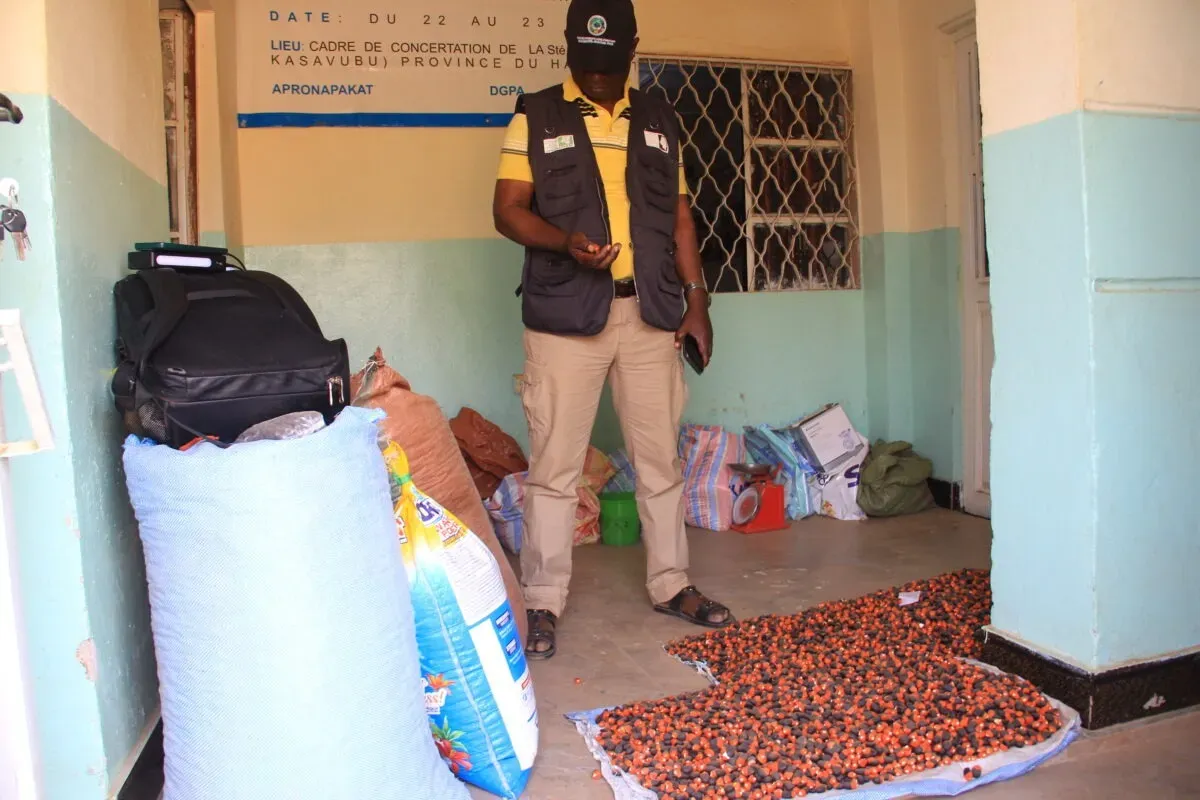
With the establishment of community forests, the population no longer cuts down trees that have not reached maturity, because it is the mature tree that can provide seeds. Furthermore, the community itself has identified tree species within the forest that cannot be cut down, as well as conservation zones.
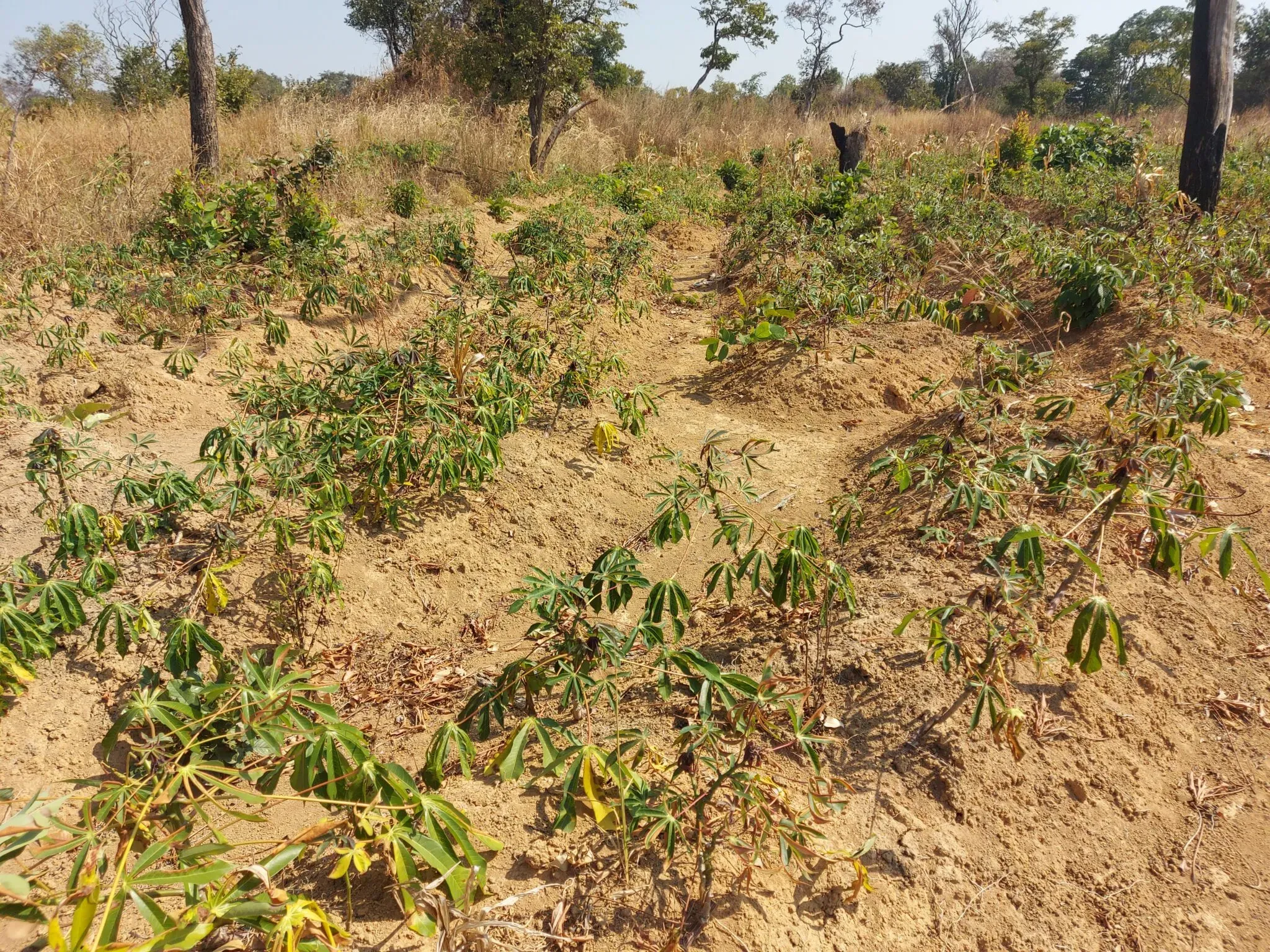
In the territory of Kasenga, Haut-Katanga province, nine local communities have joined forces to practice agroforestry. On approximately 60 hectares, they cultivate maize alongside acacia trees. The goal: to reduce pressure on the forest, threatened by the growing demand for charcoal and arable land. Their project has attracted British investors, who provided financial support to consolidate these sustainable practices, according to Ilunga.
Editing and data support by Annika McGinnis.