Story
 September 30, 2026
Developers Are Buying Up Farmland. Will There Be Any Left for Young Farmers?
Country:


Competition for land is high, and "The Next Harvest: Seeking Solid Ground" explores how society...
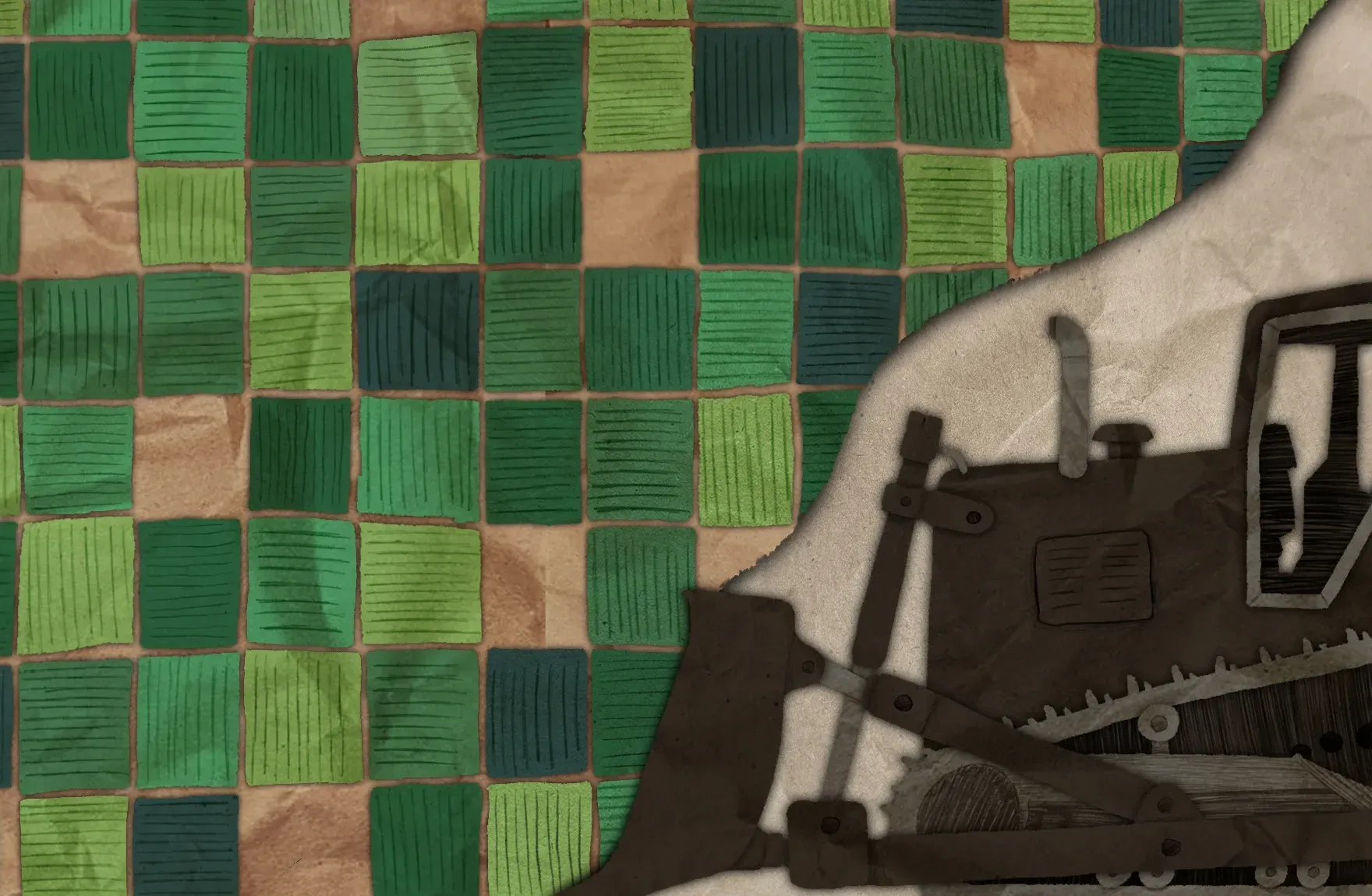
From 2001 to 2016, 11 million acres of agricultural land was paved over, fragmented, or converted to a non-farming use. National agriculture preservation organization American Farmland Trust predicts that if this trend continues, another 18.4 million acres will be converted by 2040.
Farmers aren’t the only ones interested in flat, cleared ground — housing developers, expanding businesses and data centers create fierce competition for rural land. For young farmers who already make up less than 5% of farmland owners, it’s made the hunt for a place to put down roots even harder.
On this episode of KBIA’s news series The Next Harvest: Seeking Solid Ground, we discuss what encroaching housing development can mean for a community’s farmers and what policies are available to local leaders to preserve productive farmland.

As a nonprofit journalism organization, we depend on your support to fund more than 170 reporting projects every year on critical global and local issues. Donate any amount today to become a Pulitzer Center Champion and receive exclusive benefits!
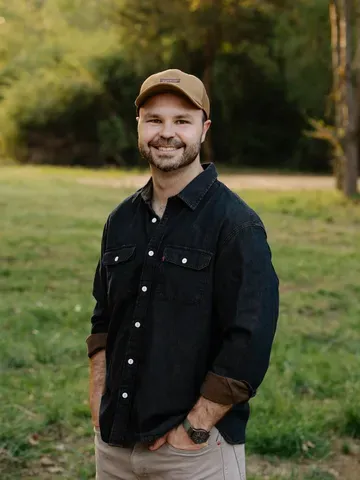
Brooks Lamb is the director of food systems and agriculture policy at the Vanderbilt Policy Accelerator. His book, “Love for the Land: Lessons from Farmers Who Persist in Place,” explores two counties in Tennessee farm country experiencing widespread housing development. He’s also the host of the podcast “Landed,” which features stories from farmers across the country working to preserve their farmland and pass on their businesses.


He joined The Next Harvest producer Jana Rose Schleis to discuss the challenges small-scale farmers face in the fight over farmland.
This conversation has been edited for brevity and clarity.
Jana Rose Schleis: In your book, you focus on two counties that are experiencing [housing] development in Tennessee. They're seeing rapid land transition. Can you explain what you saw in Murray and Robertson counties?
Brooks Lamb: Family-scale agriculture is really struggling in those communities. If we look at some data from the US Census of Agriculture from 2017 to 2022, Tennessee alone lost nearly 7,000 farms. That's about 10% of all the farms in our state that are gone just within a five year span.
That is concerning. And we know that a lot of those farms are going to real estate development. But what's even more concerning are the types of farms that we're losing there. Roughly 98% of the decline in farms came from farms that are 500 acres or smaller. It’s these small- and mid-scale family farms that are being either erased or subsumed at the highest rate.
JRS: What did you learn from farmers in these areas who were watching their communities change?
BL: It's been devastating for so many folks who are in these communities. And another thing that I heard is this incredible sense of resilience among these same farmers. So they described all the challenges they're facing. They described how hard it is just to survive in agriculture and then at the same time, they showed through their actions and their words that they are devoted to caring for their land.
JRS: You spoke to some folks who did sell some of their land to developers. What led to that decision for them and how did they feel about it?
BL: Yeah, it was really challenging for a lot of these farmers who felt forced to sell their land to developers. And they really did it out of economic necessity. It's just the economic market forces acting on small farmers and making it hard for them to survive, much less thrive. Farmers often carry the emotional weight and the stress of carrying on a family legacy and not wanting the farm to die with them.
JRS: You recommend some local solutions for preserving farmland. How can county governments play a role in how land is used throughout a community?
BL: A lot of the time, county governments and other local officials treat agricultural land as a placeholder until some higher and better use — and that's the technical term — until some higher and better use comes along. So instead of treating agriculture as just waiting for development, we can treat it as the important land that it is, and we can treat farms as the small businesses that they are.