
The Black Mambas are breaking poaching cycles in South Africa, teaching the next generation of...
The first thing I noticed was the smell. Not unpleasant—sweet, smoky, and earthy, like burning wood mixed with wild herbs and sunbaked dust. That scent was the start of everything there.
I arrived in Limpopo with a vague idea of what I’d find: powerful female rangers, excitable kids, maybe the occasional monkey crossing the road. But the reality was harder to explain—more visceral. Wilder.

As a nonprofit journalism organization, we depend on your support to fund more than 170 reporting projects every year on critical global and local issues. Donate any amount today to become a Pulitzer Center Champion and receive exclusive benefits!
Take Craig Spencer, the founder of the Black Mambas and warden of Olifants West Nature Reserve. He is intense, brilliant, and chaotic in a way that makes you trust him more, not less. One moment he was ranting about the politics of poaching, and the next he was handing me a bowl of ostrich stew and asking if I had enough rum in my mug. Around him, energy was alive. He told stories in between radio checks with Mambas on patrol. Everyone was moving, doing, fixing something—like the water tank that elephants broke for the second time that month. It’s as if the mission is too urgent for rest. Spencer lives in a bush camp within the reserve he protects. Even so, every time I saw him—he was barefoot.
To my pleasant surprise, there were other interns staying at camp—a mix of scrappy, passionate, slightly-sunburned environmentalist students from across the world. At night when I’d visit, we swapped stories around the fire: about leopards spotted, new foods we’d tried, jokes lost in translation. It was inspiring to hear about the work others were dedicating themselves to in this wild corner of the world. A young woman from Canada was researching wildlife crossings to reduce roadkill. A young man from the Netherlands was tracking leopard habitats. And then there were the members of Spencer’s team: men working in crime detection, emergency response, and conservation. The passion in the air was electric.
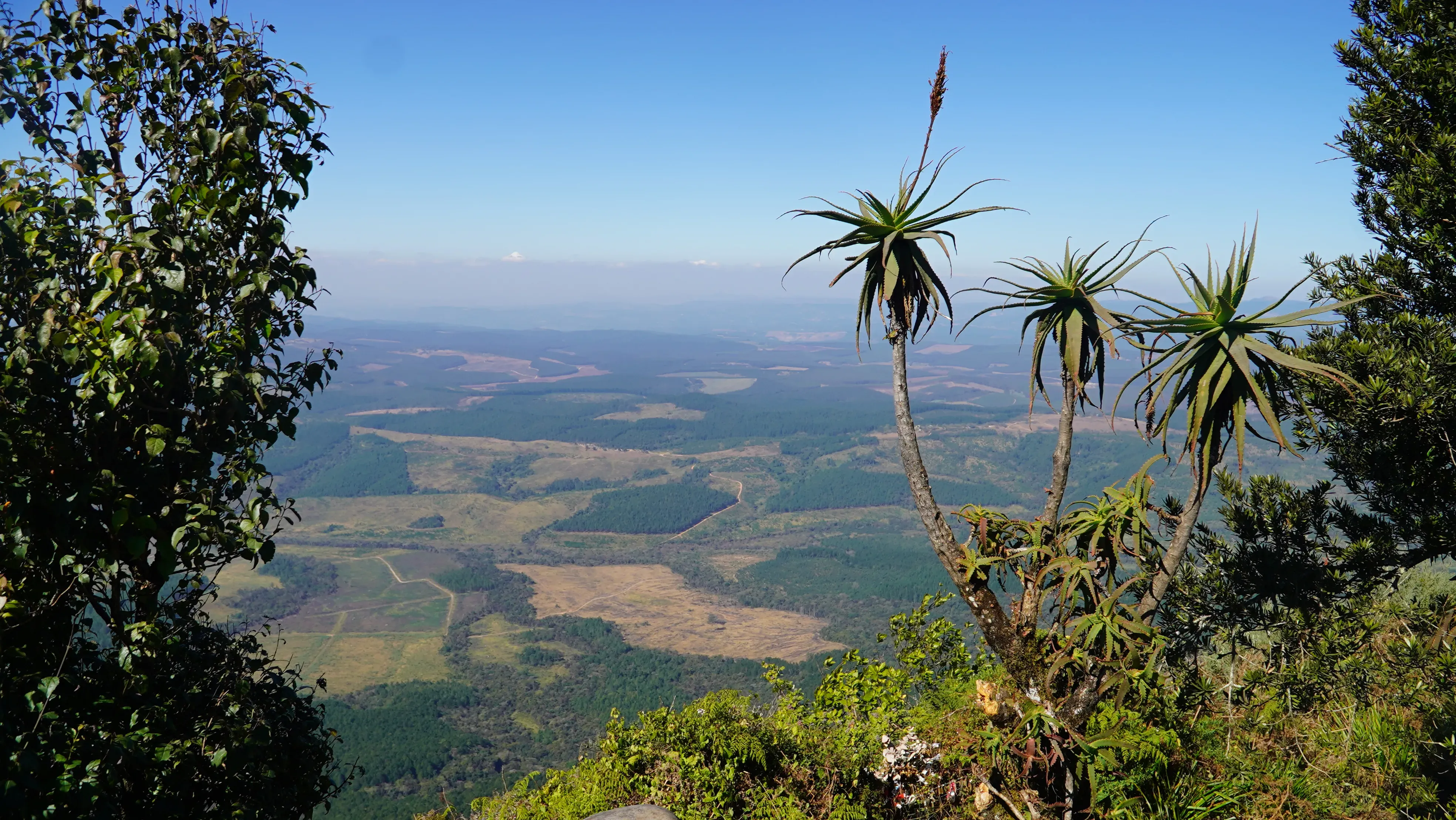
But nothing could have prepared me for seeing the landscape. I had the opportunity to trek a portion of the Panorama Route during my stay. Limpopo’s beauty cannot be overstated. Breathtaking is the word that comes to mind.
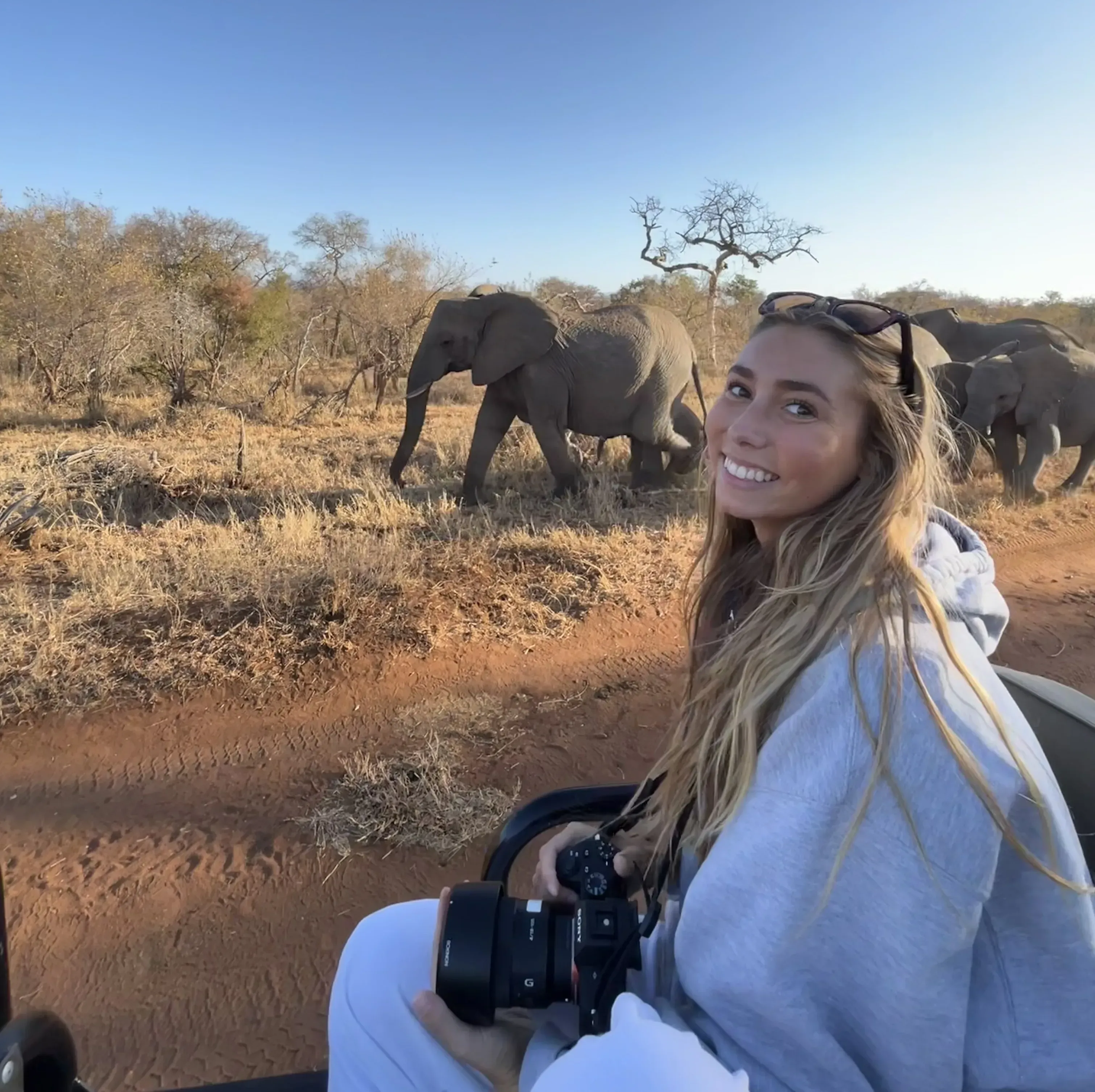
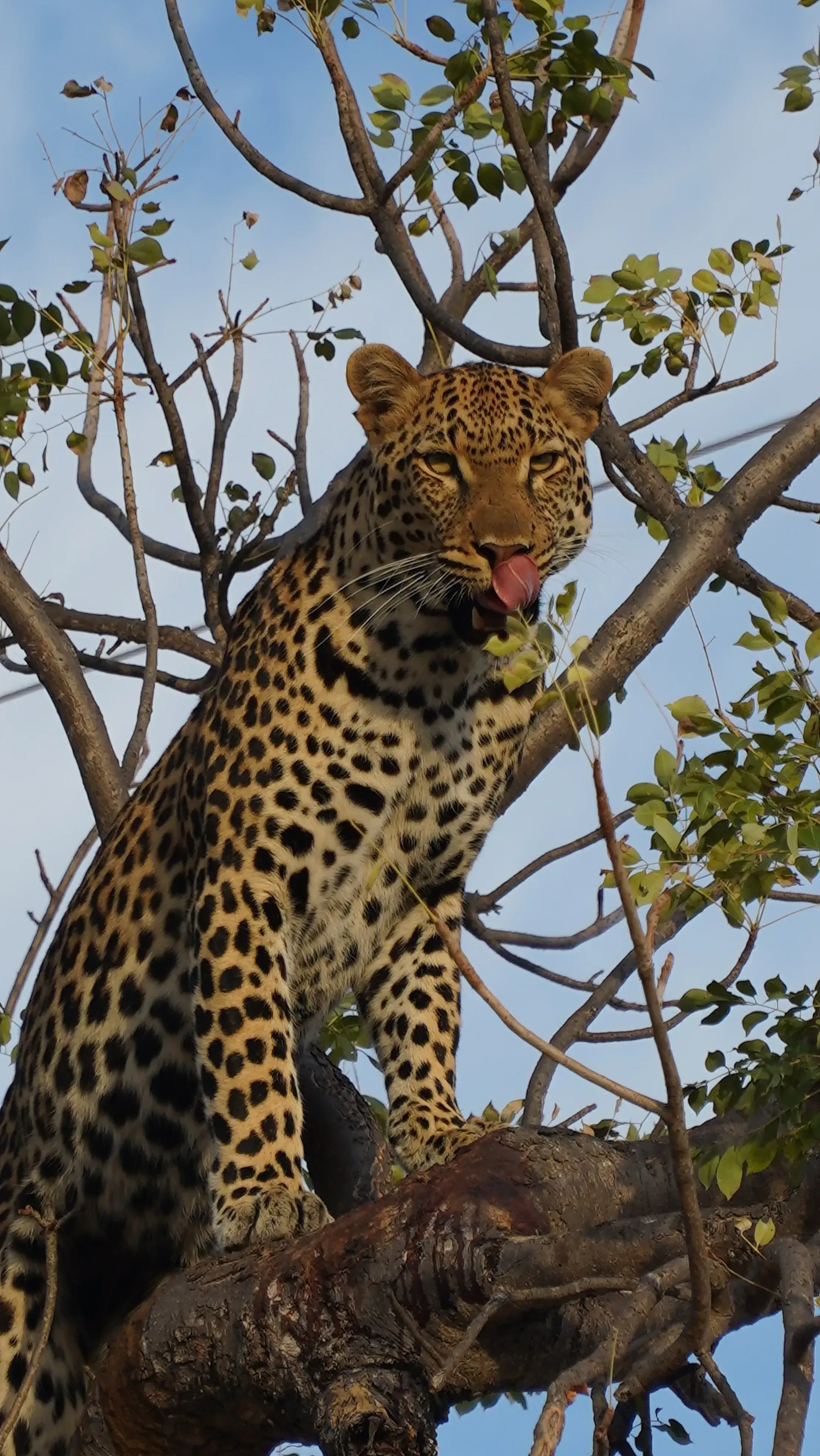
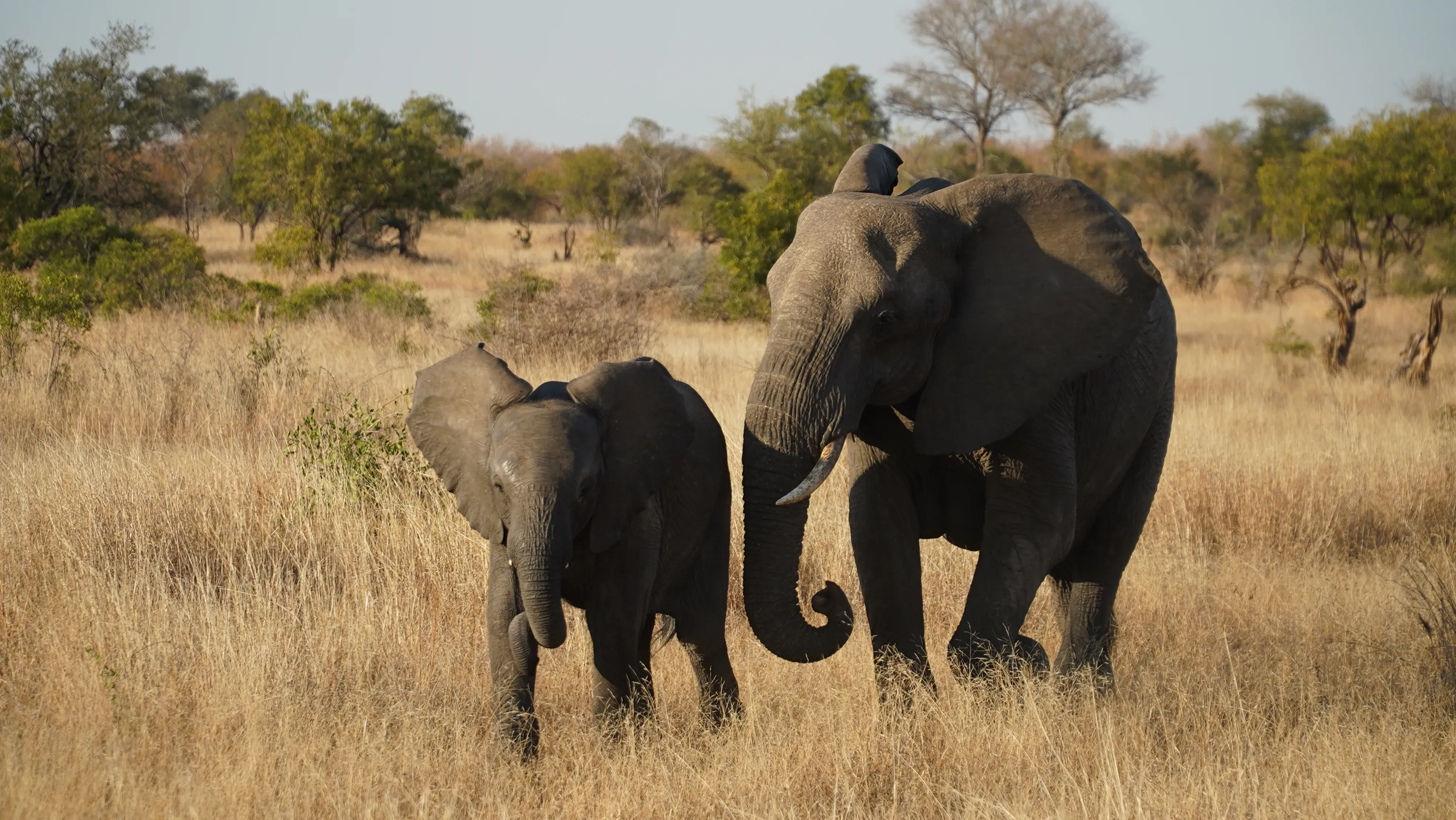
And the wildlife. Giraffes drifted by like silent goliaths through Knob Thorn trees. Elephants emerged from the bush—quiet until they weren't. I lost count of how many times I thought I was alone, only to find myself suddenly surrounded by a herd of 15 elephants. The animals always had their way of leaving me speechless—both by their presence and, at times, their territorial behavior. I can say with certainty that the scariest moment of my life was being stared down by a 12-foot-tall, 10,000-pound bull elephant, with nothing between us but a two-wheel drive Toyota SUV. Spencer’s team said they believe the animals can sense your intentions and that’s why they let us live. I believe it.
That moment has a close second.
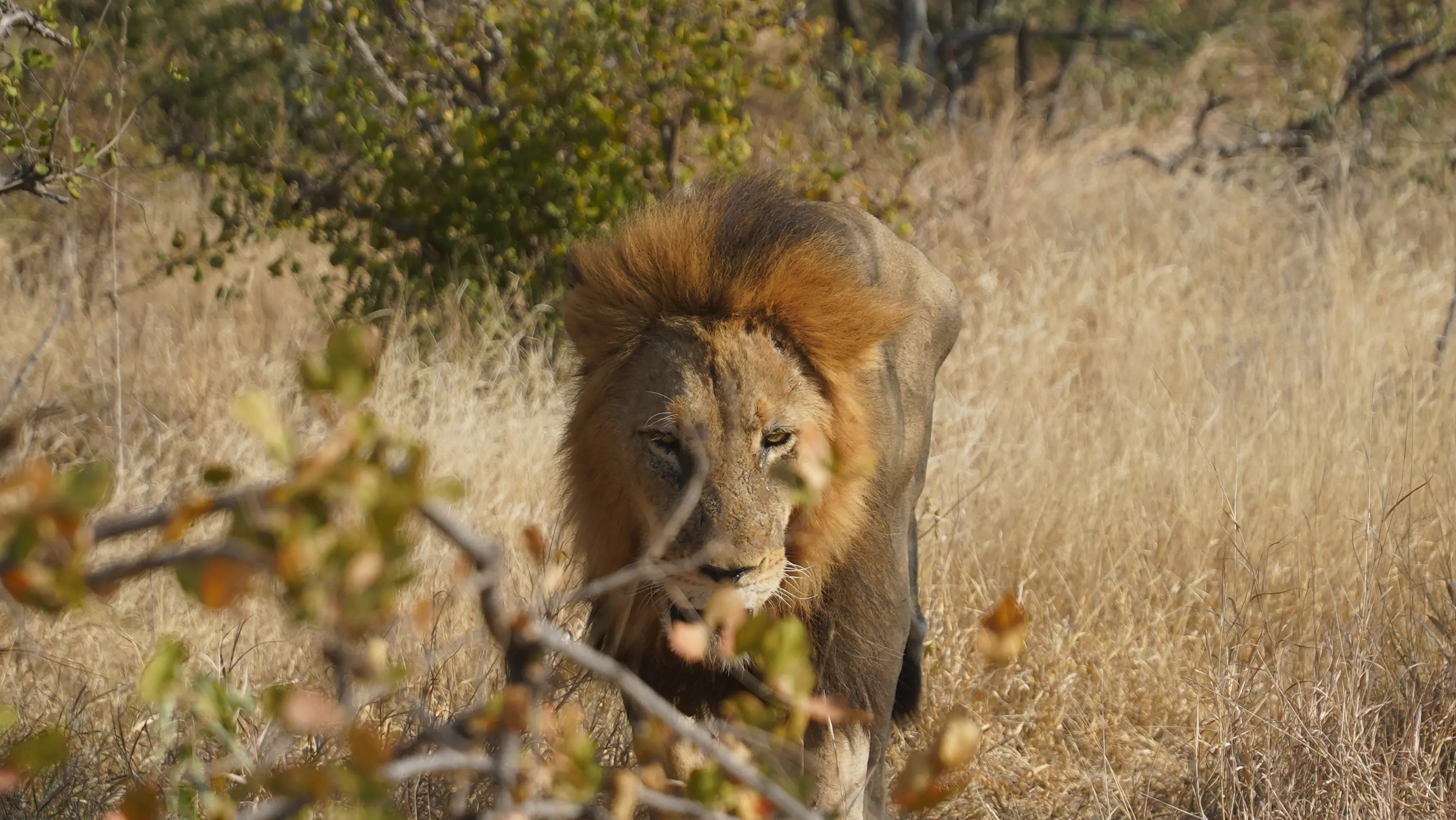
On my first-ever snare sweep with the Black Mambas—unarmed female anti-poaching rangers—we were making our way through the bush when a nearby guide giving a safari tour called out to us. He yelled something in a local language, and before I knew it, we were turning around. The Mambas explained we had been unknowingly walking just five meters from a lion on foot. The usual next step would be to return to our vehicle—but the guide also informed them that five minutes earlier, he had passed our car, and it was surrounded by lionesses.
That’s when the Mambas’ training kicked in. Calm and efficient, they radioed the rest of the team. Another guide arrived shortly after in an open safari vehicle and offered us a lift. She, like us, wanted to see the lion up close. We circled back—this time with the safety of four wheels. And there he was. Photos and videos will never do it justice. The adrenaline hit me like a train.
Unsurprisingly, what feels like the only animal I didn’t see out in its wild habitat was the rhino. The rhino’s absence was felt by everyone, and it only goes to show the ongoing need for the Mamba's anti-poaching efforts.
The Bush Babies youth education center was wild in spirit, full of color and laughter. Every Friday, children from nearby villages flood into the compound. They came running, smiling, talking a mile a minute. For many, it’s the only consistent program they attend. For some, it’s the only hot meal they’ll have that day. They showed up excited and eager to learn—about leadership, first aid, hygiene, or whatever topic is on the agenda. I think the highlight for most kids, though, was the weekly game of Red Light, Green Light. It was mine too, back in primary school.
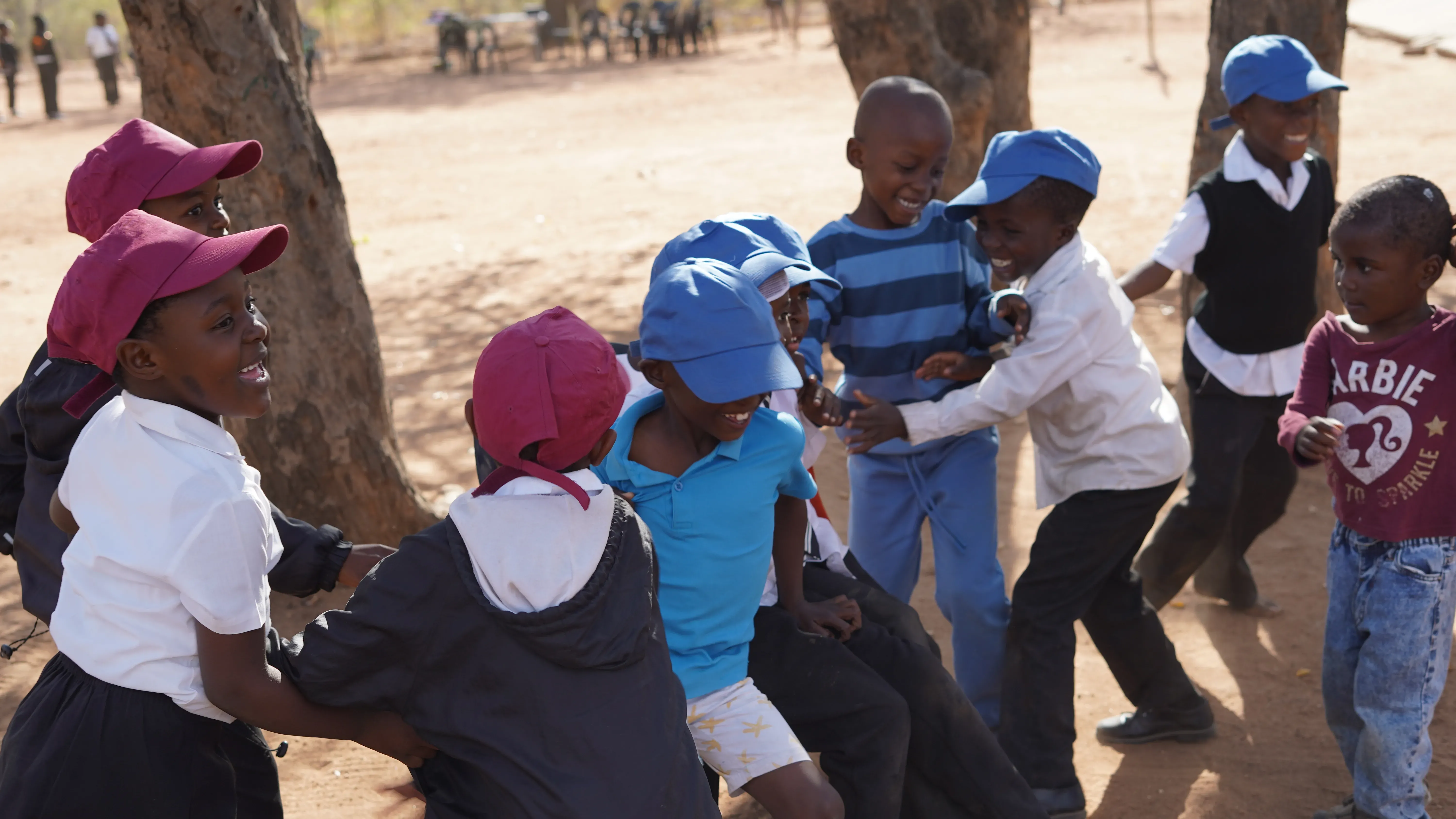
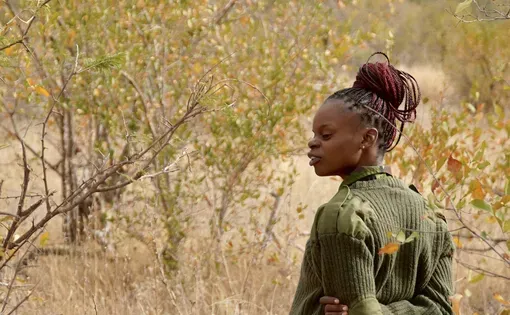
Watching Tsakane Nxumalo, a Mamba-turned-educator, teach the children was something I’ll carry with me. She spoke with a calm confidence, her smile steady as she broke down environmental ideas in a way the kids could grasp. She was a reminder that protection doesn’t have to look like force—it can look like care, like trust, like showing up every week to say: you matter, this land matters, and you belong in the story of its future.
Every Mamba I have met carried that same mix of wonder and determination. They patrol dangerous areas without weapons, relying on training and community trust. They wake up before dawn, walk for hours in the heat, navigate real threats and still make time to mentor the youth at the Bush Babies center. Their schedules are demanding, working three weeks at a time, and most of them have children at home and families to care for. The risks are real, but they do it all with a smile, and they welcomed me in without hesitation.
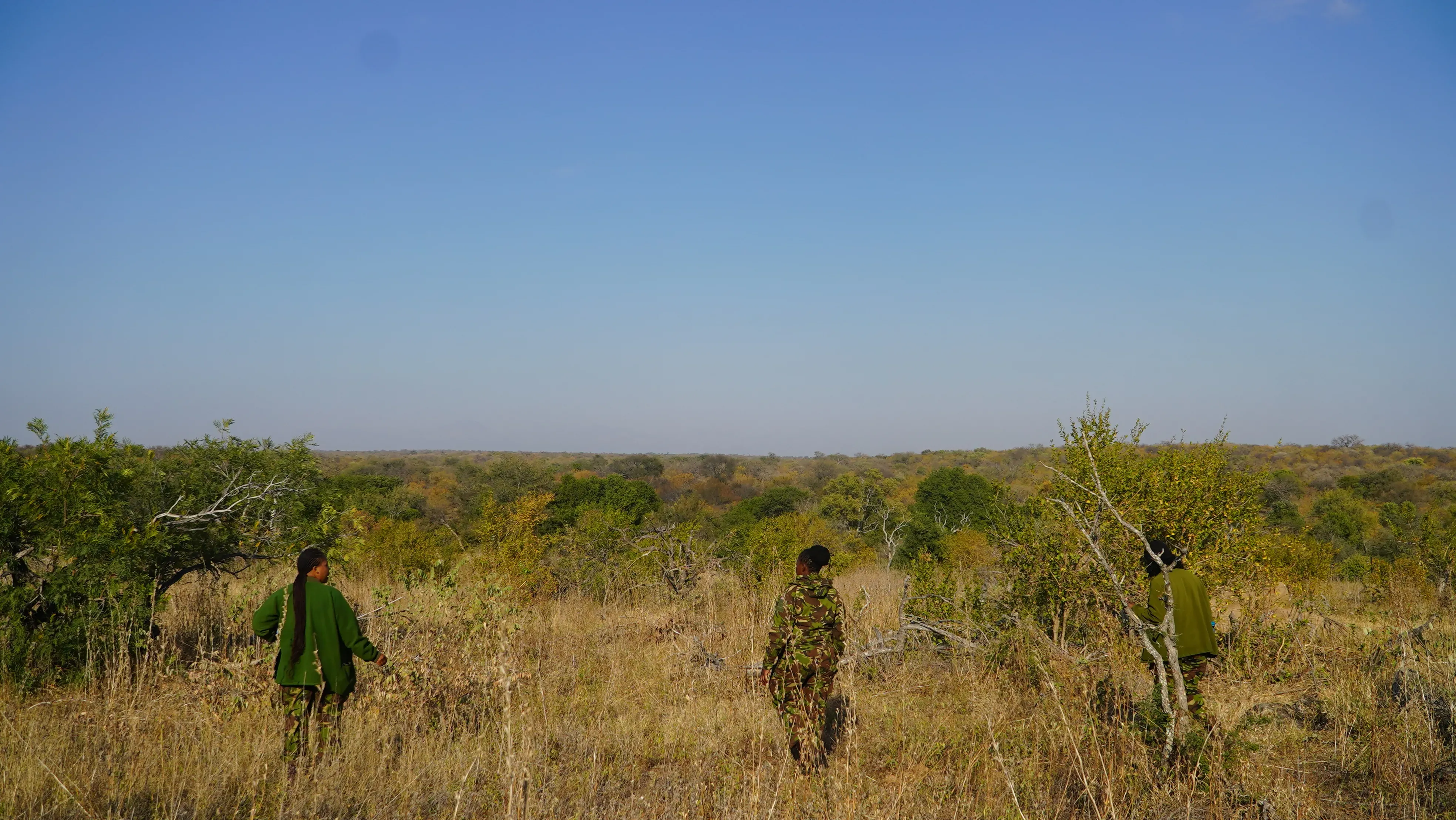
What struck me most was not just what they do, but how they do it—with grace, grit, and an unwavering belief that change is possible. The Mambas don’t just work in conservation. They live it. Their dedication is contagious. It’s hard not to feel starstruck in their presence—not because they’re intimidating, but because they’re doing it. They’re breaking cycles of poverty, violence, and environmental destruction with nothing but guts and purpose.
South Africa has unsettled me in the best way. The lines between danger and beauty blurred there, like the scent of that sweet burning air at sunset. There’s still so much I don’t understand—about the land, its history, and this fight.
But I know what it feels like to stand among people who are rewriting their future with their feet on the ground and their eyes wide open.